

Antique Silver Dining Cutlery
Antique silver dining cutlery comprises functional implements for the table, prized for weight and finish during formal meals.
What antique silver dining cutlery is
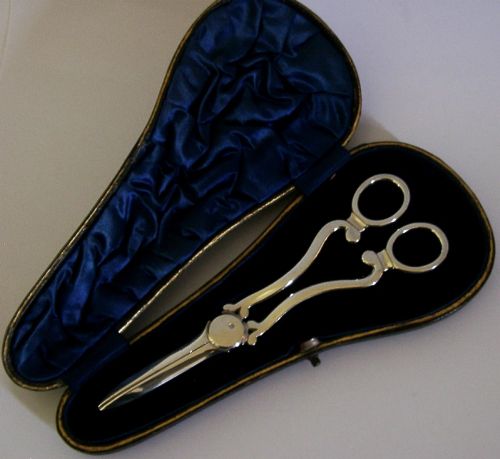
Antique silver dining cutlery encompasses utensils used for serving and consuming food at the table, shaped from solid sterling silver. When buyers search for antique silver dining cutlery, they encounter pieces originating from the Victorian period around eighteen-ninety.
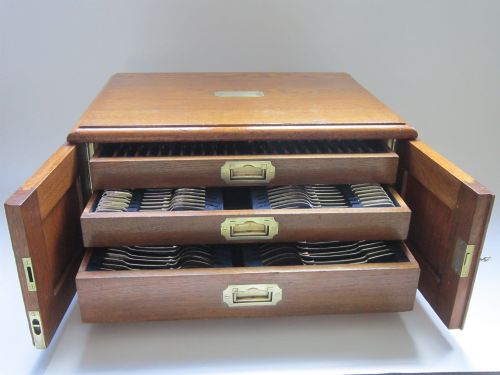
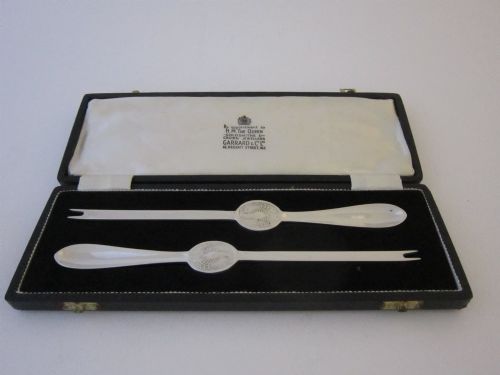
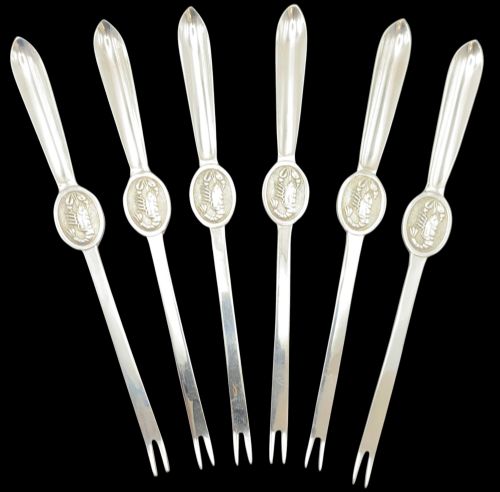
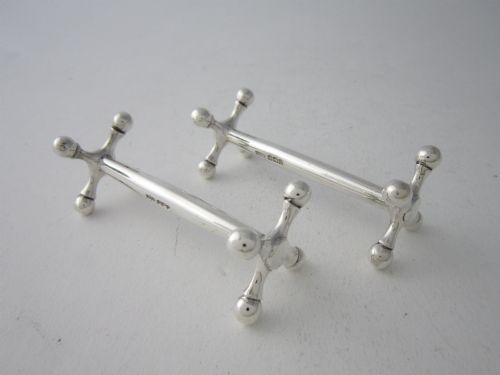
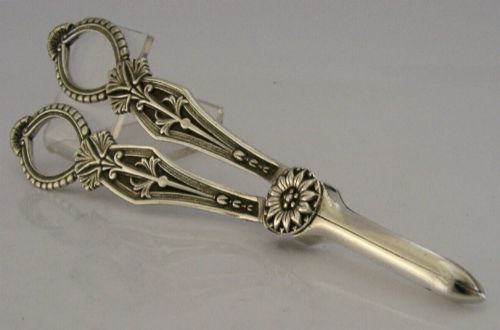
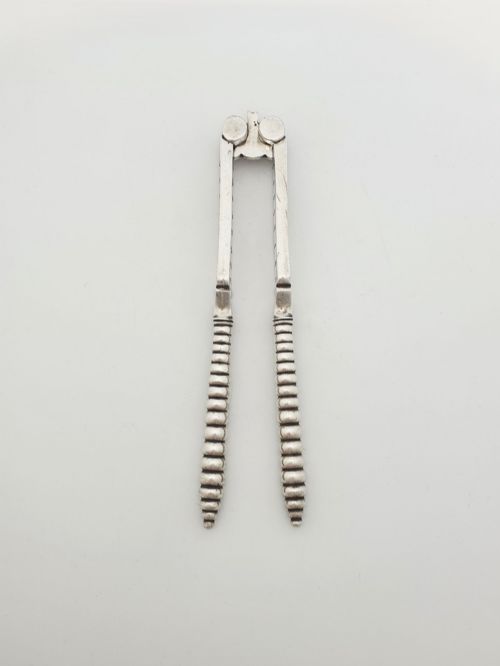
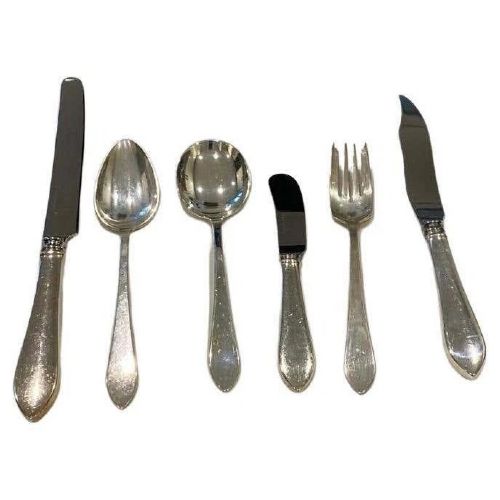
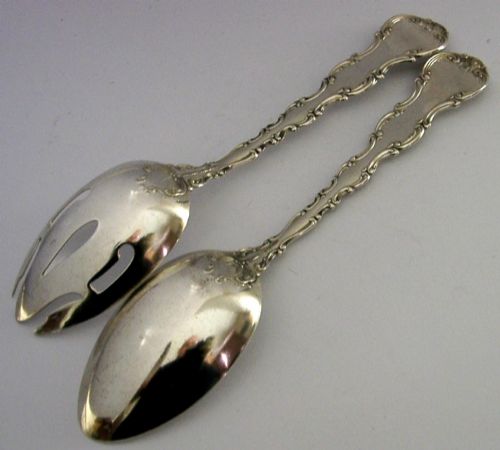
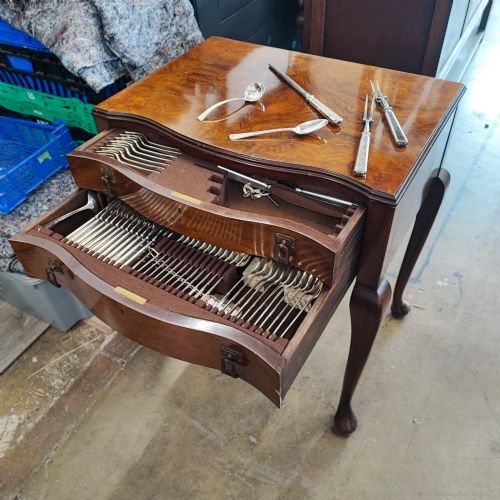
The specific forms appearing in current records include salad servers and sets of table knives. These objects reflect the formal dining customs of late nineteenth-century households where silver service formed a central part of the table setting.
How antique silver dining cutlery was made
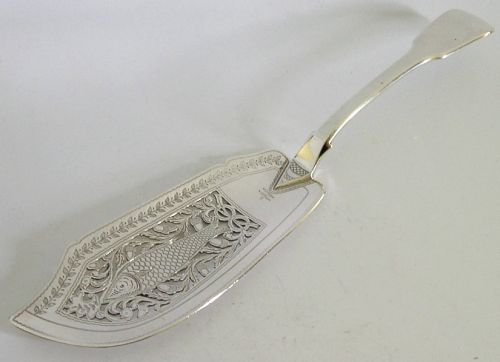
Makers shaped these implements from sterling silver, utilising traditional metalworking techniques such as casting, hammering and stamping. Handles and bowls were formed separately before being joined or chased with decorative motifs.
Patterned designs like the Queens pattern were impressed into the metal using steel dies. Artisans then finished the surfaces by hand polishing to achieve the bright reflective quality characteristic of Victorian tableware.
Current listings feature sterling silver pieces from the Victorian era, specifically representing the year eighteen-ninety and the Queens pattern.
What varies in quality
The distinction between standard and superior pieces rests upon metal weight and the crispness of the applied decoration. Heavier gauges of sterling silver provide greater durability and balance in the hand during use.
Execution of decorative elements defines the upper tier of production, where patterns remain sharp and well-defined rather than worn or shallow. Maker attribution also influences standing, as established manufacturing houses maintained higher standards of finishing.
Gorham
The Antique Silver Dining Cutlery Glossary
- Sterling silver
- A standard alloy consisting of ninety-two point five percent silver by mass, with the remainder composed of copper or other metals. This composition provides the necessary strength for dining implements while maintaining a high silver content.
- Queens pattern
- A traditional ornate tableware design featuring shell and scroll motifs along the borders. This decorative style gained popularity during the Victorian era and remains recognisable on formal cutlery.
- Salad servers
- A matched pair of large utensils, typically comprising a fork and a spoon, designed for serving greens. They often feature elongated handles to reach across serving bowls.
- Victorian
- The period spanning the reign of Queen Victoria from eighteen-thirty-seven to nineteen-or-one. Items from this era frequently exhibit decorative revival styles and heavy construction.
Frequently Asked Questions
What is antique silver dining cutlery used for?
These implements are designed for serving and eating food during formal meals. They bring traditional presentation to modern dining tables.
Collectors also acquire them to complete antique table services or for display within dining room cabinets.
How do I clean antique silver cutlery?
Wash pieces gently in warm soapy water using a soft cloth, avoiding harsh abrasive cleaners that scratch the metal surface. Dry thoroughly immediately afterwards to prevent water spots.
Store the items in tarnish-resistant cloth or rolls when not in use to maintain the polish.
How do I identify Victorian silver cutlery?
Examine the pieces for period-specific design motifs such as the Queens pattern or heavy cast construction typical of late nineteenth-century manufacturing. Hallmarks stamped into the metal often provide specific date letters and assay office marks.
Comparing the weight and stylistic details against known Victorian examples helps confirm the period of origin.
Is sterling silver durable for daily use?
Sterling silver possesses adequate strength for regular dining provided the metal gauge is sufficiently heavy. Implements designed for serving, such as salad servers, withstand normal handling well.
Careful washing and proper storage prevent unnecessary wear over time.