

Antique Silver Diamond Jewellery
Antique silver diamond jewellery brings together historic metalwork and hand-cut stones, offering pieces crafted from the Victorian era through the mid-century.
Antique Silver Diamond Jewellery
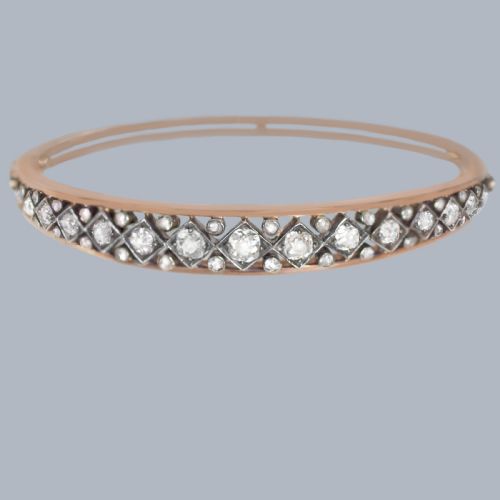
These items span rings, brooches, pendants, earrings, bangles and necklaces that incorporate diamond settings alongside silver elements. The category encompasses work from Victorian, Edwardian, Art Deco and 1950s periods, reflecting shifting tastes in ornamentation.
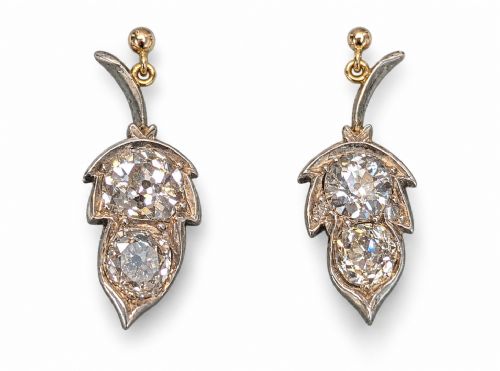
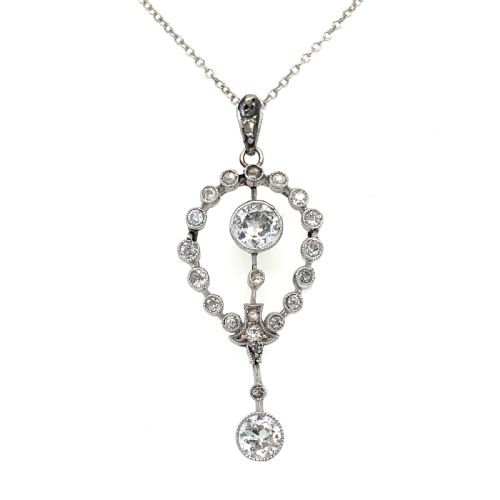
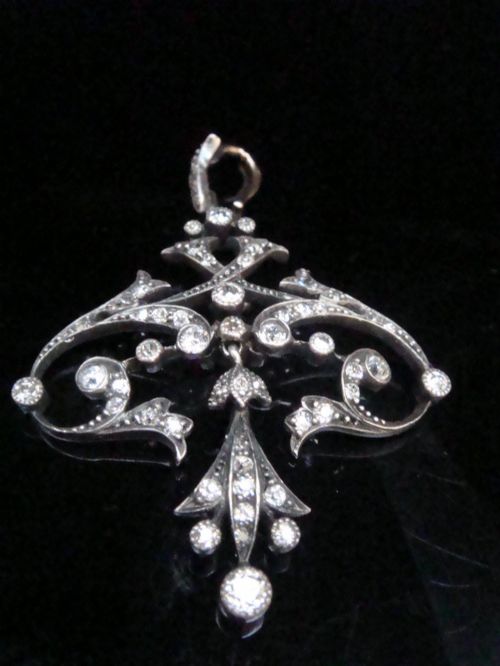
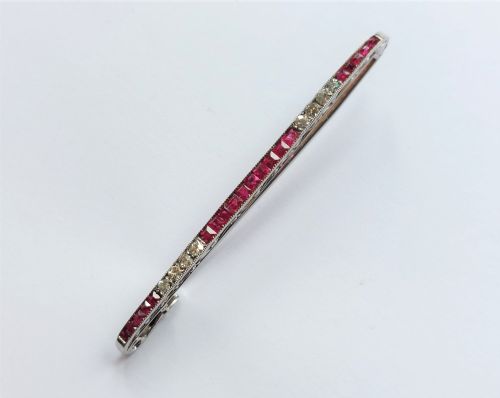
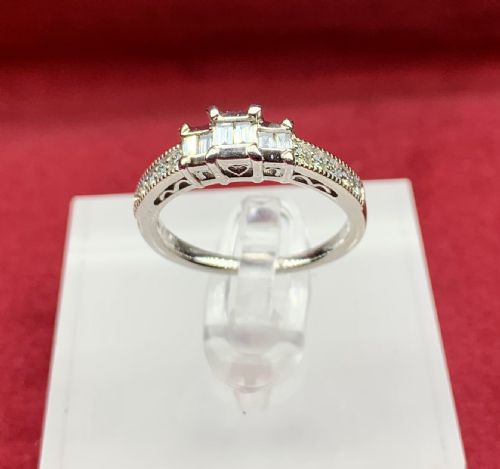
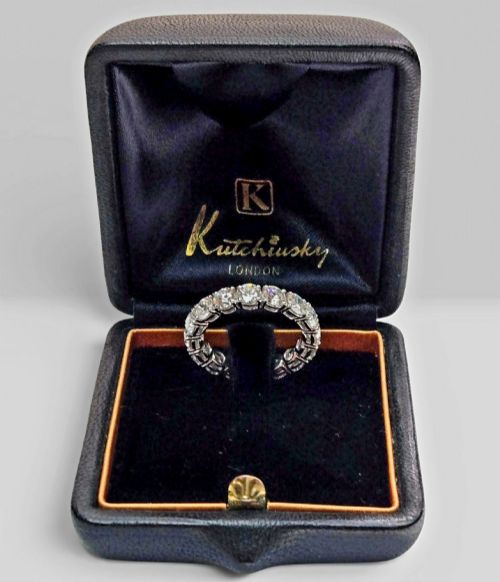
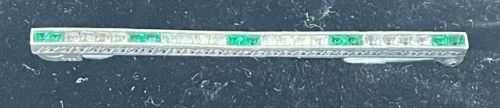
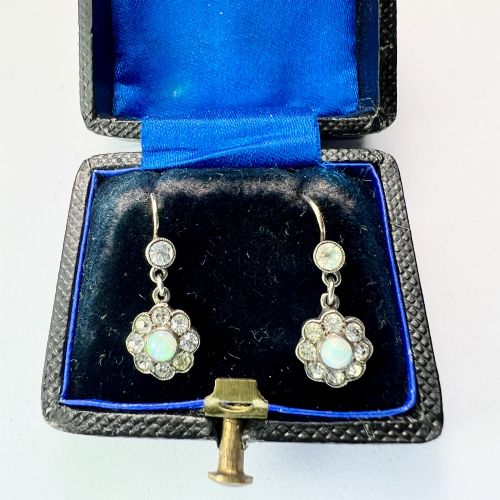
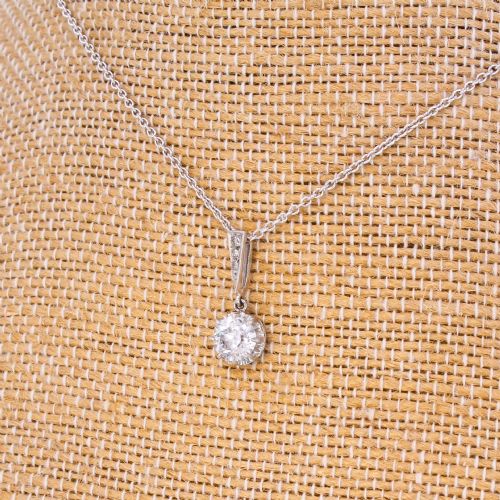
Buyers frequently encounter Edwardian lavaliere pendants, Victorian drop earrings, Art Deco bar brooches and cluster rings. Many pieces combine silver settings on the face with gold or platinum reverses and mountings.
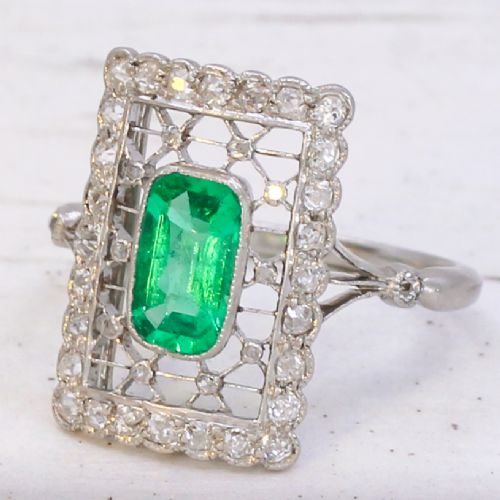
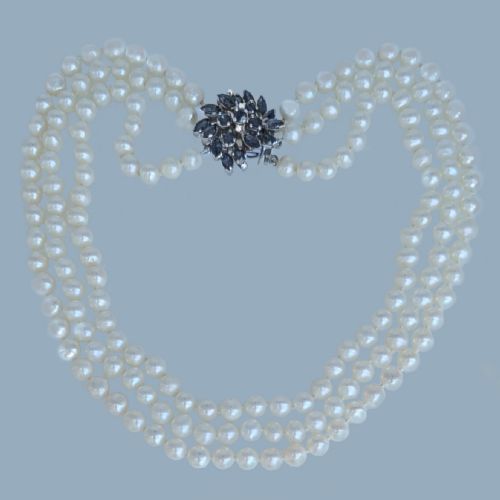
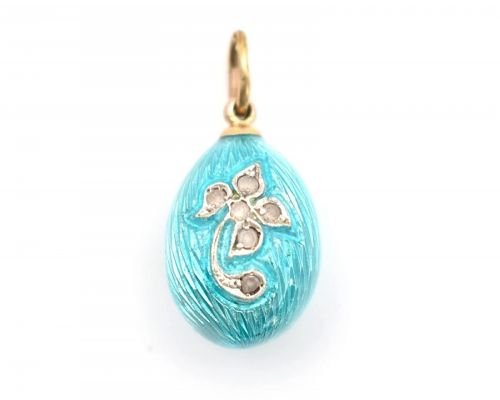
Origins stretch from British workshops to continental Europe, including Imperial Russian items and French brooches. Gemstones paired with diamonds include emerald, pearl, sapphire, opal, turquoise and ruby.
Materials and construction methods
Construction typically pairs silver settings with gold, white gold or platinum supports to provide strength while maintaining a bright white backdrop for the stones. Older examples often utilise a silver-topped gold technique where silver faces the front to enhance diamond brilliance.
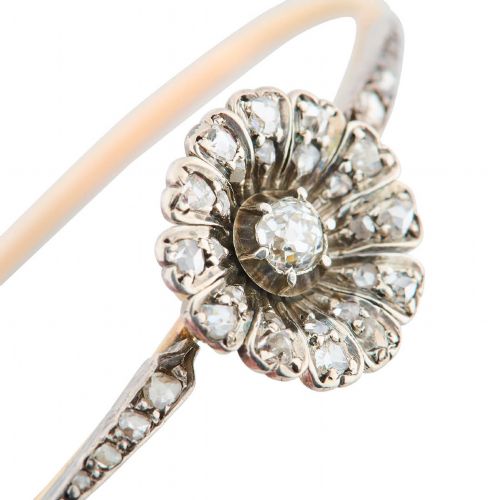
Diamonds are hand-cut in older styles such as old mine cuts, old European cuts and rose cuts, which exhibit softer facets than modern brilliant cuts. Coloured gemstones and pearls are integrated into floral, geometric or foliate motifs using claw settings or flush mounts.
Listings feature periods from the 19th century through to the 1950s, employing materials like diamond, platinum, silver, gold, pearl, emerald and turquoise.
Factors influencing quality
Quality rests upon the precision of the hand-cutting in the diamonds and the integrity of the metalwork in the settings. Finer examples display meticulous stone arrangement and balanced proportions within motifs like daisy clusters or fringe necklaces.
The relationship between the silver face and the underlying gold or platinum structure affects durability and refinement. Superior workmanship maintains secure stone retention alongside delicate pierce-work and engraving.
Knoll and Pregizer
The Antique Silver Diamond Jewellery Glossary
- Old mine cut
- A hand-cut diamond shape typical of the 19th century featuring a cushion outline, high crown and large culet facet. This cut produces distinctive broad flashes of light.
- Rose cut
- A vintage diamond cut with a flat base and a domed crown consisting of triangular facets. It resembles an opening rosebud and imparts a subtle glow.
- Lavaliere
- A pendant design featuring a suspended drop stone or ornament hanging from a necklace chain. Popularised during the Edwardian period.
- Bar brooch
- A horizontal pin featuring stones or decorative metalwork set along a narrow bar. This form was widely produced during the Art Deco era.
- Paste
- Hand-cut glass or lead crystal used as a substitute for gemstones. Historic paste jewellery is collected for its own decorative merit.
Antique Silver Diamond Jewellery: Frequently Asked Questions
How do I care for antique silver diamond jewellery?
Clean these items gently using a soft cloth and avoid harsh chemical dips that can damage foil backs or softer mounted stones. Store pieces individually in padded boxes to prevent scratching between the silver and harder gems.
Because many historic settings use closed backs or silver-topped gold, keep them away from prolonged immersion in water. Regular inspection by a professional jeweller ensures the claws holding the diamonds remain secure.
Are these pieces suitable for daily wear?
Historic items require more mindful handling than modern equivalents due to their age and delicate construction. Edwardian platinum mounts and sturdy Victorian gold bands withstand regular use better than fragile filigree.
Consider removing rings and bracelets during manual tasks or physical activities to protect old cut diamonds and soft secondary gems like opals and pearls from impact.
How can I tell the difference between periods?
Victorian pieces often feature heavier gold and silver construction with old mine or rose cut diamonds arranged in foliate or star motifs. Edwardian items tend towards lighter platinum or silver-topped gold with delicate pierced work and garlands.
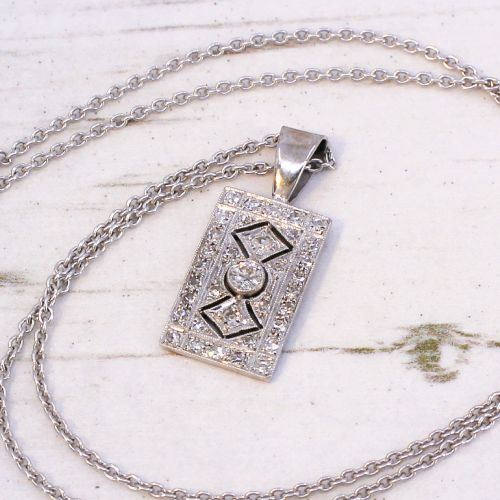
Art Deco jewellery displays geometric symmetry, sharp lines and stylised floral patterns typical of the 1920s and 1930s. Mid-century items from the 1950s introduce cleaner single-cut diamond clusters and updated platinum settings.
Why is silver combined with gold or platinum?
Silver provides a bright, reflective white surface that enhances the appearance of antique diamonds before the widespread use of white gold and platinum. Combining it with a gold or platinum reverse adds structural strength and prevents tarnishing against the skin.