



Antique Silver Decorations
These antique silver decorations bring remarkable character to a room through centuries of refined craftsmanship.
Antique Silver Decorations
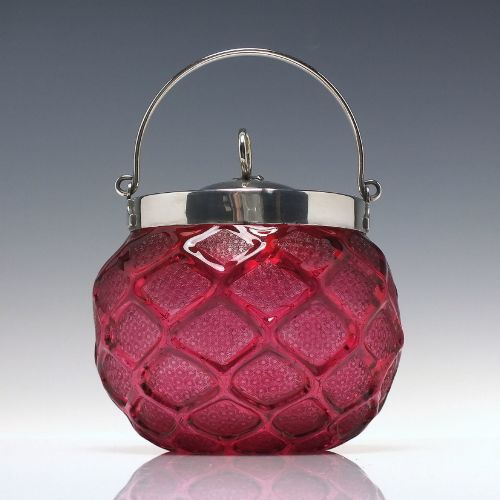
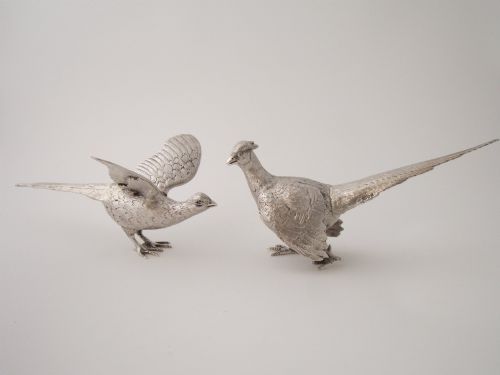
When you search for antique silver decorations, you discover a diverse assortment of objects designed to embellish tables, desks and display cabinets. These pieces range from functional tablewares with ornamental motifs to standalone figurines and novelty cruets.
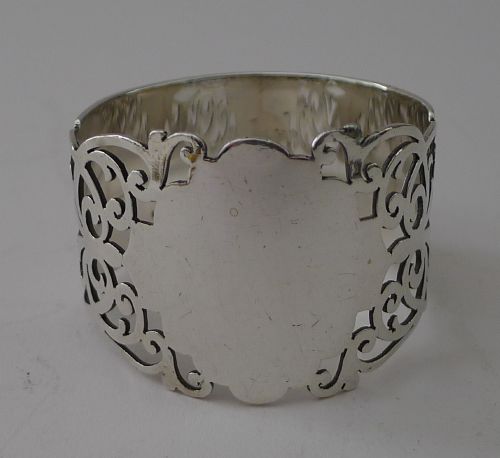
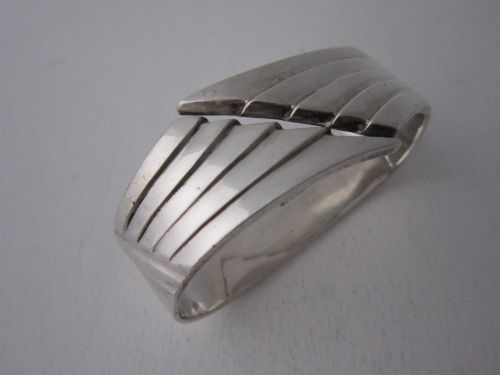
The items found here span multiple periods, from the eighteenth century through the Georgian, Victorian and Edwardian eras, up to mid-century British and modern designs. You are most likely to encounter smaller table ornaments, napkin rings, menu holders and figural models such as birds and animals.
Origins vary widely across British workshops, continental European makers in Germany, Austria and the Netherlands, and Ottoman pieces. Each object reflects the aesthetic preferences of its era, utilising styles from rococo and neo-renaissance to arts and crafts and mid-century modern.
How they were made
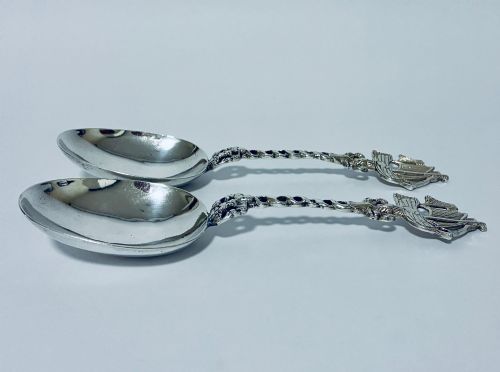
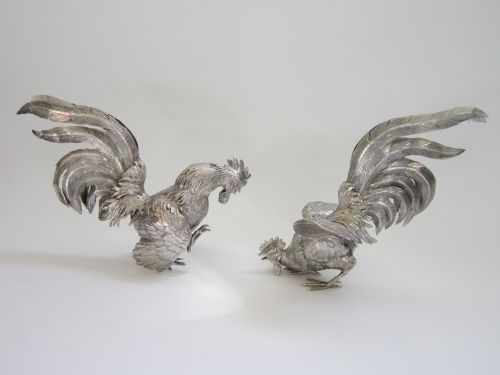
Silversmiths employed techniques such as repoussé and embossing to push metal from the reverse, creating raised floral, bird and figural decorations. Casting was utilised for heavier table figures, animal models and solid pepper pots, capturing intricate details in three dimensions.
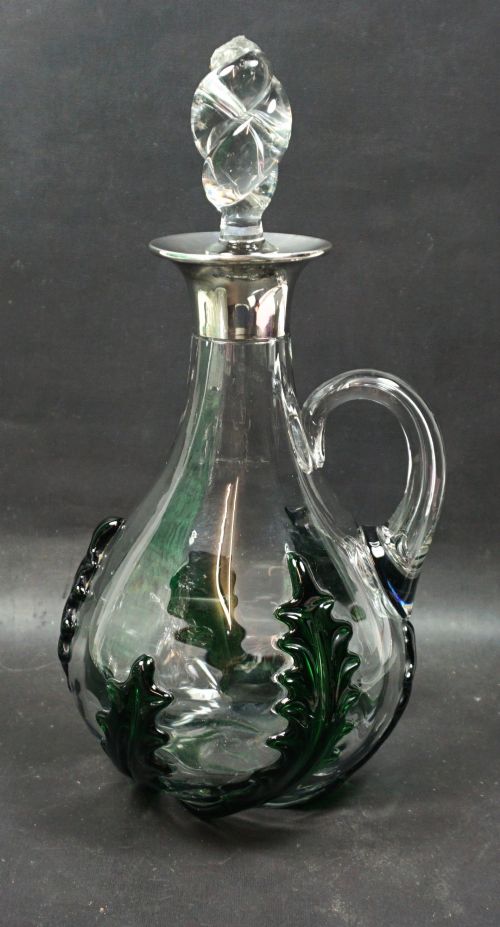
Materials span solid sterling silver, silver plate, and continental standards like 800 silver, occasionally paired with secondary elements like wood, mahogany, citrine stones or glass. Gilt accents and parcel-gilt finishes further highlight specific decorative zones on barrels, bowls and chatelaines.
Antique Silver Decorations Retail Price Guide 2026
Typical asking prices for silver decorations among the pieces listed under this phrase on Sellingantiques today, from the lower quarter to the upper quarter. They describe what is for sale here now, not the wider market.
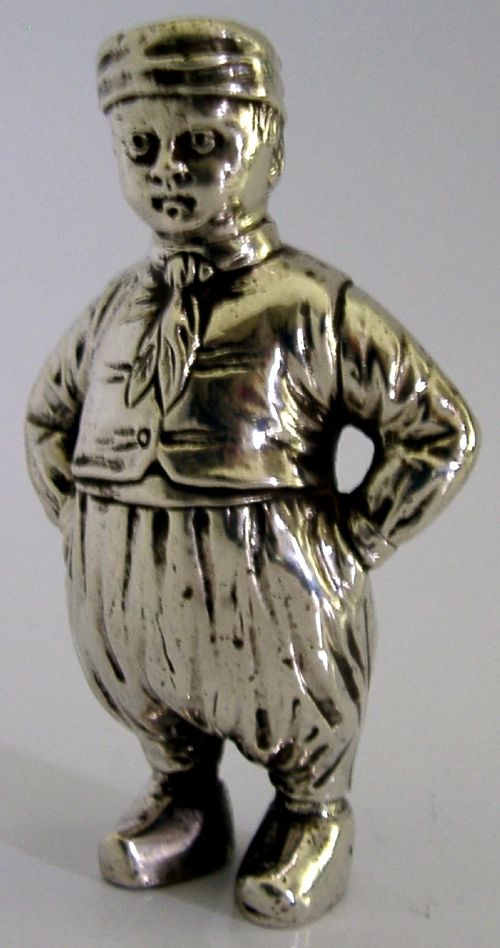
A tiny silver boy serves as a pepper pot.
What varies in quality
The standard of an antique silver decoration depends heavily on the crispness of its hand-chased or embossed detailing. Finer pieces retain sharp contours in repoussé foliage and animal plumage, whereas mass-produced or worn examples show softened lines.
Design ambition and maker reputation set the upper tiers apart from standard domestic wares. Novelty items shaped as game birds, musicians or literary characters require greater skill from the silversmith than simple geometric napkin rings.
Chawner & Co·R. E. Stone·Cartier
The Antique Silver Decorations Glossary
- Repoussé
- A metalworking technique where a silversmith hammers metal from the reverse side to form a raised design on the front. This method appears frequently on bowls, photo frames and snuff boxes.
- Epergne
- A large table centrepiece featuring a central bowl with branching arms to hold smaller dishes or glass trumpets. Edwardian examples often combine silver framework with pearlescent glass.
- Silver Gilt
- Sterling silver that has been coated with a thin layer of gold on the surface. This technique, also known as vermeil, provides a rich two-tone appearance seen on chatelaines and decorative vessels.
- Sheffield Plate
- An early fused plating method where a thin sheet of silver is fused to a copper core. This technique predates modern electroplating and appears on Regency candlesticks.
Antique Silver Decorations: Frequently Asked Questions
How were menu holders used?
Menu holders held small cards detailing the courses served at formal dinners during the Edwardian and Victorian periods. They allowed guests to see the upcoming dishes.
Hosts often matched these holders to the theme of the meal, using figures of birds, characters or floral motifs.
How do I identify a Georgian silver piece?
Georgian items typically exhibit the heavy build, restrained proportions or elaborate floral chasing characteristic of the eighteenth and early nineteenth centuries. Look for hallmarks indicating London or provincial assay offices from that era.
Associated styles include early tea sets, cutlery boxes with silver mounts, and shell-shaped snuff boxes.
How should I clean silver decorations?
Clean antique silver gently with a non-abrasive silver cloth to remove tarnish while preserving the original patina and fine embossed details. Avoid harsh chemical dips that strip away desirable dark oxidation in recessed areas.
Store pieces in a dry environment away from direct sunlight and dampness to maintain their finish.