


Antique Silver Decor
Antique silver decor brings functional ornamentation to dining tables and desks, uniting periods from the Georgian era to the mid-century.
Antique Silver Decor
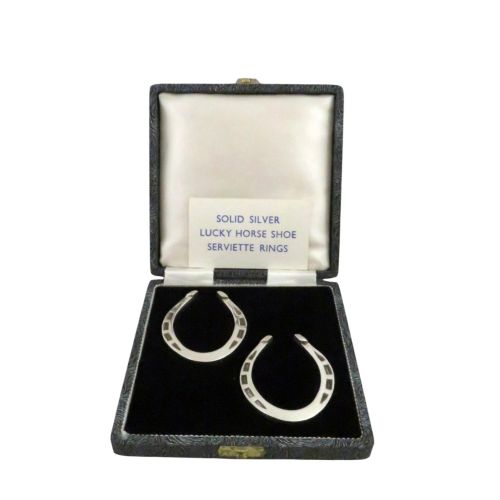
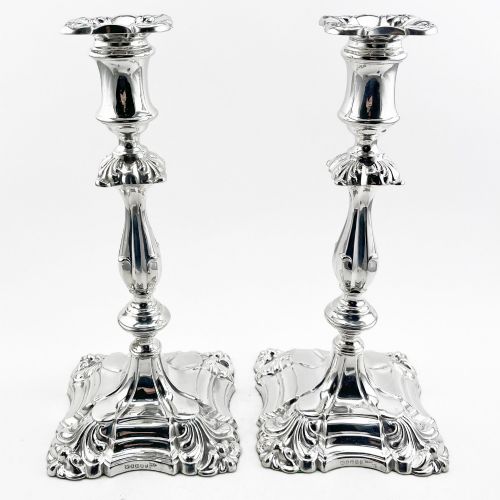
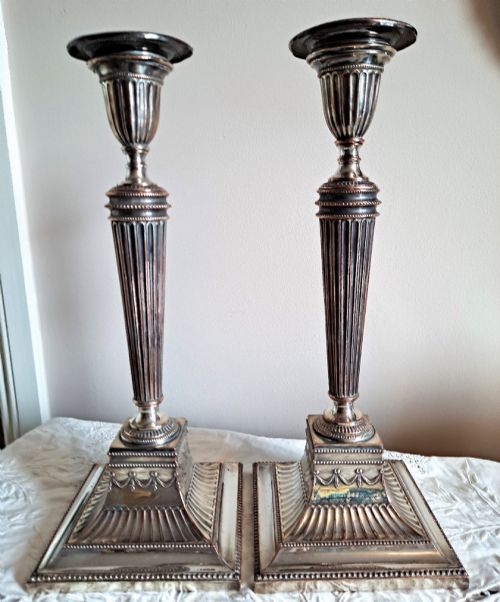
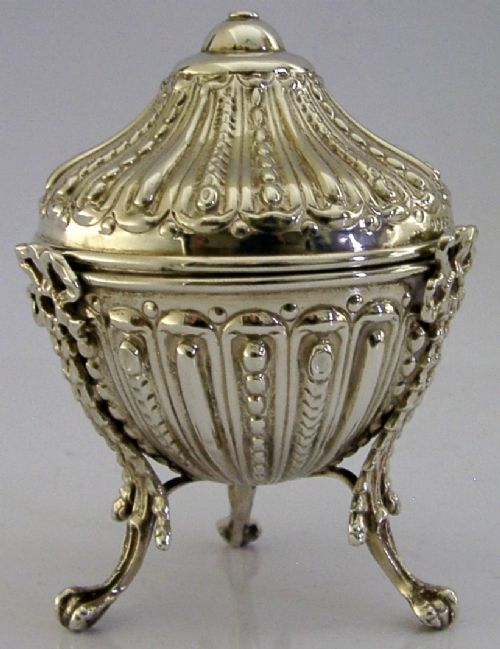
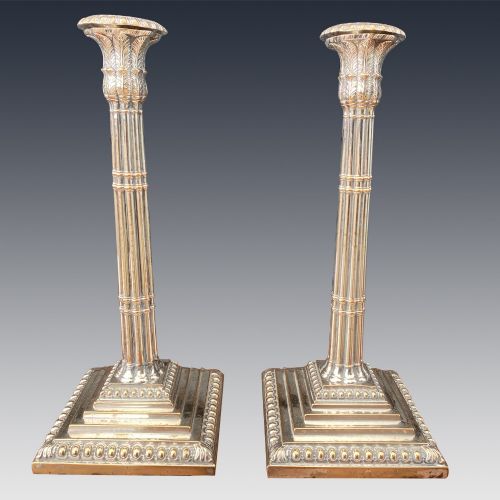
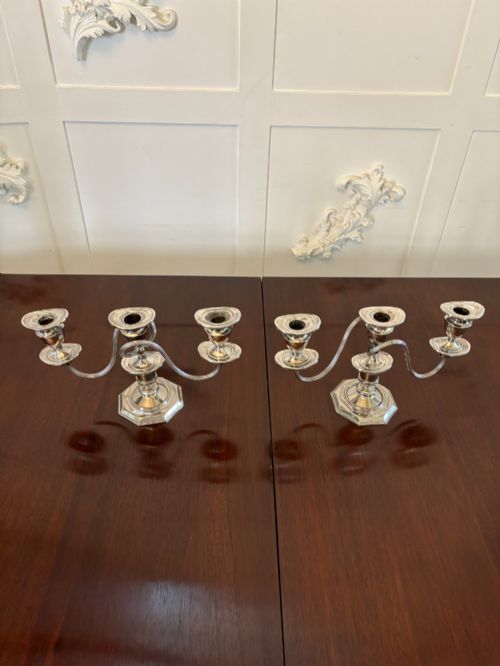
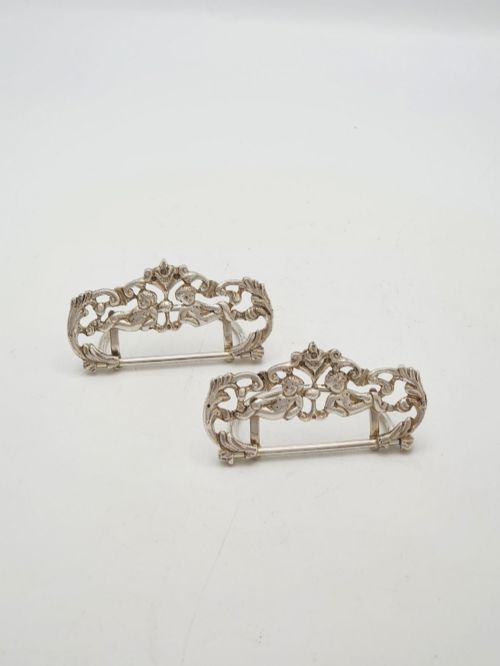
Items associated with antique silver decor comprise tableware and desk accessories such as napkin rings, candlesticks, menu holders, place card holders, and vases.
Objects originate from diverse domestic and continental European workshops, spanning late Victorian, Edwardian, and Art Deco periods alongside mid-century pieces.
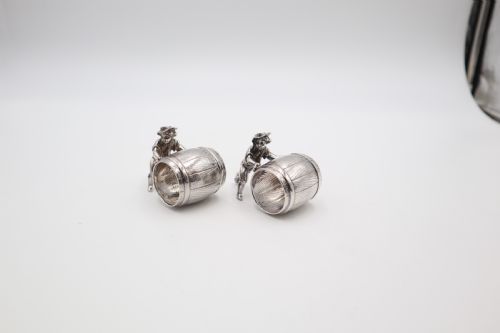
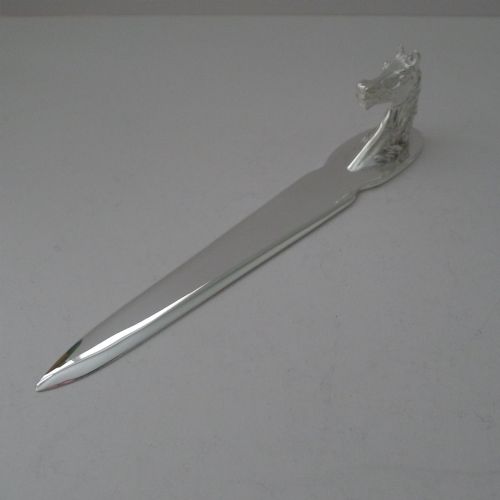
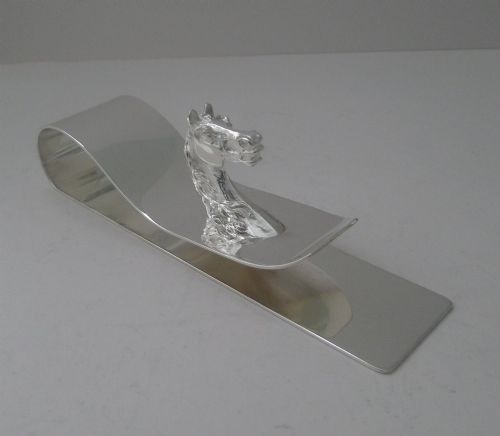
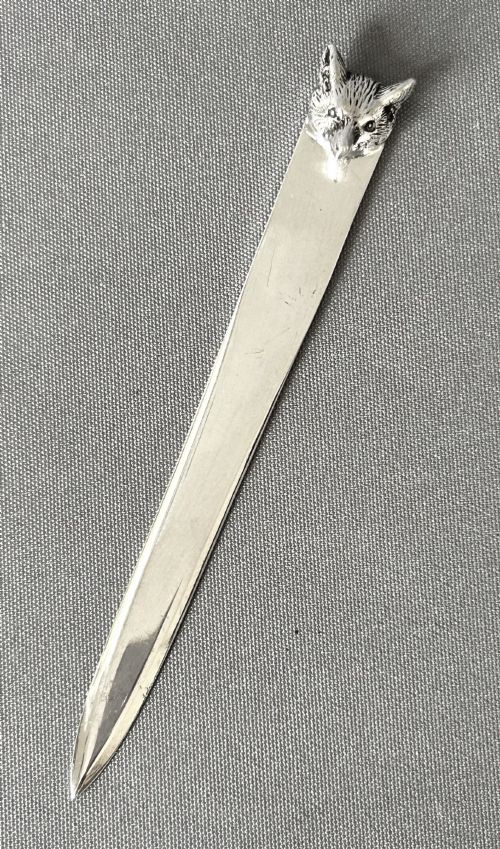
Table ornaments and novelty items shaped as animals or figures appear frequently among the selections encountered in this category.
Materials and Construction
Makers utilise sterling silver, silver plate, and white metal alongside supportive structural elements of wood, glass, and leatherette.
Decorative detailing incorporates wheel carving, enamel, tortoiseshell, and agate mounted directly into the metalwork.
Antique Silver Decor Retail Price Guide 2026
Typical asking prices for silver decor among the pieces listed under this phrase on Sellingantiques today, from the lower quarter to the upper quarter. They describe what is for sale here now, not the wider market.
Materials paired with silver include natural elements such as agate, tortoiseshell, velvet, silk, and wheel-carved glass.
Distinctions in Execution
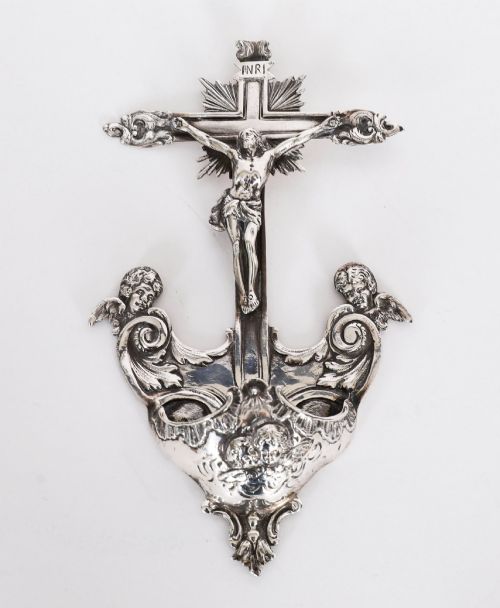
Quality rests upon the clarity of hallmarks, the crispness of chased or cast figurative details like birds and animals, and the integrity of applied mounts.
The balance between decorative ambition and functional utility separates standard production items from pieces bearing specific maker attributions.
Georg Adam Scheid·Liberty and Co·Loetz Witwey·Hermes Paris
The Antique Silver Decor Glossary
- Sterling silver
- A standard alloy consisting of ninety-two point five percent silver by mass, with the remainder comprising copper or other metals. Pieces bear hallmarks indicating assay office and date.
- Silver plate
- A manufacturing method where a thin layer of silver is bonded to a base metal core such as copper or pewter. This technique provided an accessible alternative to solid silver items.
- Menu holder
- A small upright desk or tabletop accessory designed to display printed menu cards during formal dining. These often take figural or architectural forms.
- Place card handler
- A miniature stand or clip intended to hold guest name cards at a dining table. They frequently match the theme of associated tableware.
- Epergne
- A large table centrepiece featuring a central bowl with multiple branching arms supporting smaller hanging baskets or vases. They serve decorative purposes for fruit or flowers.
Antique Silver Decor: Frequently Asked Questions
What are antique silver napkin rings used for?
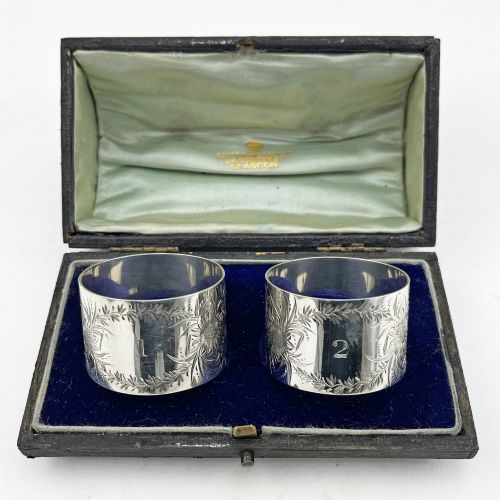
Napkin rings identify individual table linen at formal meals and feature engraved designs, inset stones, or figural motifs.
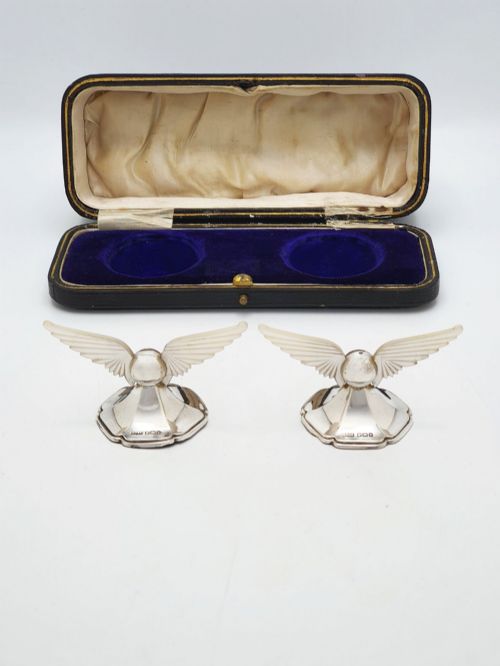
Many examples arrive in fitted cases, indicating they were given as presentation gifts.
How do I identify Edwardian silver decor?
Edwardian pieces date from nineteen naught one to nineteen ten and often display light floral motifs, ribbon swags, and Neoclassical influences.
Assay office stamps and date letters on the sterling silver confirm the exact year of manufacture.
What is the difference between sterling and plated items?
Sterling silver contains a regulated high purity of precious metal throughout its structure and carries official hallmark stamps.
Silver plated items consist of a base metal coated with a thin outer layer of silver.
How do I care for antique silver decor?
Gentle dusting with a soft cloth preserves the metal surface without wearing down delicate engravings or raised details.
Harsh abrasive dips should be avoided to protect organic inserts like tortoiseshell, enamel, and agate.