


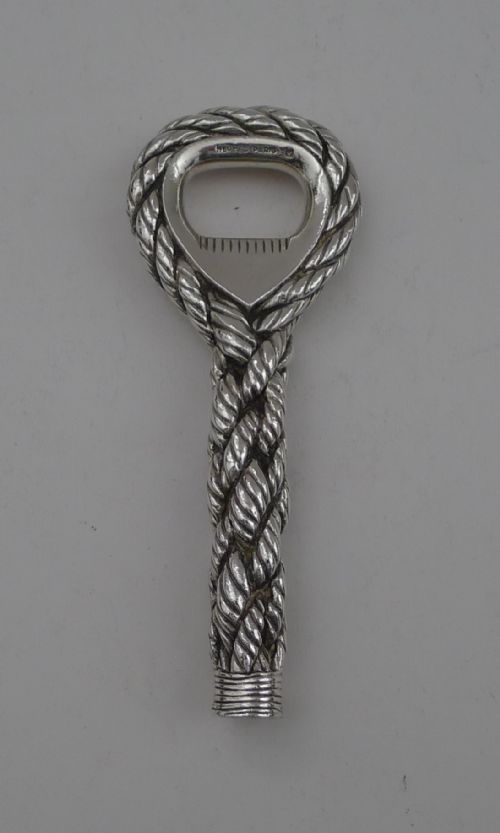


Antique Silver Bar Accessories
These antique silver bar accessories span decades of spirited gatherings, offering enduring craftsmanship and functional elegance for any drinks collection.
Antique Silver Bar Accessories
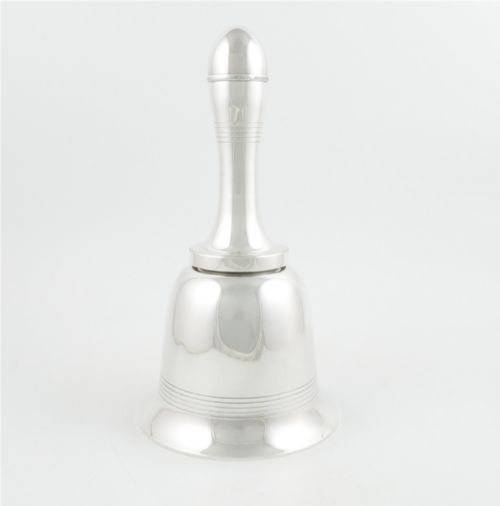
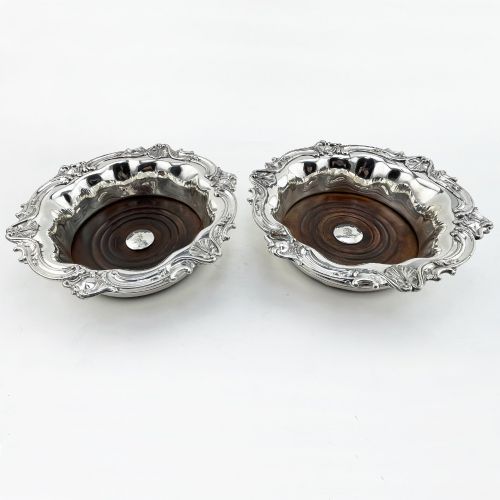
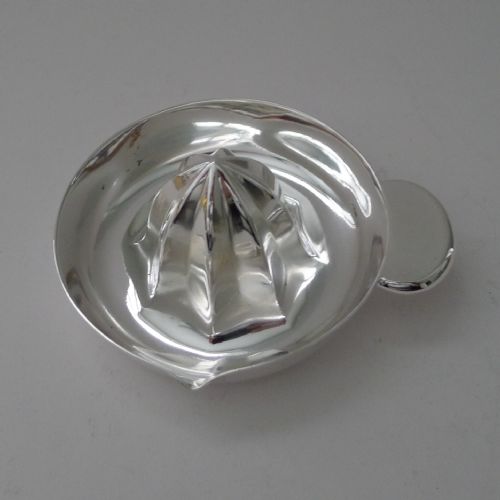
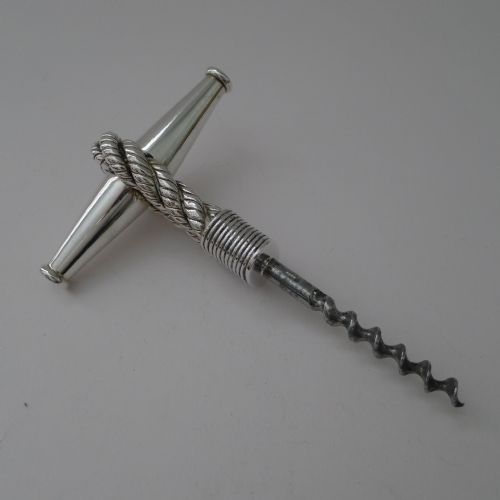
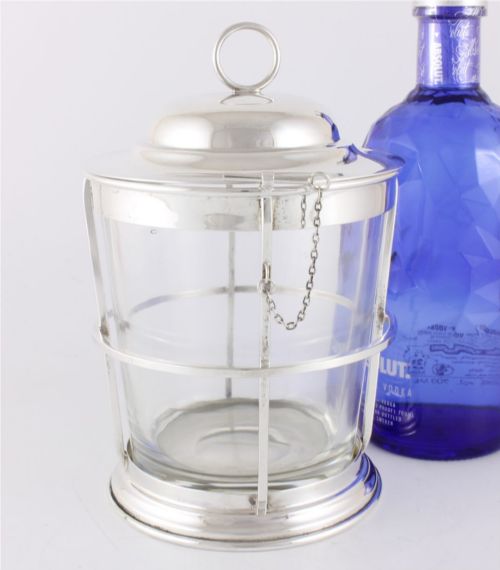
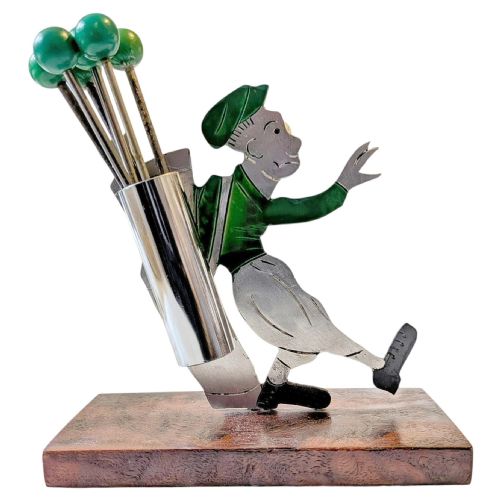
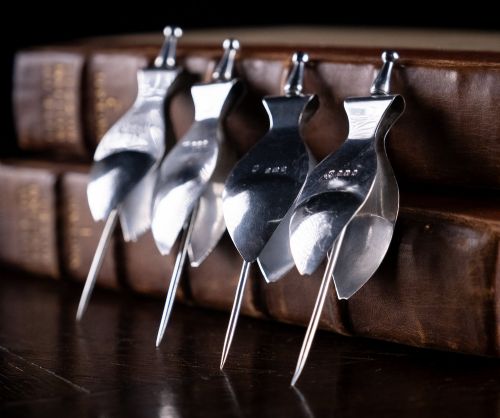
When searching for antique silver bar accessories, buyers encounter a diverse array of items designed for hosting and drink preparation. The selection ranges from cocktail shakers and ice buckets to intricate cocktail sticks, serving trays, and lemon squeezers.
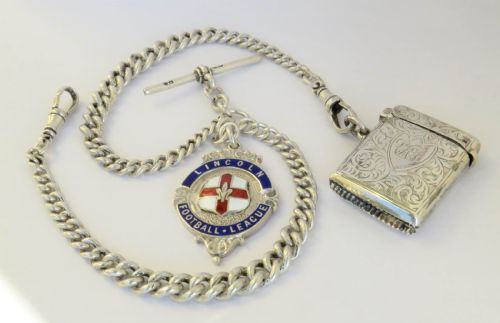
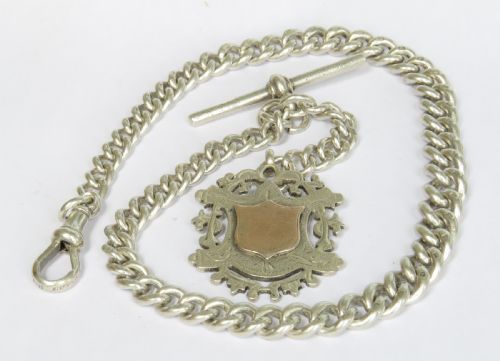
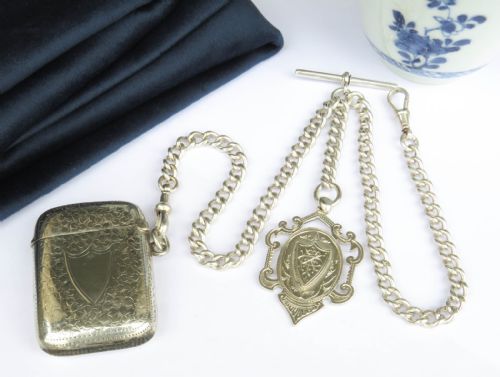
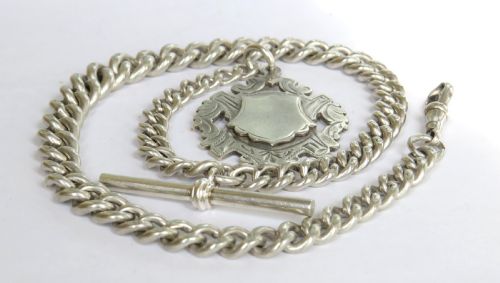
Pieces from the Art Deco period and the 1930s predominate, bringing geometric forms and modernist lines to the drinks trolley. Alongside these, Edwardian and Victorian items provide earlier examples of hosting equipment, while silver pocket watch chains occasionally intermingle within the broader category.
Functionality unites these objects, whether they served to mix drinks in a hotel lounge or present garnishes at a private dinner party. Buyers find both individual bar tools and matched sets designed to coordinate the domestic or commercial bar.
How they were made
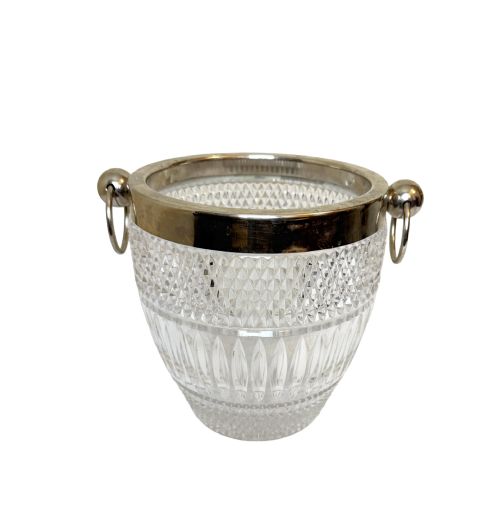
Makers utilised sterling silver, silver plate, and electroplated nickel silver over metal bases to form the body of these pieces, often combining them with glass, wood, chrome, and enamel. Cut crystal and moulded glass frequently pair with silver-plated rims and mounts on ice buckets and shakers.
Surface ornamentation relies on techniques such as enamelling for colourful cocktail stick finials and precise geometric engraving for trays and shakers. Bakelite elements appear on handles and lids, marking the technological shift towards early synthetic materials during the interwar period.
Antique Silver Bar Accessories Retail Price Guide 2026
Typical asking prices for silver bar accessories among the pieces listed under this phrase on Sellingantiques today, from the lower quarter to the upper quarter. They describe what is for sale here now, not the wider market.
The listings span periods from the nineteenth century through the 1950s, with a strong concentration of Art Deco designs from the 1920s and 1930s.
What varies in quality
The distinction between standard utility items and finer pieces lies in the weight of the metal and the integrity of the construction. Substantial gauge silver plate and solid sterling silver maintain their structural form better over decades of use and polishing.
Sudre·PH Vogel·Richard Comyns·Hukin & Heath·Keith Murray·J. B. Chatterley & Sons·James Dixon & Sons·Asprey·William Suckling·Angelletti·C S Green & Co
The Antique Silver Bar Accessories Glossary
- Silver Plate
- A thin layer of silver bonded to a base metal core such as copper or nickel silver. This technique allowed makers to produce robust and visually appealing barware at a lower cost than solid sterling silver.
- Electroplated Nickel Silver
- A copper, nickel, and zinc alloy coated with a layer of pure silver through an electrolytic process. It served as a durable foundation for heavy-use items like cocktail shakers and trays.
- Bakelite
- An early thermosetting plastic valued for its resistance to heat and electricity. It appears frequently in the handles and knobs of mid-century bar sets and shakers.
- Decanter Label
- A small tag suspended by a chain around the neck of a bottle to identify its contents. Edwardian and Victorian examples often feature ornate pierced silver work.
- Vesta
- A small pocket-sized container used for holding matches. These occasionally appear alongside pocket watch chains in mixed antique collections.
Antique Silver Bar Accessories: Frequently Asked Questions
How do I clean antique silver barware?
Use a soft microfibre cloth and a gentle, non-abrasive silver polish formulated specifically for plated or sterling items. Avoid harsh scrubbing that might wear away thin silver plating or damage enamel and glass components.
Take care around Bakelite or wooden handles, keeping moisture away from joints and organic inserts. Rinse thoroughly with lukewarm water and dry immediately to prevent water spots.
Were these items meant for home use?
Many pieces served in both domestic drawing rooms and commercial establishments like hotel bars and ocean liners. Items such as heavy cocktail shakers and recipe shakers were designed to withstand frequent professional handling.
Matching trays, ice buckets, and cocktail stick sets often belonged to affluent households equipped for hosting cocktail parties during the interwar period.
How do I date an Art Deco cocktail shaker?
Look for stylistic cues such as stepped geometric motifs, streamlined cylindrical bodies, and the presence of Bakelite accents. Many shakers from this era bear maker marks or patent numbers on the base.
Makers frequently incorporated practical innovations like built-in strainers or revolving recipe bands, which help narrow down the production window to the 1920s and 1930s.
Can I still use these bar accessories today?
Most silver-plated and sterling silver shakers, ice buckets, and tongs remain fully functional for modern cocktail preparation. Ensure that moving parts, internal strainers, and seals are clean and stable before mixing drinks.
Items featuring delicate enamel work or fragile crystal are better suited for gentle display or careful service during special occasions.