



Antique Silver Award
These antique silver award pieces are hard-won symbols of triumph, sport and service that bring tangible history straight to a collector's cabinet.
Antique Silver Award
When you search for an antique silver award, you enter a diverse field spanning military service, sporting victory and agricultural prowess. The pieces range from substantial presentation cups and goblets to intricate medals, medallions and decorative plaques.
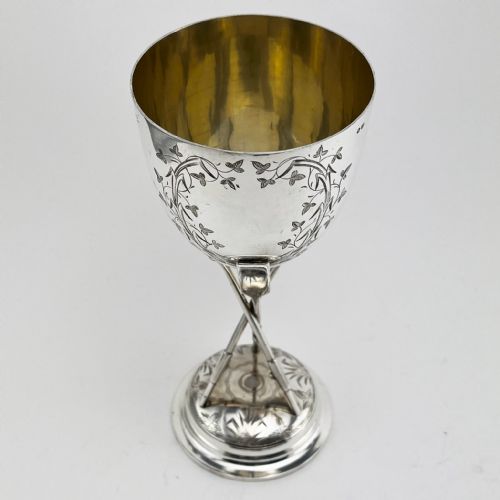
Trophy cups and presentation pieces dominate the larger forms, often engraved with specific dates, clubs and recipient names. Meanwhile, medals and plaques capture moments in curling, football, rowing and bowling from the Victorian, Edwardian and Art Deco eras.
Origins stretch from British provincial silversmiths to colonial workshops in India and export makers in China. This breadth means a collector can choose between a local agricultural show medal and an intricate military service decoration.
How they were made
The physical objects rely primarily on solid sterling silver or silver plate, shaped through casting, hammering and spinning for larger vessels like trophy cups. Medals and medallions utilise struck or pressed techniques, frequently enhanced with fine hand-engraving to record names, dates and events.
Many medals and presentation pieces incorporate secondary materials such as colourful enamel highlights, glass inserts or original mounting ribbons of silk, satin and velvet. These textile and enamel elements demand careful handling to preserve their original integrity alongside the metal.
Materials recorded across the selection include sterling silver, silver plate, enamel, glass, and original silk ribbons.
What varies in quality
Quality rests significantly on the crispness of the hand-engraving and the depth of relief in struck medals or cast trophy handles. Crisp lettering and sharp decorative motifs separate standard mass-produced items from superior workshop output.
The survival of original components, such as silk ribbons on military medals or fitted bases for presentation trophies, dictates the historical completeness of the piece. Maker marks and clear hallmarks further anchor the provenance and substantiate the standard of the metal.
Henry Tatton & Son·David McGregor
The Antique Silver Award Glossary
- Sterling silver
- A silver alloy containing 92.5 percent pure silver and 7.5 percent other metals, usually copper, ensuring durability for awards and vessels. This standard is frequently denoted by traditional hallmarks.
- Silver plate
- A base metal substrate coated with a thin layer of pure silver, utilised for larger presentation plaques and certain economical trophy cups. It offers the visual appeal of solid silver at a different production cost.
- Hallmark
- An official stamp applied by an assay office indicating the purity of the metal, the maker and the year of manufacture. These small marks provide vital clues for dating awards accurately.
- Presentation trophy
- A specially commissioned cup, goblet or plaque given to mark a specific victory, retirement or competitive achievement. They often bear detailed dedications and crests.
- Medallion
- A large medal-shaped award, often worn as a pendant or displayed in a collection rather than pinned to a uniform. They frequently feature sporting motifs in distinct styles like Art Deco.
Antique Silver Award: Frequently Asked Questions
What are antique silver awards?
These pieces are historical presentation items, medals, trophies and plaques issued for military service, sporting triumphs or agricultural exhibitions.
They capture specific moments in time, often bearing detailed engraved inscriptions that name the recipient, event and year of victory.
How should I display medals?
Medals with original silk or velvet ribbons should be kept away from direct sunlight to prevent fading of the fabric.
Mounted display cases help protect delicate enamel work and prevent tarnishing on silver surfaces without requiring constant polishing.
How do I date an award?
Dating relies on reading the hallmarks stamped into the metal, which indicate the specific assay office and year cycle.
Many pieces also feature direct engraved dates commemorating the exact sporting match, military campaign or exhibition year.
Were these awards actually won?
Most pieces record genuine competitive achievements, from rowing and football matches to curling tournaments and bread shows.
The specific naming and dates found on the objects tie them directly to real historical participants and local events.