





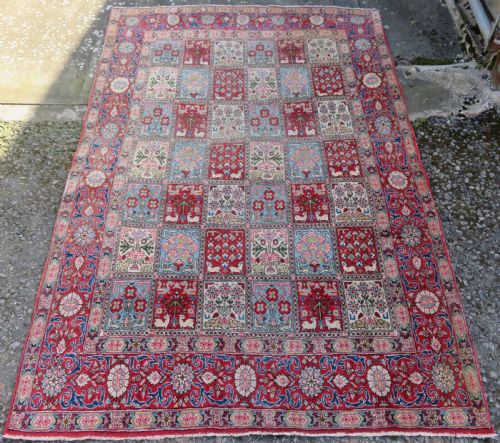


Antique Silk Runner
An antique silk runner brings extraordinary textile artistry into a narrow corridor or beside a bed, offering tactile richness and historic depth.
Antique Silk Runner
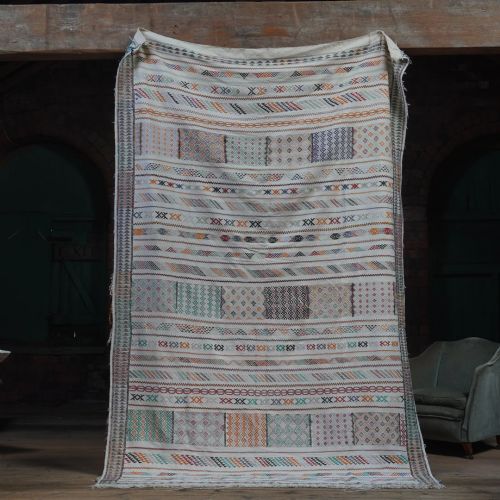
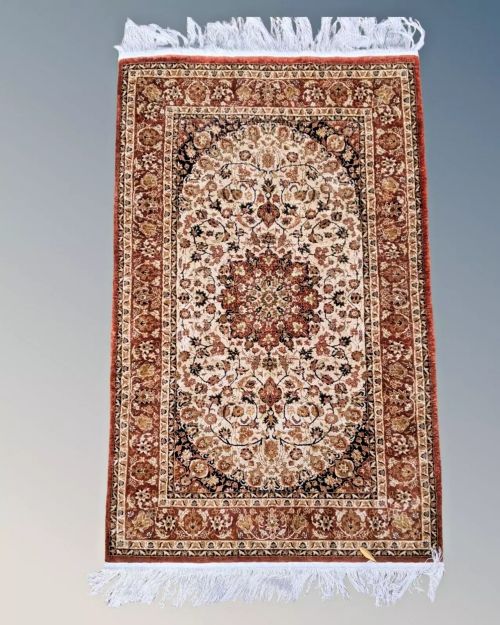
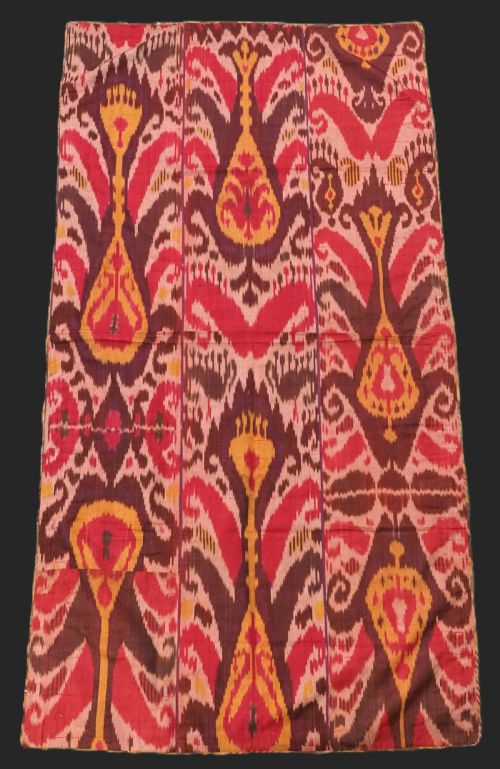
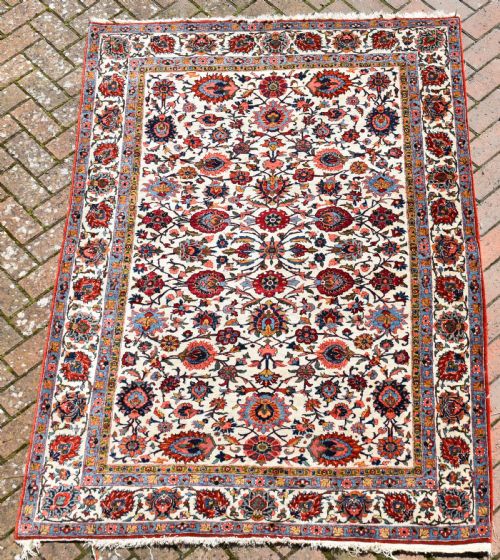
An antique silk runner is an elongated textile featuring fine weaving, embroidery, or pile knots. The selections here include fragments, panels, and carpets from Persia, India, the Ottoman Empire, and Central Asia.
Buyers will encounter various formats spanning the nineteenth and early twentieth centuries. These range from Persian Kashan and Qum pieces to Uzbek ikat panels and Ottoman embroidered fragments.
The materials vary across these narrow textiles, pairing silk with wool, cotton, velvet, and metallic thread. Such compositions create striking linear displays suited to traditional and modern interiors alike.
Materials and construction
The construction of these pieces relies on hand-weaving and careful embroidery techniques. Artisans utilised silk alongside wool and cotton foundations to build durable yet lustrous surfaces.
Many examples incorporate metallic threads and velvet or felt grounds to add texture and dimension. These materials interact under changing light, highlighting the depth of the traditional patterns.
Antique Silk Runner Retail Price Guide 2026
Typical asking prices for silk runner among the pieces listed under this phrase on Sellingantiques today, from the lower quarter to the upper quarter. They describe what is for sale here now, not the wider market.
Listings span the nineteenth and early twentieth centuries, featuring origins from Persia, India, and Central Asia.
Judging quality in textile weaving
Quality reveals itself in the tightness of the knotting or the precision of the needlework. Finer execution in silk yields sharper pattern definition and greater resilience in the pile or embroidery.
The complexity of the regional design, from tile patterns to floral motifs, distinguishes standard workshop output from exceptional examples. Integrity of the foundational material also dictates the longevity of the textile.
The Antique Silk Runner Glossary
- Adras
- A traditional Central Asian fabric woven with a silk face and a cotton backing. This hybrid technique combines lustrous appearance with structural stability.
- Khotan
- A regional style originating from East Turkestan known for distinctive border designs and unique colour palettes. These rugs often blend Chinese and Islamic artistic influences.
- Rasht embroidery
- A traditional Persian textile technique involving applied wool felt pieces decorated with fine chain-stitch embroidery in silk. It creates a tactile, layered surface.
- Kelleh
- A long, narrow format of carpet traditionally suited for specific spaces within a room. The proportion resembles the elongated shape of a modern runner.
- Prayer rug
- A small textile featuring a mihrab design used for ritual Islamic prayer. These pieces are often distinguished by architectural arches and directional motifs.
Antique Silk Runner: Frequently Asked Questions
How do I care for an antique silk runner?
Protect the textile from direct sunlight to prevent fading of the delicate silk fibres and natural dyes. Vacuum gently using a suction-only attachment without a beater bar.
Rotate the runner periodically to ensure even wear across high-traffic pathways. Professional textile cleaning is recommended when required.
Where should I place a runner in my home?
These narrow textiles are traditionally suited for hallways, corridors, and entryways where floor space is limited. They also work effectively alongside a bed or in narrow gallery spaces.
Ensure you use a quality rug underlay to prevent slipping and reduce friction between the silk and the floorboards.
How can I tell the origin of these textiles?
Origin is determined by examining the specific motifs, colour combinations, and structural techniques employed in the weave or embroidery. Persian, Ottoman, Indian, and Central Asian pieces each display distinct regional signatures.
Boarders, floral structures, and material combinations provide further clues to geographic provenance.