



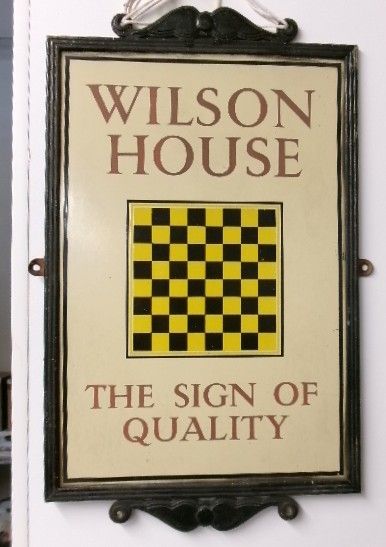





Antique Sign Plaque
An antique sign plaque brings character and history directly to a wall, offering authentic commercial, railway or architectural heritage for the home.
Antique Sign Plaque
An antique sign plaque encompasses a diverse array of wall-mounted items, including advertising signs, street names, railway notices, and decorative metal or wooden markers. These pieces originate from various contexts such as Victorian railway stations, early twentieth-century commercial businesses, and domestic trades.
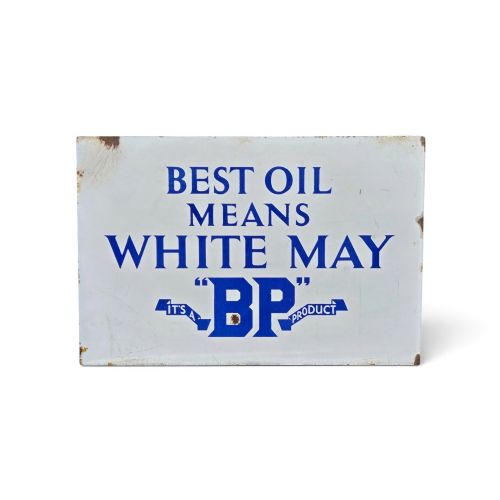
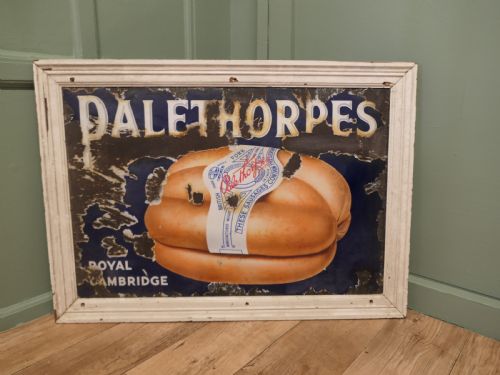
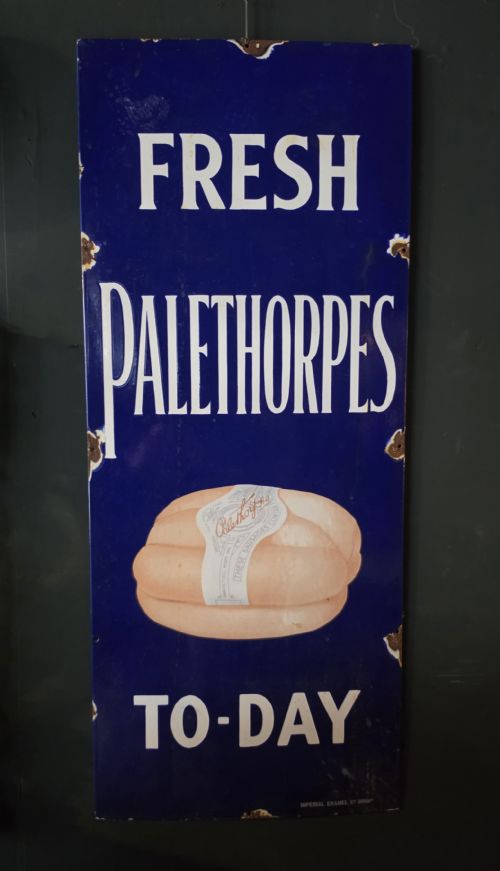
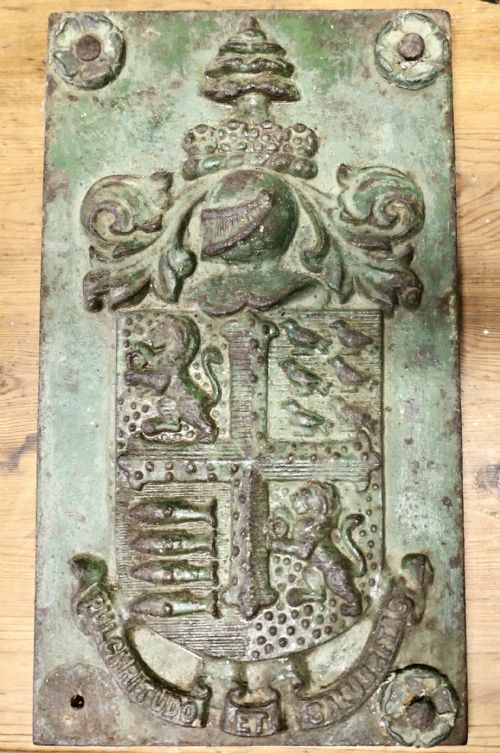
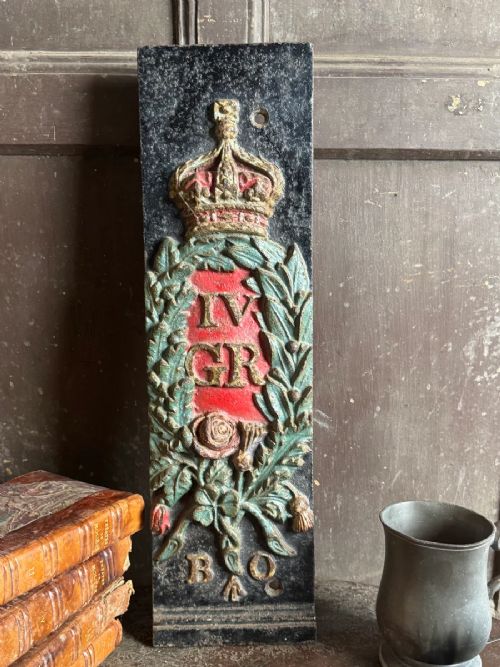
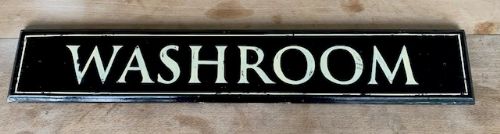
The selections available range from large double-sided enamel petroleum advertisements and pictorial sausage boards to cast iron armorial panels and hand-painted wooden washroom markers. Buyers frequently encounter pieces originating from the nineteenth century through the 1930s, reflecting industrial, Edwardian, and Art Deco design aesthetics.
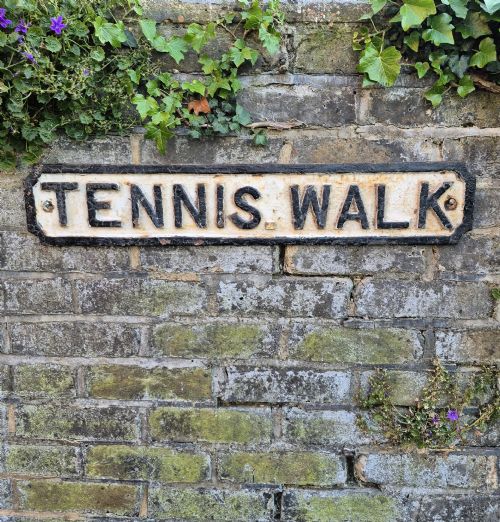
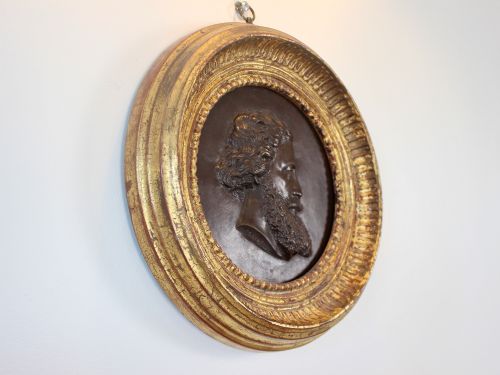
Forms vary from curved exterior brass signage and vitriolite glass street plates to intricately framed porcelain portraits and beaten copper panels. This category serves those seeking tangible remnants of past commerce, municipal infrastructure, and traditional craftsmanship.
How they were made
Makers utilised robust materials suited to both indoor and outdoor environments, frequently employing cast iron, sheet metal, and heavy iron coated in vitreous enamel to withstand the elements. Enamelling involved fusing powdered glass to metal under high heat, creating durable surfaces that preserved bright lettering and pictorial graphics.
Wooden and brass examples relied on traditional carpentry, casting, and hand-painting techniques, often incorporating carved details, reverse glass painting, or applied mother-of-pearl lettering. Porcelain and bronze plaques demonstrated fine artisanal skill through detailed portraiture, delicate firing processes, and careful metal patination.
Antique Sign Plaque Retail Price Guide 2026
Typical asking prices for sign plaque among the pieces listed under this phrase on Sellingantiques today, from the lower quarter to the upper quarter. They describe what is for sale here now, not the wider market.
A painted locomotive sign shares space with a polite request to shut the door.
What varies in quality
The degree of preservation and the crispness of the original graphics dictate the merit of an antique sign plaque, particularly on enamel and painted iron advertising pieces where weathering alters legibility. Superior examples retain their original mounting flanges, intact frames, or uncompromised vitreous surfaces without heavy restoration.
Artisanal depth distinguishes standard utility markers from exceptional works, such as hand-signed porcelain portrait plaques, intricate Japanese cloisonne chargers, or heavy bronze castings by known modellers. The strength of the typography, the complexity of the pictorial design, and the integrity of the materials separate ordinary utility items from superior decorative specimens.
The Antique Sign Plaque Glossary
- Vitreous enamel
- A material made by fusing powdered glass to a metallic substrate at high temperatures, providing a glossy, weather-resistant finish common on early commercial signage.
- Mounting flange
- A projecting flat rim or collar on a metal sign designed for securing the piece perpendicularly to a wall or building facade.
- Vitriolite
- An opaque, pigmented structural glass popular in the early twentieth century for exterior shop fronts and architectural signage.
- Cloisonne
- An ancient technique for decorating metal object surfaces by adding compartments partitioned with thin wires and filled with coloured enamel paste.
- Armorial
- Relating to heraldry or bearing a coat of arms, frequently seen on cast iron or carved wooden plaques denoting municipal or institutional authority.
Antique Sign Plaque: Frequently Asked Questions
Where were antique sign plaques originally displayed?
These pieces historically hung outside commercial shops, railway stations, municipal buildings, and domestic spaces to convey directions, trade services, or corporate identity.
Outdoor examples endured weather exposure on building facades and platforms, while finer porcelain and bronze plaques remained protected inside offices and drawing rooms.
How do I hang a heavy cast iron plaque safely?
Heavy iron and bronze pieces require direct anchoring into wall studs or masonry using appropriate mechanical fixings that match the weight of the specific plaque.
Wall brackets and original mounting flanges should be utilised where present to distribute the load evenly across the mounting surface.
How can I tell the period of an enamel sign?
Dating relies on typography styles, manufacturing techniques, brand histories, and the weight of the metal base plate used by the manufacturer.
Early twentieth-century and interwar pieces often display distinct commercial graphics, vibrant vitreous enamel colours, and specific corporate branding.
Can outdoor metal signs be cleaned safely?
Gentle washing with mild soap and water removes surface dirt without damaging fragile painted or enamelled surfaces.
Harsh chemical abrasives and wire brushes should be avoided entirely to preserve the original patina and underlying metalwork.