



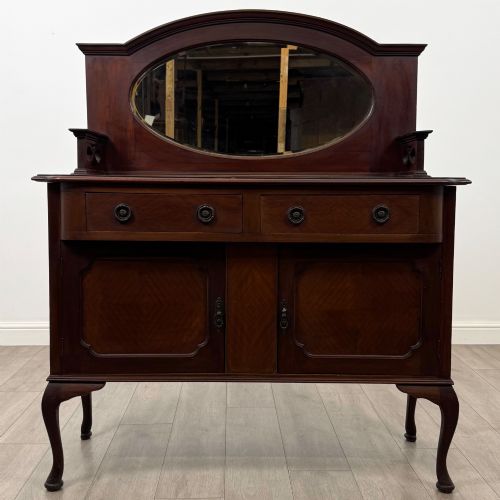
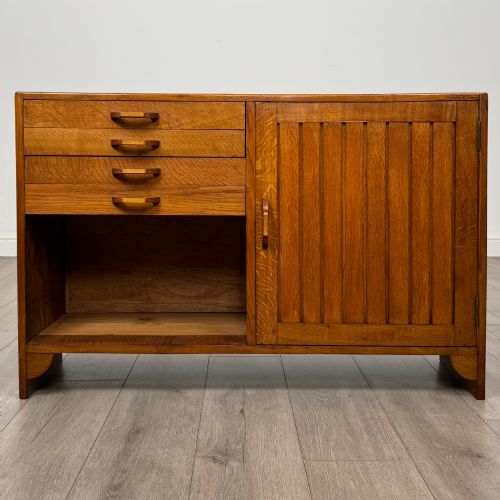
Antique Sideboard Unit
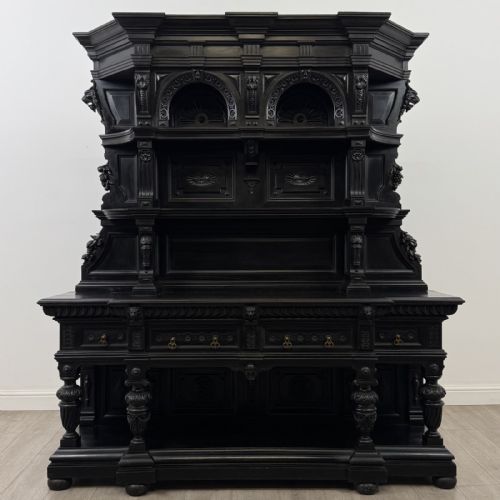
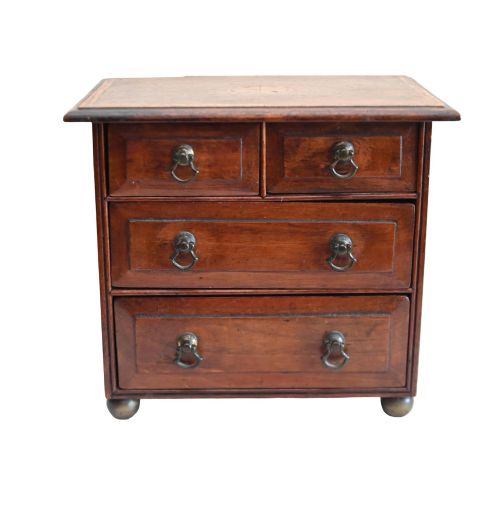
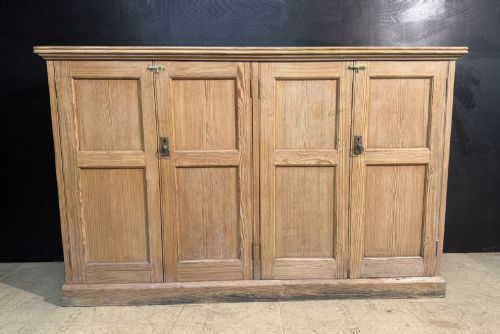
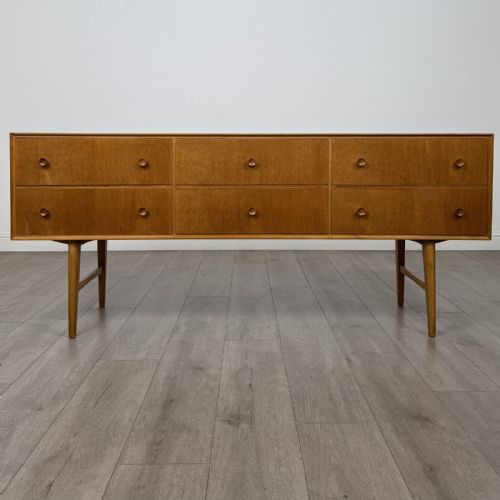
These antique sideboard unit examples span from Georgian oak pieces to Edwardian mahogany designs, offering substantial storage and formal dining room presence.
Antique Sideboard Unit
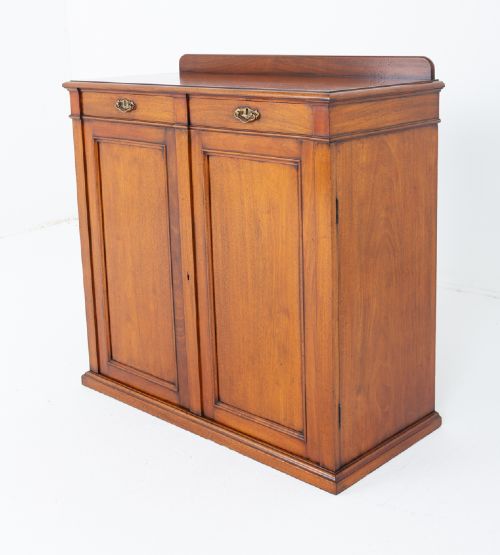
When you search for an antique sideboard unit, you encounter a variety of forms including large oak buffets, mahogany chiffoniers, and pine dressers dating from the eighteenth century through to the early twentieth century.
The pieces on this page lean heavily towards Victorian and Edwardian examples, alongside Georgian country pieces and Arts and Crafts oak designs.
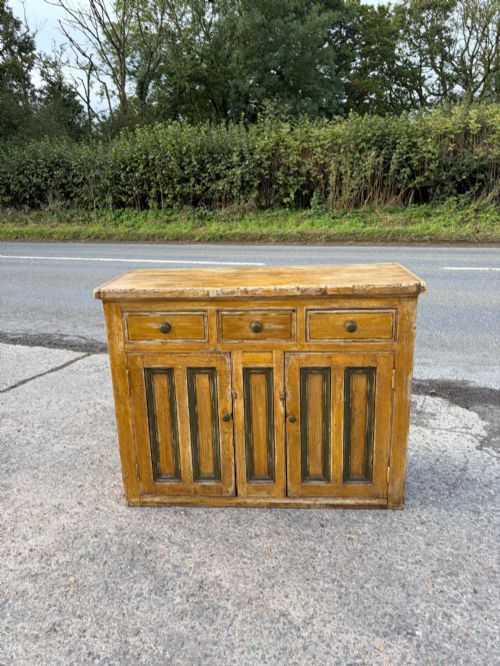
Makers such as Liberty & Co, Gillows, and Shapland & Petter appear among the listings, alongside robust kitchen dressers and housekeepers cupboards in pine.
Materials and construction
Cabinet makers utilised dense hardwoods like mahogany, walnut, and oak, alongside utilitarian softwoods such as pine for kitchen and housekeepers cupboards.
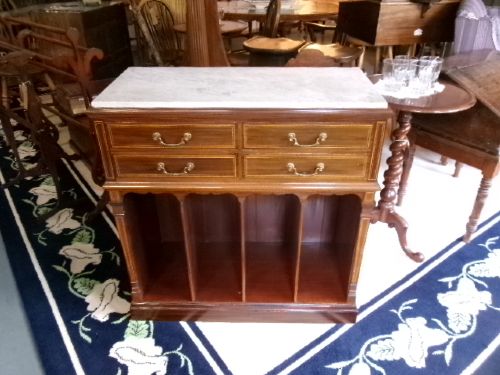
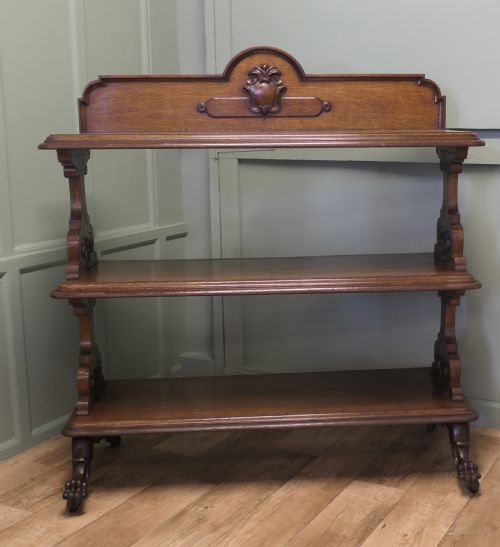
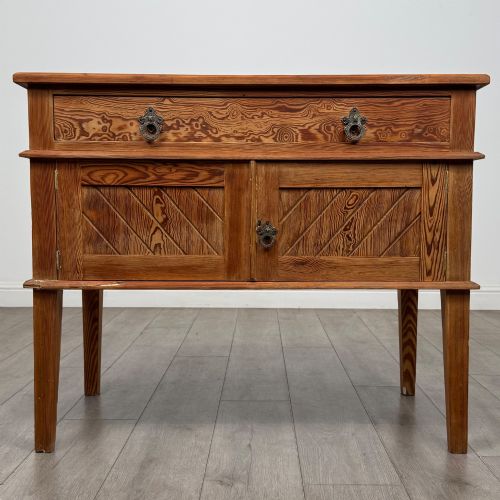
Construction details involve brass handles, mirror backs, marble tops on washstands, and carved decorative elements including lion masks.
Finishes range from waxed pine to polished rosewood and ebonised timber, reflecting both formal dining room standards and country utility.
Antique Sideboard Unit Retail Price Guide 2026
Typical asking prices for sideboard unit among the pieces listed under this phrase on Sellingantiques today, from the lower quarter to the upper quarter. They describe what is for sale here now, not the wider market.
Listings feature woods spanning mahogany, oak, walnut, rosewood, satinwood, and pine across Victorian and Edwardian periods.
Judging the standard
Quality rests in the selection of timber grain, whether figured mahogany or quarter-sawn oak, and the integrity of the original construction.
Carved details, such as those found on Victorian buffets and Arts and Crafts sideboards, show varying degrees of depth and hand-carved precision.
Fittings like brass face handles and original castors distinguish superior pieces from standard utilitarian storage.
Liberty & Co.·Gillows·Shapland & Petter
The Antique Sideboard Unit Glossary
- Buffet
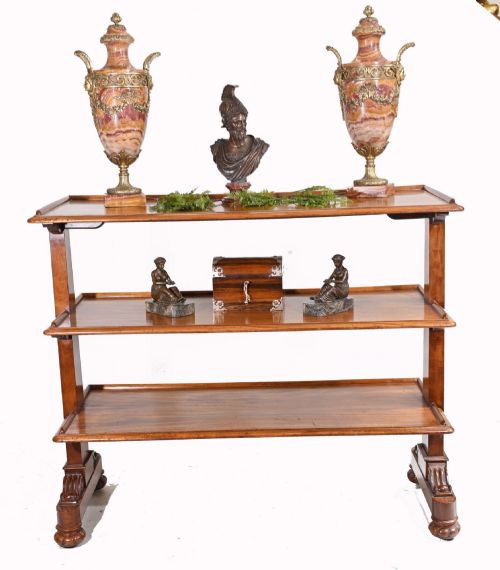
- A sideboard or low storage cabinet designed for serving food and displaying tableware. These pieces often feature tiered shelving.
- Chiffonier
- A compact sideboard or low cupboard developed in the nineteenth century. They frequently incorporate enclosed lower storage and upper display shelves.
- Washstand
- A small table or cabinet designed to hold a basin and jug. Many examples feature marble tops and tiled splashbacks.
- Housekeepers cupboard
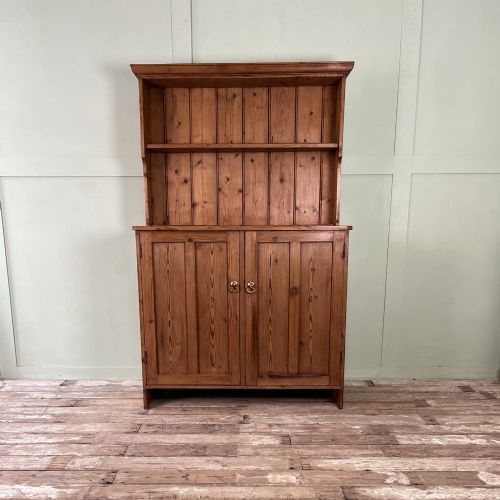
- A tall, large storage cabinet used in domestic service for linens and provisions. They are predominantly built from pine.
- Dresser
- A kitchen or dining room unit combining lower cupboards or drawers with an upper plate rack. Country examples often use oak or pine.
Antique Sideboard Unit: Frequently Asked Questions
Where should I place a sideboard unit?
These pieces suit dining rooms, hallways, and living spaces where substantial storage is required.
Consider the depth of the cabinet and clearance for doors or drawers before placement.
How do I clean waxed pine furniture?
Use a soft cloth and apply a quality beeswax periodically to nourish the timber.
Avoid chemical sprays that strip the traditional wax finish.
What is the difference between a buffet and a sideboard?
Buffets typically feature tiered shelving surfaces designed for serving dishes.
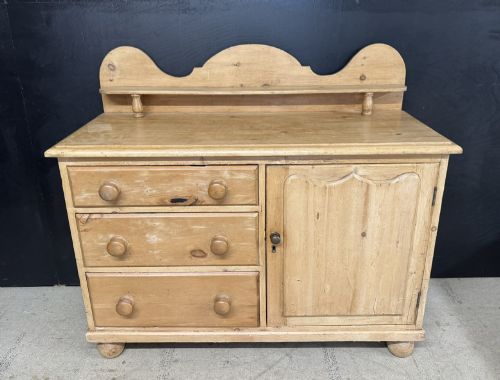
Sideboards generally offer a flat top surface with a combination of cupboards and drawers.
Can I use a washstand as a bathroom vanity?
Marble top washstands adapt well to modern bathrooms as washbasin surrounds.
Ensure proper sealing of the timber against moisture exposure.