


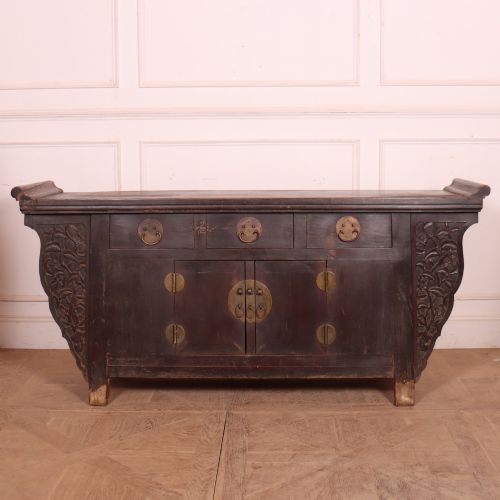


Antique Sideboard Boxes
Antique sideboard boxes bring practical dining storage and tabletop refinement into a room, spanning compact cutlery containers and miniature cabinets.
Antique Sideboard Boxes
Antique sideboard boxes comprise specialised table storage designed for dining service, formal cutlery and precious items. These pieces sit directly upon furniture surfaces or function as miniature cabinets and chests.
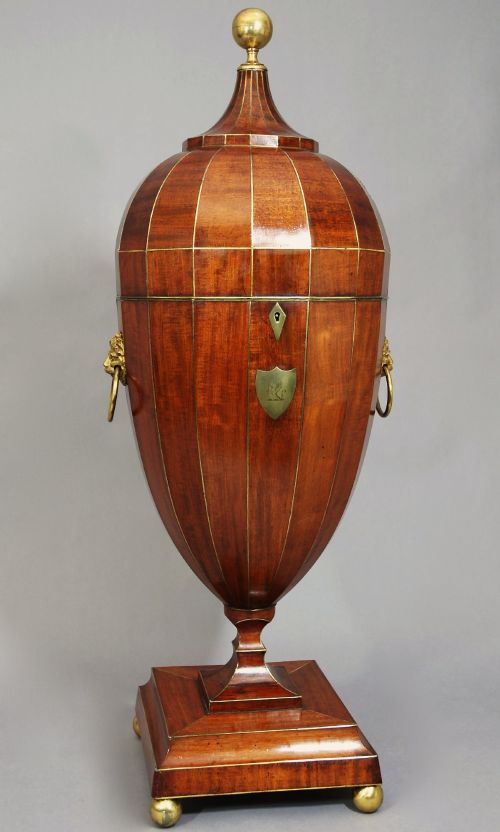
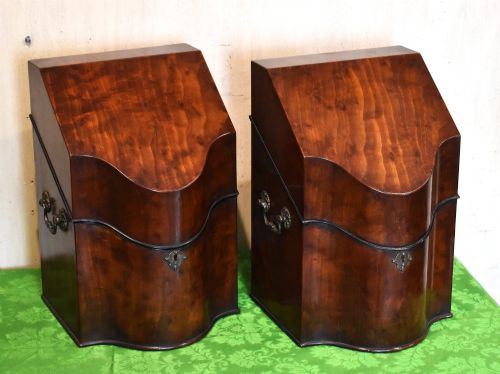
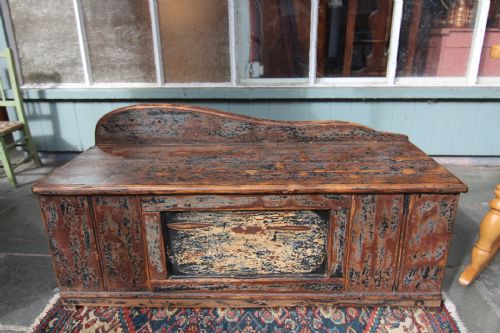
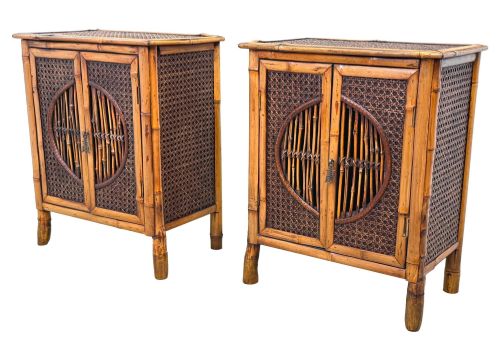
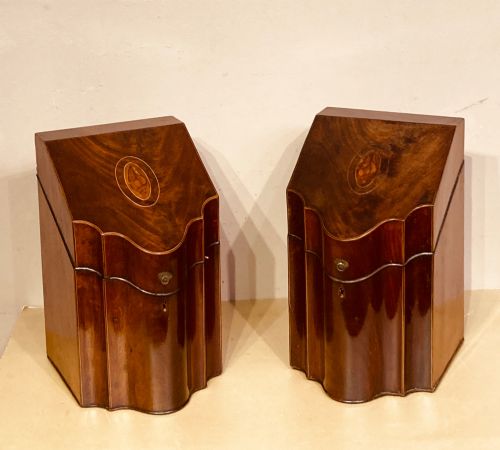
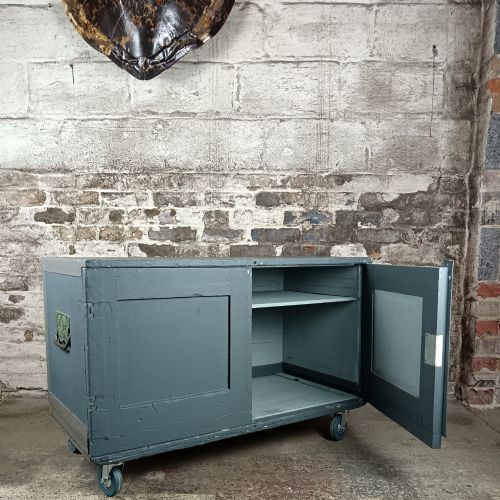
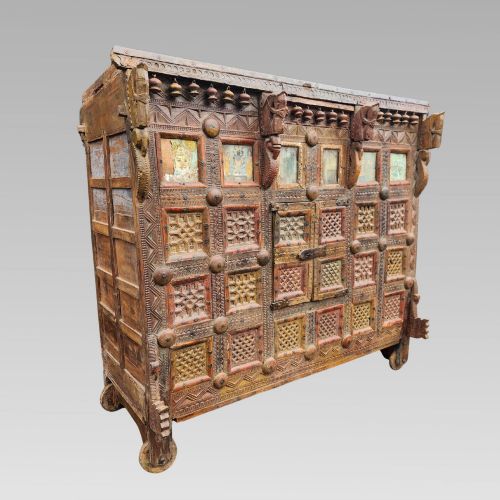
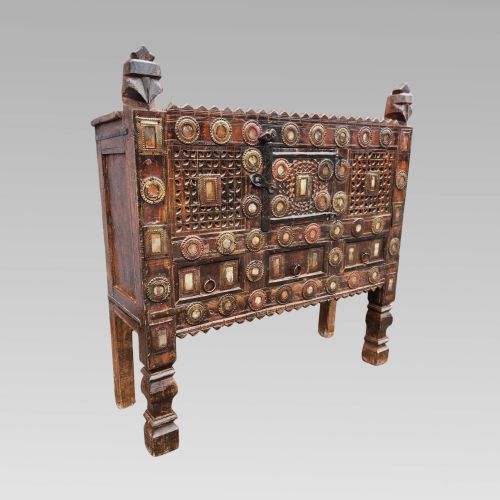
The selections encountered here span Georgian and Victorian periods, featuring mahogany knife boxes, lidded cutlery urns and miniature sideboards alongside oak cupboards and inlaid tea caddies.
Makers designed these items for refined domestic interiors, utilising durable timbers to house silver cutlery, documents and table accessories securely near the dining area.
How they were made
Cabinet makers constructed these boxes primarily using dense hardwoods such as mahogany, walnut and oak, often incorporating contrasting stringing like boxwood and satinwood for decorative inlay. Carpenters shaped serpentine fronts, sloping lids and curved urn bodies with careful joinery.
Metal fittings played a crucial role in construction, with brass handles, hinges, locks and solid silver mounts securing the moving parts. Polished timber surfaces received wax finishes to highlight the natural grain and deep patina of the wood over centuries.
Antique Sideboard Boxes Retail Price Guide 2026
Typical asking prices for sideboard boxes among the pieces listed under this phrase on Sellingantiques today, from the lower quarter to the upper quarter. They describe what is for sale here now, not the wider market.
What varies in quality
The highest quality examples exhibit exceptional timber selection with rich figuring and matching grain patterns across lid and body panels. Superior craftsmanship shows in the precision of inlaid stringing, tight dovetail joints and original working brass hardware.
Design sophistication separates standard storage from superior items, particularly in pieces featuring serpentine contours, specialised fitted interiors for cutlery, or matching pairs that maintain balanced proportions.
The Antique Sideboard Boxes Glossary
- Knife box
- A specialised lidded container designed to hold dining cutlery upright or flat within a fitted interior, frequently featuring a sloping lid and serpentine front.
- Cutlery urn
- A tall, vase-shaped wooden vessel utilised for storing table knives or spoons upon a sideboard during formal dining services in the eighteenth and nineteenth centuries.
- Miniature sideboard
- A small-scale cabinet or tea caddy mimicking the form and decorative details of full-sized dining room furniture, often used for holding smaller precious items.
- Inlay
- A decorative technique where contrasting woods like boxwood or satinwood are inserted into recesses within the primary timber surface to create geometric patterns.
- Serpentine front
- A furniture contour featuring a gentle, undulating curve that sweeps outward at the centre and inward toward the edges, common in fine Georgian boxes.
Antique Sideboard Boxes: Frequently Asked Questions
How were cutlery boxes used?
Cutlery boxes sat upon sideboards or side tables during the eighteenth and nineteenth centuries to keep dining knives and spoons organised and secure.
The fitted interiors held individual utensils neatly in place until servants retrieved them for formal meals.
How do I date a sideboard box?
Dating relies on examining the timber species, construction techniques like dovetailing, and the style of brass hardware or inlay.
Georgian and Victorian examples display distinct wood choices and decorative motifs characteristic of their specific decades of manufacture.
Where should I place these in my home?
These boxes function well placed atop sideboards, console tables, or chests of drawers in dining rooms and living spaces.
Their compact forms allow them to serve as striking decorative accents while offering practical storage for small items.