
Antique Side Dresser
An antique side dresser brings solid timber construction and historic utility to a room, serving as a low storage base with surface display space.
Antique Side Dresser
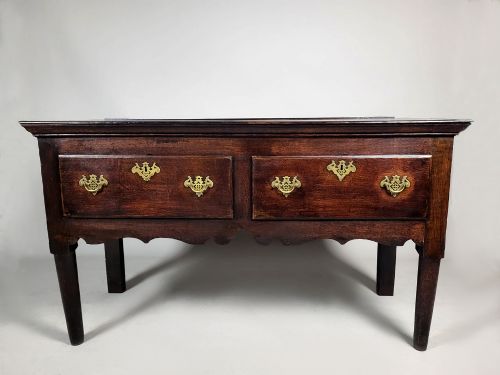
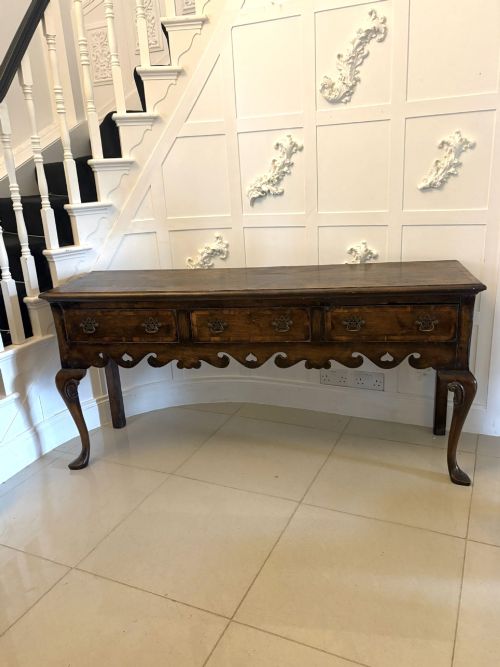
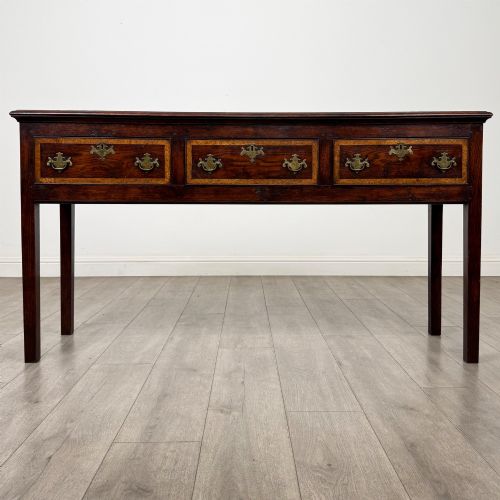
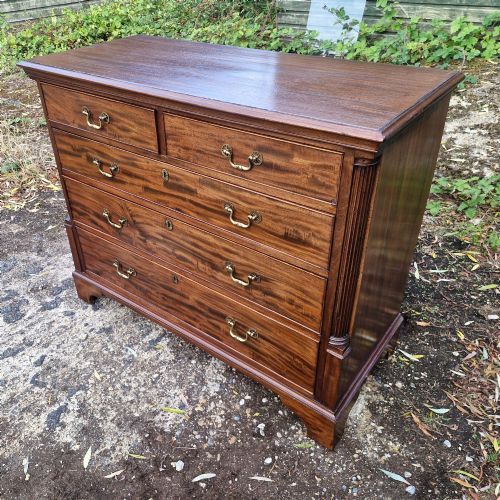
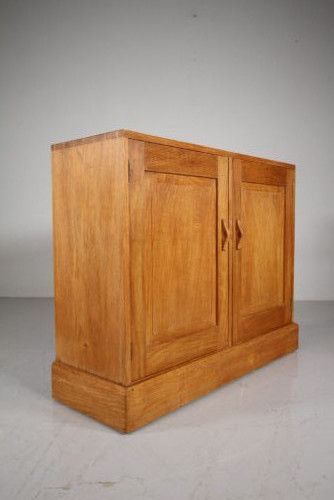
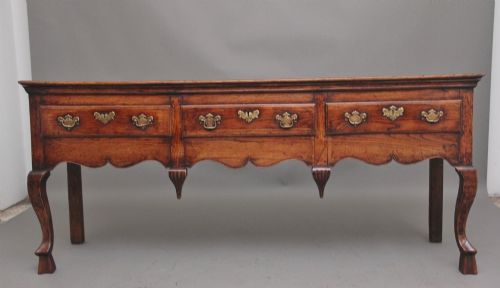
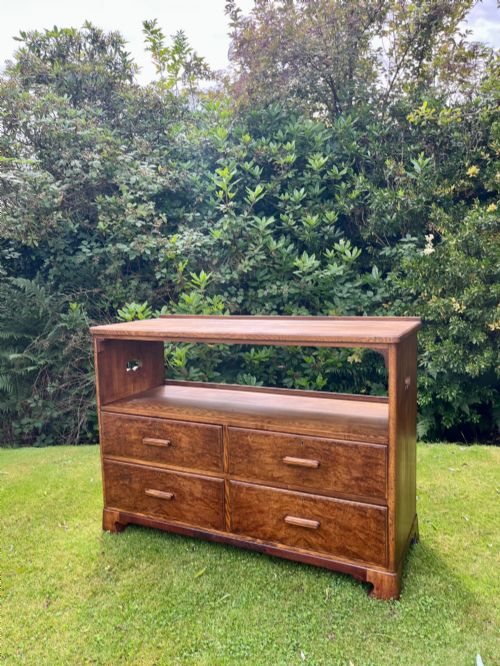
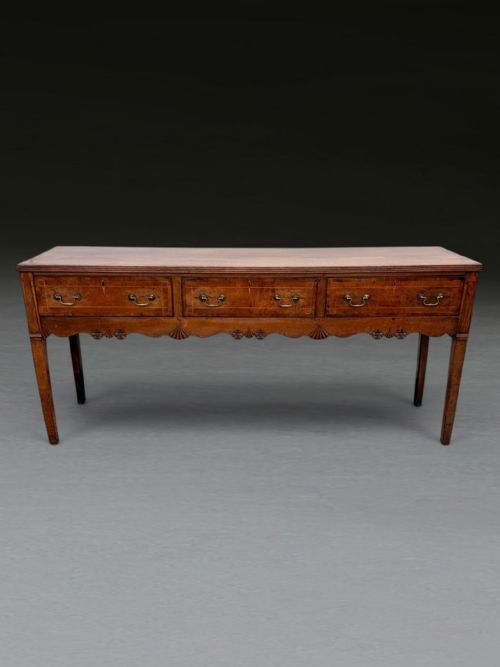
When hunting for an antique side dresser, buyers encounter low horizontal furniture pieces designed for storage and serving, distinct from tall shelved display units. These pieces encompass regional British country furniture, Georgian lowboys, and later revival sideboards.
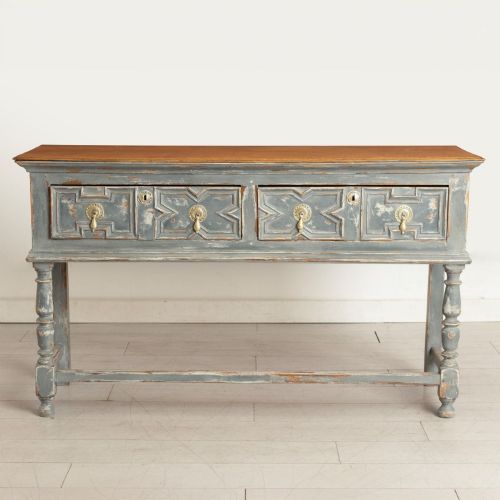
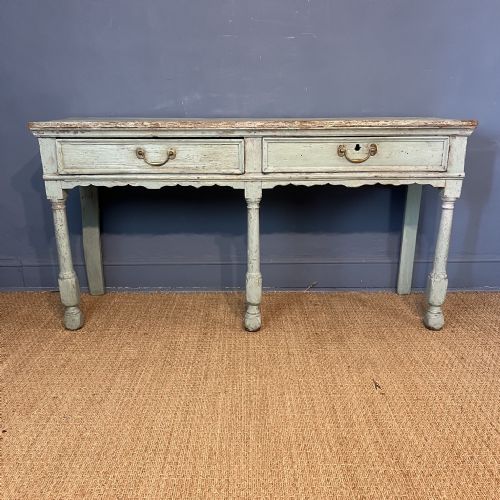
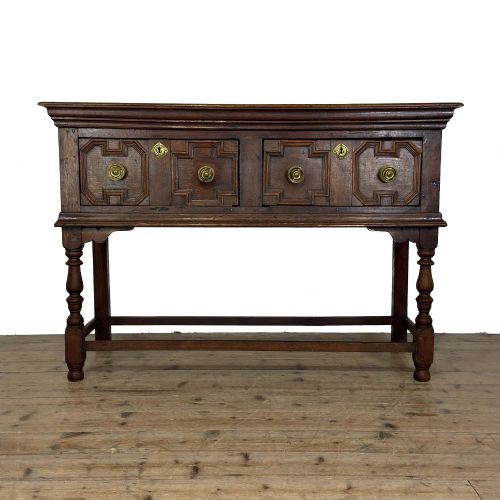
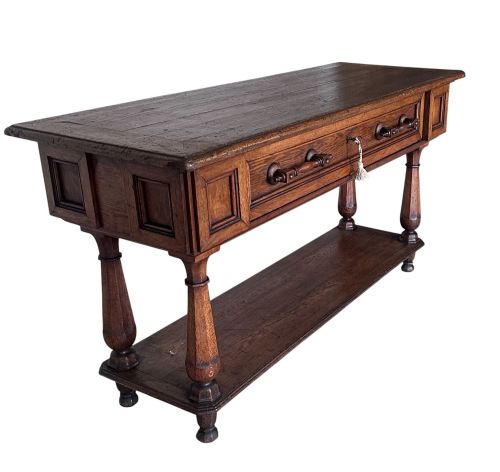
The version most frequently met on this page is the robust oak dresser base, originating from 18th-century workshops or later 19th-century revival periods. These lower storage units often feature multiple drawers above cupboards or open pot boards.
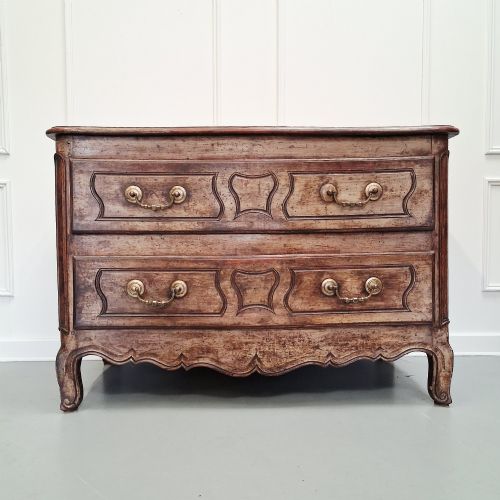
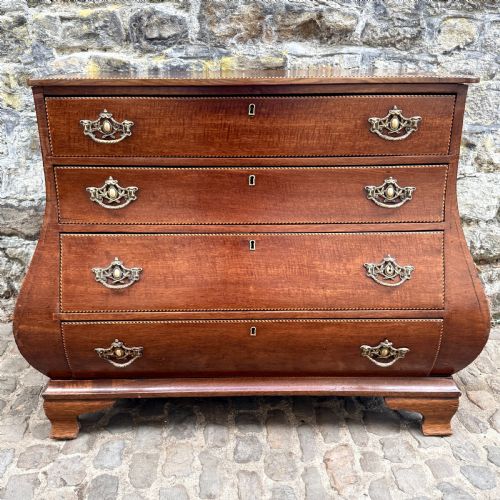
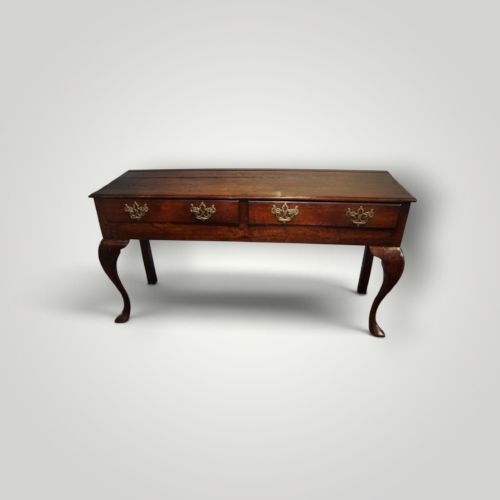
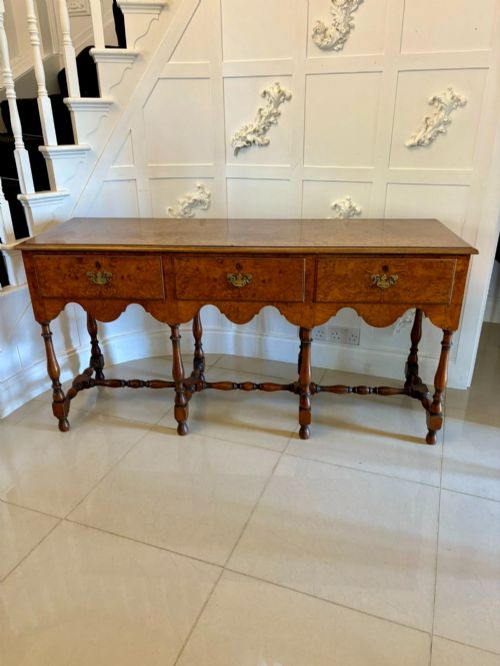
Beyond standard oak variations, the category broadens to include walnut commodes, mahogany serving tables, and pine kitchen pieces. Each offers a specific regional proportion influenced by Georgian and provincial design traditions.
Materials and construction methods
Makers relied heavily on native hardwoods, primarily utilising solid oak, elm, and mahogany for structural longevity and surface durability. Secondary timbers like pine appear frequently in internal drawer linings and backboards.
Joinery methods involved traditional hand-cut dovetails for drawer construction and mortise and tenon frames for stability. Timber panels were often fielded or bevelled to allow for natural seasonal wood movement without splitting.
Early pot boards occasionally double as quiet evidence of past household mice, bearing the faint, nibbled edges of centuries-old pantry storage.
Judging build quality and proportion
The distinction between standard utility items and finer pieces rests upon timber selection and surface patination. Superior examples display carefully matched grain patterns, original brass hardware, and minimal structural alterations over centuries of use.
Proportion and execution of carved details further separate workshop standards. Well-balanced bracket feet, crisp drawer mouldings, and tight joints indicate superior cabinetmaking compared to heavier, poorly proportioned regional variants.
Whytock and Reid·Gillows·Liberty and Co·Heals of London
The Antique Side Dresser Glossary
- Dresser base
- The lower section of a traditional kitchen or dining room dresser, functioning independently as a sideboard or serving table without the upper plate rack.
- Pot board
- An open lower shelf fitted between the legs of a dresser base, historically utilised for storing heavy pots and ceramic vessels.
- Lowboy
- A small, elegant side table featuring drawers, typically raised on cabriole or straight legs and dating from the Georgian period.
- Commode
- A low French or continental storage cabinet with drawers or doors, often finished with marble tops or intricate wood veneers.
- Patina
- The surface sheen and mellow colour developed on antique wood through decades of handling, polishing, and natural oxidation.
Antique Side Dresser: Frequently Asked Questions
What is a side dresser?
A side dresser is a low storage furniture piece combining drawers and cupboards, historically used in dining rooms or kitchens for serving food and storing tableware.
These pieces provide a flat surface top alongside deep under-counter storage, bridging the gap between a sideboard and a traditional high dresser.
How do I date an oak dresser?
Dating relies on examining construction techniques, such as hand-cut dovetails, tool marks on internal timbers, and the style of the hardware.
Early pieces from the seventeenth and eighteenth centuries often feature pegged joints and native oak boards, whereas later revivals incorporate standardised machine sawn elements.
Where were these pieces used?
They originated primarily in country houses, farmhouses, and provincial dining rooms as functional utility furniture for daily domestic life.
Today, buyers place them in modern kitchens, hallways, and living spaces to serve as media consoles or storage credenzas.
What wood was used most?
Oak remains the dominant material found in these listings, reflecting the abundance of native British timber used by regional cabinetmakers.
Walnut, mahogany, and pine also appear across specific periods, particularly in refined Georgian pieces or continental commodes.