


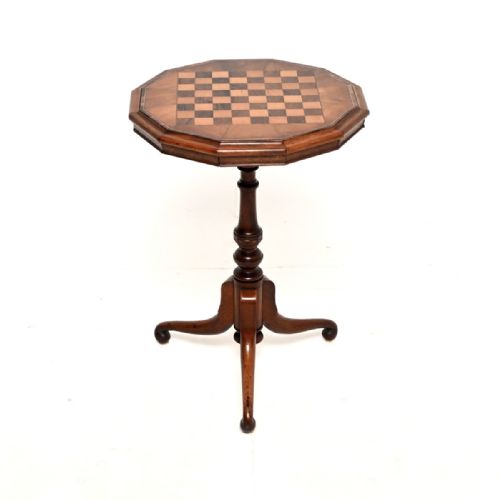
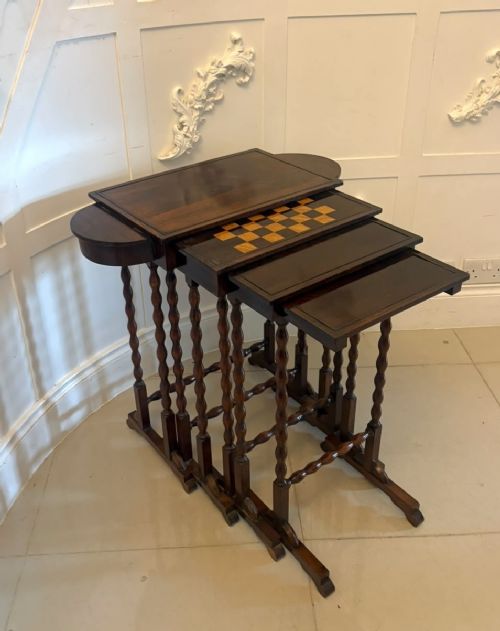


Antique Side Board
An antique side board anchors a dining room with timber presence, offering deep storage and heavy proportions for serious service.
Antique Side Board
When you search for an antique side board, you encounter robust timber furniture designed for dining rooms and large halls. These pieces function as service stations and storage units, holding silver, linens, and dining essentials within substantial cupboards and drawers.
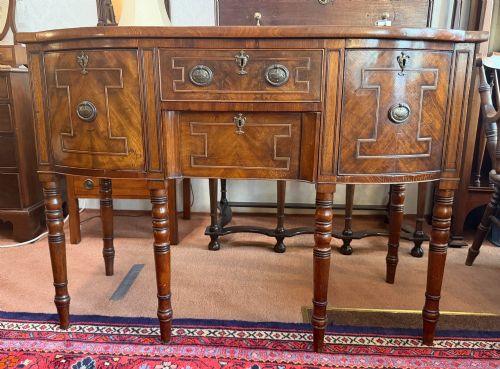
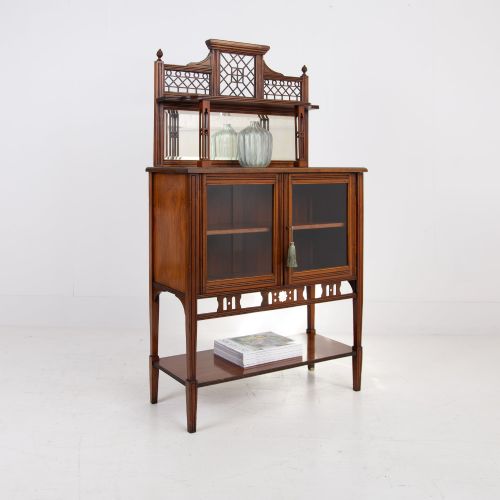
The versions most common on this page span the Georgian, Regency, and Victorian periods, alongside later oak and walnut interpretations. You find mahogany bow-front configurations as well as heavily carved Renaissance Revival and Gothic oak buffets.
Makers shaped these surfaces to command a room, utilising rich grains and deep finishes. They stand as testaments to domestic hospitality, built to endure generations of heavy household use.
How they were made
Cabinet makers built these pieces using solid hardwoods like oak, mahogany, and walnut, frequently applying rosewood veneers to primary surfaces. They reinforced structural joints with pegged mortise and tenon construction or secure dovetailing on drawer boxes.
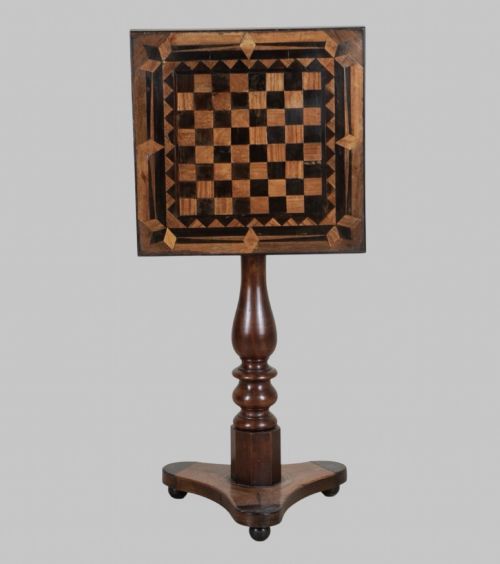
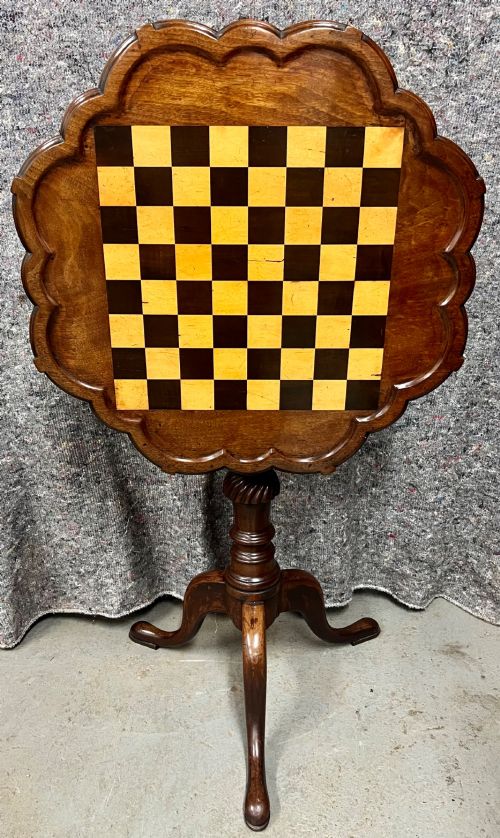
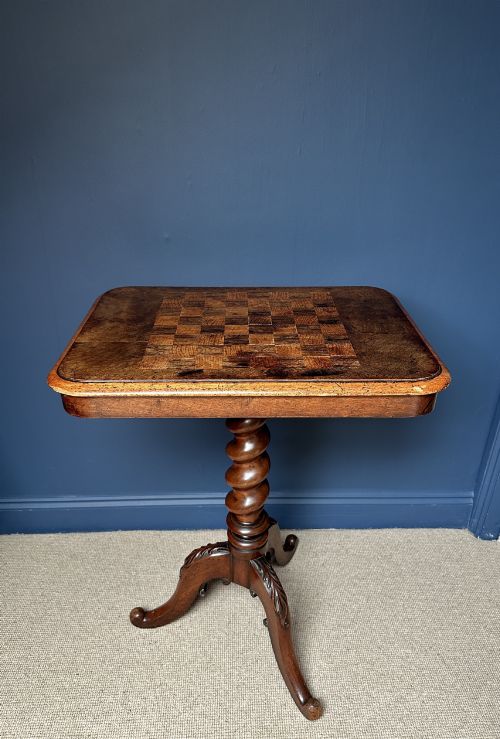
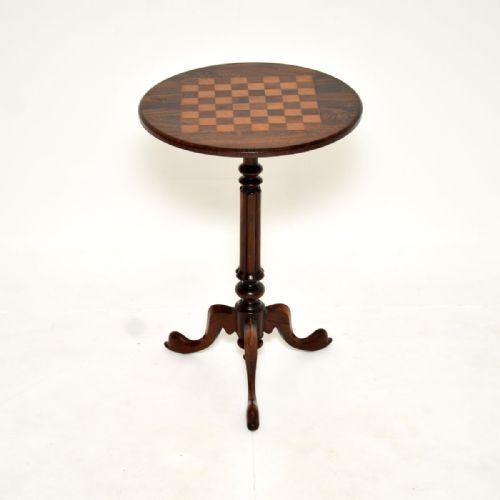
Surface decoration involved careful inlay work using boxwood, satinwood, and ebony to create contrasting borders and panels. Craftsmen also employed deep relief carving, particularly on nineteenth-century oak buffets featuring figural motifs like the Green Man.
What varies in quality
The grade of timber selection and the precision of the veneer matching separate standard pieces from finer examples. Superior workshops utilised dense, well-figured mahogany or richly grained rosewood across the entire facade, rather than reserving quality cuts solely for the main panels.
Structural integrity and hardware choices also dictate worth, distinguishing master craftsmanship from ordinary production. Original brass mounts, smooth drawer runners, and crisp, hand-carved detailing indicate an elevated standard of manufacture.
The Antique Side Board Glossary
- Bow-front
- A convex curved cabinet front that projects outward in a gentle arc. This shape gained popularity during the Georgian and Regency periods to soften room angles.
- Buffet
- A sideboard or cupboard used for food storage and serving. These pieces often feature tiered upper shelving or enclosed lower compartments.
- Veneer
- A thin layer of finely figured wood applied over a secondary timber base. This technique allowed makers to display dramatic grain patterns without wasting scarce materials.
- Inlay
- A decorative technique where contrasting woods like boxwood or ebony are embedded into the surface. It creates geometric borders and ornamental panels on tabletops and cabinet doors.
- Renaissance Revival
- A nineteenth-century style drawing inspiration from sixteenth-century architecture. It is characterised by heavy proportions, deep carving, and architectural mouldings.
Antique Side Board: Frequently Asked Questions
What is an antique side board used for?
An antique side board serves primarily as a storage and serving unit within a dining room. It holds heavy china, silverware, and table linens behind closed cupboard doors.
Historically, servants placed dishes upon the top surface before bringing them to the main dining table. Today, they function equally well as statement storage pieces in hallways and living spaces.
How do I identify a Georgian side board?
Georgian examples rely on proportion, restraint, and high-quality timber selection. They frequently feature straight or bow-front mahogany structures with subtle boxwood stringing and brass hardware.
Unlike later Victorian iterations, Georgian pieces avoid heavy, exuberant carving in favour of clean architectural lines and tapered legs.
How do I clean a rosewood side board?
Clean rosewood surfaces gently using a soft, dry lint-free cloth to remove everyday dust. Avoid modern silicone sprays or harsh chemical polishes that damage traditional wax finishes.
Feed the timber periodically with a quality beeswax to maintain its natural lustre and protect the grain from drying out.
Where should I place a side board?
Position your side board against a principal wall in a dining room or spacious hallway where its depth does not obstruct foot traffic. Ensure it sits away from direct heat sources and strong sunlight to prevent timber warping and veneer cracking.
Allow sufficient clearance around the cabinet doors and drawers for unhindered daily access.