




Antique Shop Table
An antique shop table brings utilitarian mercantile history directly into domestic rooms, offering generous proportions and practical surfaces shaped by decades of commercial use.
Antique Shop Table
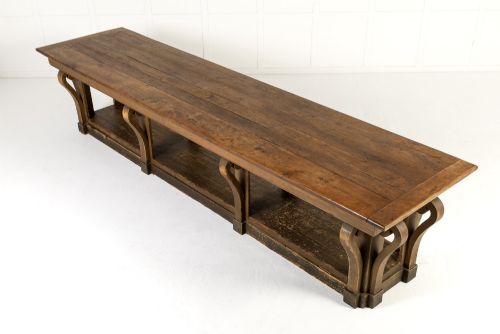
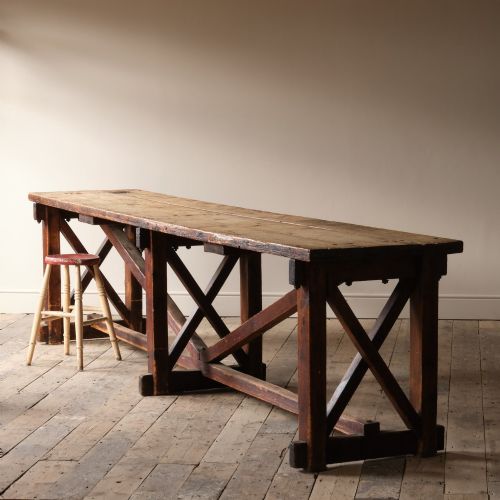
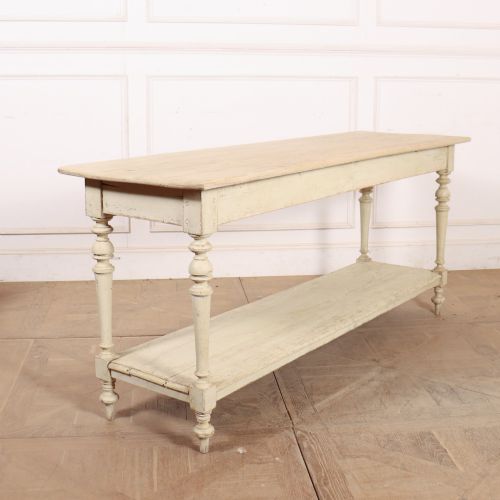
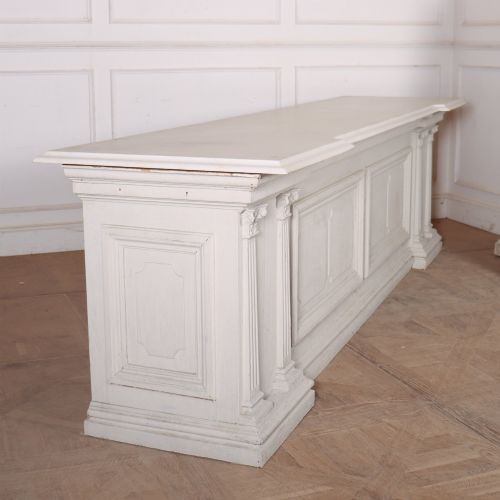
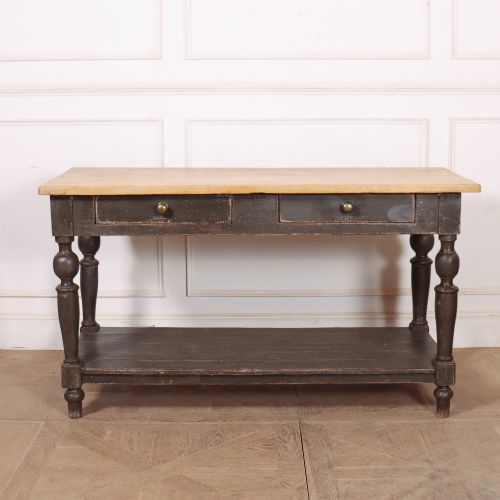
When searching for an antique shop table, buyers encounter robust commercial furnishings built for trade, predominantly represented here by French drapers tables, counters, and display pieces. These heavy-duty tables originate largely from the nineteenth century, spanning Victorian and Edwardian periods alongside French provincial and country styles.
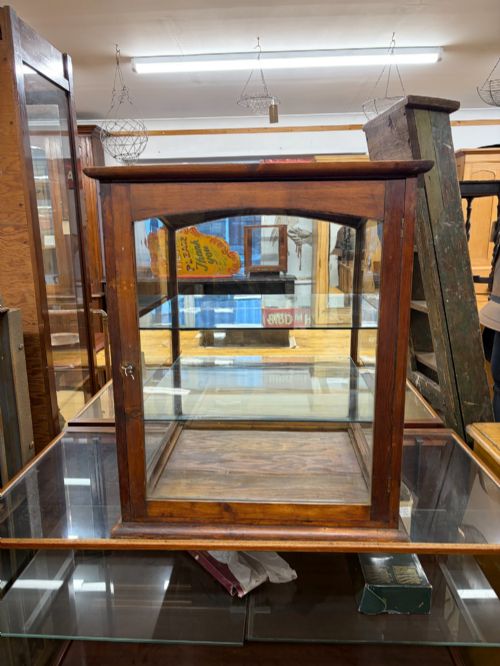
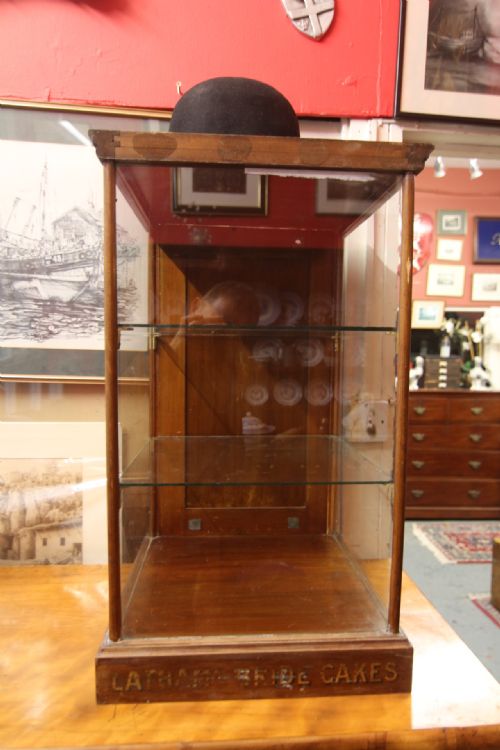
The selection encompasses monumental oak drapers tables, painted pine counters, and specialised display fixtures such as glazed cabinets and jewellers stands. Such forms reflect rigorous working environments, translating straightforward commercial utility into substantial furniture for modern interiors.
How they were made
Construction relies heavily on sturdy timbers such as oak, mahogany, and pine, frequently chosen for their structural resilience in commercial settings. Surfaces often display applied paint finishes, ranging from original white schemes to bleached oak treatments.
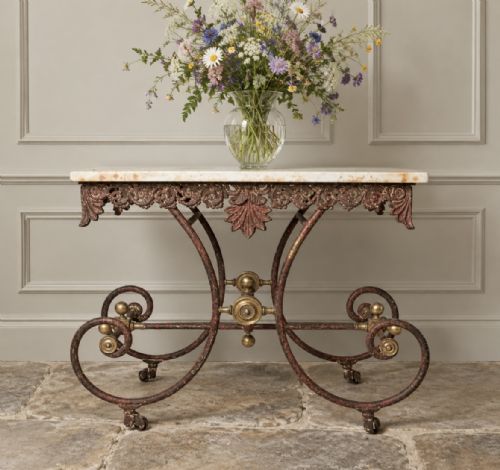
Metal elements including brass and cast iron appear on stands, display cases, and fittings, providing necessary mechanical support and operational hardware. Glazing and velvet linings integrate into specific display tables and cabinets designed to showcase merchandise.
Antique Shop Table Retail Price Guide 2026
Typical asking prices for shop table among the pieces listed under this phrase on Sellingantiques today, from the lower quarter to the upper quarter. They describe what is for sale here now, not the wider market.
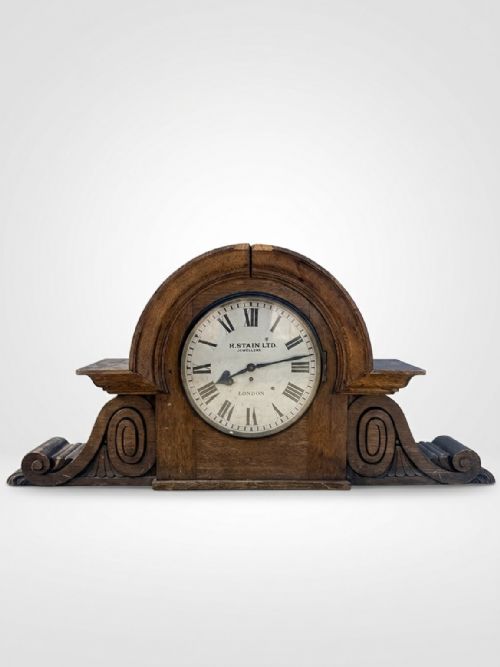
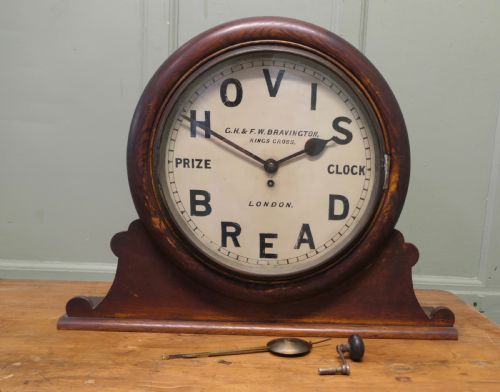
An original prize clock keeps ticking through the centuries, quietly witnessing the daily trade of London.
What varies in quality
Quality rests upon the integrity of the timber and the retention of original surface treatments like historic paint or bleached finishes. Pieces demonstrating substantial scale, such as four-metre drapers tables, command attention through their uncompromised proportions.
Refinement appears in the joinery and specialised hardware, distinguishing standard commercial utility from finer display pieces like glazed vitrines and jewellers counters. Authenticity of use, evidenced by genuine wear from trading environments, defines the character of the superior specimen.
G.H.& F.W. Bravington London·Trussant & Cie·Quincy Showcase Works Illinois
The Antique Shop Table Glossary
- Drapers table
- A long, wide commercial table historically utilised in fabric shops for measuring and folding textiles. These pieces typically feature deep proportions and sturdy wooden construction.
- Vitrine
- A glass-panelled display cabinet or table designed for exhibiting small objects and collectables. They protect contents while allowing all-round visibility.
- Bijouterie table
- A glass-topped display table intended for jewellery and small valuables. These items often incorporate glazed compartments and fabric-lined interiors.
- Shop counter
- A substantial piece of retail furniture positioned to serve customers and conduct transactions. They combine storage functionality with display surfaces.
- Bleached oak
- Timber treated to lighten its natural tone, a finish commonly found on French commercial furniture. This process highlights the grain while softening the overall appearance.
Antique Shop Table: Frequently Asked Questions
What is a drapers table?
A drapers table is an elongated commercial surface originally built for measuring and folding cloth in nineteenth-century shops.
Their generous dimensions and sturdy wooden frames make them practical choices for modern kitchens and large dining spaces.
How do I use a shop counter at home?
Antique shop counters provide robust surface space and substantial storage behind doors or drawers.
Positioned in hallways or living areas, they function well as sideboards or reception surfaces.
What distinguishes French country furniture?
French country pieces emphasise practical utility, simpler lines, and locally available timbers like oak and pine.
Painted finishes and bleached surfaces are characteristic treatments found across these regional items.
Where were glazed display cabinets used?
Glazed display cabinets and vitrines served in jewellers, drapers, and specialty shops to exhibit delicate merchandise safely.
In domestic settings, they provide protected shelving for displaying collections of smaller objects.