





Antique Shop Signage
Antique shop signage brings commerce into the home through painted wood, vitreous enamel, and reverse glass.
Antique Shop Signage
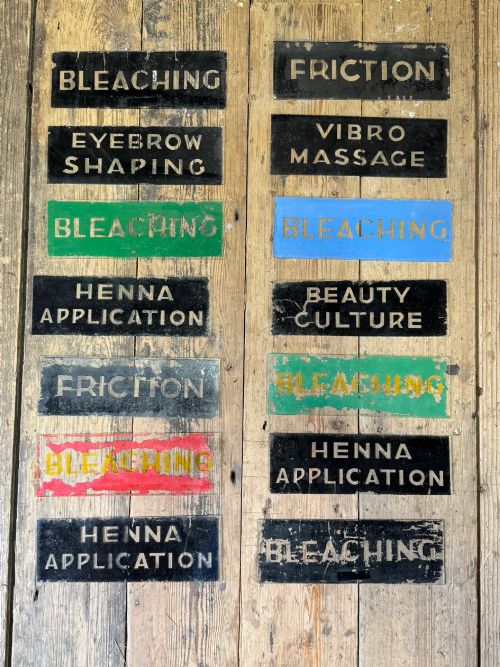
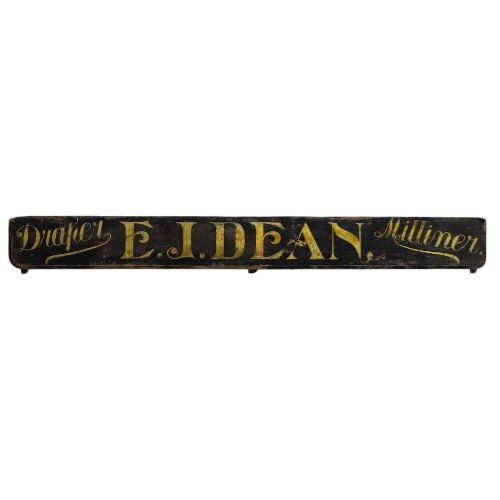
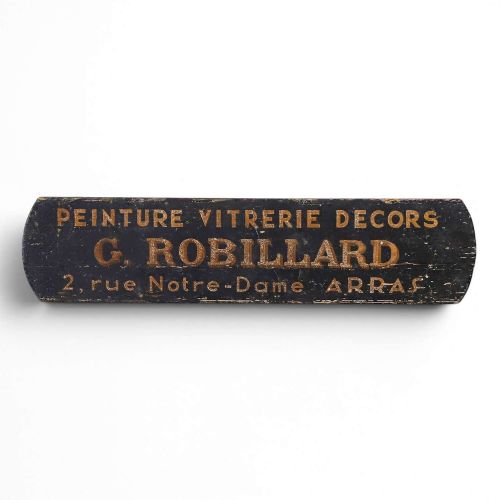
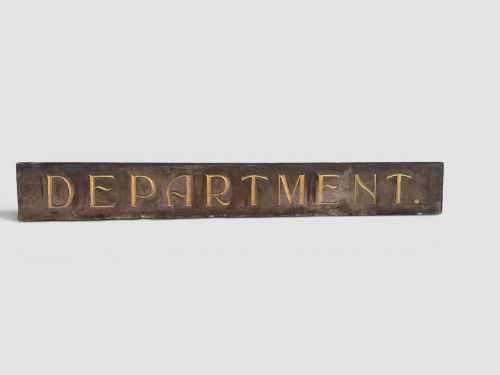
Antique shop signage covers trade signs, wall signs, architectural salvage, and advertising pieces that once marked commercial premises. Buyers seeking antique shop signage find objects that advertised specific trades, from dental surgeons and milliners to pawnbrokers and confectioners. The selection draws from Victorian, Edwardian, and Art Deco periods, encompassing both British and French commercial life.
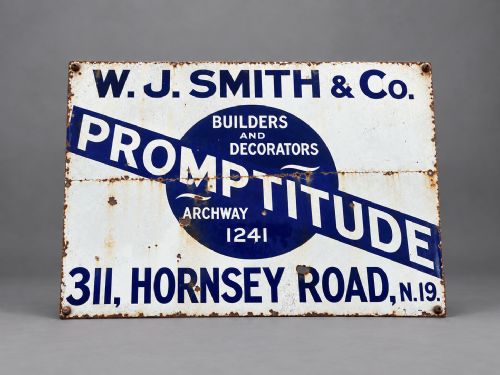
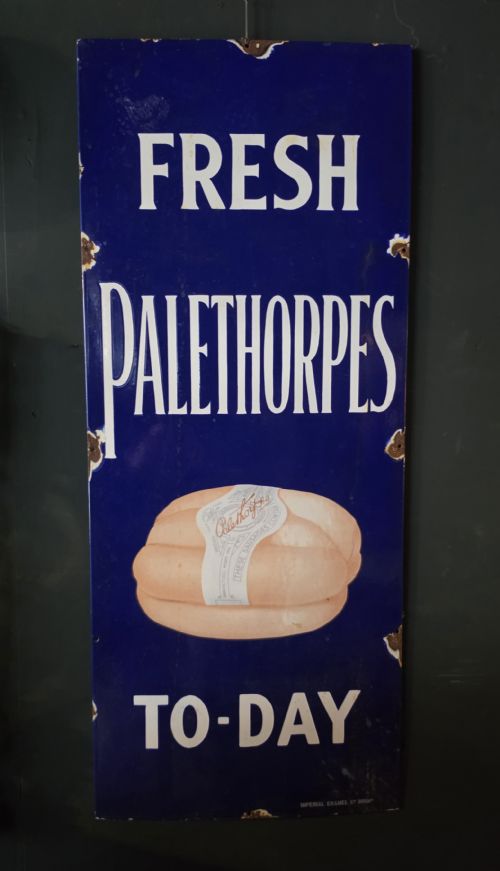
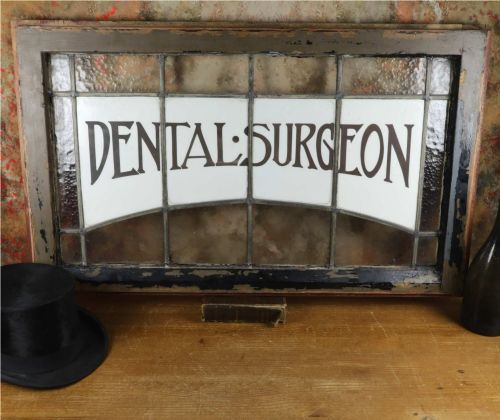
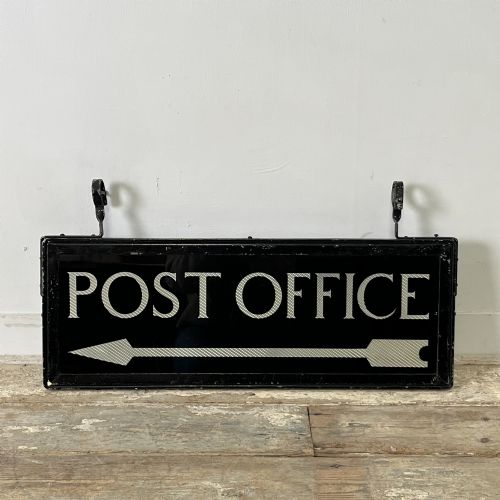
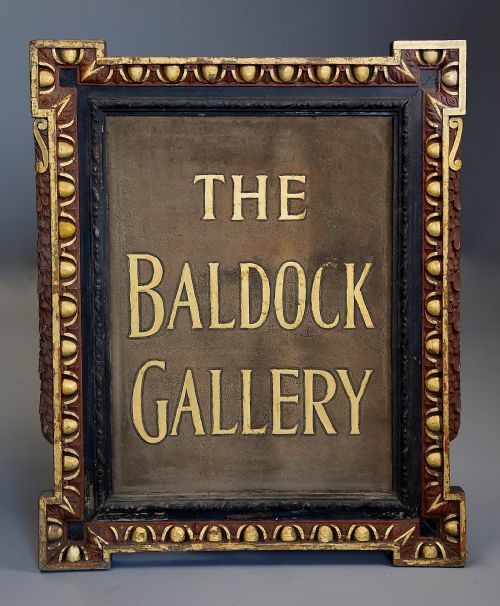
The commonest forms on this page include large vitreous enamel wall signs, hand-painted wooden trade boards, and reverse-painted glass panels. Pieces range from double-sided post office direction markers to elaborate department store and gallery boards. These items reflect the physical identity of early twentieth-century and nineteenth-century high streets.
Materials and construction
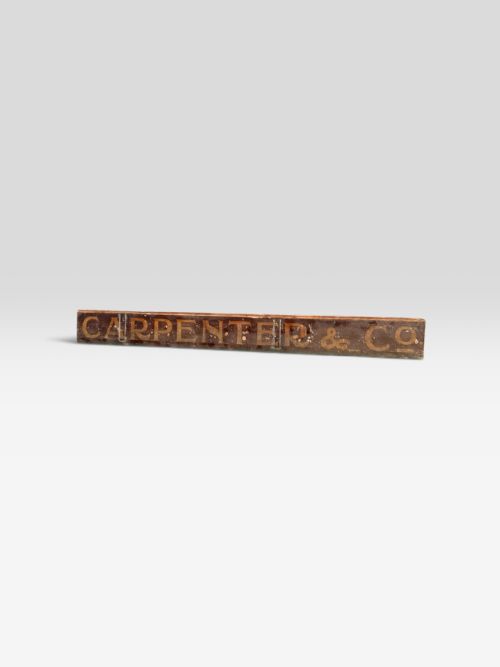
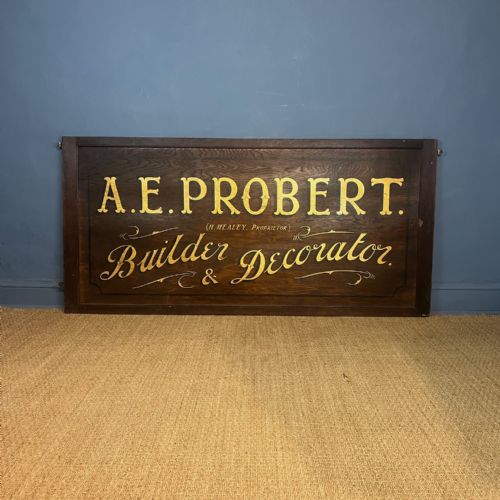
Makers utilised timber such as pine and oak for carved and hand-painted trade boards, frequently applying paint, gold leaf, and gilding for legibility. Glass served as a medium for reverse-cut and reverse-painted window panels, often framed in original wood or metal structures. Sheet iron and heavy metals provided the foundation for vitreous enamel advertising boards designed to withstand outdoor conditions.
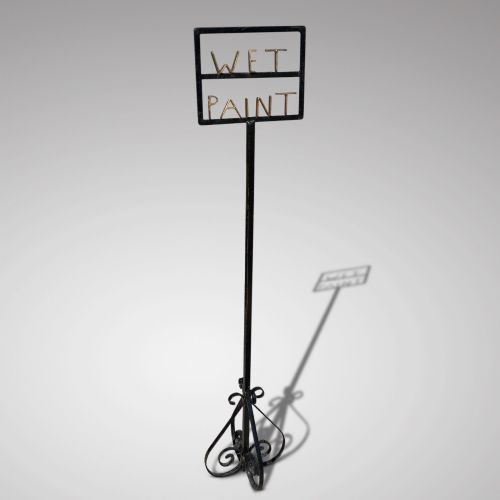
Specialised techniques defined specific trades, such as the firing of glass enamel onto metal plates or the careful application of gold leaf to carved wooden lettering. Artisans combined beaten copper embossing with woodwork to create dimensional displays for specialist businesses.
Antique Shop Signage Retail Price Guide 2026
Typical asking prices for shop signage among the pieces listed under this phrase on Sellingantiques today, from the lower quarter to the upper quarter. They describe what is for sale here now, not the wider market.
The inventory records pieces from the Victorian, Edwardian, and Art Deco eras, including French Belle Époque examples.
Markers of quality
Quality rests upon the clarity of the original lettering, the integrity of the painted or enamelled surface, and the survival of the original wooden or iron frame. Hand-painted boards with skilled typography and preserved gilt show superior craftsmanship compared to standard commercial iterations.
The depth of the material execution, such as reverse-cut glass or deeply embossed beaten copper, elevates a piece. Originality of surface condition and untouched patination distinguish finer tradesman signs from later restorations.
The Antique Shop Signage Glossary
- Vitreous Enamel
- A material created by fusing powdered glass to a metallic substrate at high heat. This process produced durable, glossy advertising signs capable of enduring external weathering.
- Reverse-Painted Glass
- A technique where paint and gold leaf are applied to the back of a glass panel to be viewed from the front. This method produced a glossy, protected finish popular for interior and window shop displays.
- Trade Sign
- A board or object displayed outside a business to indicate the trade practised within. These items often featured pictorial representations or bold lettering denoting the profession.
- Architectural Salvage
- Building elements and fixtures rescued from structures slated for demolition. This category includes large exterior shop signs and directional markers.
- Gold Leaf
- Gold beaten into extremely thin sheets used for gilding lettering on wood and glass surfaces. It provided high visibility and a lustrous finish for commercial signage.
Antique Shop Signage: Frequently Asked Questions
How were antique shop signs displayed?
Shop signs were mounted directly onto exterior walls, hung perpendicular from iron brackets above doorways, or placed in windows to attract street traffic. Many smaller glass and painted panels were designed for interior use within the premises.
Larger trade signs often dominated the building facade, acting as permanent landmarks for customers navigating nineteenth-century and early twentieth-century shopping districts.
What trades are commonly represented on these signs?
Common trades include dentists, milliners, drapers, pawnbrokers, pharmacists, and fishmongers. Specialised services such as painters, decorators, and watchmakers also utilised bespoke boards.
Each profession relied on distinct iconography or direct text to communicate their services to a largely pedestrian public.
How do I care for a painted wooden shop sign?
Painted wooden signs require stable indoor humidity away from direct sunlight to preserve the original pigments and timber substrate. Gentle dusting with a dry, soft cloth is sufficient for routine maintenance.
Avoid liquid cleaners or abrasive materials, as these can strip fragile historical paint layers and gold leaf gilding.
Are enamel signs suitable for outdoor hanging?
While vitreous enamel was originally engineered for exterior durability, antique examples benefit from sheltered placement or indoor display to prevent modern environmental corrosion. Protecting the iron edges from moisture stops rust progression.
Exhibition indoors ensures the surviving gloss and original mounted brackets remain undisturbed.