


Antique Shop Counter Scales
Antique shop counter scales are working pieces of retail history, built from brass, iron and mahogany to serve customers with heavy duty reliability.
Antique Shop Counter Scales
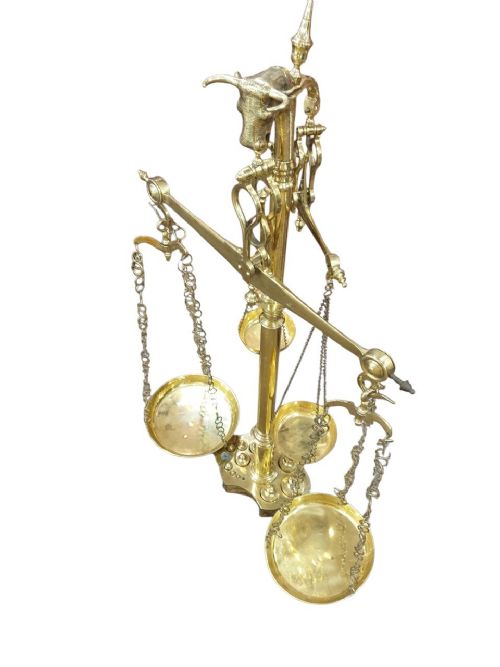
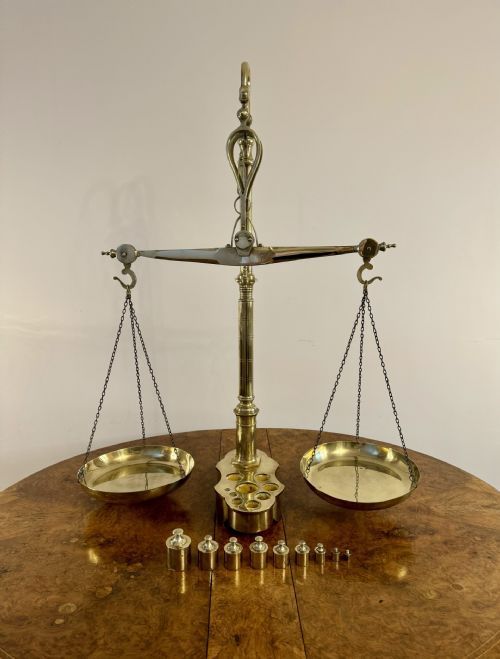
When you search for antique shop counter scales, you encounter heavy measuring devices designed for trade, grocers and butchers across the nineteenth and early twentieth centuries. The selection ranges from robust cast iron balance scales to polished brass beam scales paired with ceramic weights.
You are most likely to meet Victorian and Edwardian examples on this page, including specialised butcher and grocer configurations alongside spare ceramic scale pans. These objects span periods from the eighteen-seventies through the nineteen-thirties, reflecting the daily commerce of past high streets and cooperative stores.
How they were made
Maker workshops utilised durable combinations of cast iron, brass and copper to withstand the constant demands of a busy shop floor. Beams and pans rely on cast metals and heavy sheet copper, shaped to maintain exact balance under repeated loads.
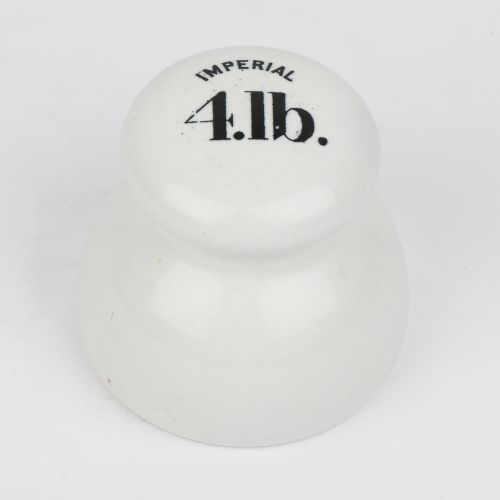
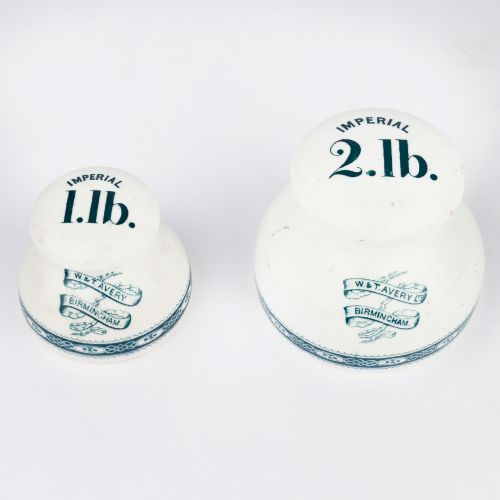
Ceramic components appear in the form of glazed earthenware scale pans and dedicated weights, often produced with printed advertising for products such as sausages. Mahogany bases provide stability for the mechanism while adding a polished wooden foundation to the metal assembly.
Materials recorded on this page include brass, cast iron, copper, ceramic, iron, mahogany and earthenware.
What varies in quality
The distinction between standard utility equipment and finer items rests in the quality of the brass casting and the integrity of the original components. Heavier brass beams and intact maker branding indicate workshop production geared toward high end retail environments.
The presence of matching original iron or ceramic weights alongside marked scale pans elevates the completeness of the piece. Proportion also matters, as massive butcher scales differ significantly in scale and presence from domestic kitchen scales.
W & T Avery·Parnall & Sons of Bristol·Palethorpes
The Antique Shop Counter Scales Glossary
- Balance scales
- A weighing device consisting of a central pivoting beam with suspended pans at each end. This mechanism relies on comparing an unknown mass against known weights placed on the opposite side.
- Beam scales
- Scales featuring a horizontal metal bar that tips when loads are uneven, typically constructed from polished brass. These devices were standard fixtures on nineteenth century shop counters.
- Scale weights
- Heavy objects of precise mass, manufactured in brass, iron or glazed ceramic to measure goods. Sets often accompany antique grocer and butcher balances.
- Kitchenalia
- Domestic and culinary utensils from past eras, a category that shares materials and functional aesthetics with shop weighing equipment. Collectors often group shop scales within this broader field.
Antique Shop Counter Scales: Frequently Asked Questions
Are antique shop counter scales still accurate?
These scales were calibrated for trade use in Victorian and Edwardian shops, utilising mechanical balance rather than digital sensors. While many retain their movement, they serve primarily as decorative objects today.
Over decades of use, pivots and bearings experience wear that can affect precise measurement. Collectors display them for their industrial presence rather than daily kitchen weighing.
What materials were used to make counter scales?
Manufacturers relied on cast iron, brass, copper and mahogany to build durable shop equipment that could withstand heavy daily demands. Glazed ceramic pans and earthenware weights provided hygienic surfaces for food retailers.
Iron formed the heavy structural bases, while brass and copper were chosen for beams, pans and decorative trim. Mahogany frequently served as the wooden plinth supporting the entire mechanism.
How do I identify a butcher scale?
Butcher scales are typically built on a massive scale with robust iron framing designed to handle heavy joints of meat. They frequently feature large hanging pans and sometimes bear advertising details or maker marks associated with provisions.
In contrast, standard grocer scales often utilised flat brass platforms or ceramic pans suited for smaller dry goods. The sheer weight and structural reinforcement distinguish butcher equipment from lighter shop balances.
How do I clean brass scale pans?
Polished brass components require gentle maintenance to preserve the aged surface character accumulated over generations of retail use. Harsh abrasive cleaners strip away the historical patina that collectors value on nineteenth century metalwork.
Dusting with a soft cloth and applying a mild metal cleaner sparingly helps maintain the finish without erasing evidence of age. Wooden mahogany bases benefit from occasional waxing rather than moisture.