




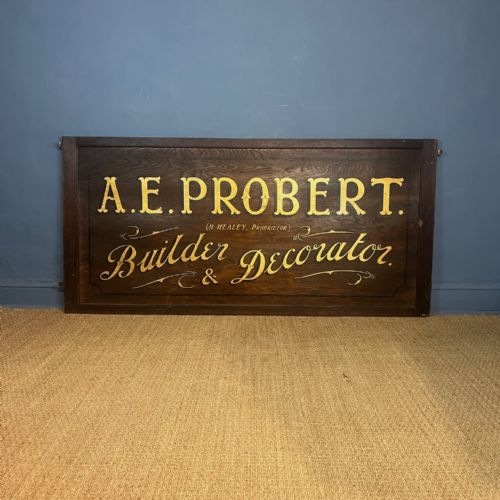


Antique Shop Board
These antique shop boards and trade signs carried the daily business of Edwardian and Victorian commerce straight to the street.
Antique Shop Board
An antique shop board encompasses painted wooden trade signs, vitreous enamel advertising pieces, and hardware sample boards designed for commercial display. Buyers searching for an antique shop board will encounter wall signs, pharmacy boards, and painter trade signs originating from the nineteenth century through the 1930s.
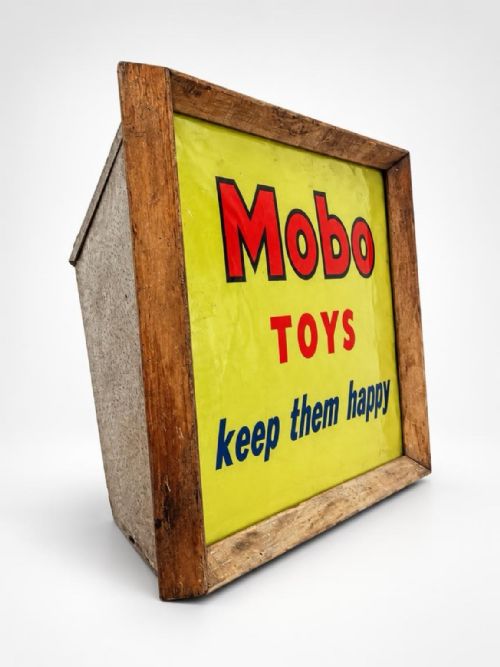
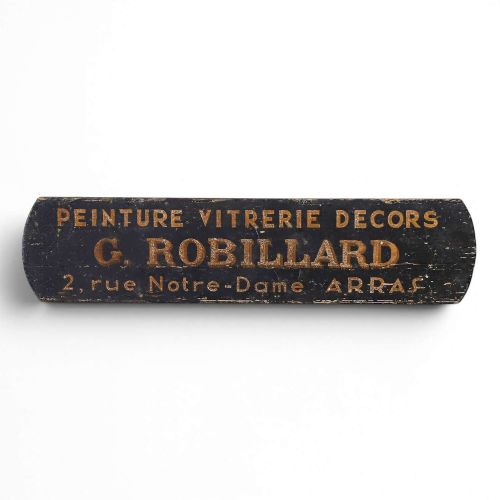
The assortment on this page spans from French Belle Époque hand-painted panels to large English enamel advertising signs and drapers tables. Wall signs and signboards dominate the selections, reflecting the diverse physical footprint of early twentieth-century and Victorian trade.
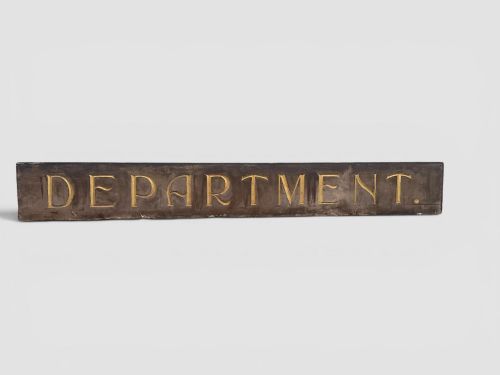
Pieces range from industrial sheet metal and iron constructions to pine drapers tables and gold leaf accents. Each item preserves the practical commercial heritage of early department stores, decorators, hardware merchants, and provincial tradesmen.
Materials and construction
Makers utilised timber such as pine for drapers tables and wooden trade sign frames, applying hand-painted lettering and gold leaf directly onto the prepared surface. Paint and protective varnishes secured the woodwork against commercial wear during the Victorian and Edwardian eras.
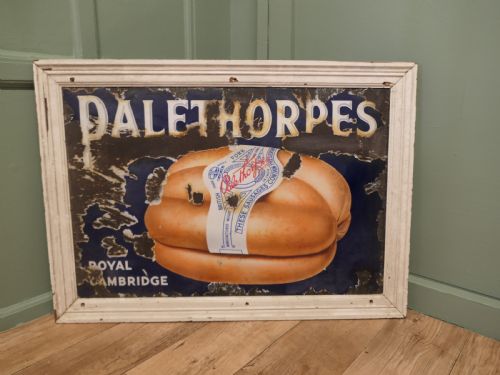
Vitreous enamel fused to sheet metal and iron provided robust weather-resistant outdoor advertising for companies like Palethorps and Colman’s Starch. This glossy fused surface kept colours vibrant and allowed double-sided signage to endure decades exposed to the elements.
Hardware sample boards mounted metal goods onto wooden backings to demonstrate merchandise effectively inside the shop. Glass panels protected delicate painted trade signs within original wooden frames.
Antique Shop Board Retail Price Guide 2026
Typical asking prices for shop board among the pieces listed under this phrase on Sellingantiques today, from the lower quarter to the upper quarter. They describe what is for sale here now, not the wider market.
Listings feature items from the nineteenth century, the Edwardian era, and the 1920s and 1930s.
Assessing quality in trade signs
The strength of the lettering, the complexity of hand-painted pictorial elements, and the legibility of the trade determine the visual impact of a shop board. Examples featuring named makers, such as Gerwin & Co Birmingham or Palethorps Royal Cambridge, carry distinct historical documentation.
Originality of surface finish dictates the integrity of painted and enamelled boards. Pieces retaining their unrestrained early surface, original wooden frames, and authentic hardware demonstrate superior preservation compared to heavily restored items.
Gerwin & Co Birmingham·Palethorps Royal Cambridge·Colman’s Starch
The Antique Shop Board Glossary
- Trade Sign
- A board or panel hung outside or inside a business to advertise the profession or merchandise sold within. These range from hand-painted wooden boards for painters to pictorial enamel panels for food manufacturers.
- Vitreous Enamel
- A material made by fusing powdered glass to a metallic substrate by firing, producing a durable and glossy coloured coating. It protected outdoor shop signs from corrosion.
- Drapers Table
- A large wooden counter utilised in nineteenth-century fabric shops, typically constructed from pine with a functional work surface. They served both as retail furniture and practical shop boards.
- Dummy Board
- A flat painted wooden figure or sign cut out to represent a person or product for shop display. These figures stood in retail environments to catch the eye of passing customers.
- Gold Leaf
- Gold beaten into extremely thin sheets and applied to wooden signs for lettering and ornamentation. It provided a lustrous finish that caught the daylight.
Antique Shop Board: Frequently Asked Questions
What is an antique shop board?
An antique shop board is a vintage advertising or trade sign made of wood, metal, or enamel used by merchants to promote their goods and services.
These boards include painted pharmacy signs, hardware sample displays, and exterior wall signage from the Victorian and Edwardian periods.
How were trade signs displayed?
Traders mounted shop boards on exterior walls, hung them above doorways, or placed them inside windows to attract the attention of pedestrians.
Some signs were double-sided to catch foot traffic moving in both directions along busy nineteenth-century streets.
How do I date an enamel sign?
Dating enamel signs involves examining the typography, the brand history, and the manufacturing style typical of the 1900s to the 1930s.
Early twentieth-century enamel pieces often display rich pictorial graphics and heavy gauge sheet metal foundations.
Where were drapers tables used?
Drapers tables stood in nineteenth-century fabric shops where merchants measured and cut cloth for customers.
Their long pine surfaces provided ample workspace for handling textiles before becoming popular interior furniture pieces.