

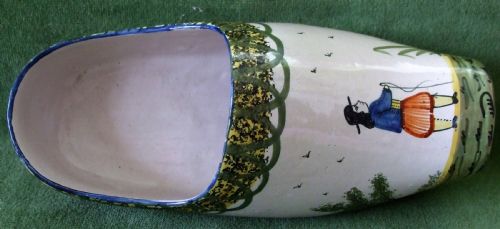


Antique Shoe Ornament
These antique shoe ornament pieces bring character to a room, ranging from gleaming paste glass buckles to whimsical earthenware sabots.
Antique Shoe Ornament
An antique shoe ornament spans several centuries of decorative design, encompassing both wearable accessories and domestic display pieces. When you search for antique shoe ornament, you encounter sparkling Georgian shoe buckles alongside nineteenth-century ceramic sabots and twentieth-century hearth objects.
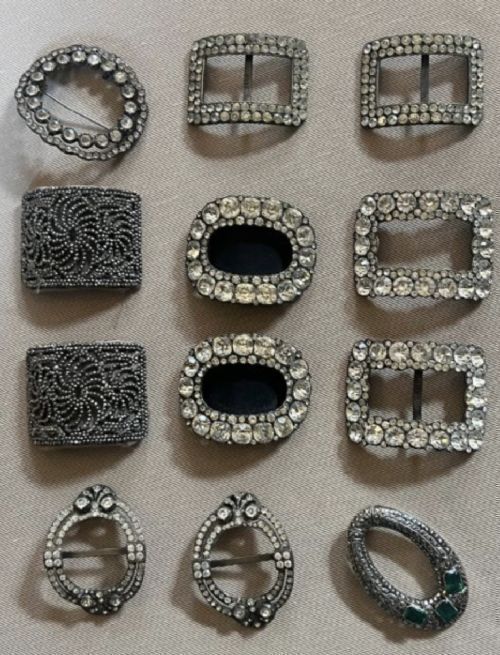
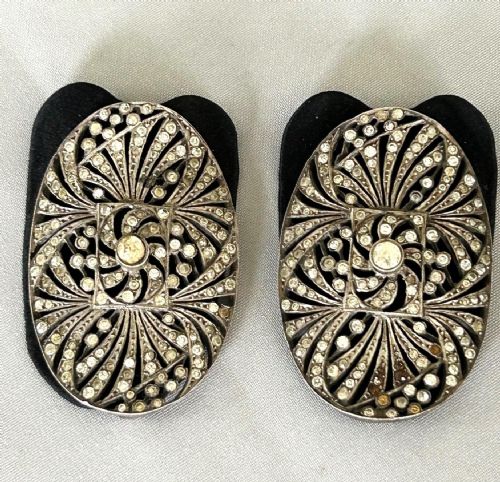
The wearable examples on this page are predominantly eighteenth-century paste and crystal shoe buckles, often mounted in silver or steel filigree. Domestic pieces take the form of French faience sabots, copper fireside ornaments, and Dutch coppered baby shoes.
The origins stretch from Georgian Britain to French provincial workshops and Edwardian hearths, offering diverse ways to display or wear these small historic artefacts. Each form reflects the specific domestic or fashion requirements of its period.
Materials and methods
The manufacture of these pieces relies on traditional metalworking, glass-cutting, and ceramic production techniques. Metal buckles employ silver, steel, and copper, often paired with brilliant paste glass and crystal stones to catch the candlelight.
Ceramic examples like the Quimper pieces utilise glazed earthenware and faience painted with traditional motifs. Metal fireside ornaments and boot scrapers combine cast copper and brass for durability and weight.
Antique Shoe Ornament Retail Price Guide 2026
Typical asking prices for shoe ornament among the pieces listed under this phrase on Sellingantiques today, from the lower quarter to the upper quarter. They describe what is for sale here now, not the wider market.
Materials recorded across the inventory include paste glass, silver, steel, copper, cut steel, silver-topped metal, and glazed earthenware.
Judging quality
Quality in paste glass and crystal buckles depends on the precision of the stone-cutting and the security of the settings within the silver or steel framework. Finer buckles display crisp faceting that maximises the sparkle of every individual stone.
In ceramic sabots and earthenware items, the richness of the glaze and the clarity of the hand-painted decoration distinguish superior examples. Metal fireside pieces are judged by the integrity of the casting and the weight of the brass or copper components.
The Antique Shoe Ornament Glossary
- Paste glass
- Faceted glass used to imitate gemstones in historic jewellery and shoe buckles. It is typically backed with foil to enhance its brilliance.
- Sabot
- A traditional wooden shoe or its ceramic representation, often modelled as a decorative ornament or small vessel. Quimper potteries famously produced these in glazed earthenware.
- Filigree
- Delicate ornamental work of fine wire, usually silver or steel, soldered together to create intricate openwork patterns on buckles.
- Faience
- Tin-glazed earthenware produced in France and other European countries, known for its smooth white surface and painted decoration.
- Boot scraper
- A heavy metal blade or architectural fixture positioned near a doorway for removing mud from footwear before entering a house.
Antique Shoe Ornament: Frequently Asked Questions
What are paste shoe buckles?
Paste shoe buckles are eighteenth-century accessories set with faceted lead glass designed to imitate diamonds under evening candlelight. They were fastened to formal shoes using metal prongs or straps.
Craftspeople mounted these glass stones in silver or steel frames, creating high-fashion items for Georgian gentlemen and ladies attending social events.
How were ceramic sabots used?
Ceramic sabots served as decorative mantel ornaments or small trinket holders in French provincial homes. They replicate the traditional wooden clog in glazed earthenware.
Painted designs, such as those from Quimper factories, turned a utilitarian shoe shape into a colourful piece of folk art.
What distinguishes Georgian buckles?
Georgian buckles are characterised by hand-cut paste stones, heavy silver or steel mountings, and intricate filigree work. Their proportions and settings reflect eighteenth-century craftsmanship.
Makers constructed these pieces to withstand regular wear while providing maximum visual impact on formal footwear.
How do I care for paste glass?
Paste glass requires gentle handling because the foil backing behind the stones is sensitive to moisture. Keep these pieces dry and avoid immersing them in cleaning liquids.
Store them in a stable environment away from direct sunlight to preserve the integrity of the metal settings and the sparkle of the glass.