




Antique Ship Art
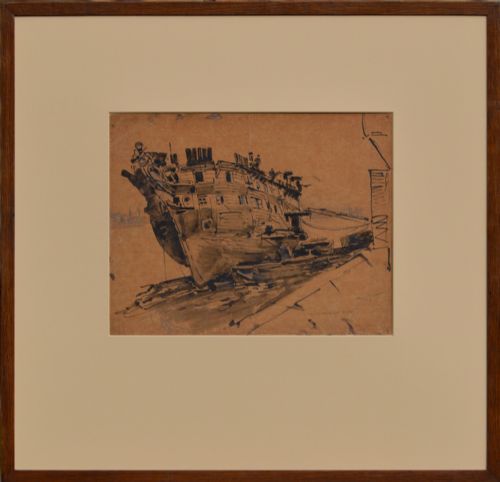
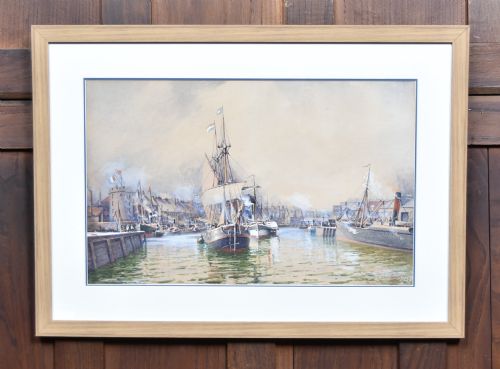
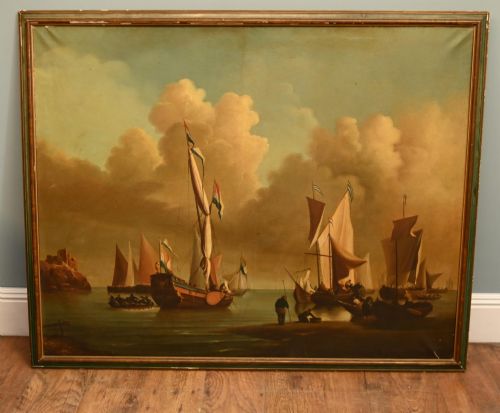
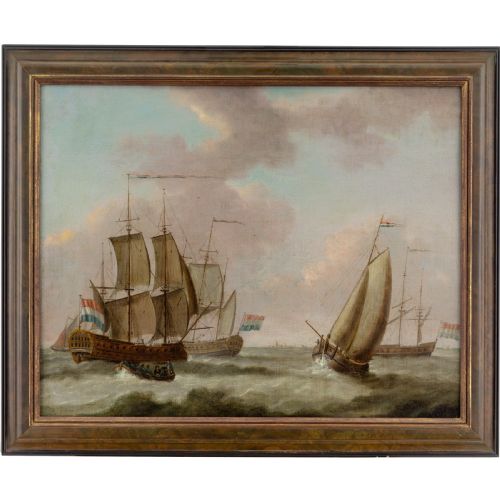
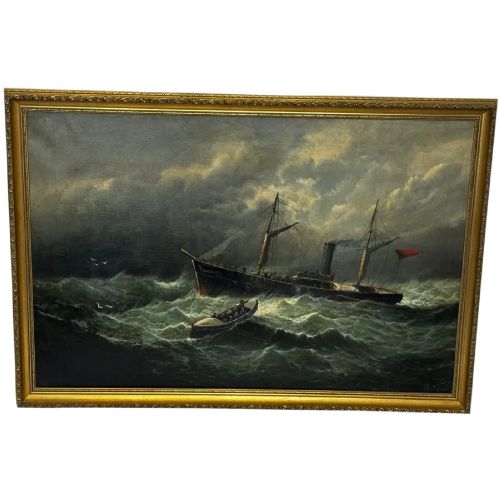
Antique ship art captures the drama of maritime history through oil paintings, watercolours, and folk art dioramas.
Antique Ship Art
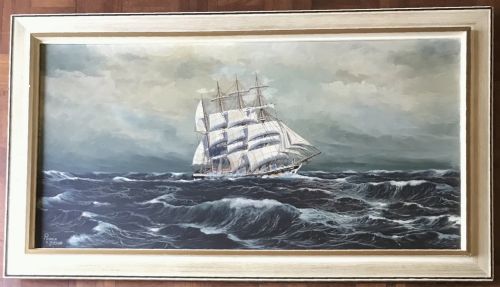
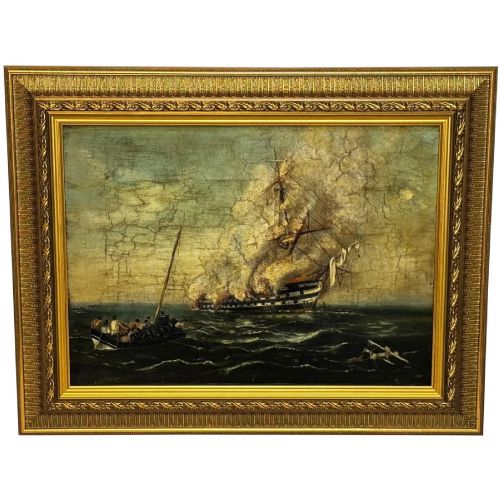
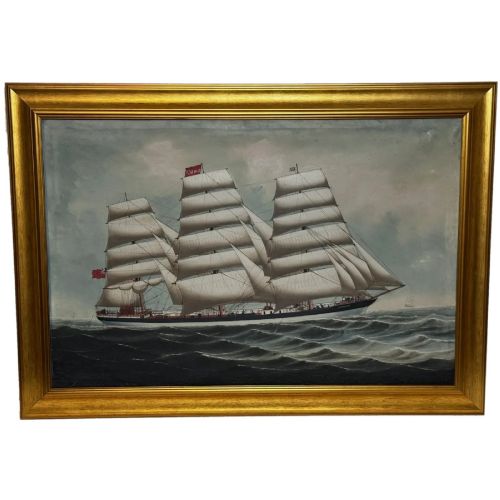
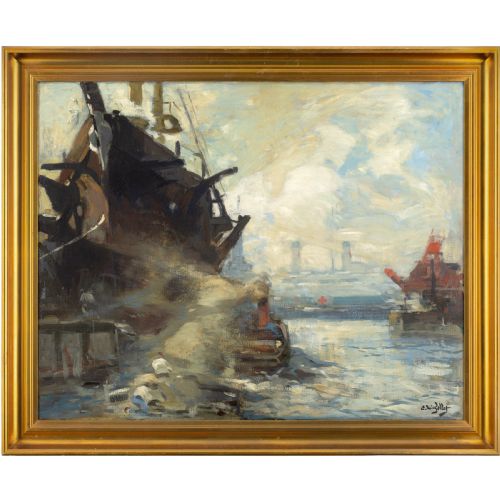
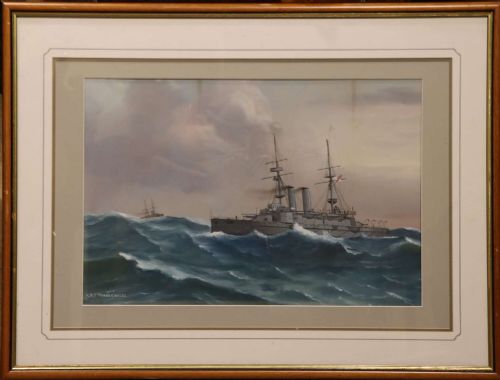
When you search for antique ship art, you encounter a diverse range of works focused on vessels, ports, and open waters. The selection spans oil paintings on canvas or board, watercolours, gouache, etchings, and folk art objects like ship models and bottles.
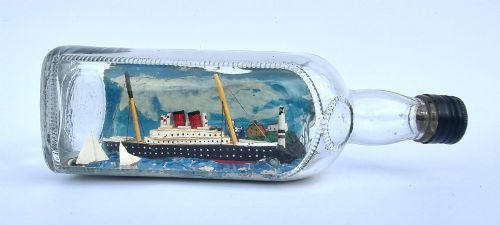
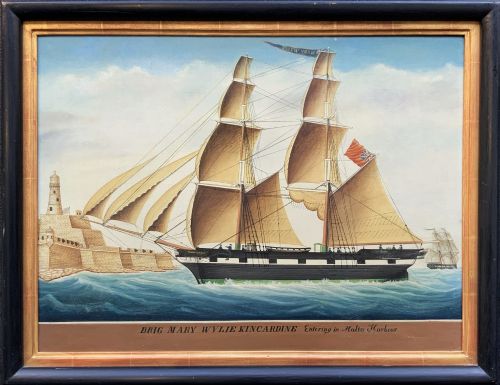
Victorian and Edwardian pieces dominate the selection, often depicting named merchant vessels, naval battles, or quiet coastal harbours. You also find folk art depictions such as carved half-model hulls and detailed diorama bottles created by makers capturing maritime life.
Materials and technique
Makers utilised traditional canvas, wooden panels, and heavy paper supports for paintings and watercolours. Artists applied oil paint and watercolour pigments to record coastal light, rough seas, and rigging details with precision.
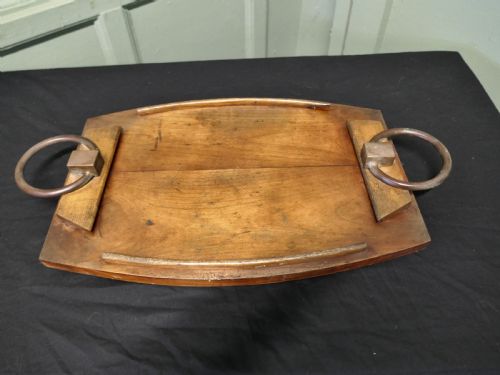
Folk art pieces incorporate carved wood, painted glass, and found materials assembled into detailed dioramas or ship in a bottle displays. Frames often consist of moulded wood or gilt finishes suited to the period.
Antique Ship Art Retail Price Guide 2026
Typical asking prices for ship art among the pieces listed under this phrase on Sellingantiques today, from the lower quarter to the upper quarter. They describe what is for sale here now, not the wider market.
Sailors spent long voyages carving wood and fitting tiny wooden brigantines inside glass bottles just to test their patience.
Distinctions in quality
Technical proficiency in handling perspective, water movement, and rigging accuracy distinguishes finer works from simpler decorative pieces. Works by documented painters demonstrate deeper anatomical understanding of vessels and atmospheric effects.
Condition of the canvas, paper, or diorama components heavily influences the integrity of the piece. Intact original framing and well-preserved paint layers without extensive restoration represent the upper tier of surviving examples.
William Woolard·Hans Harlander·Eugène-Louis Gillot·William McAlpine·Reginald Arthur Borstel·James Kay RSW·William Broome·Bernard Gribble·William Lionel Wyllie RA·Frank William Scarbrough·Bernard Benedict Hemy·John Wilson Carmichael·Lai Fong·Nicholas Condy·Richard B. Spencer
The Antique Ship Art Glossary
- Gouache
- An opaque watercolour paint that dries to a matte finish. Artists utilised this medium for rich colour saturation in maritime scenes.
- Diorama
- A three-dimensional scene enclosed within a case or bottle. Folk art pieces often feature carved miniature shipping within these settings.
- Half-model
- A half-hull wooden model mounted on a board. Shipwrights built these to display the hull shape and proportions of a vessel.
- Etching
- A printmaking technique where lines are incised into a metal plate with acid. Works on paper often utilise this method for fine linear detail.
Antique Ship Art: Frequently Asked Questions
What subjects appear in antique ship art?
Paintings and works on paper depict named steamships, warships, merchant barques, and junks navigating coastal waters or open seas. Harbour scenes and port views also feature prominently across the selection.
Artists frequently recorded historical vessels, naval engagements, and everyday maritime trade routes from the nineteenth and early twentieth centuries.
How were ship in a bottle pieces constructed?
Makers constructed the miniature vessels with hinged masts and rigging that folded flat to pass through the narrow neck of a glass bottle. Once inside, pull-strings raised the masts into position.
Craftsmen then sealed the bottle and added painted putty or sea elements to create realistic water around the hull.
How do I date antique maritime paintings?
Stylistic clues such as the rig of the vessel, naval uniform details, and costume of any figures help narrow down the production era. Clothing styles and ship architecture evolved rapidly across the nineteenth century.
Signatures, artist attribution, or framing materials often provide further contextual evidence for dating the work.
Where should I hang maritime art?
These works suit studies, hallways, or living spaces with stable humidity away from direct sunlight. Protecting oil paintings and watercolours from harsh light preserves the pigments.
Pairing framed canvases or shadow box dioramas with neutral wall tones allows the maritime subject matter to stand out.