






Antique Shell Display
These pieces of antique shell display bring tactile maritime history indoors, offering collectors natural specimens and cabinets built to showcase them.
Antique Shell Display
An antique shell display encompasses natural history specimens alongside the cabinets and pictures created to house or portray them. Buyers seeking this phrase encounter items ranging from framed folk art dioramas to Georgian and Victorian glazed cabinets designed specifically for collections.
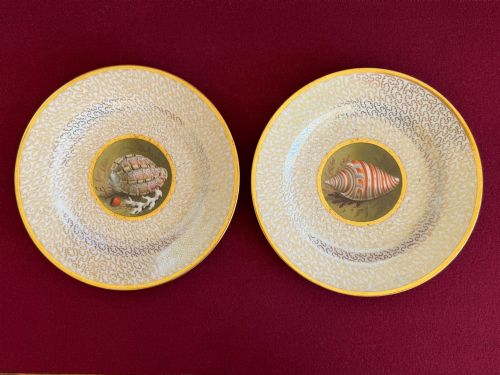
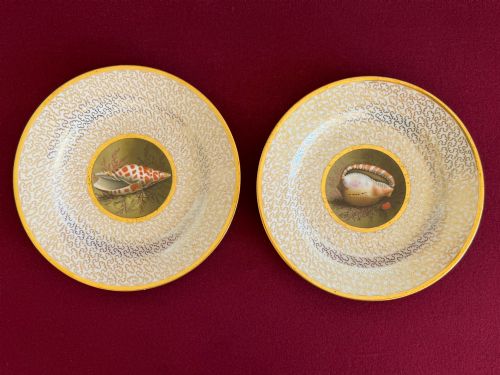
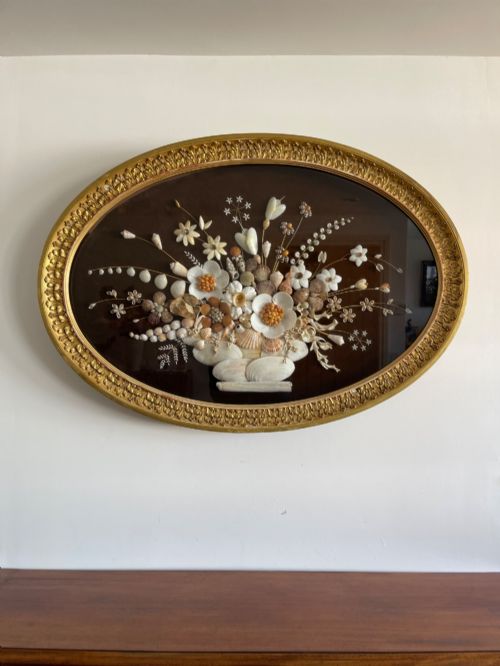
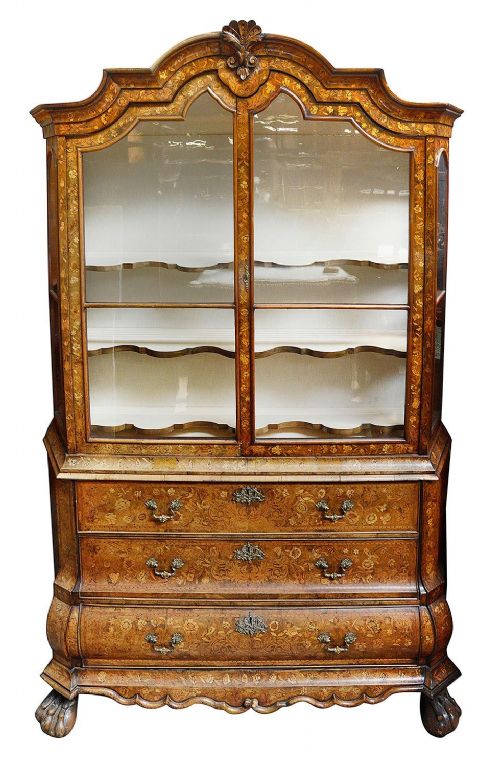
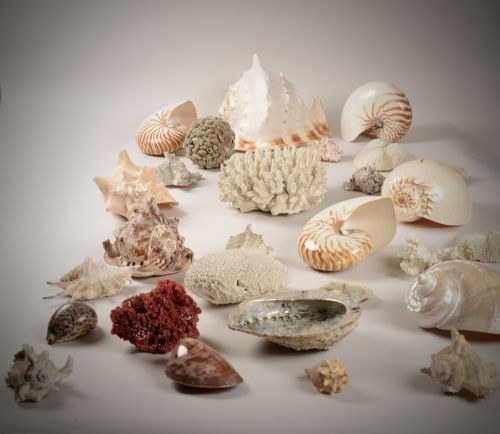
The material forms vary considerably across the periods represented, moving from framed shellwork pictures and dioramas to individual specimens like ammonites and giant clams. Cabinetry includes corner cupboards, Dutch marquetry vitrines, and dedicated shell cabinets made from mahogany.
Origins stretch from eighteenth-century pieces through Victorian and early twentieth-century examples, reflecting shifting domestic interests in natural history and maritime curiosities. Display options span wall art, table accessories, and architectural furniture designed to hold precious items.
Judgments of quality
Quality rests upon the integrity of the natural specimens and the joinery of the surrounding cabinetry. Fine proportion in glazed cabinets and meticulous arrangement in shellwork pictures elevate certain examples.
The choice of timber, such as figured mahogany or detailed marquetry, marks the distinction between standard utilitarian furniture and superior display pieces. Preservation of both delicate shell structures and original glass determines the standing of each item.
Antique Shell Display Retail Price Guide 2026
Typical asking prices for shell display among the pieces listed under this phrase on Sellingantiques today, from the lower quarter to the upper quarter. They describe what is for sale here now, not the wider market.
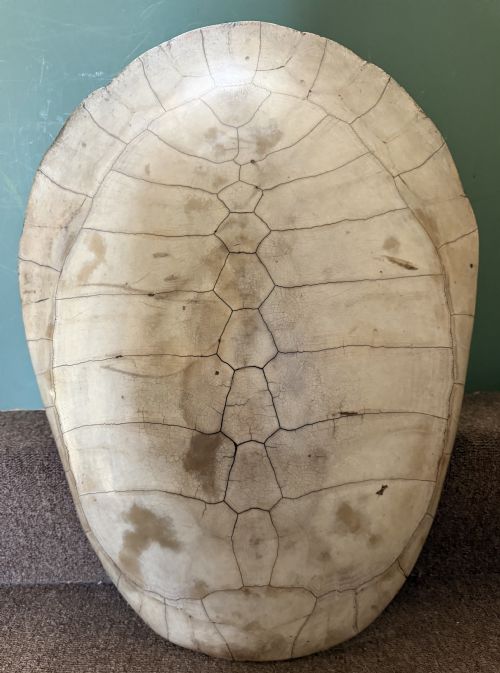
A complete Tridacna Gigantea clam shell sits alongside delicate folk art dioramas made by seaside enthusiasts.
Barr Flight and Barr·Rene Lalique
The Antique Shell Display Glossary
- Vitrine
- A glass-fronted cabinet or display case specifically designed for showing fragile objects and curiosities. These pieces often feature fine woodwork and glazed panels to protect contents from dust.
- Diorama
- A three-dimensional scene, in this context constructed from natural seashells and related materials within a framed enclosure. Such works reflect popular folk art traditions of the early twentieth century.
- Grotto
- A decorative architectural or ornamental recess, occasionally represented in miniature form as a shell-encrusted display. These items draw on eighteenth and nineteenth-century garden and interior design motifs.
- Marquetry
- The art of applying pieces of veneer to a structure to form decorative patterns and pictures. Dutch examples frequently employ this technique on cabinet surfaces.
- Ammonite
- A fossilised cephalopod mollusc shell collected as a natural history specimen. Victorian collectors prized these geological finds for display in studies and cabinets.
Antique Shell Display: Frequently Asked Questions
What is an antique shell display?
An antique shell display covers natural specimens like ammonites and clams alongside the cabinets, vitrines, and framed dioramas built to show them off. These objects reflect historical interests in natural history and maritime collecting.
Items range from early folk art pictures to nineteenth-century mahogany cabinets fitted with glass doors to protect delicate natural specimens from damage.
How were shell displays used historically?
Naturalists and collectors used vitrines and dedicated cabinets to organise and exhibit specimens gathered from global travels. Framed pictures and dioramas served as decorative wall art in domestic interiors.
Display furniture allowed owners to share their curiosity collections with guests while keeping fragile organic materials safe from handling and environmental wear.
How do I care for shell displays?
Protect delicate shellwork and coral by keeping displays out of direct sunlight, which can fade natural colours over time. Maintain stable indoor humidity to prevent wood cabinets and organic specimens from drying out.
Clean glass panels gently with appropriate cleaners, taking care not to disturb fragile interior arrangements or unglazed natural history specimens.
How do I date an antique cabinet?
Examine the timber species, construction joints, and glass types used in the manufacture of the cabinet or vitrine. Georgian and Victorian pieces exhibit distinct joinery methods and hardware styles characteristic of their respective periods.
Compare decorative elements like marquetry inlay or architectural mouldings against known historical styles to narrow down the decade of production.