



Antique Shelf Ends
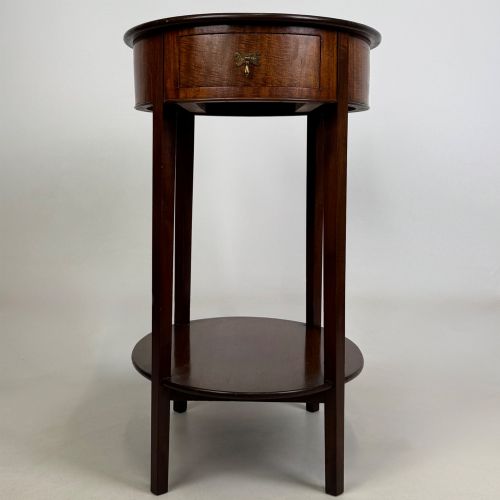
These antique shelf ends, encompassing bookends and table ends, bring practical weight and period character to domestic spaces.
Antique Shelf Ends
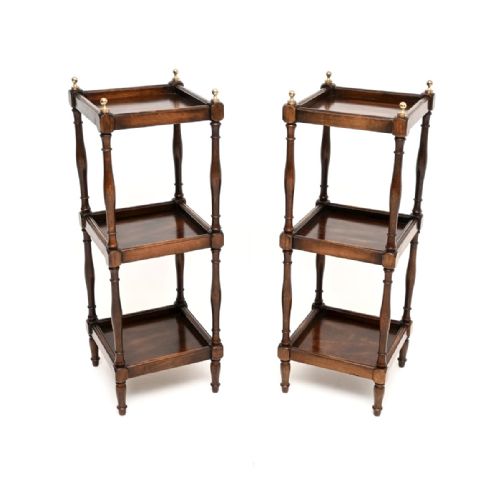
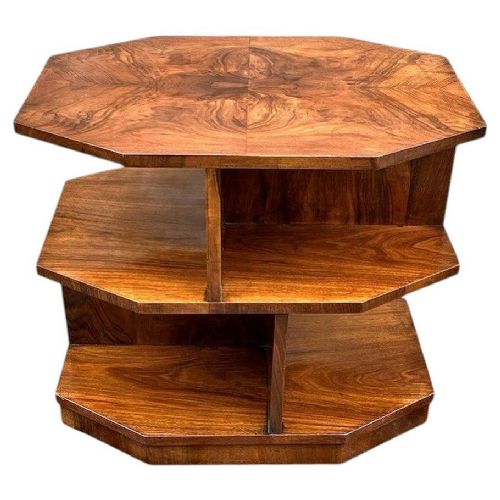
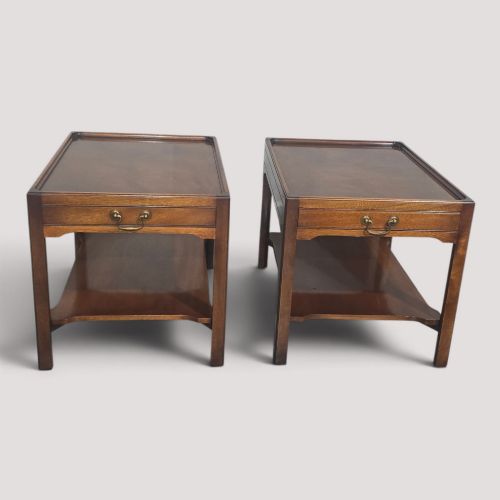
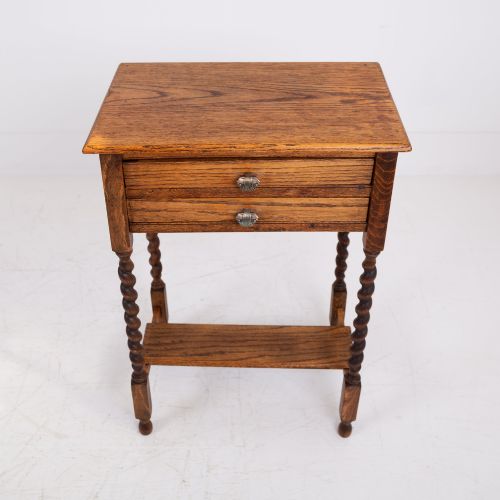
When you search for antique shelf ends, you encounter items designed to anchor rows of books or serve as end supports, alongside small tables that anchor room corners. The selection spans the Victorian era through the Edwardian period and into the 1930s Art Deco movement.
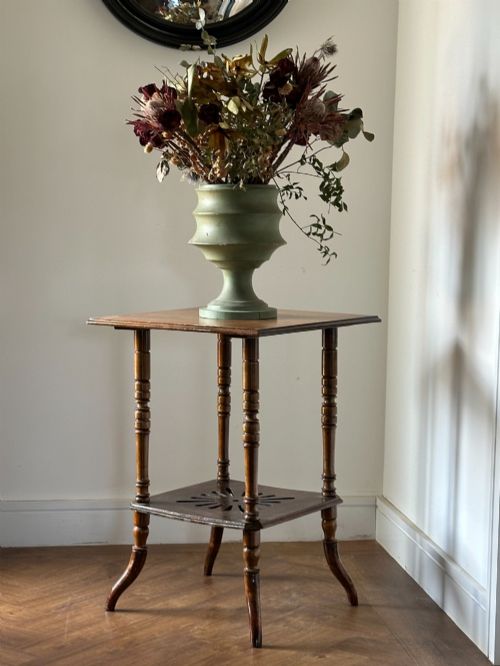
The most common forms you meet on this page are bronze, brass, spelter, alabaster, and metal bookends depicting figures and animals, alongside small occasional tables and side pieces in mahogany, oak, and walnut.
How they were made
Metal bookends rely on casting techniques in bronze, brass, and spelter, often combined with heavy bases of marble or alabaster to secure books on shelves. Wooden pieces utilise traditional joinery in timbers such as mahogany, oak, satinwood, and ebonised wood.
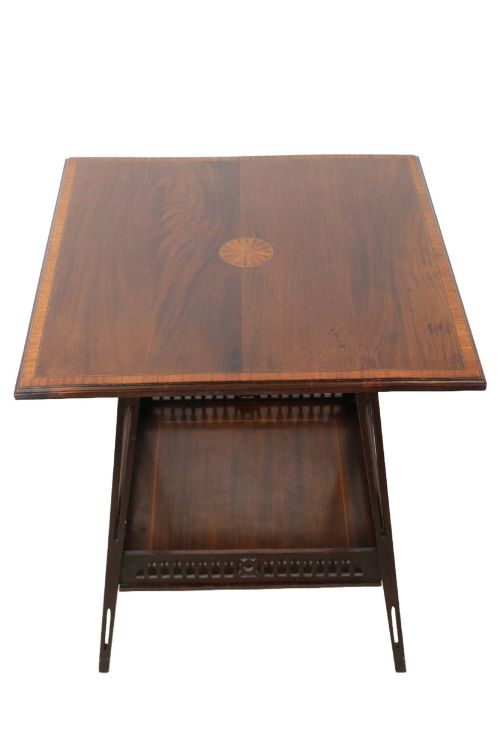
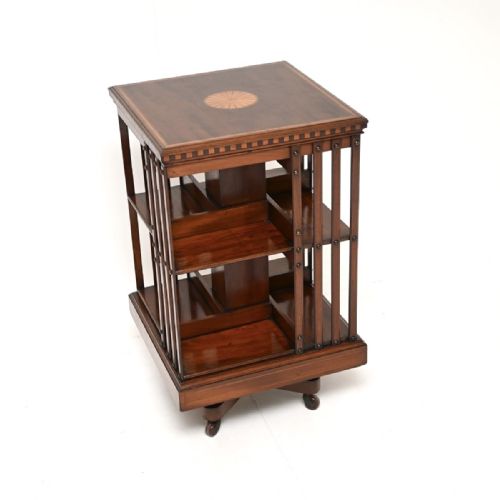
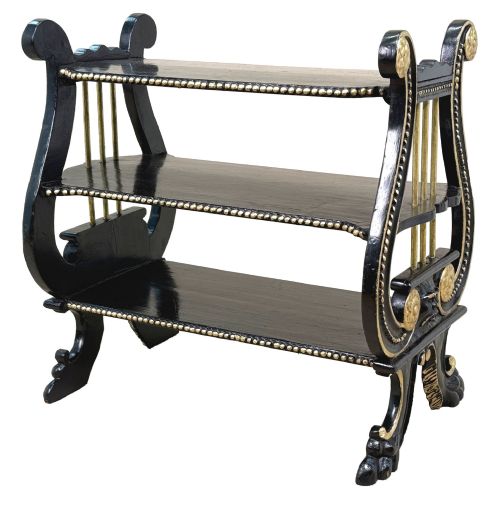
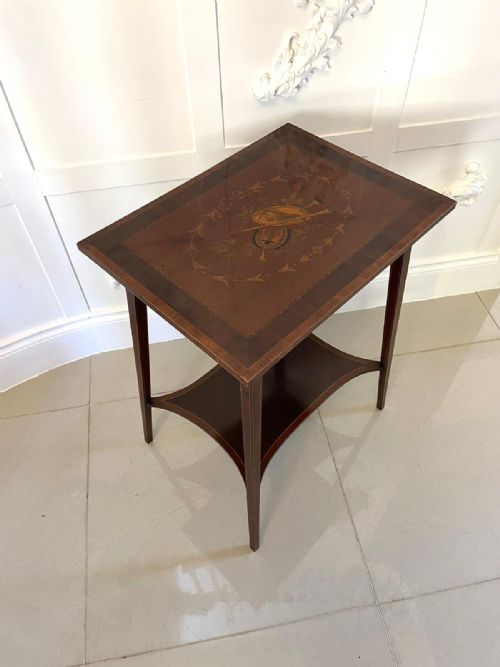
Surface treatments range from marquetry and wood inlay to parcel gilding, fretwork carving, and chrome plating, reflecting the decorative tastes of the nineteenth and twentieth centuries.
Spaniel dogs and sea lions make unexpected guards for your reading material.
What varies in quality
Quality rests in the crispness of the metal casting or the precision of the cabinetwork, distinguishing workshop output from mass production. Material selection also dictates worth, where dense hardwoods, genuine bronze, and fine stone mark out superior examples.
Design ambition separates basic items from pieces displaying distinct aesthetic movements, such as Arts and Crafts handcrafting or French Art Deco styling.
Trevor Page & Co·C Omin·Gillows
The Antique Shelf Ends Glossary
- Spelter
- A zinc alloy commonly used as a cost-effective alternative to bronze for decorative figures and bookends, often given a patinated finish. It requires gentle handling to avoid surface knocks.
- Marquetry
- The art of applying pieces of veneer to a structure to form decorative patterns and pictures. It appears on fine tables from the nineteenth century.
- Étagère
- A piece of furniture consisting of a set of open shelves for displaying small objects. These tiered stands often serve as decorative end units.
- Ebonised
- Wood treated with a stain or finish to imitate ebony. This dark finish gained popularity during the Victorian period.
- Parcel Gilded
- Partially gilded with gold leaf or powder, highlighting specific carved details or mouldings on furniture and decorative objects.
Antique Shelf Ends: Frequently Asked Questions
How do I style bookends?
Pair heavy metal bookends with substantial volumes to ensure stability on open shelving. They anchor rows of books effectively while introducing sculptural form to a room.
Position them on mantelpieces or desk ends where their materials complement surrounding wood and metal furnishings.
Are these table ends sturdy?
Tables designed as end pieces utilise solid timbers like oak and mahogany, built to withstand daily use beside chairs and beds. Their smaller footprints suit compact spaces.
Check the joints and legs during placement to ensure they sit level on uneven period floors.
What periods do these pieces represent?
The selection spans from the late nineteenth century through the Edwardian era and into the 1930s. You find Victorian dark woods alongside crisp Art Deco metals and alabaster.
Each era brings distinct silhouettes, from ornate revival styles to streamlined modernist designs.
How do I care for wooden shelf ends?
Maintain wooden surfaces with appropriate wax polishes to preserve the grain and prevent the timber from drying out. Avoid placing them in direct sunlight.
Dust regularly with a soft cloth to keep marquetry and inlaid details clear of buildup.