








Antique Shallow Plates
These antique shallow plates bring together centuries of global ceramic and glass artistry, offering versatile display forms for the discerning collector.
Antique Shallow Plates
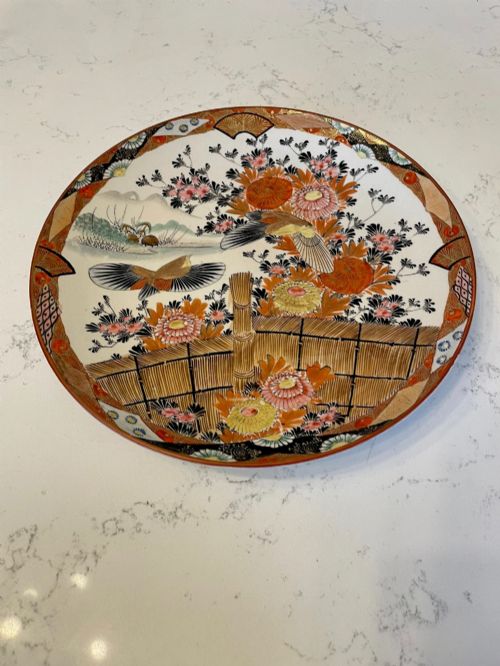
When searching for antique shallow plates, buyers encounter a diverse selection ranging from delicate Asian porcelains to substantial European earthenware and moulded glass. These pieces encompass decorative dishes, chargers, and soup bowls spanning multiple centuries.
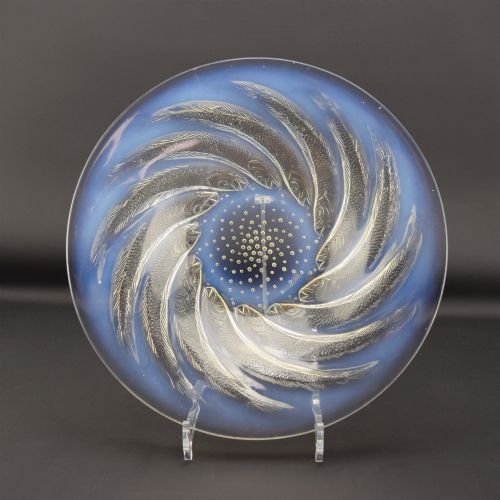
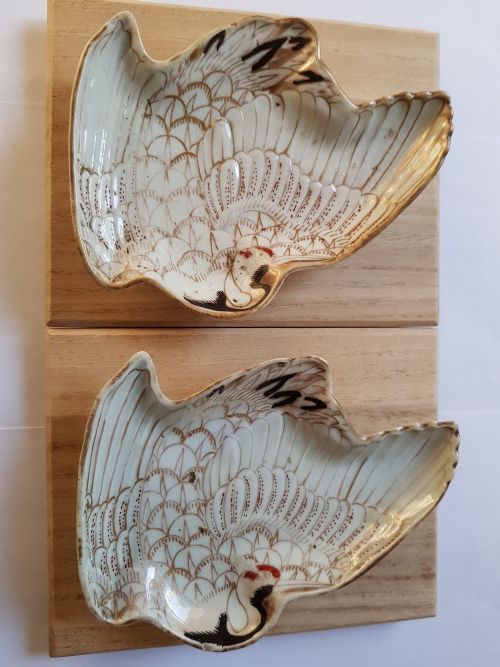
Forms vary from large chargers and twin fish dishes to specialised opalescent coupe plates and blue and white Delft wares, providing ample choice for table display or wall mounting.
Assessing quality and craftsmanship
Quality in these objects is determined by the precision of the hand painting, the clarity of the glaze, and the preservation of delicate surface details like gold leaf and enamel. Superior examples exhibit crisper moulded relief work and intentional artist signatures or period reign marks.
The finesse of the material itself, whether translucent porcelain, heavy opalescent glass, or robust ironstone, distinguishes standard production pieces from exceptional high-status commissions.
Antique Shallow Plates Retail Price Guide 2026
Typical asking prices for shallow plates among the pieces listed under this phrase on Sellingantiques today, from the lower quarter to the upper quarter. They describe what is for sale here now, not the wider market.
Some nineteenth century Japanese artisans hid fierce marine life like prawns and swimming fish inside otherwise formal decorative bowls.
Rene Lalique·Moorcroft
The Antique Shallow Plates Glossary
- Charger plate
- A large decorative plate traditionally used as a base piece or displayed on its own.
- Opalescent glass
- Glass containing ingredients that create a milky, semi-translucent appearance with shifting blue or amber tones.
- Imari
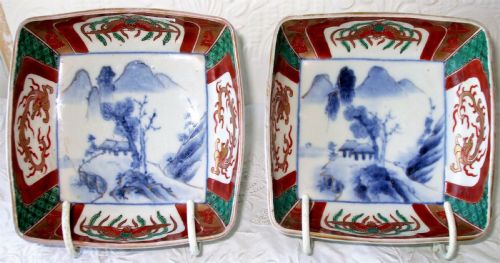
- A style of Japanese export porcelain featuring characteristic blue, iron red, and gold decoration.
- Celadon
- A term for pottery denoting both wares glazed in jade green and the specific green glaze itself.
- Ironstone
- A type of durable earthenware patented in the nineteenth century to rival true porcelain.
Antique Shallow Plates: Frequently Asked Questions
How do I display antique shallow plates safely?
Wall mounting requires specialised plate hangers with rubber-coated prongs to protect the edges from chips and pressure fractures.
Cabinet display offers superior protection from dust and accidental knocks while allowing proper illumination of surface details.
Can I use these plates for serving food?
Older ceramics often possess softer glazes and historic hairline fractures that absorb liquids and harbour bacteria over time.
Gentle hand washing is essential for preservation, and many collectors restrict these items to visual display rather than daily dining.
What is the difference between Imari and Famille Rose?
Imari wares rely on a distinct palette of cobalt blue underglaze combined with iron red and gold overglaze, originating in Japan.
Famille Rose pieces utilise an opaque pink enamel derived from colloidal gold, characteristic of Chinese Qing dynasty ceramics.
How do I date an antique shallow plate?
Dating relies on identifying maker marks, reign characters, stylistic motifs, and the specific texture of the ceramic body or glass.
Comparison with documented examples from periods like the Meiji era or Qing dynasty helps narrow down the manufacturing decade.