






Antique Shadow Box Frame
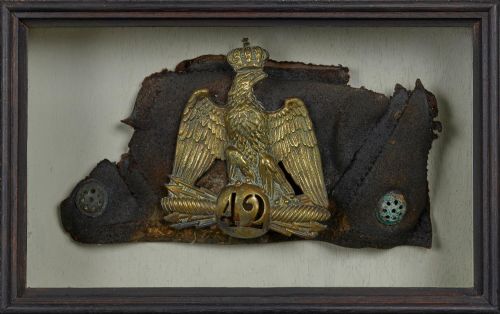
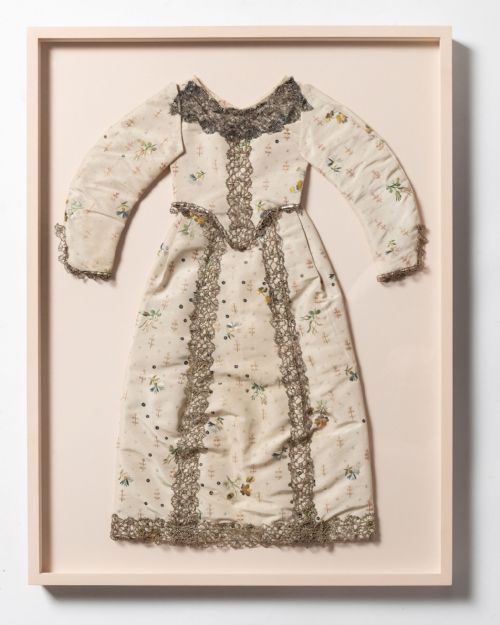
An antique shadow box frame holds depth and narrative, enclosing three-dimensional scenes, maritime dioramas, and preserved natural history behind glass.
Antique Shadow Box Frame
When you search for an antique shadow box frame, you encounter deep display enclosures designed to protect and present three-dimensional objects rather than flat paintings or prints. The forms on this page span maritime dioramas, taxidermy displays, folk art townscapes, and devotional boxes.
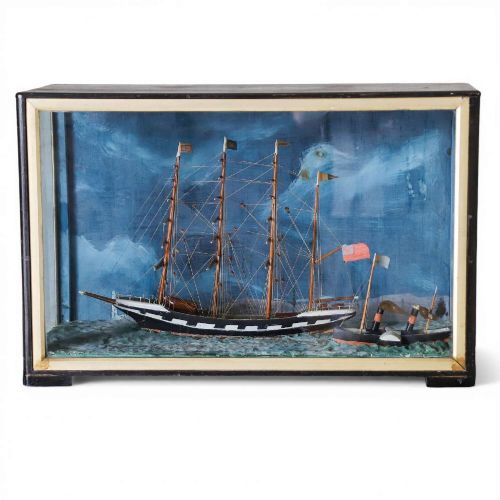
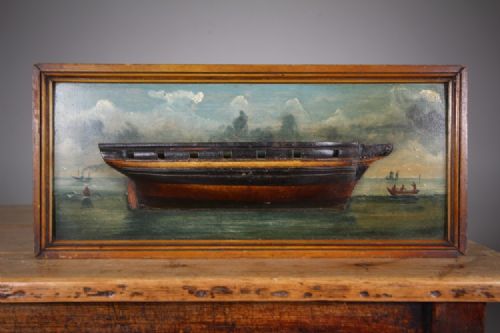
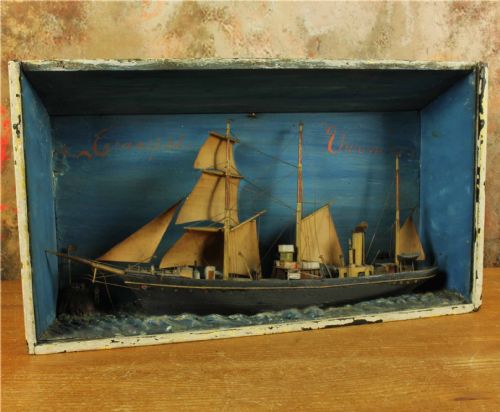
The version you are most likely to meet on this page is the Victorian maritime diorama or folk art ship model, framed in deep wood with a glazed front. These pieces emerge predominantly from the nineteenth century, including specific dates around 1850, 1860, 1880, 1900, 1910, and 1920.
Beyond marine subjects, the selection extends to natural history displays such as kingfishers and owls in oak cases, alongside shell work, cork work, straw work, and French devotional boxes containing glass figures. Each object utilises the box format to create a contained perspective.
Materials and construction
Makers constructed these deep enclosures primarily using timber frames such as oak and mahogany, fitted with clear glass panels to protect the delicate contents within. The interiors often incorporate painted canvases, paper backgrounds, or velvet mounts to establish a theatrical backdrop for the main subject.
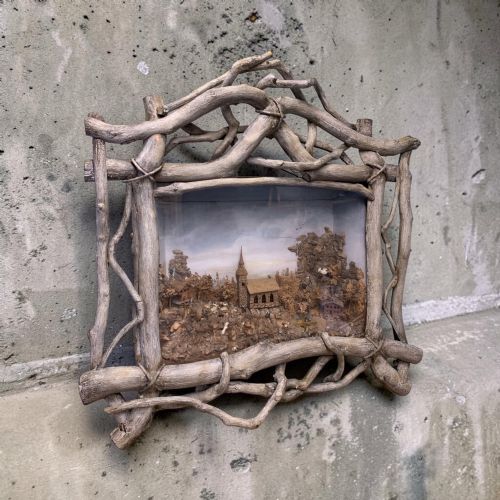
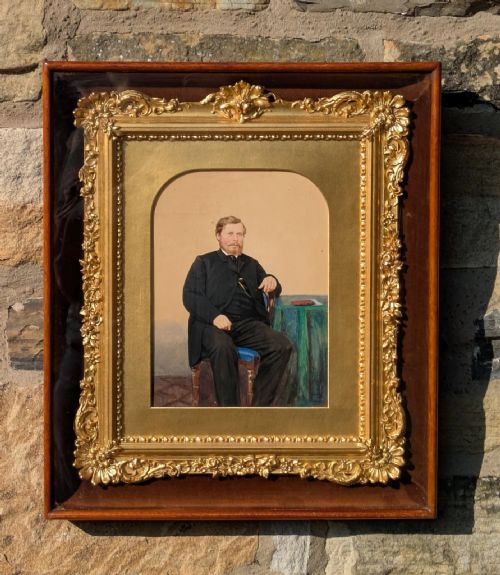
The internal elements demonstrate varied folk art and professional techniques, utilising cork, carved wood, textiles, lace, feathers, and dried plant materials to build layered scenes. Pigments and paint bring depth to seascapes and townscapes, while gilding frequently highlights the exterior picture frames and display cases.
Antique Shadow Box Frame Retail Price Guide 2026
Typical asking prices for shadow box frame among the pieces listed under this phrase on Sellingantiques today, from the lower quarter to the upper quarter. They describe what is for sale here now, not the wider market.
An anonymous maker once turned humble cork and stray twigs into an elaborate diorama, proving imagination needs no expensive materials.
Judging quality in shadow boxes
Quality in these enclosed displays rests on the complexity and preservation of the internal composition, whether it is a scratch-built ship model or taxidermy. Superior examples maintain intact painted backgrounds and tightly secured components that have resisted shifting over time.
The joinery and finish of the outer frame also signal standard, with carved and gilded wood or solid mahogany housings outlasting simpler constructions. The harmony between the framing box and the enclosed artefacts dictates the overall impact of the piece.
The Antique Shadow Box Frame Glossary
- Shadow Box
- A deep, glass-fronted frame designed to display three-dimensional objects and dioramas securely. It creates a protected environment for fragile materials.
- Diorama
- A three-dimensional scene depicting historical events, maritime subjects, or landscapes using modeled figures and painted backgrounds. These often use cork, wood, or textiles.
- Taxidermy Display
- The preserved mount of animals or birds arranged within a glazed wooden case, frequently set against a painted natural backdrop. They were popular in Victorian interiors.
- Gilt Frame
- A wooden picture or display frame coated with gold leaf or metallic paint to create a lustrous surface. They range from simple mouldings to ornate French revival styles.
- Folk Art
- Objects created by self-taught makers using traditional craft methods outside academic traditions. Examples include scratch-built ship models and shell arrangements.
Antique Shadow Box Frame: Frequently Asked Questions
What is a shadow box frame?
A shadow box frame is a deep, glazed enclosure built to house and display three-dimensional objects, keepsakes, and dioramas.
By extending forward from the wall, it creates physical depth that protects delicate items behind glass while keeping them fully visible.
How were maritime dioramas made?
Maritime dioramas were constructed using carved wood, canvas, cork, and painted backgrounds to recreate sailing ships upon three-dimensional waves.
Makers often incorporated real materials like textiles and paper to add texture to the rigging, sails, and surrounding seascape.
How do I hang a deep frame?
Deep frames require secure wall fixings due to the combined weight of the wooden housing, glass, and internal display elements.
Using sturdy picture wire and heavy-duty wall hooks ensures the frame remains balanced and stable.
What periods do these pieces date from?
The pieces listed on this page originate primarily from the nineteenth and early twentieth centuries.
Victorian examples dominate the selection, alongside items from the 1850s, 1860s, 1880s, and the early decades of the 1900s.
Can taxidermy displays be kept in sunlight?
Taxidermy cases and delicate folk art should be kept away from direct sunlight to prevent the fading of feathers, fur, and painted backgrounds.
Stable indoor temperatures also protect the wooden frames and internal mounts from warping or degradation.