





Dark Academia Portrait
A dark academia portrait brings the moody gravity of centuries past into a room through oil paint on canvas and plaster busts.
Dark Academia Portrait
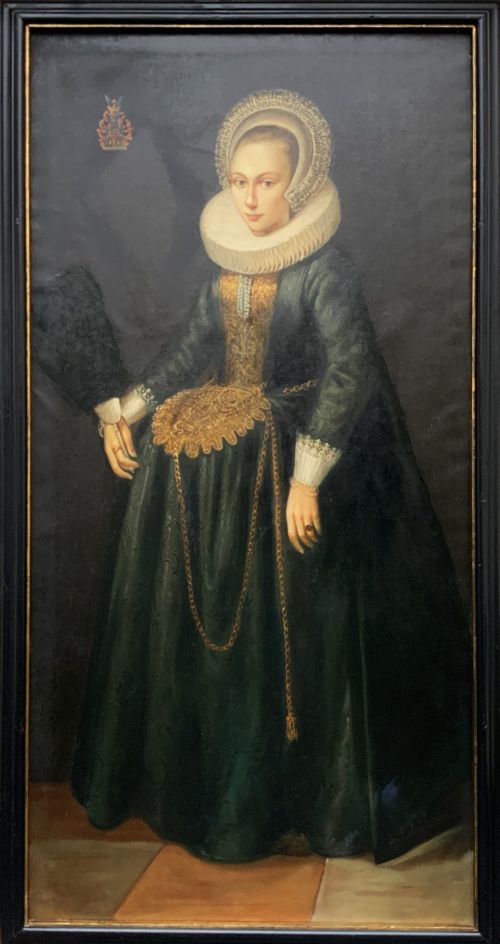
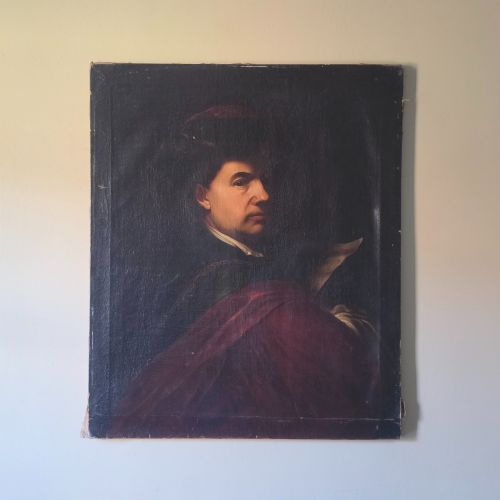
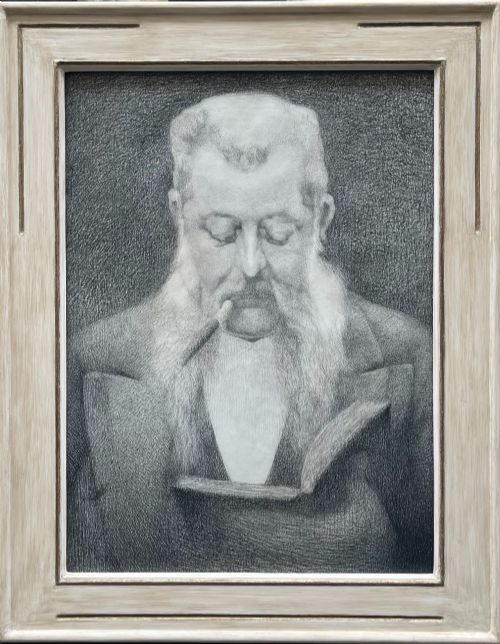
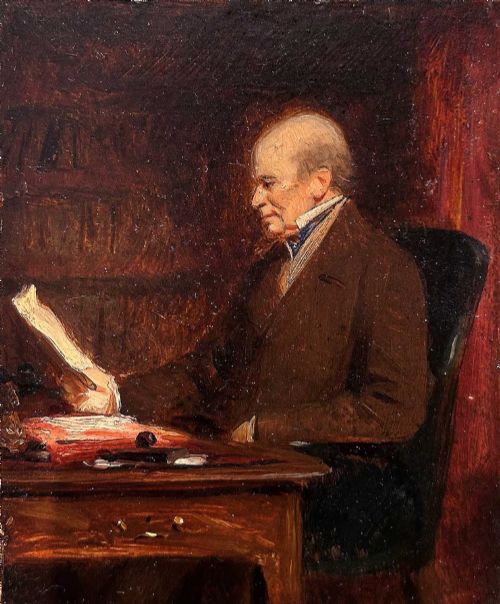
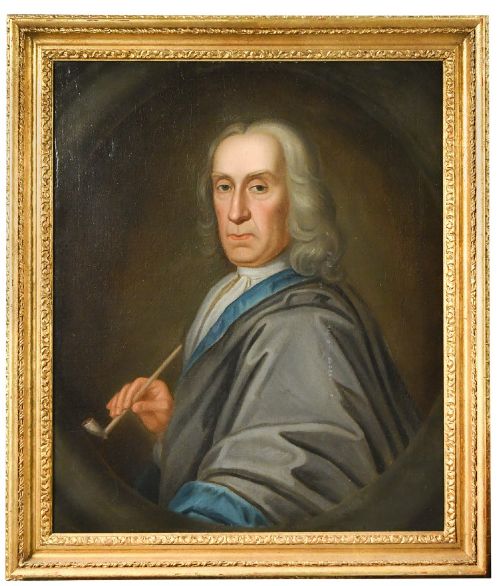
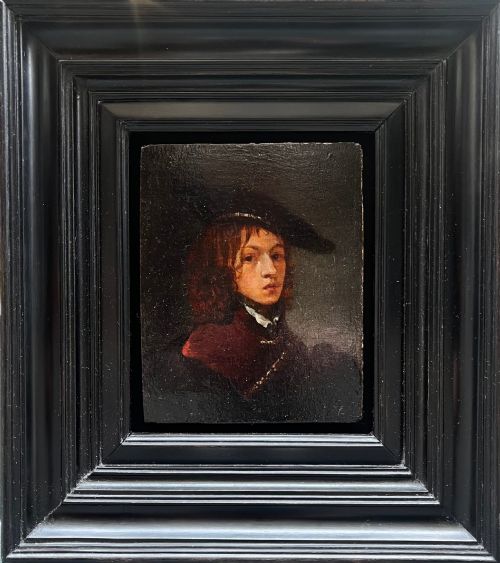
A dark academia portrait captures the solemn mood of bygone centuries through oil on canvas, oil on board, and painted plaster. These works range from seventeenth-century Dutch school paintings and eighteenth-century Georgian canvases to nineteenth-century Victorian studies.
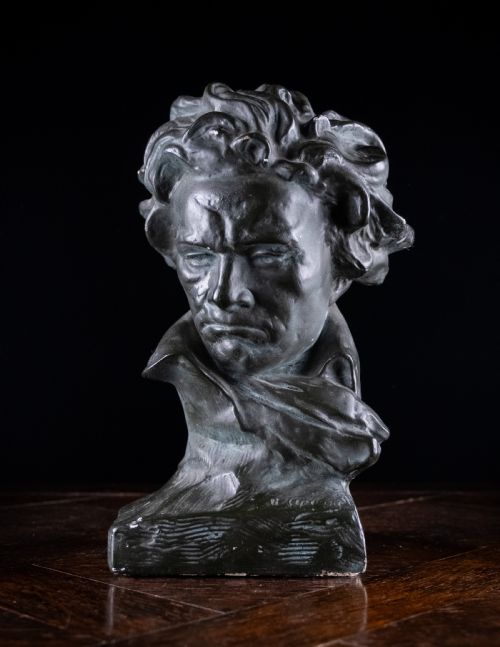
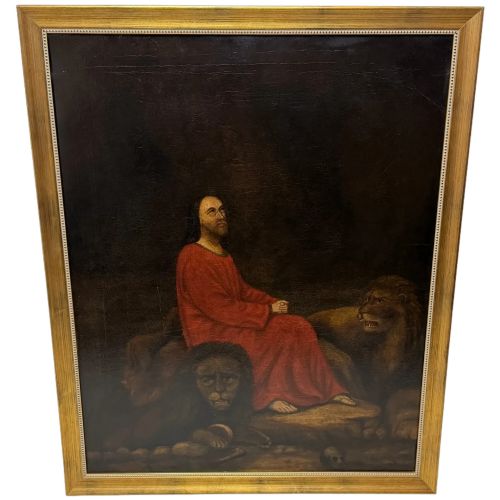
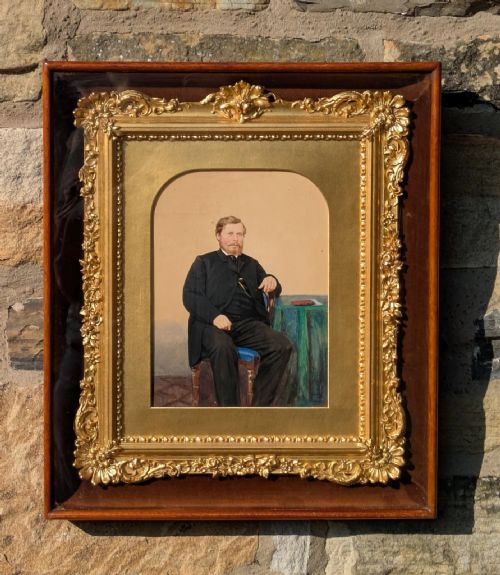
Buyers encounter depictions of gentlemen in ruffs, scholars with books, Biblical narratives, and plaster busts set on marble plinths. The selection draws heavily on English, Scottish, and continental schools spanning multiple eras.
How they were made
Makers utilised oil paint applied to canvas, wood, copper, and board, often finished with gold leaf accents and deep glazed box frames with velvet mounts. Sculptural pieces rely on moulded plaster, simulated stone, and black marble plinths.
Traditional techniques involve layering oil pigments to build deep shadows and sombre tones suited to the academic aesthetic. Plaster forms are cast and finished by hand to resemble carved stone or historical subjects.
Dark Academia Portrait Retail Price Guide 2026
Typical asking prices for dark academia portrait among the pieces listed under this phrase on Sellingantiques today, from the lower quarter to the upper quarter. They describe what is for sale here now, not the wider market.
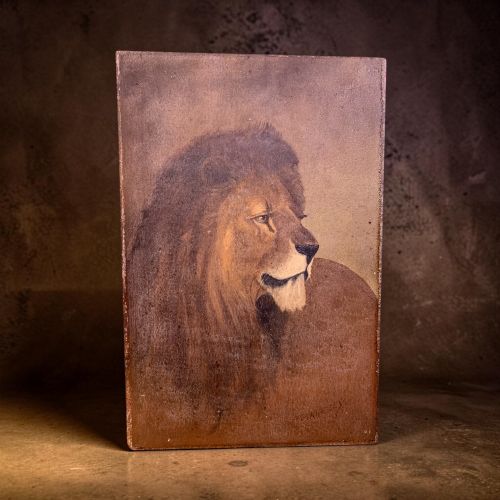
One nineteenth-century artist recorded a lion in naive folk art style alongside the usual assembly of stern gentlemen and scholars.
What varies in quality
Quality rests in the precision of the brushwork and the psychological depth captured in the subject's expression. Pieces attributed to specific schools or known artists display superior handling of light, dark, and anatomical proportion.
Materials also dictate the tier of a piece, from simple nineteenth-century oil boards to elaborate seventeenth-century works on copper or canvas housed in period gilt frames.
Stephen Pearce·Herbert Butler·James Archer·George Dowdney·John Scougall·Stephen Taylor·Otto Rothenburgh·Joshua Reynolds·Lemuel Francis Abbott
The Dark Academia Portrait Glossary
- Oil on canvas
- Pigments bound in a drying oil medium applied to a stretched woven fabric support. This method allows for subtle blending and rich tonal depth.
- Plaster bust
- A three-dimensional sculptural portrait moulded from gypsum plaster, often depicting historical figures or gentlemen. These are sometimes cast to resemble stone or mounted on marble plinths.
- Georgian
- Pertaining to the period of the British reigns of the Georges from seventeen fourteen to eighteen thirty. Works from this era exhibit classical restraint and formal composition.
- Victorian
- Relating to the reign of Queen Victoria from eighteen thirty-seven to nineteen zero one. This era produced varied portraiture, from naive folk art to academic realism.
Dark Academia Portrait: Frequently Asked Questions
What periods do these portraits cover?
The selection spans from the seventeenth century through the Georgian and Victorian eras up to the nineteen thirties. Pieces include works by early Dutch and English schools alongside later nineteenth-century interpretations.
This broad timeline means collectors can find seventeenth-century oils on copper alongside twentieth-century plaster busts of classical figures.
How are canvas works usually framed?
Many oil paintings arrive in period frames, including Victorian gilt frames and deep glazed box mounts with velvet linings. These heavy frames complement the dark, introspective nature of the artwork.
Alternative presentations include unframed boards or works set upon simple wooden stretchers ready for custom framing.
Are all the pieces paintings?
While most items consist of oil paintings on canvas, board, or copper, the category also includes sculptural works. Painted plaster busts and simulated stone figures of historical personalities appear alongside flat art.
These three-dimensional pieces frequently incorporate materials like black marble plinths to anchor the display.
How do I identify a school or attribution?
Attributions are typically determined by stylistic analysis, signatures, or historical records linking the work to specific continental or British traditions. Listings often reference the English, Scottish, or Dutch school.
Such designations reflect the prevailing techniques and subject matter characteristic of particular workshops or regional traditions.