
Antique Sevres Porcelain
Antique sevres porcelain brings the refined elegance of French court taste into the room through painted plaques, decorative vases and gilt bronze mounts.
Antique Sevres Porcelain
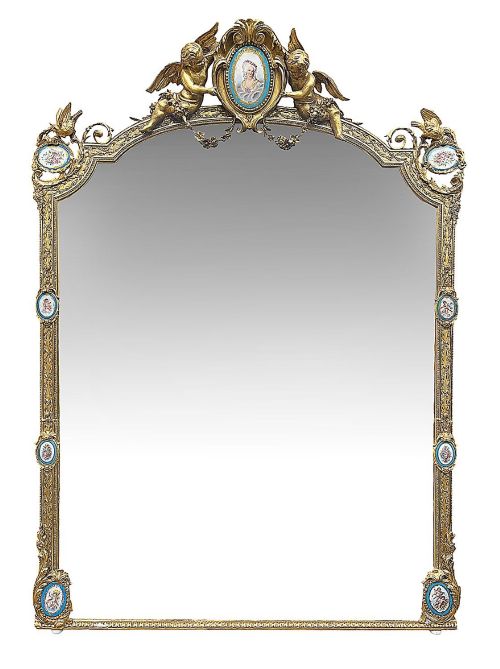
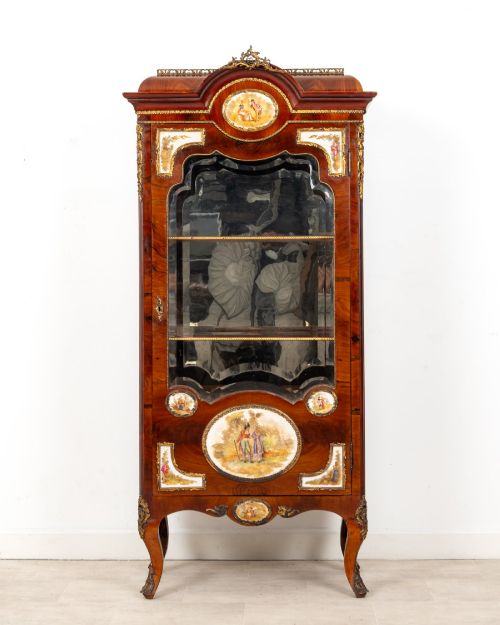
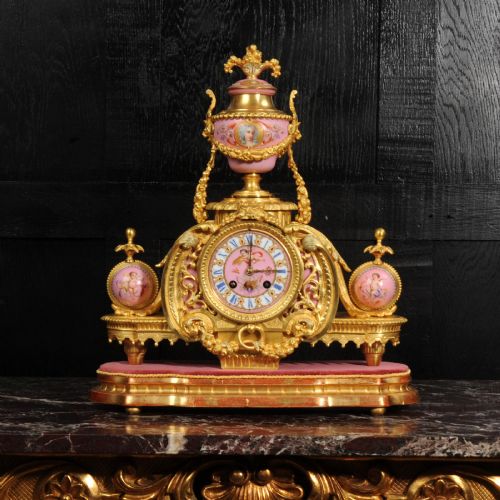
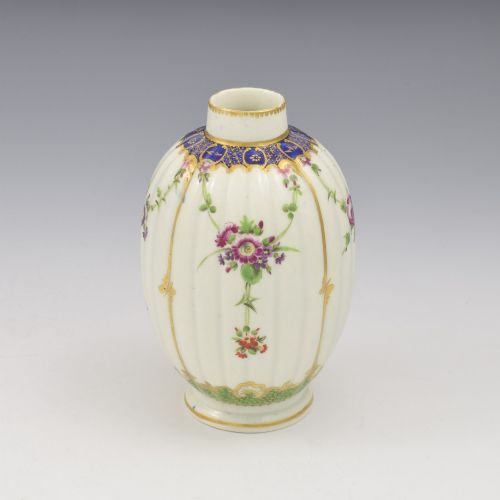
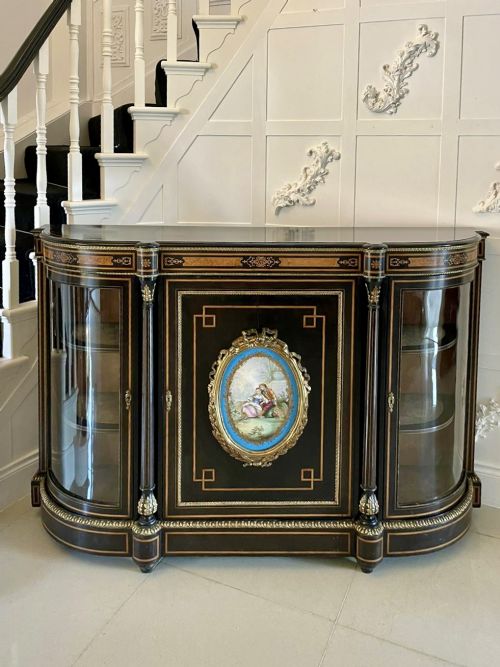
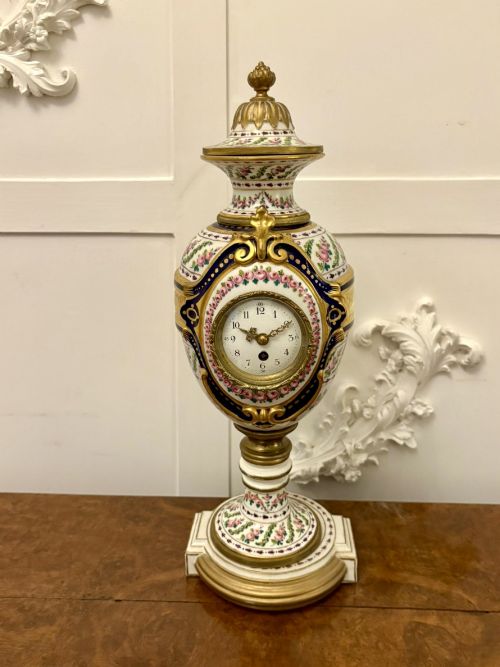
When you search for antique sevres porcelain, you encounter a sophisticated array of decorative arts spanning the eighteenth and nineteenth centuries. The selections range from royal soft-paste teapots produced during the Louis XV period to monumental nineteenth-century mantel clocks, wall mirrors and side cabinets mounted with hand-painted ceramic plaques.
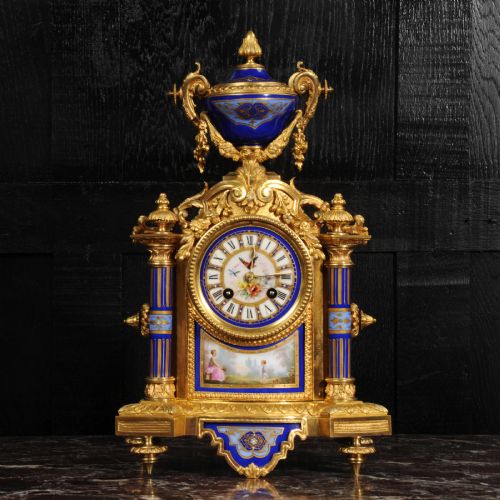
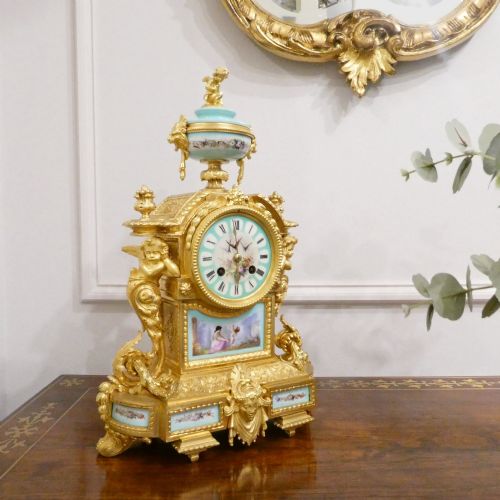
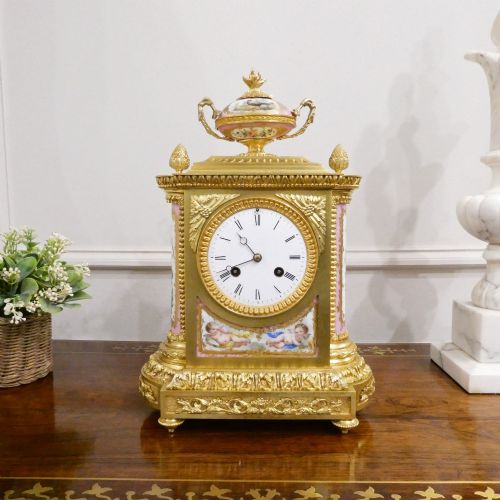
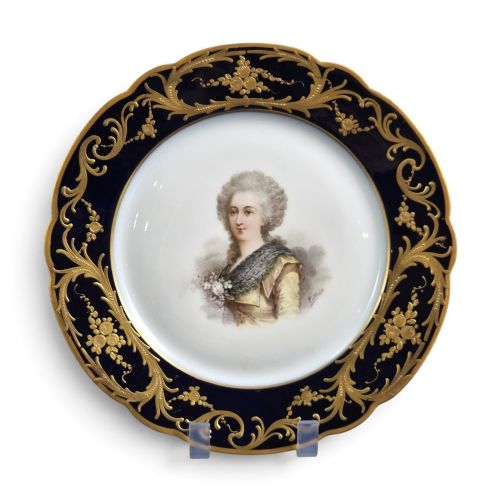
You are most likely to meet nineteenth-century interpretations and revival pieces on this page, including French Second Empire mantel clocks, Louis XVI style gilt bronze clock garnitures and cobalt blue portrait plates. These items merge traditional ceramic artistry with ornate metalwork, serving as both functional furnishings and decorative focal points.
Materials and construction
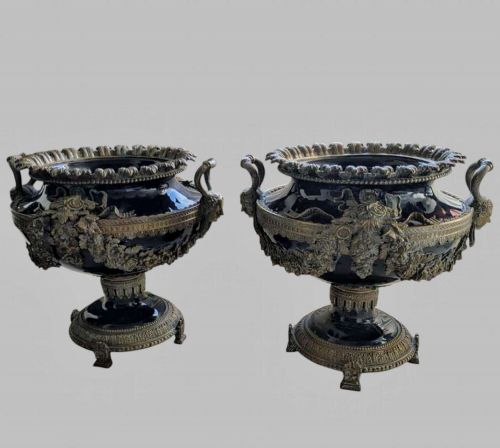
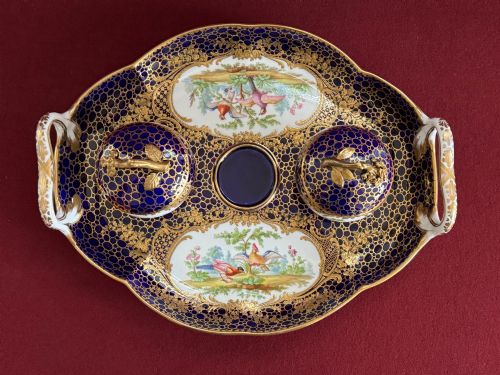
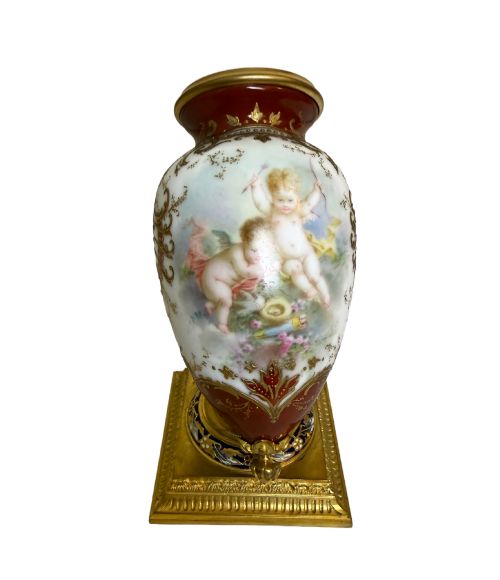
The physical construction of these objects relies heavily on the marriage of ceramic bodies with rich metal mounts. Soft-paste and hard-paste porcelain forms provide the canvas for hand-painted enamel decoration, cobalt grounds and gilt detailing, often shaped into vases, urns, tea wares and flat display plaques.
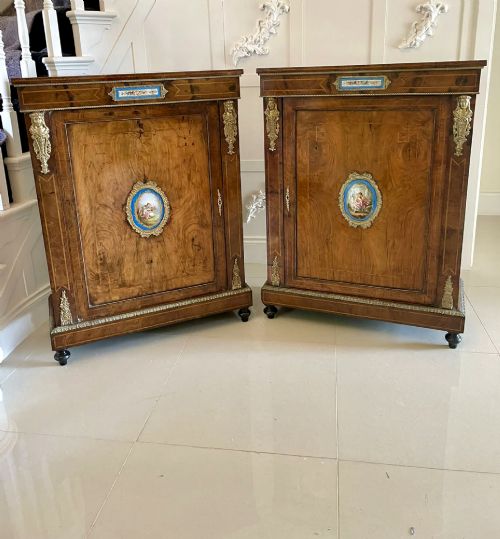
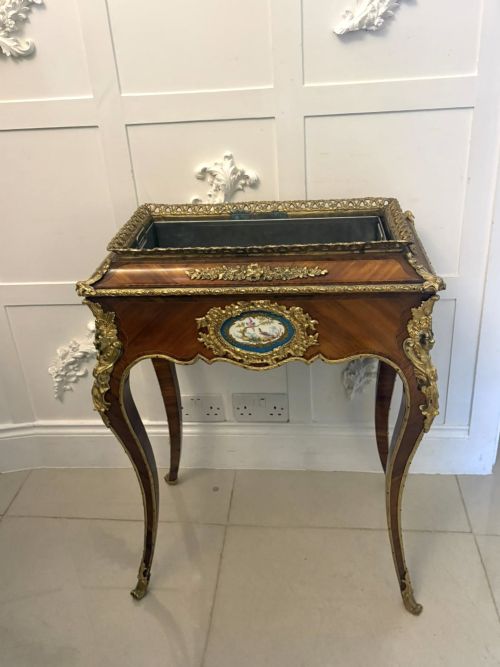
Mounts of ormolu, gilt bronze, brass and gold plate secure and elevate the ceramic components, while underlying furniture pieces utilise burr walnut, kingwood, amboyna and ebonized timber. Enamel dials and glass panels complete complex timepieces and display cabinets, binding diverse crafts into unified decorative objects.
Several items double as concealed weaponry, featuring antique French walking sticks housing hidden sword blades beneath porcelain handles.
Factors that distinguish quality
The refinement of the hand-painted decoration and the crispness of the surrounding metalwork dictate the standard of any piece. Skilled brushwork in portraiture and floral reserves combined with finely chased ormolu mounts separates superior examples from more routine decorative ware.
The integration of ceramic elements into larger furnishings also defines the tier of craftsmanship. Seamless carpentry in walnut and kingwood cabinets housing genuine porcelain plaques represents a significantly higher level of workshop output than mass-produced revival pieces.
Japy Freres·Jean-Baptiste Delettrez·Achille Brocot·Henry Marc·Ambroise Michel
The Antique Sevres Porcelain Glossary
- Ormolu
- Gilded bronze applied as a decorative mount to furniture, clocks and porcelain objects. It provides a bright metallic contrast to the glazed ceramic surfaces.
- Cassolette
- A decorative vessel shaped like a vase or urn, often designed to function as both a perfume burner and a mantel ornament. They frequently incorporate porcelain bodies with metal mounts.
- Litron
- A cylindrical teacup straight-sided in profile, characteristic of eighteenth-century neoclassical ceramic design. It usually sits alongside matching teapots in royal tea services.
- Tazza
- A shallow saucer or bowl raised upon a central foot or pedestal, used for display. These pieces highlight painted landscape or floral scenes across wide ceramic surfaces.
Antique Sevres Porcelain: Frequently Asked Questions
How do I identify true antique sevres porcelain?
Authentic pieces rely on a combination of paste quality, hand-painted detail and historical context rather than relying solely on painted marks. Eighteenth-century examples often show soft-paste bodies and delicate floral or royal insignia, while nineteenth-century revival pieces typically reflect French Second Empire or Louis XVI design idioms.
Examining the relationship between the ceramic plaque and its metal mount also helps determine authenticity. High-grade items demonstrate a precise fit where ormolu or gilt bronze frames the porcelain without excess adhesive or awkward gaps.
Were these porcelain plaques made for furniture?
Cabinet makers during the nineteenth century frequently incorporated painted porcelain plaques into the doors and friezes of side cabinets, credenzas and writing desks. This practice revived eighteenth-century decorative trends where ceramic panels enhanced luxury furniture.
These mounted pieces served primarily to display wealth and artistic taste in formal drawing rooms. The porcelain acted as a vibrant colour accent against dark timbers like burr walnut, kingwood and amboyna.
How should I clean antique porcelain and ormolu mounts?
Maintenance requires dry dusting with a soft brush to remove surface particles from both the glazed ceramic and the metal mounts. Avoid liquid cleaners, chemical solvents or abrasive cloths, as these can strip delicate gilt accents and damage hand-painted enamel details.
Ormolu mounts that have gathered dust over decades are best left untouched or entrusted to a specialist conservator. Aggressive polishing can permanently remove the original fire gilding from the bronze.
What is the difference between hard-paste and soft-paste?
Soft-paste porcelain contains glass frit and clay mixtures fired at lower temperatures, producing a slightly softer glaze that absorbs enamels in a distinct manner. This composition appears frequently in eighteenth-century teapots and plates from the royal factory.
Hard-paste porcelain utilises petuntse and kaolin fired at much higher heats, creating a more durable and vitreous body. Nineteenth-century revival pieces and later cabinet items often utilise this stronger formulation.