



Antique Settee Bench
When you search for an antique settee bench, you encounter seating designed for salons, halls, and gardens across the nineteenth and twentieth centuries.
Antique Settee Bench
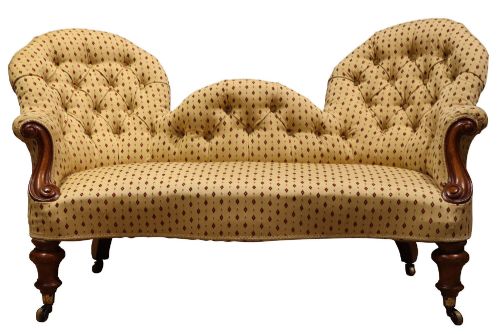
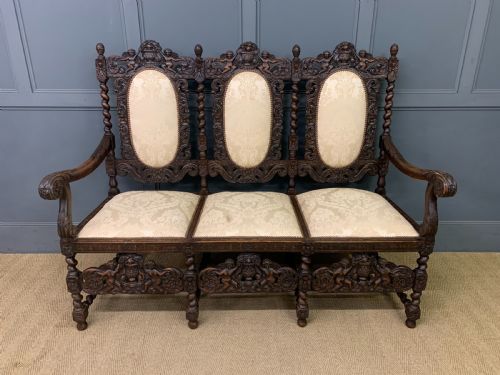
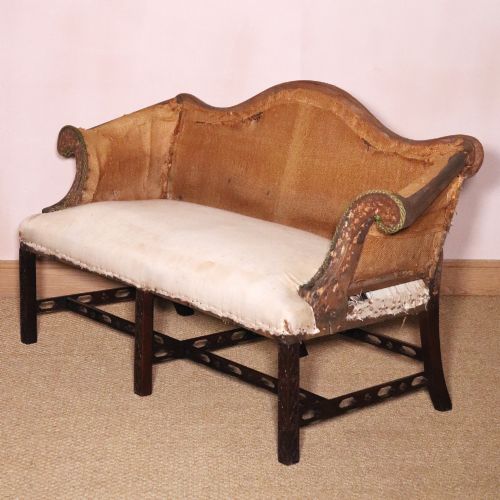
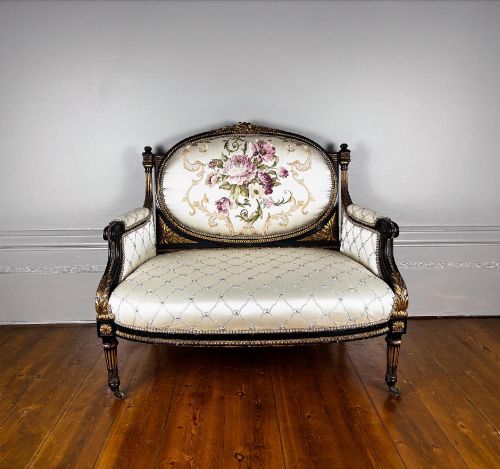
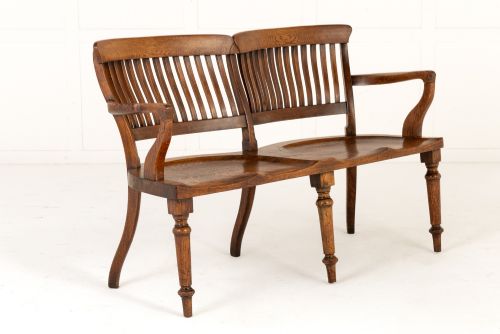
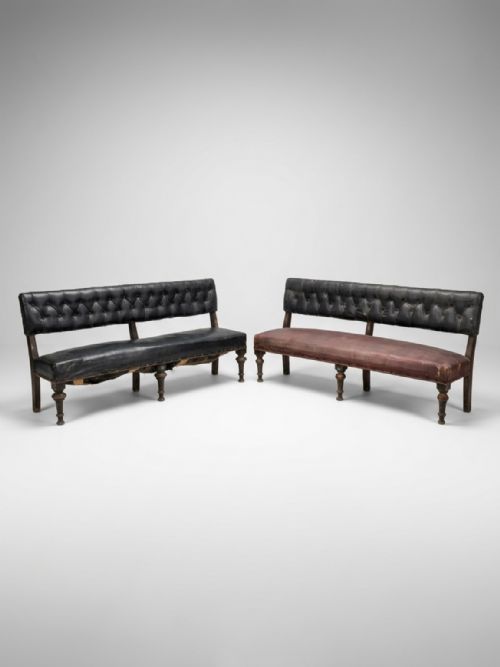
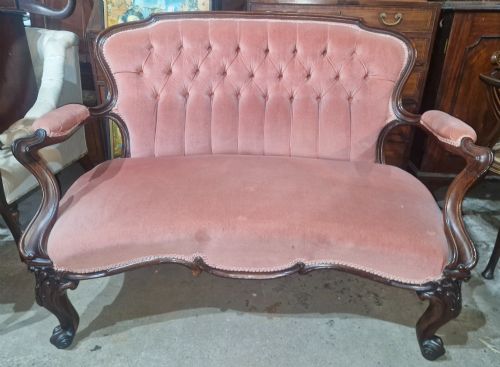
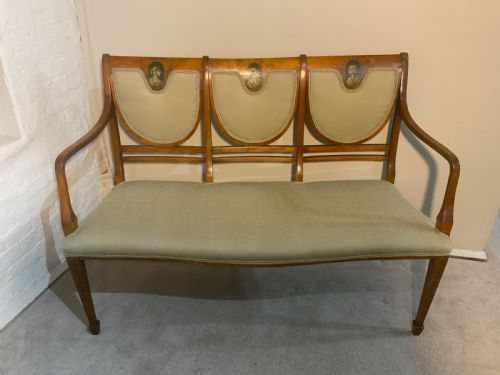
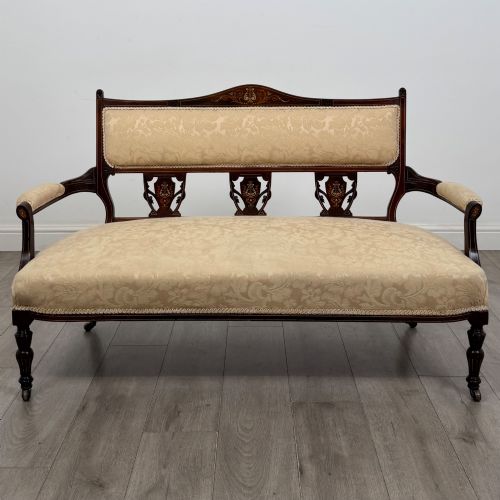
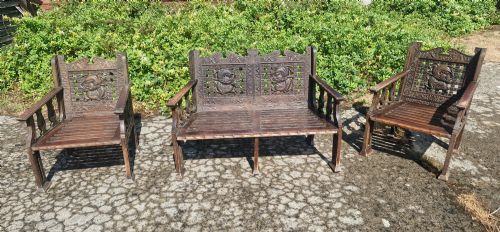
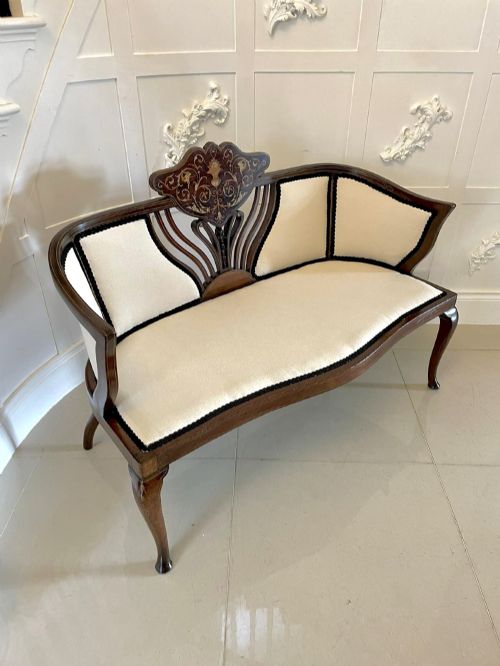
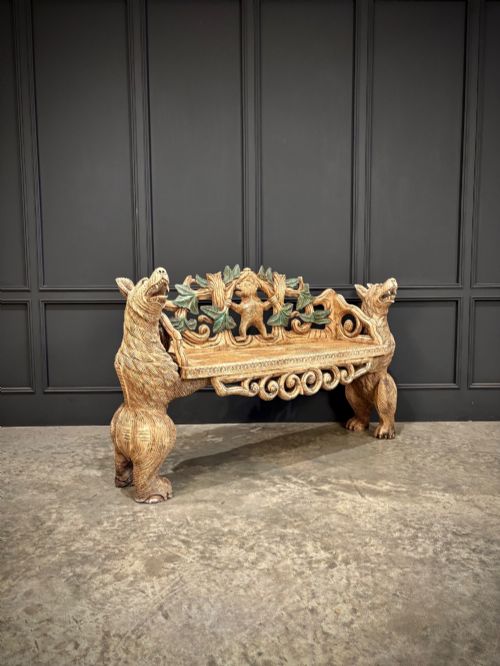
An antique settee bench spans domestic and garden seating, taking forms such as multi-seater sofas, window seats, and hall benches. You find examples stretching from the Georgian and Victorian eras into the Edwardian period and the early twentieth century.
The material vocabulary ranges from mahogany and walnut to rosewood, satinwood, and giltwood, alongside iron and hardwood for outdoor pieces. Frames appear plain or carved, sometimes complemented by inlaid woodwork.
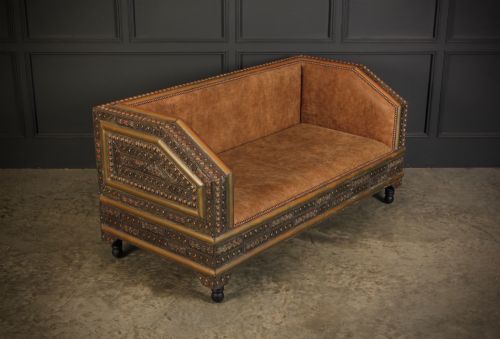
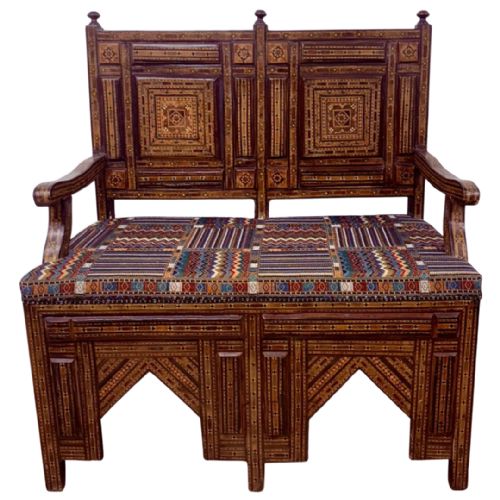
Seating formats vary between upholstered parlour couches, rush-seated hall benches, and cane-panelled day beds. You also meet regional interpretations including Anglo-Indian and Syrian forms alongside French and British styles.
How they were made
Cabinetmakers constructed the structural frames of these pieces using dense hardwoods like mahogany, walnut, and rosewood, often employing traditional joinery to support the weight of multiple sitters. Inlaid details utilised contrasting timbers such as satinwood to decorate the wooden surfaces.
Decorative finishes included hand-carved mahogany scrollwork, ebonising, parcel gilding, and intricate cane panels woven for day beds and salon sofas. Upholstered sections relied on traditional stuffing methods contained within fabric or leather coverings.
Outdoor and garden benches utilised robust metals and regional hardwoods designed to withstand exterior environments, sometimes incorporating cast iron elements shaped in Gothic or decorative patterns.
Antique Settee Bench Retail Price Guide 2026
Typical asking prices for settee bench among the pieces listed under this phrase on Sellingantiques today, from the lower quarter to the upper quarter. They describe what is for sale here now, not the wider market.
Materials recorded across current listings include mahogany, walnut, rosewood, satinwood, giltwood, brass, and fabric.
What varies in quality
The refinement of the carving and the selection of the timber dictate the distinction between standard and exceptional pieces. Dense, figured mahogany or walnut and deeply relief-carved ornament indicate higher workshops.
Structural integrity depends on the retention of original joinery and the harmonious integration of decorative elements like giltwood finishes or intricate marquetry inlay. Pieces that maintain their original frames without heavy timber replacement demonstrate greater integrity.
C. Hindley & Sons·Giles Grendey·Thonet
The Antique Settee Bench Glossary
- Settee
- A long upholstered seat for more than one person, sharing characteristics with a sofa.
- Canapé
- A French upholstered sofa with an exposed wooden frame, popular in various revival styles.
- Inlay
- A technique where pieces of contrasting timber or material are inserted into a recessed wooden surface to form a pattern.
- Giltwood
- Timber treated with gold leaf or gold paint to create a decorative metallic surface.
- Bentwood
- Wood heated and bent into curved structural forms, famously utilised by makers like Thonet.
Antique Settee Bench: Frequently Asked Questions
How do I clean an antique settee bench?
Dust wooden frames regularly with a soft, dry cloth to prevent dirt accumulation on carved surfaces. Protect upholstered fabrics and cane panels by avoiding harsh chemical cleaners and direct sunlight.
For polished timber, apply appropriate wax sparingly to maintain the finish without softening the historic wood. Professional cleaning is recommended for antique textiles and delicate giltwood surfaces.
Where should I place an antique settee bench?
Position your seating away from direct heat sources and radiators to prevent timber from drying and splitting. Hall benches suit entranceways, while upholstered settees anchor living rooms and bedrooms.
Ensure metal garden benches are placed on stable outdoor surfaces and stored appropriately during severe winter weather to preserve their structure.
How do I tell Victorian from Edwardian pieces?
Victorian pieces often feature heavy proportions, dark mahogany or rosewood timbers, and elaborate carving influenced by Gothic or Rococo revivals. Upholstery is frequently deep-buttoned and robust.
Edwardian furniture tends to be lighter in scale, often incorporating satinwood inlay and brighter mahogany framing with influences from earlier eighteenth-century designs.
Can I use an antique garden bench outside?
Metal and treated hardwood garden benches are built for exterior use, but prolonged exposure to moisture can degrade historic finishes. Regular maintenance helps protect the material against weathering.
Many collectors prefer to keep delicate or painted iron benches in sheltered outdoor spots or conservatories to preserve their original painted surfaces.