

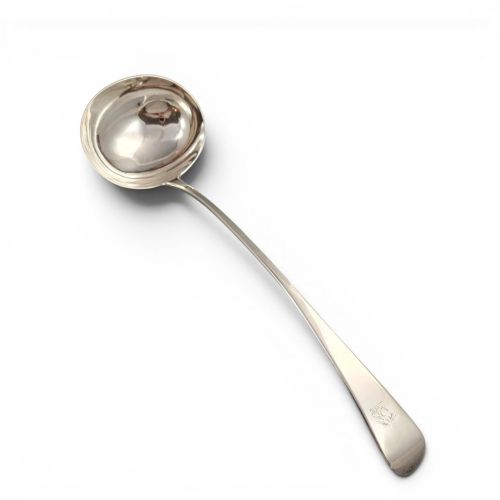



Antique Serving Tureen
An antique serving tureen brings the weight of the dining table from past centuries directly into modern entertaining.
Antique Serving Tureen
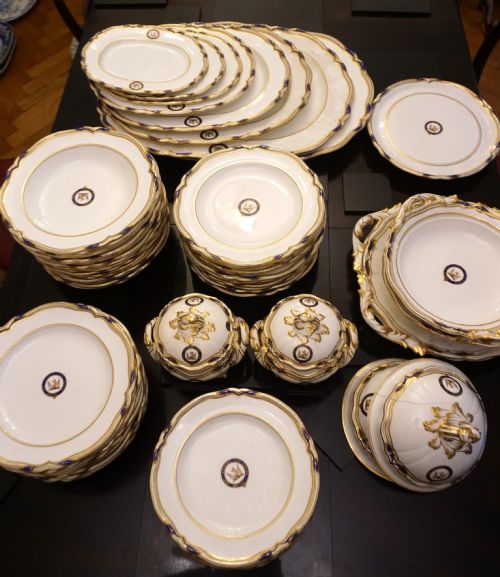
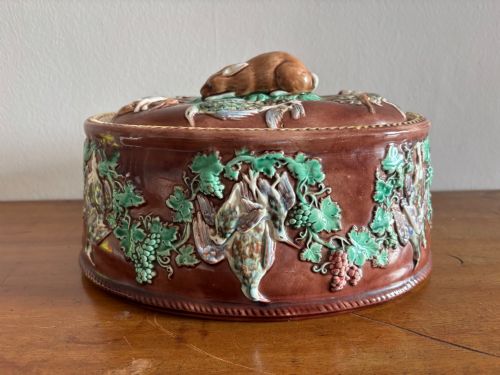
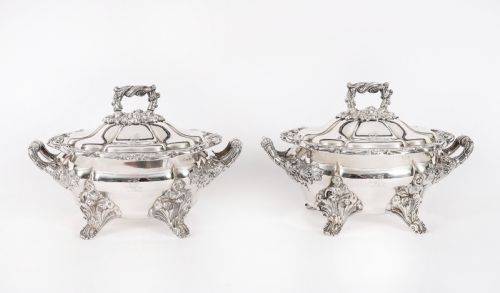
An antique serving tureen is a large, covered vessel designed for holding soups, stews, sauces, or vegetables at the dining table. The pieces found here span the eighteenth, nineteenth, and early twentieth centuries, covering Georgian, Victorian, and Edwardian periods.
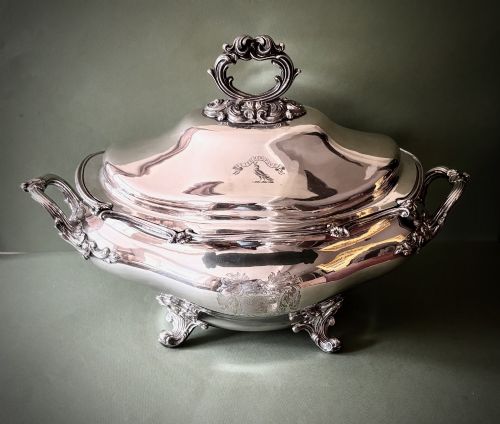
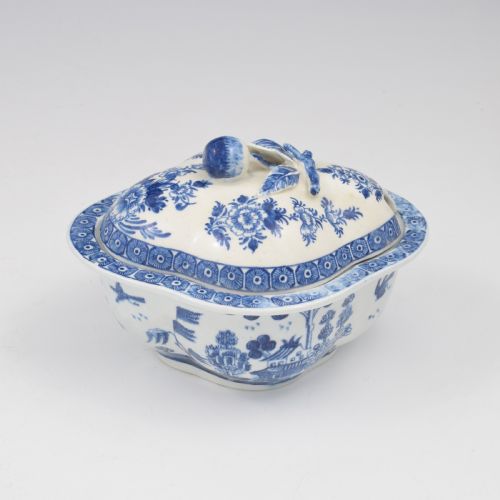
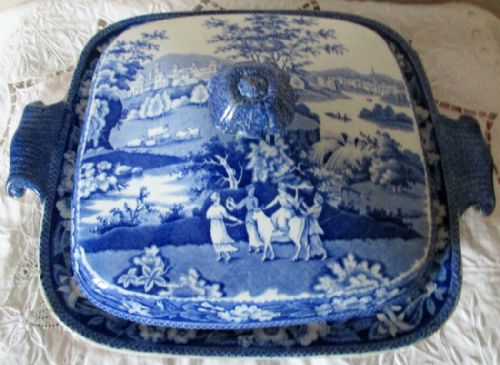
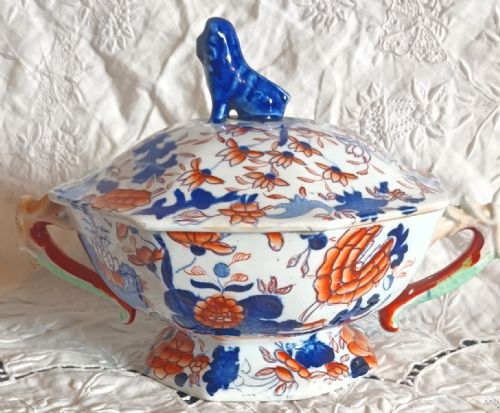
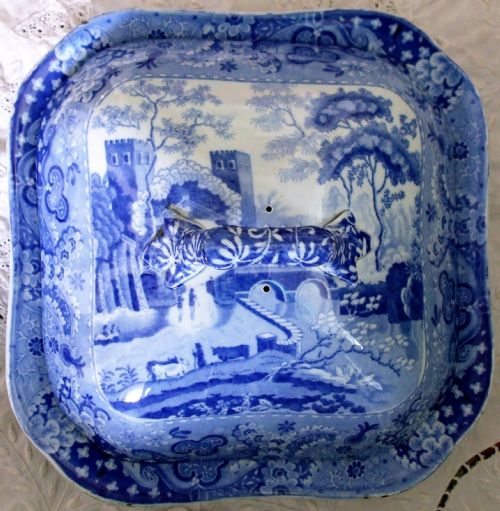
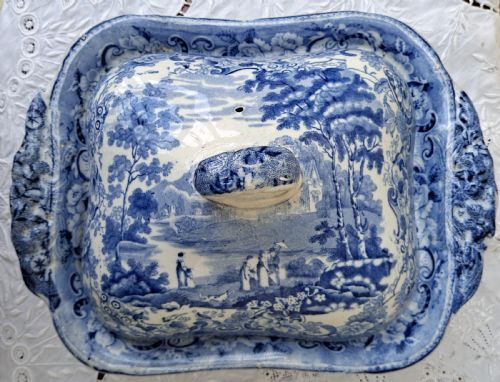
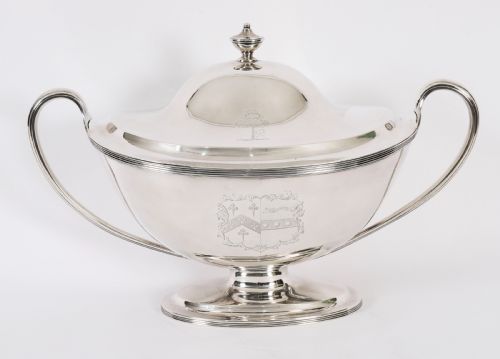
The selection ranges from robust earthenware and ironstone vegetable tureens to delicate porcelain sauce tureens and substantial silver-plated entree dishes. Ceramic examples often feature blue and white transfer prints, while metal pieces showcase the heavy craftsmanship of Old Sheffield Plate and sterling silver.
How they were made
Pottery and porcelain tureens were shaped from clay, glazed, and fired, frequently decorated with transfer printing in blue or intricate hand-painted motifs. Ironstone offered a heavier, more durable ceramic body suited for everyday household service.
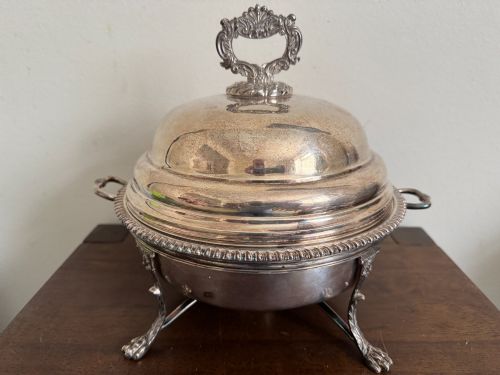
Metal vessels utilised silver plate over copper, or solid sterling silver, shaped through hammering, casting, and soldering. Details such as handles, feet, and lids were cast separately and attached to the main body.
Antique Serving Tureen Retail Price Guide 2026
Typical asking prices for serving tureen among the pieces listed under this phrase on Sellingantiques today, from the lower quarter to the upper quarter. They describe what is for sale here now, not the wider market.
Listings feature items from the 18th Century through the Edwardian period, utilising silver plate, earthenware, ironstone, and porcelain.
What varies in quality
Quality rests in the crispness of the moulded or cast detail and the balance of the form. Finer ceramic tureens display sharp transfer prints and unblemished glazes, while superior metal pieces maintain thick plating and robust structural integrity without distortion.
The presence of original matching covers and ladles elevates a piece. Makers who utilised high-grade materials, such as early Sheffield plate or recognised porcelain bodies, produced items that retain their structural form and decorative clarity over centuries.
James Wallace and Co·J and R Clews·John and Richard Riley·Hukin and Heath·Mappin and Webb·Hamilton and Inches·Daniel and Arter·William Bennett·Flight Barr and Barr
The Antique Serving Tureen Glossary
- Old Sheffield Plate
- A composite material made by fusing a thin sheet of silver to a thicker copper base. This technique was widely used before electroplating was introduced.
- Ironstone
- A heavy, durable type of earthenware patented in the nineteenth century. It resists chipping better than standard pottery while retaining a smooth ceramic finish.
- Transfer Print
- A decorative technique where an engraved metal plate transfers a design onto paper, which is then pressed onto the ceramic surface before glazing. Blue and white patterns were especially common.
- Entree Dish
- A shallow, covered serving vessel designed for individual courses at dinner. They often feature removable handles to allow the lid to double as a secondary serving dish.
- Sauce Tureen
- A miniature version of a soup tureen, specifically scaled for gravies and sauces. These vessels usually sit on an attached or matching undertray.
Antique Serving Tureen: Frequently Asked Questions
How were antique tureens used?
These vessels held soups, vegetables, or sauces at the centre of the dining table for communal serving. Servants brought them to the table covered to keep the contents warm until service.
Larger forms accommodated liquid meals or roasted meats, while smaller sauce tureens accompanied individual main dishes. Lads were frequently paired with the larger soup and punch vessels.
How do I clean silver plated tureens?
Wash metal pieces gently in warm water using mild soap and a soft cloth. Avoid harsh abrasives that wear away the thin silver layer over the copper base.
Dry the pieces thoroughly immediately after washing to prevent water spots. Store them in dry environments to maintain the metal finish.
Can I use ceramic tureens for food?
Most antique ceramic and ironstone tureens remain suitable for serving food today. Inspect the glaze for stability and ensure there are no active repairs or unstable materials.
Avoid placing antique ceramics in modern dishwashers or microwaves. Hand washing preserves the historic glaze and any delicate transfer print decoration.
How do I date an antique tureen?
Dating relies on maker marks, ceramic bodies, and decorative styles like Georgian or Aesthetic Movement. Base marks, registry numbers, and stylistic clues narrow down the manufacturing decade.
Metal pieces often carry hallmarks or manufacturer stamps that reveal the exact year and workshop of production. Comparing the form to known period examples confirms the era.