




Antique Serpentine Mirror
An antique serpentine mirror brings fluid lines and traditional craftsmanship to a room.
Antique Serpentine Mirror
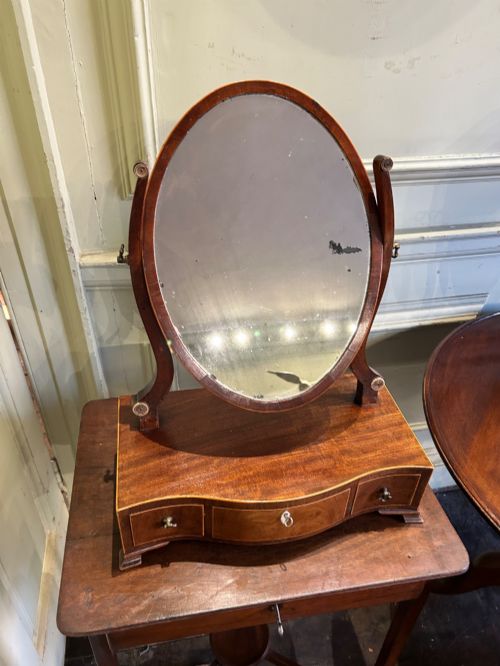
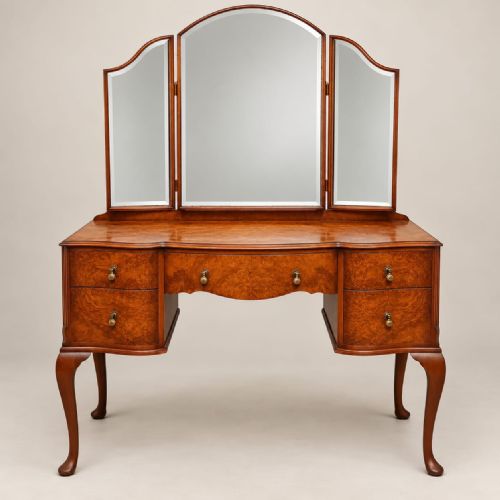
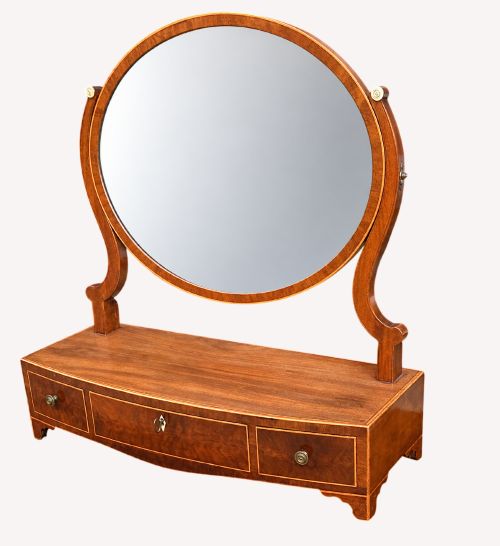
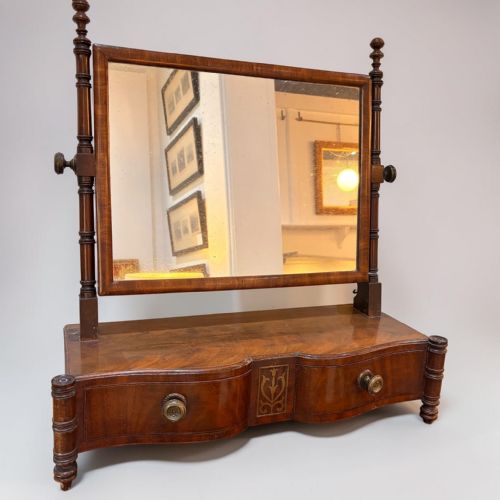
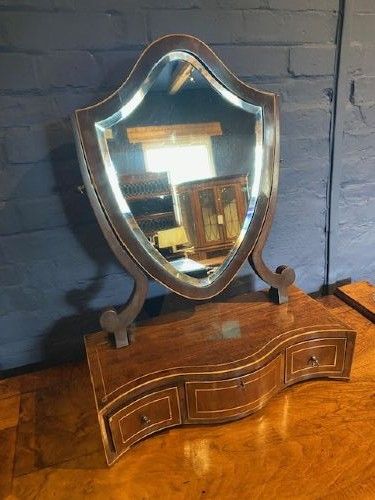
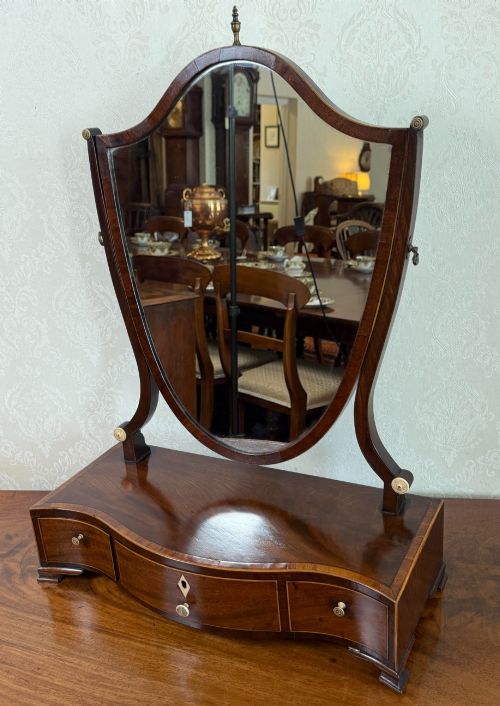
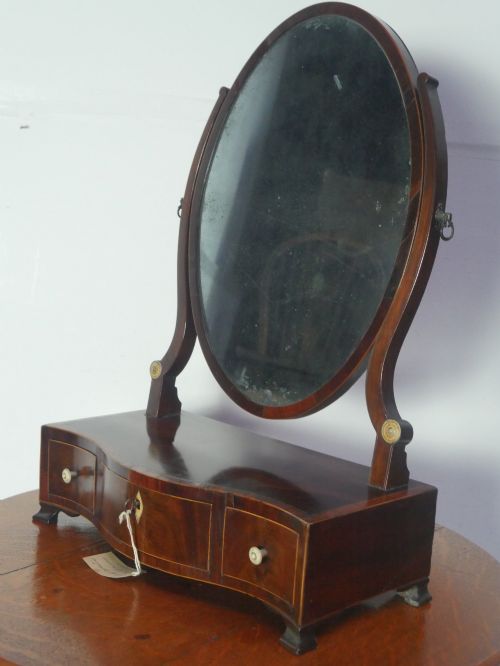
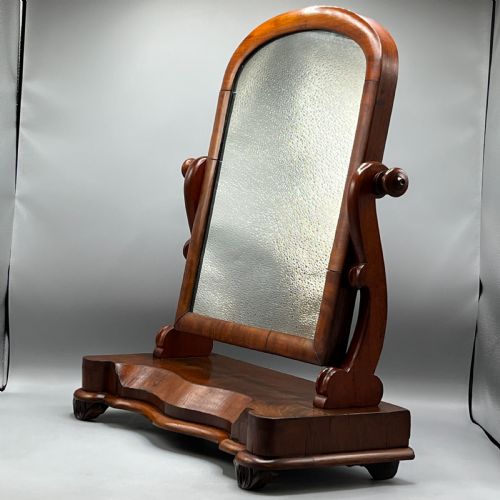
An antique serpentine mirror displays a distinctive undulating frame shape derived from Georgian and Victorian furniture design. These pieces appear primarily as tabletop dressing mirrors, toilet mirrors, and swing mirrors supported by box bases or upright frames.
Makers constructed these mirrors using timbers such as mahogany, burr walnut, and oak, often pairing the glass with small serpentine drawers at the base. The forms span the eighteenth century, the Georgian period, and the nineteenth century, including Victorian adaptations.
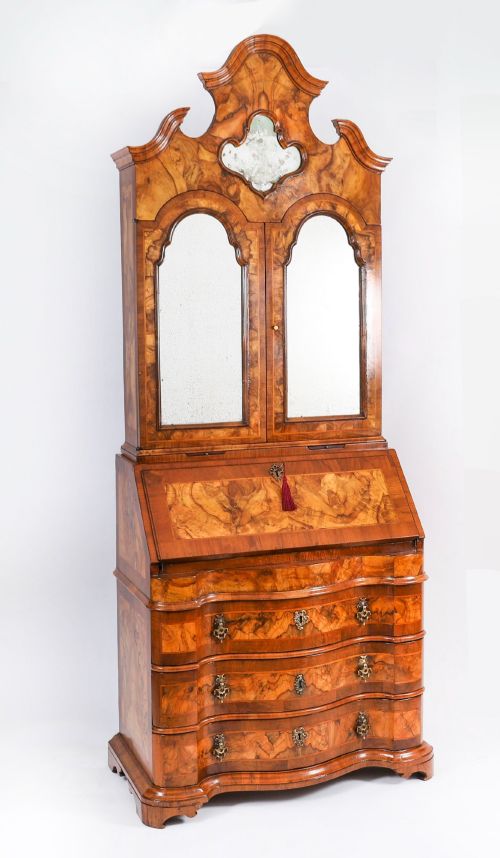
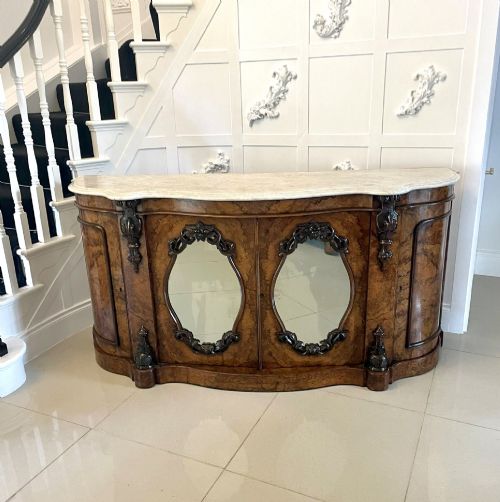
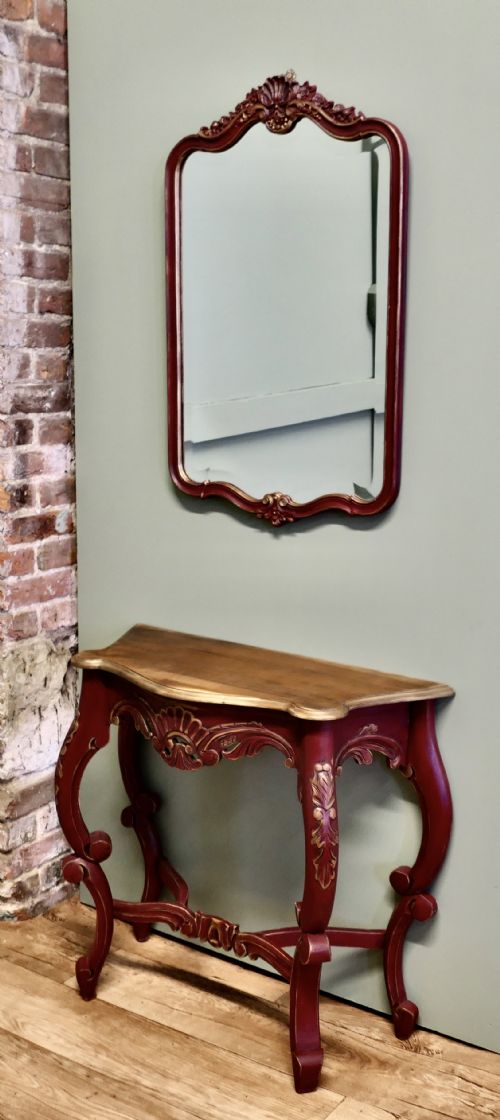
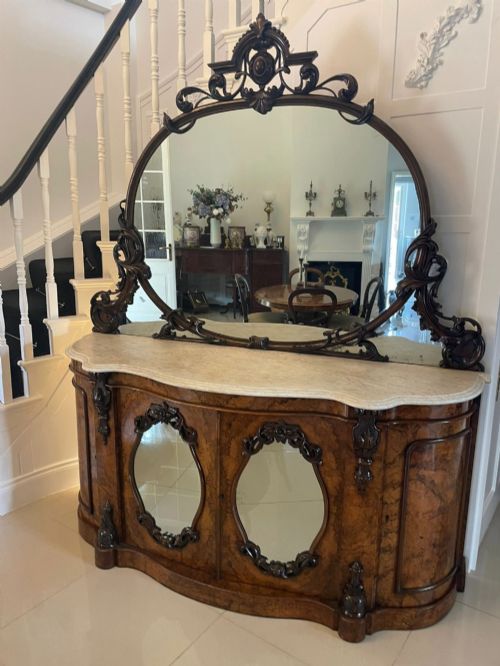
Buyers also encounter related furniture items featuring serpentine contours, such as credenzas, sideboards, and console tables with matching mirror sets. The selection centres heavily on dressing mirrors featuring shaped wooden framing around mirror glass.
Materials and Construction
Cabinet makers utilised dense hardwoods like mahogany and burr walnut, applying veneers to curved surfaces to highlight the grain. Frames required careful shaping to achieve the characteristic serpentine sweep along the base or crest.
Constructors integrated brass hardware such as pivoting screw knobs, hinges, and small drawer pulls to hold swing mirrors in place. Glass plates were bevelled or flat-set into rebated wooden frames secured with pins and backing boards.
Antique Serpentine Mirror Retail Price Guide 2026
Typical asking prices for serpentine mirror among the pieces listed under this phrase on Sellingantiques today, from the lower quarter to the upper quarter. They describe what is for sale here now, not the wider market.
Secret compartments occasionally hide inside the serpentine drawers of Georgian toilet mirrors.
Determinants of Quality
The refinement of the serpentine curve distinguishes superior examples from standard production, demanding precise woodworking to maintain symmetry across the undulating line. Grain selection on burr walnut and mahogany veneers also determines the visual depth of the woodwork.
Originality of the glass plate and stability of the frame joints govern the integrity of the piece. Fine mirrors retain their original box bases, working drawer structures, and period brass mountings without modern replacements.
The Antique Serpentine Mirror Glossary
- Serpentine
- A curved line that curves outward at the centre and inward at the sides, creating a wave-like shape. This profile defines the fronts of many drawers and mirror bases.
- Toilet mirror
- A small mirror designed to sit atop a dressing table or chest of drawers during the eighteenth and nineteenth centuries. These items frequently incorporate small storage drawers in the base.
- Swing mirror
- A mirror plate hung on pivots between two vertical upright posts, allowing the glass to tilt. This mechanism permits the user to adjust the angle of reflection.
- Box base
- The enclosed rectangular compartment beneath a swing mirror fitted with one or more small drawers. This foundation stabilises the upright frame.
- Burr walnut
- A figured wood veneer harvested from the burl growths of walnut trees, displaying swirling knot patterns. Cabinet makers utilised this material on high-status Victorian and Georgian furniture.
Antique Serpentine Mirror: Frequently Asked Questions
How do I date an antique mirror?
Dating relies on examining the timber species, construction joints, backboards, and the manufacturing characteristics of the glass plate. Georgian and Victorian examples display distinct joinery methods and hardware styles.
Secondary woods inside drawers and the presence of original brass pivoting screws offer further clues to the period of origin.
Where were these mirrors placed?
These mirrors stood on dressing tables, chests of drawers, and vanity furniture within bedrooms and dressing rooms. They provided a portable surface for personal grooming before fitted wall mirrors became standard.
Some larger configurations formed part of matching console sets or sat above credenzas in nineteenth-century reception rooms.
Are the mirror plates original?
Many antique mirrors retain their original glass, which can exhibit light foxing, minor silvering loss, or subtle surface distortion. Replacement glass plates also appear in pieces from the eighteenth and nineteenth centuries.
Examining the depth of the glass and how it is secured in the rebate helps determine if the plate dates to the original construction.