





Antique Serpentine Box
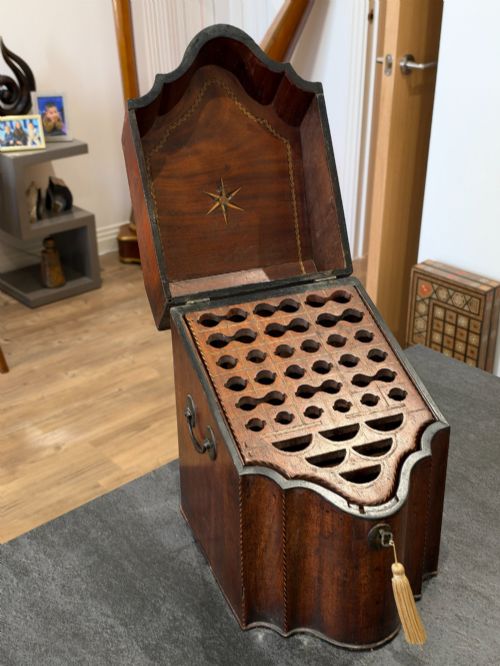
An antique serpentine box offers a graceful, curved profile that housed cutlery, tea, or personal letters in Georgian and Victorian interiors.
Antique Serpentine Box
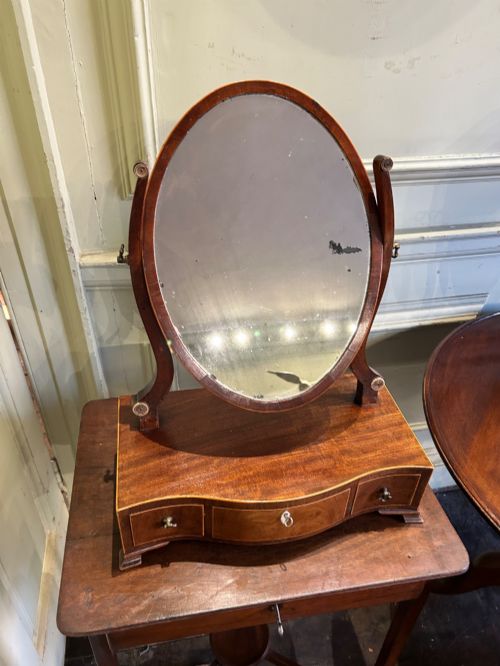
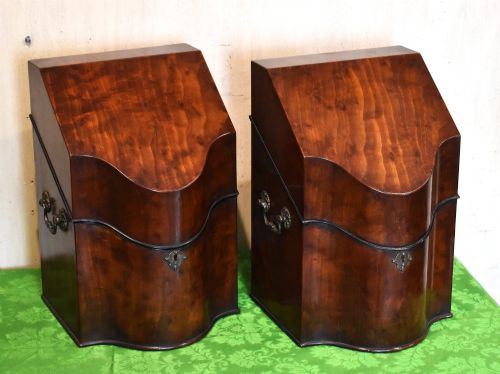
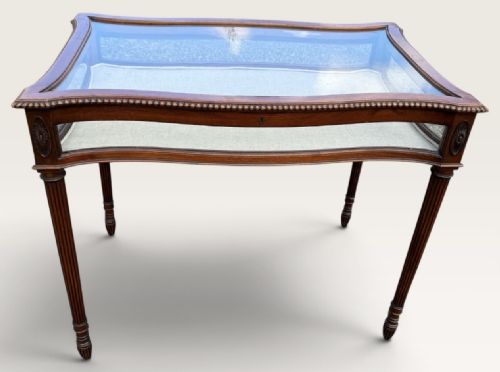
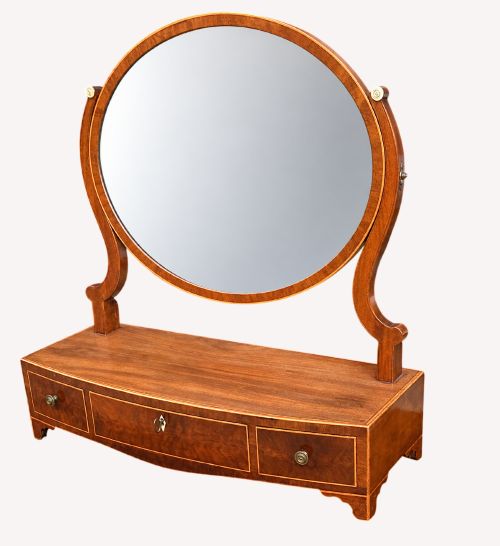
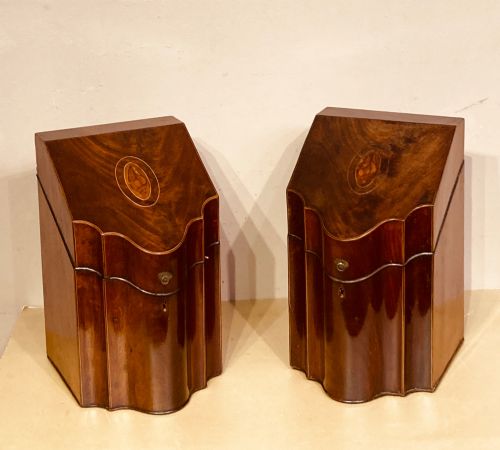
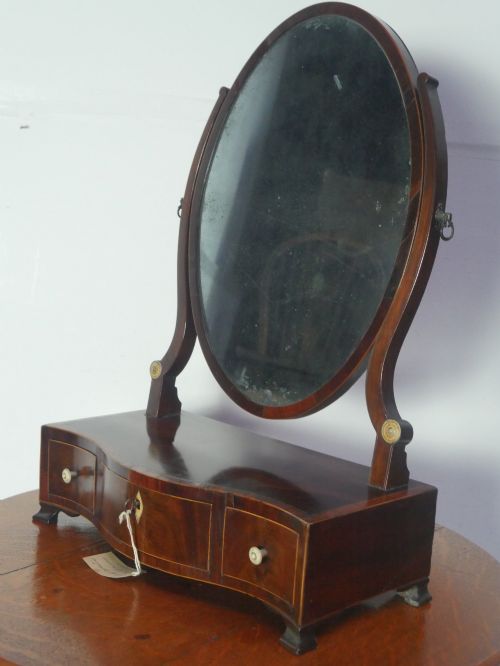
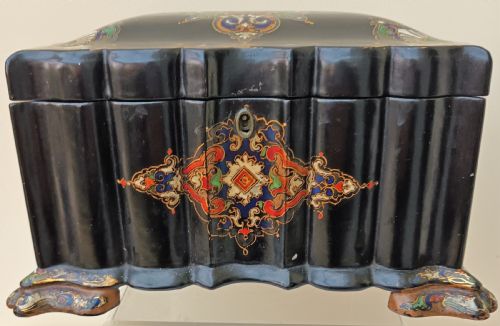
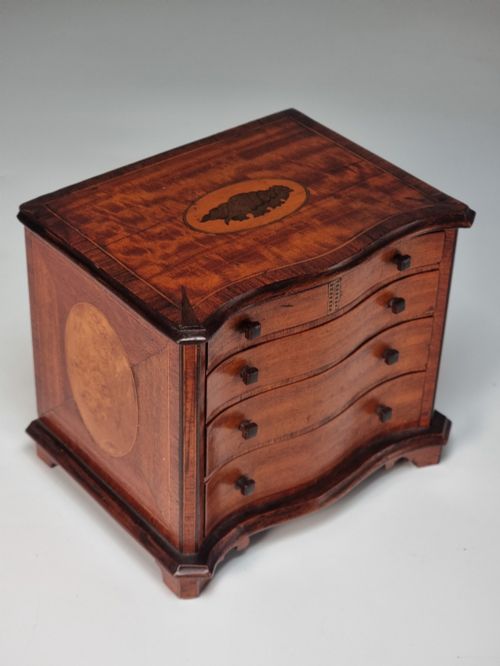
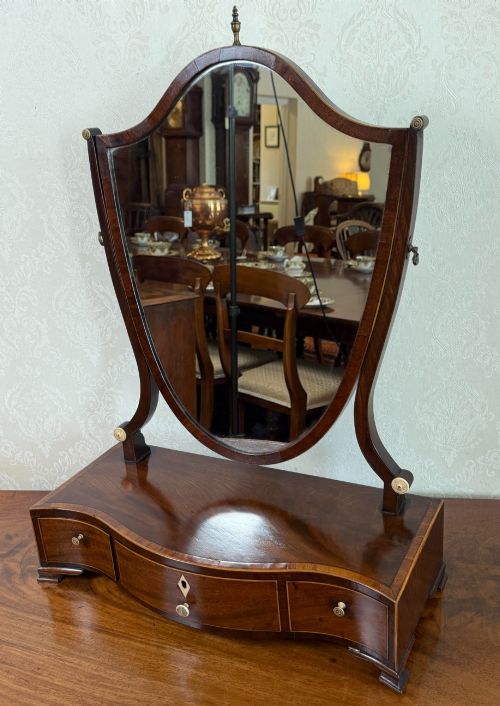
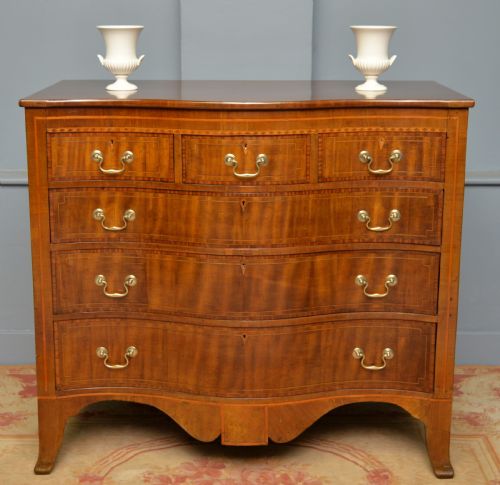
The defining characteristic is the undulating serpentine front curve, which appears on toilet mirrors, stationery boxes, and miniature chests. Many of these items served specific domestic duties, from holding dining cutlery to housing letters on a writing desk.
How they were made
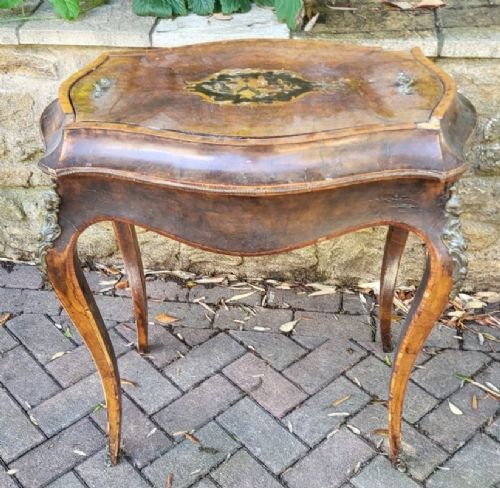
Cabinetmakers constructed these pieces primarily using dense timbers such as mahogany, walnut, and satinwood, frequently employing fine veneers. Brass fittings, including hinges, escutcheons, and carrying handles, provided both structural reinforcement and decorative contrast.
Inlaid details utilise contrasting woods like boxwood, while specific examples incorporate specialised materials such as papier-mâché, tortoise shell, and lacquer. The complex curved fronts required skilled sawing and shaping to maintain structural integrity across the grain.
Antique Serpentine Box Retail Price Guide 2026
Typical asking prices for serpentine box among the pieces listed under this phrase on Sellingantiques today, from the lower quarter to the upper quarter. They describe what is for sale here now, not the wider market.
One miniature chest bears a precise signature and date from nineteen hundred and seven inside the drawer.
What varies in quality
The finesse of the serpentine sweep defines the superior examples, requiring precise hand-carving to achieve a fluid and symmetrical wave across the front. Finer pieces display carefully chosen timber grains, such as fiddleback mahogany or burr walnut, matched symmetrically across the facade.
Original hardware, working locks with keys, and intact interior fittings elevate an item's standing. Inferior versions show clumsy timber joints, replacement brasses, or heavy repairs that disrupt the continuous flow of the curved silhouette.
A. F. Lloyd, Bideford
The Antique Serpentine Box Glossary
- Serpentine front
- A furniture profile featuring a central convex curve flanked by two concave curves, creating an undulating outline.
- Knife box
- A specialised upright container with a sloping lid, designed in the eighteenth century to store dining cutlery.
- Toilet mirror
- A small mirror mounted on a box base or small drawers, historically placed on a dressing table or chest.
- Tea caddy
- A lidded container built to store dry tea leaves, often featuring internal compartments and a lock.
- Fiddleback
- A figured timber grain displaying undulating horizontal ripples that resemble the back of a violin.
Antique Serpentine Box: Frequently Asked Questions
What were antique serpentine boxes used for?
These boxes served practical domestic functions tailored to the wealthy household, primarily holding dining cutlery, loose tea leaves, or personal correspondence.
Over time, many transitioned into decorative receptacles for jewellery, keepsakes, or stationery as dining and writing habits shifted.
How do I date an antique serpentine box?
Dating relies on identifying timber choices, construction techniques, and stylistic markers associated with specific periods like the Georgian or Victorian eras.
Examining internal secondary woods, hand-cut dovetails, and hardware styles helps establish the exact era of production.
Are these boxes made of solid wood?
Many examples utilise solid timbers for primary structural components, particularly for carved serpentine fronts and moulded edges.
Cabinetmakers frequently applied fine veneers over secondary woods on flat surfaces to display decorative grains like satinwood or walnut.
How do I care for a wooden box?
Preservation requires maintaining stable indoor humidity and avoiding direct sunlight to prevent the timber and delicate veneers from splitting.
Occasional dusting with a soft, dry cloth maintains the surface finish without stripping historical wax layers.