
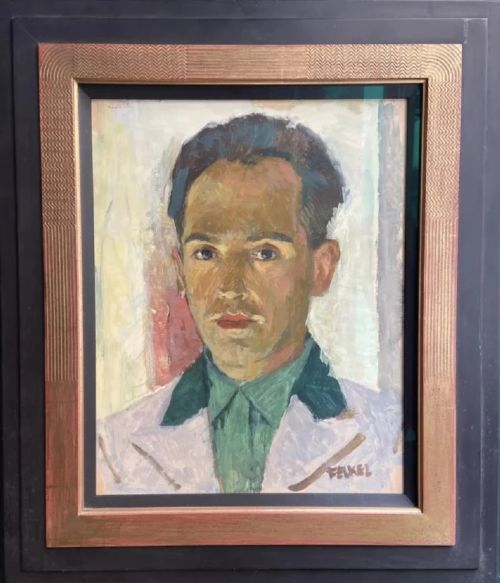
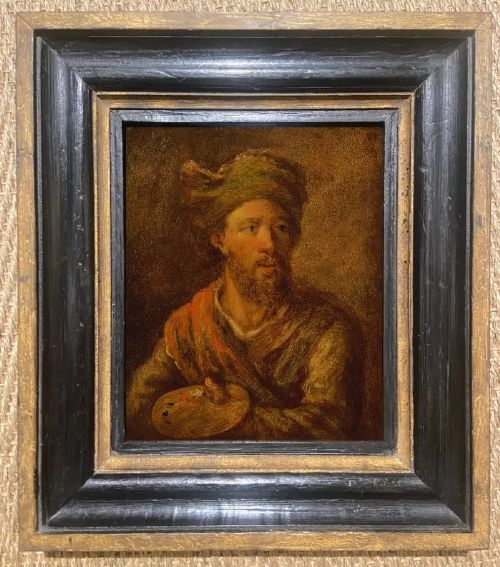
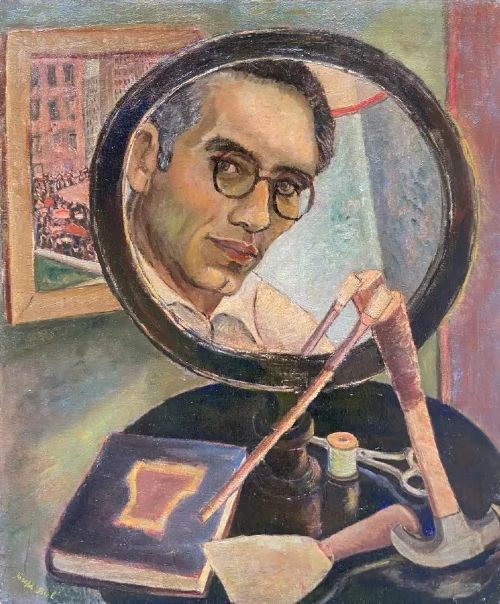
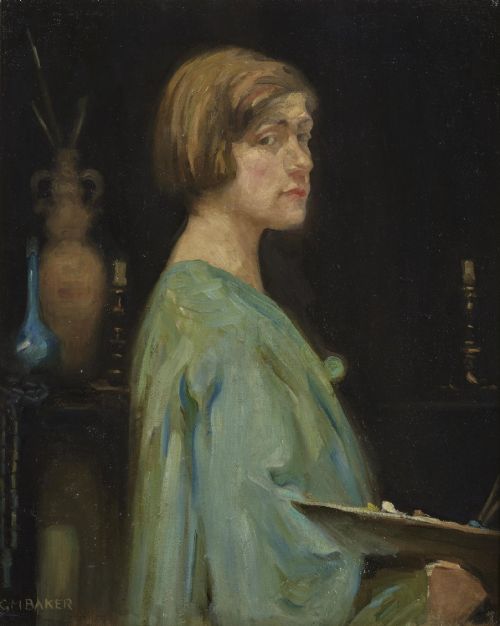
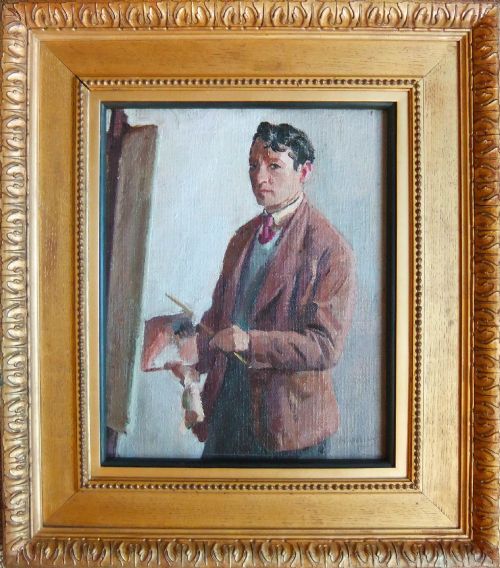


Antique Self Portrait
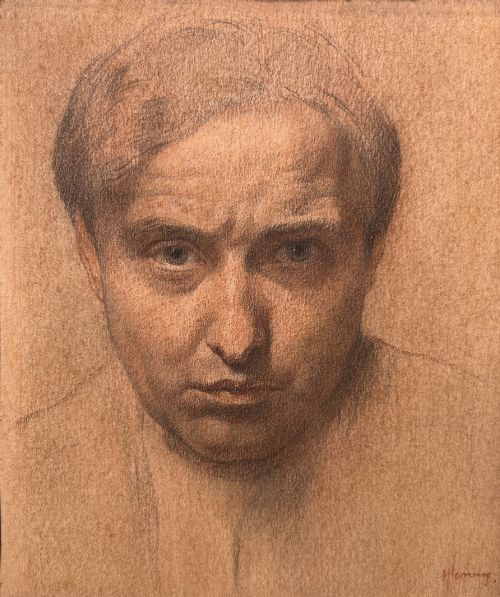
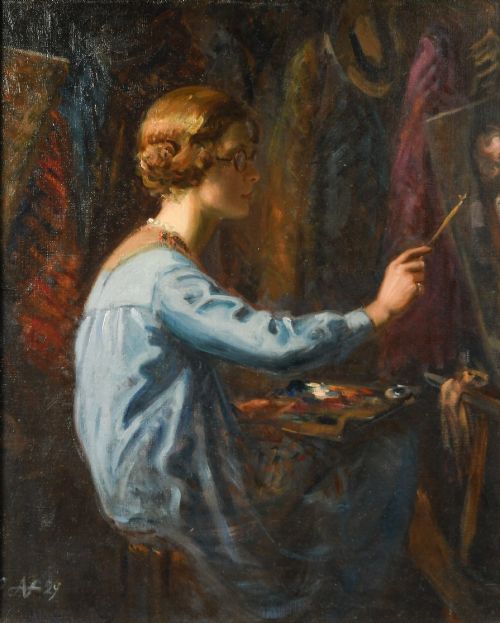
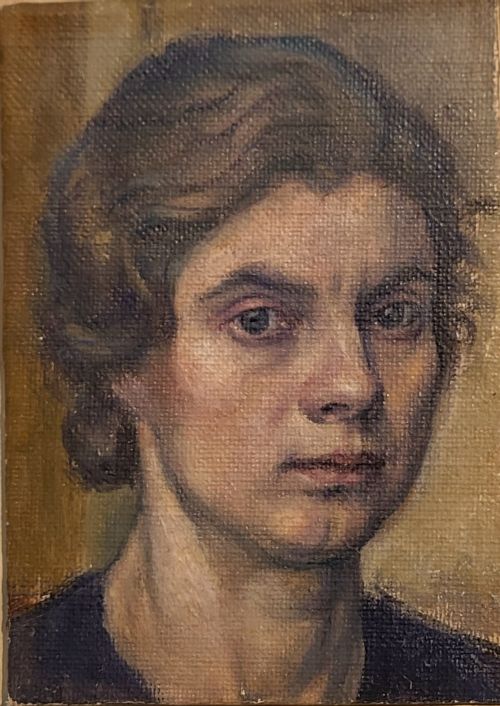
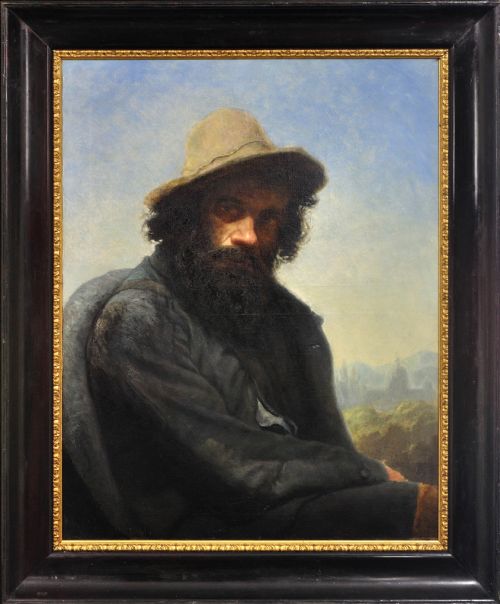
An antique self portrait is a direct gaze across centuries, capturing the likeness of the artist through oil, canvas, and wood.
Antique Self Portrait
The pieces on this page span diverse styles including seventeenth century British, nineteenth century realism, post-impressionism, expressionism, and modern British painting.
You will encounter works attributed to named artists and distinct schools, ranging from intimate oil paintings on canvas to framed panels and drawings.
How They Were Made
These works rely primarily on oil paint applied to canvas, wood panels, or paper, often enhanced by gold leaf detailing on the framing.
Artists utilised traditional brushwork techniques appropriate to their respective periods, from the detailed realism of earlier centuries to the looser applications of twentieth century expressionism.
Listings span from the seventeenth century through to the 1930s, featuring oil, canvas, wood, and gold leaf.
What Varies in Quality
The distinction between works rests on the psychological depth of the portrayal and the confidence of the brushwork, separating routine studio exercises from arresting character studies.
Condition and originality play a significant part, particularly the preservation of the original paint surface and the historical integrity of the frame.
Carl Felkel·Herbert Johnson Harvey·Albin Mattenheimer·Edouard Julien·Alexandre-Louis Martin·Edwin Marsh·John Raphael Smith·Henri Privat-Livemont·James Shaw·H Schmandt·Julius Paulsen·François Halkett·Anders Christian Lunde
The Antique Self Portrait Glossary
- Canvas
- A heavy woven fabric stretched across a wooden frame to provide the primary support for oil paintings. It has served as the standard ground for centuries of portraiture.
- Gold leaf
- Extremely thin sheets of beaten gold applied to frames and select areas of artwork. It provides a luminous border that catches the ambient light.
- Oil paint
- A slow-drying paint made by mixing pigments with a drying oil, typically linseed oil. This medium allows for rich colour depth and subtle blending.
- En grisaille
- A painting executed entirely in shades of grey or neutral monochrome. This technique often mimics the appearance of sculpture or stone.
- Panel
- A flat wooden board used as a rigid support for painting instead of fabric canvas. Panels were favoured in various periods for their smooth, stable surface.
Antique Self Portrait: Frequently Asked Questions
How do I date an antique self portrait?
Dating relies on examining the stretcher frames, canvas type, pigment composition, and the stylistic conventions of the clothing and hair depicted.
Signatures, inscriptions on the reverse, and historical records regarding the artist further help narrow down the period of creation.
Why did artists paint themselves?
Artists painted self portraits to experiment with technique, study their own changing expressions without paying a model, and project their professional identity.
These works often served as demonstration pieces for potential patrons or personal keepsakes kept within the artist's studio.
Are all these portraits painted in oil?
While the majority of pieces utilise oil paint on canvas or wood panel, the selection also includes works executed in pastel and drawing media.
Each medium imparts a distinct texture and visual weight to the artist's likeness.
How should I hang an antique portrait?
Display these works away from direct sunlight and fluctuating heat sources to protect the delicate oil pigments and wooden supports.
Ensure the wall fixings are secure and suitable for the combined weight of the painting and its period frame.