



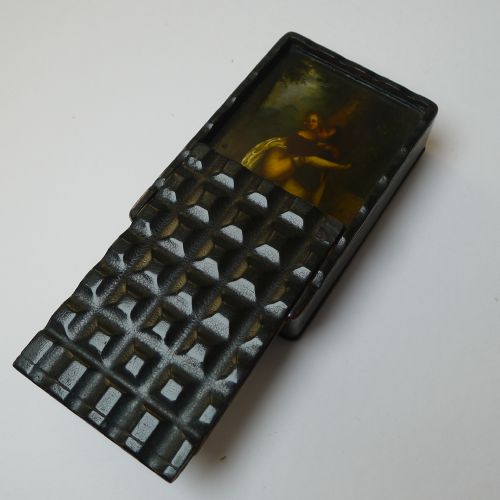


Antique Secret Compartment
An antique secret compartment hides valuables inside writing slopes, tea caddies, and cabinets, offering private storage disguised within period woodwork.
Antique Secret Compartment
Buyers seeking an antique secret compartment encounter ingenious hidden drawers and concealed spaces built into functional furniture and small decorative objects. These concealed mechanisms form part of domestic items designed for private storage in past centuries.
Originating across the eighteenth and nineteenth centuries, alongside pieces from the nineteen-twenties, these items represent a tradition of clever joinery. Each piece merges everyday utility with concealed engineering intended to outwit prying eyes.
Materials and construction
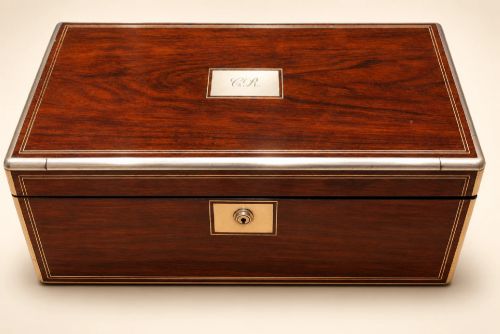
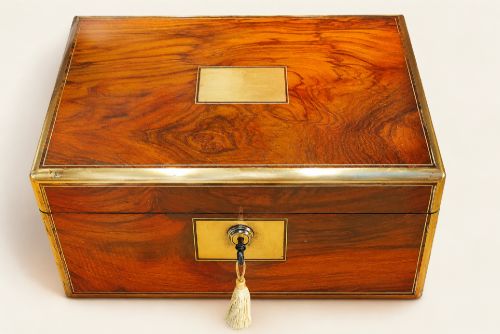
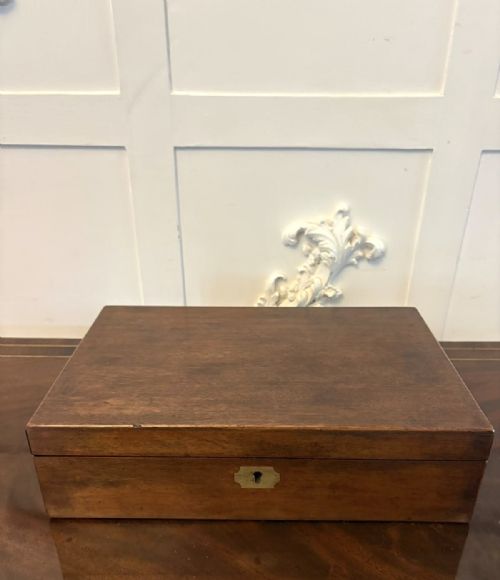
Cabinetmakers utilised rich timber species including mahogany, walnut, rosewood, and satinwood, frequently applying fine wood veneers over structural carcasses. Many pieces incorporate decorative brass mounts, bound edges, and fitted leather writing surfaces to enhance their visual appeal.
Concealed mechanisms rely on precision woodworking, spring-loaded triggers, and removable panels disguised as standard partitions. Joiners engineered these secret drawers and rising compartments to slide flush within the main frame, leaving no exterior trace of their contents.
Antique Secret Compartment Retail Price Guide 2026
Typical asking prices for secret compartment among the pieces listed under this phrase on Sellingantiques today, from the lower quarter to the upper quarter. They describe what is for sale here now, not the wider market.
The listings on this page span the eighteenth, nineteenth, and twentieth centuries, featuring walnut, mahogany, rosewood, and brass.
Distinctions in quality
The refinement of the concealed mechanism dictates the sophistication of the piece, ranging from simple removable false bottoms to elaborate spring-released sequences. Superior items feature tightly fitted joints that operate smoothly without revealing the inner geometry when closed.
Material selection and decorative execution further separate standard examples from finer work. Finely figured burr walnut veneers, detailed carving, and intact original brass fittings elevate the overall stature of a writing slope or cabinet.
George Austin of Dublin
The Antique Secret Compartment Glossary
- Writing Slope
- A portable desk with a slanted lid designed for letter writing, often containing interior compartments and hidden drawers.
- Tea Caddy
- A small box or chest intended for storing tea leaves, occasionally built with secret compartments or locking mechanisms.
- Veneer
- A thin slice of decorative wood glued over a secondary timber base to create a figured surface appearance.
- Biedermeier
- A Central European stylistic period spanning the nineteenth century characterised by utilitarian comfort and clean wood surfaces.
Antique Secret Compartment: Frequently Asked Questions
What items contain secret compartments?
Antique secret compartments appear most frequently in portable writing slopes, decorative tabletop cabinets, and tea caddies from the Georgian and Victorian eras.
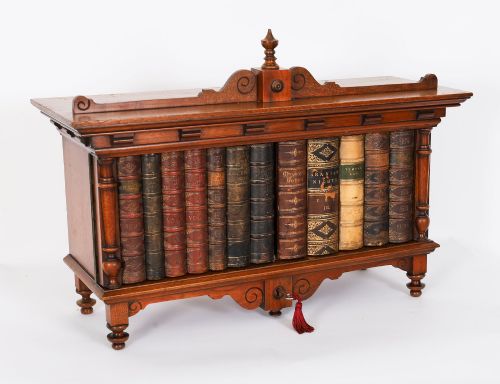
Collectors also encounter them in worktables, bedside tables, and carved book-form boxes designed to conceal small valuables or coins.
How do you open a secret drawer?
Opening a concealed space usually requires manipulating adjacent panels, removing standard drawers to trip internal springs, or sliding decorative wooden dividers.
Many mechanisms rely on gravity, hidden latches, or sequence-dependent steps built directly into the surrounding joinery by the cabinetmaker.
What woods were used for these pieces?
Cabinetmakers constructed these objects using dense hardwoods such as mahogany, walnut, and rosewood, often enhanced by decorative veneers like satinwood or burr walnut.
Secondary materials include brass for hinges and corner bindings, alongside fitted leather panels inside writing compartments.
How do I date a writing slope?
Dating relies upon examining the structural timber, the style of the brass hardware, and the construction methods used for the interior fittings.
Georgian and Victorian examples display distinct joinery traits and decorative motifs typical of their respective centuries of manufacture.