

Antique Seated Stool
An antique seated stool offers versatile utility, ranging from sturdy oak joint stools to upholstered Victorian piano seats.
Antique Seated Stool
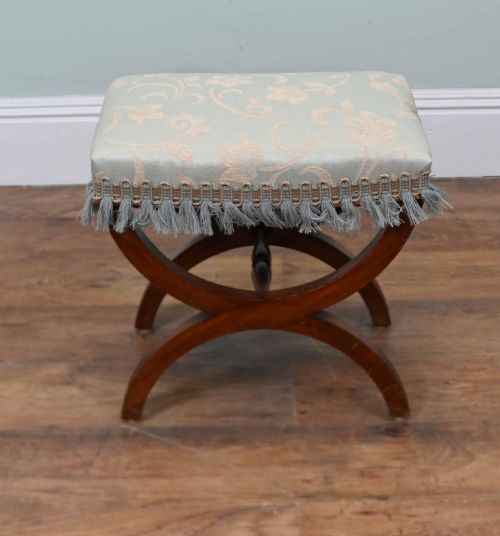
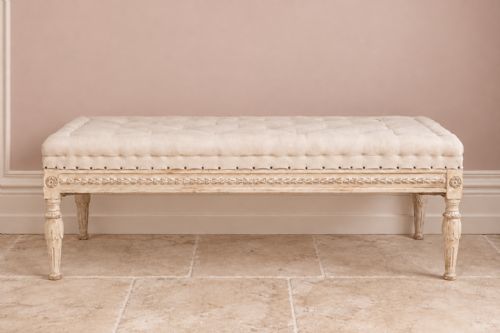
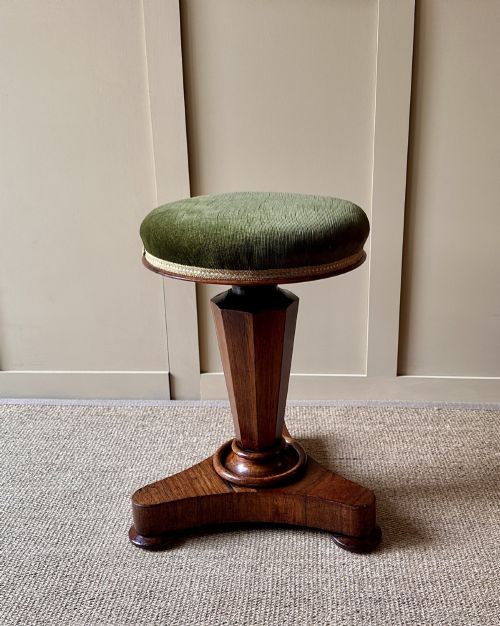
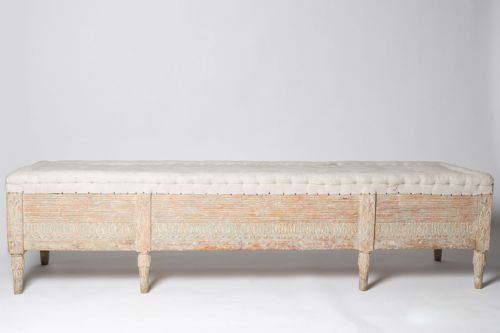
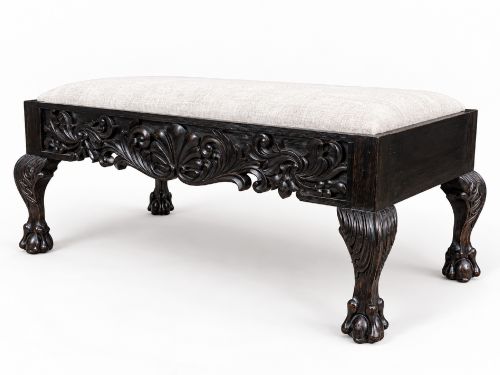
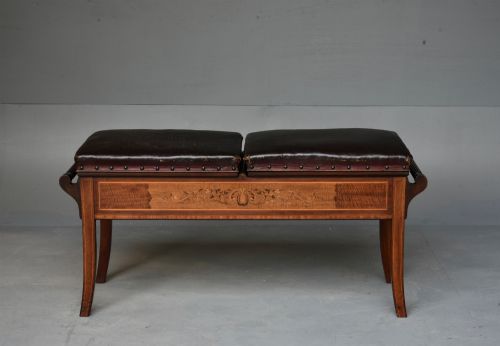
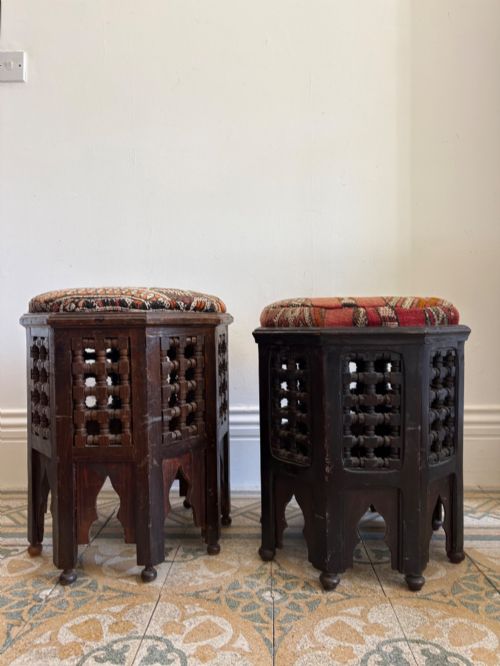
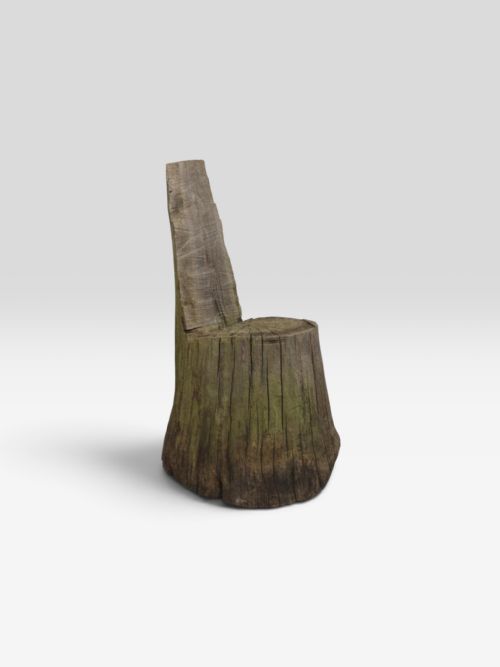
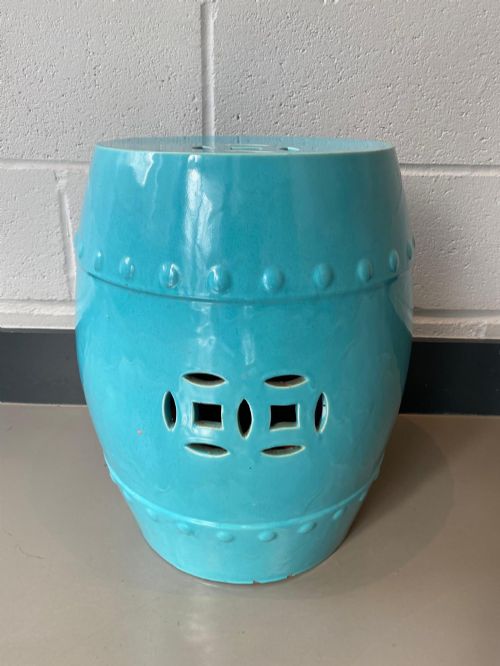
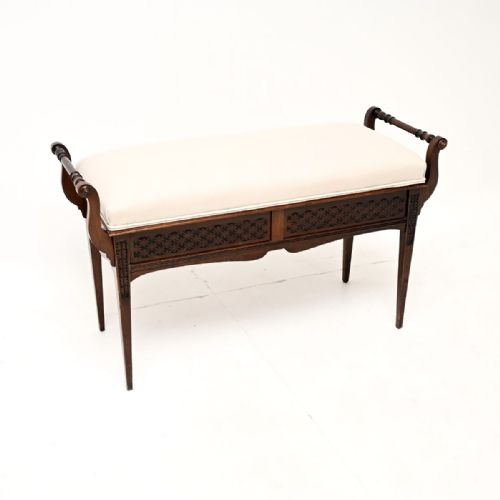
When searching for an antique seated stool, buyers encounter a diverse selection of domestic and industrial forms spanning several centuries. The inventory includes piano stools, music chairs, duet benches, dressing stools, and industrial machinist seats designed for practical daily use.
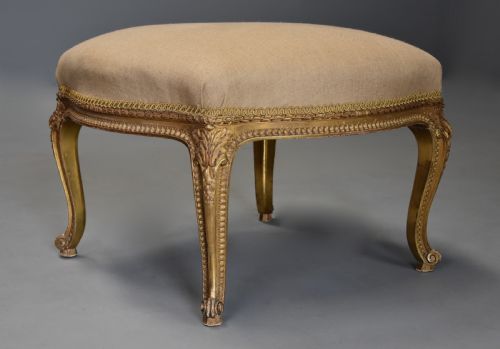
Most pieces date from the nineteenth century through the early twentieth century, though older seventeenth-century joint stools and eighteenth-century walnut or mahogany examples also appear. English country styles, Victorian upholstery, and French neoclassical designs represent common aesthetic choices across the selection.
Materials and Construction
Cabinetmakers and artisans utilised a variety of native and exotic timbers, notably oak, mahogany, elm, walnut, and rosewood. Sturdy seating often combined turnings in beech or elm with solid timber tops, while industrial versions incorporated cast-iron bases and heavy gear cogs.
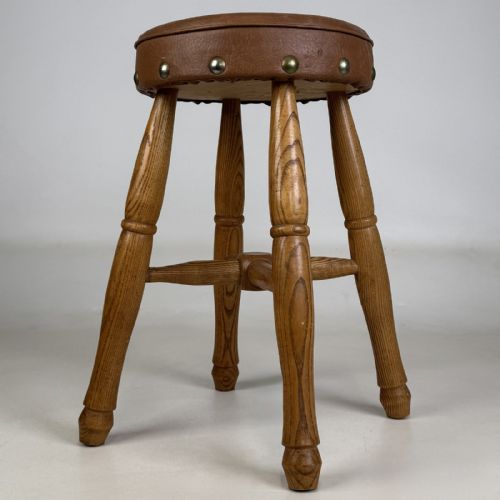
Upholstered variants relied on traditional textiles including velvet, leather, silk, and fabric, frequently secured with brass studs. Specialised forms utilised papier-mâché, burr maple, and satin birch to achieve decorative distinction.
Antique Seated Stool Retail Price Guide 2026
Typical asking prices for seated stool among the pieces listed under this phrase on Sellingantiques today, from the lower quarter to the upper quarter. They describe what is for sale here now, not the wider market.
Materials span heavy cast iron, solid oak, mahogany, elm, sycamore, silk, velvet, and leather.
Judging Quality
The distinction between standard examples and superior pieces rests in the integrity of the timber selection and the sophistication of the joinery. Finely figured grains, such as burr maple or matched walnut, elevate the visual impact of simpler forms.
Artisanal execution in carved details, complex revolving mechanisms on music chairs, and authentic period upholstery materials separate standard utility seating from exceptional studio and cabinetmaker output.
James Shoolbred·Blackstone and Co·Liberty·Jennens and Bettridge
The Antique Seated Stool Glossary
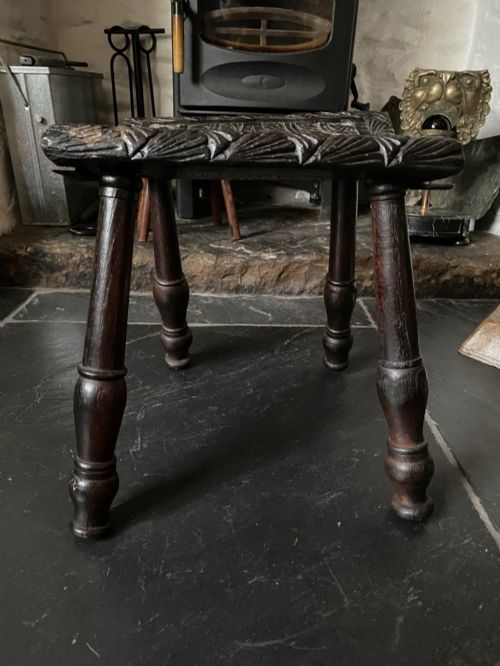
- Joint Stool
- A timber stool constructed with mortise and tenon joints pegged together, typical of seventeenth-century English craftsmanship.
- Duet Stool
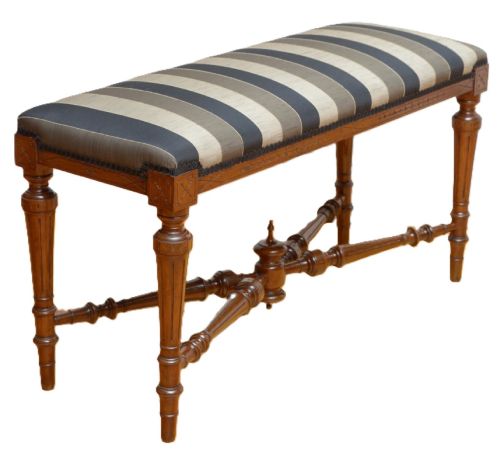
- An extended bench designed to seat two musicians comfortably at a piano or harp.
- Papier-Mâché
- A composite material made from paper pulp mixed with glue and resin, pressed and finished with lacquer or paint during the Victorian era.
- Biedermeier
- A Central European style emphasising utilitarian comfort and clean lines without excessive ornamentation during the nineteenth century.
- Gustavian
- A Swedish neoclassical design movement characterised by light painted finishes and restrained classical motifs.
Antique Seated Stool: Frequently Asked Questions
What is a joint stool?
A joint stool is an early form of wooden seating constructed with pegged mortise and tenon joinery rather than glued joints. These sturdy pieces typically date from the seventeenth century and served multi-purpose roles in domestic spaces.
Their robust timber frames and simple geometric forms make them distinct from later upholstered or turned parlour seating.
How do I use a piano stool today?
Antique piano stools and music chairs adapt easily to modern living as vanity seats, bedside tables, or compact occasional seating in living rooms. Revolving mechanisms and adjustable heights found on musical chairs offer practical flexibility.
Their compact proportions allow them to tuck neatly under desks or into alcoves when not in use.
What materials are common in country stools?
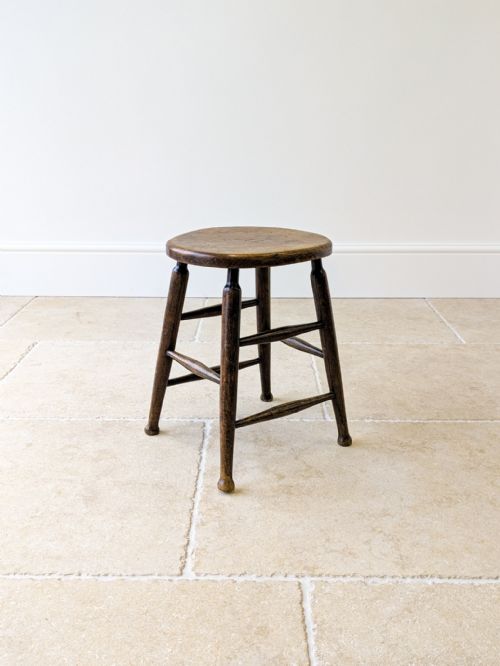
Country stools frequently feature combinations of elm, beech, sycamore, and oak sourced from local woodlands. These timbers provided the strength required for tavern benches, milking stools, and Windsor-style seats.
Sustained everyday use in rustic settings often left these pieces with patinated surfaces and honest wear.
How do I distinguish Regency from Victorian stools?
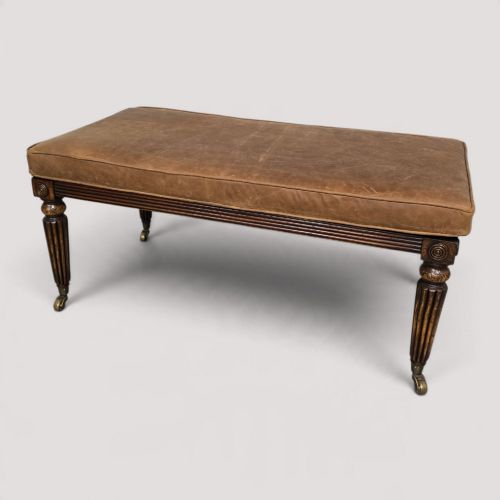
Regency seating often displays classical restraint influenced by ancient Greek and Roman forms, utilising rosewood or mahogany with sleek profiles. Victorian pieces tend toward heavier upholstery, darker woods, elaborate carvings, and distinct revival styles such as Gothic or Jacobean.
Examining the turning styles, hardware, and underlying construction methods helps clarify the transition between these periods.