





Antique Seat with Storage
An antique seat with storage combines everyday utility with robust construction, offering clever containment inside sturdy period forms like oak settles and mahogany ottomans.
Antique Seat with Storage
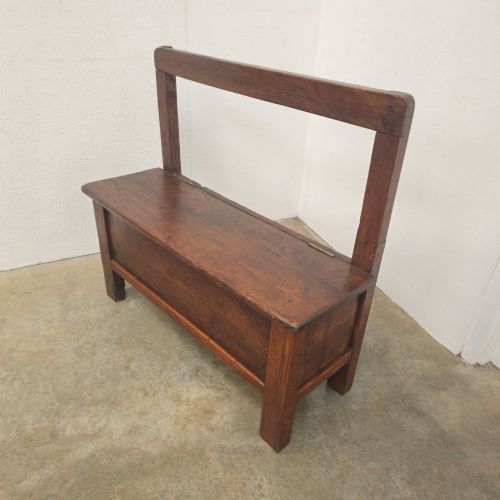
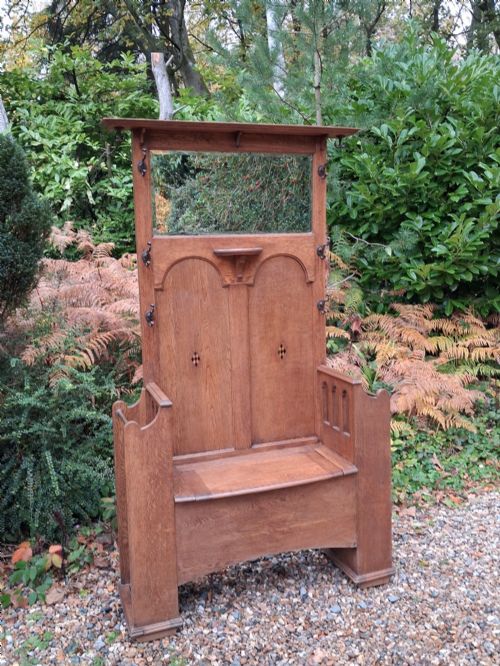
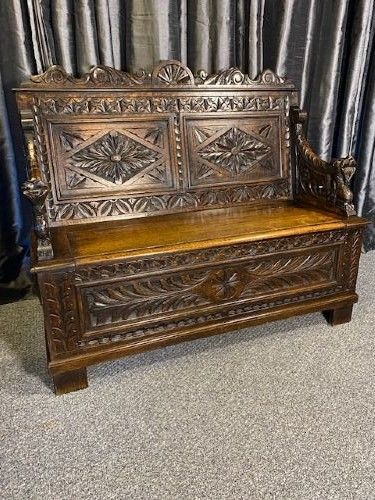
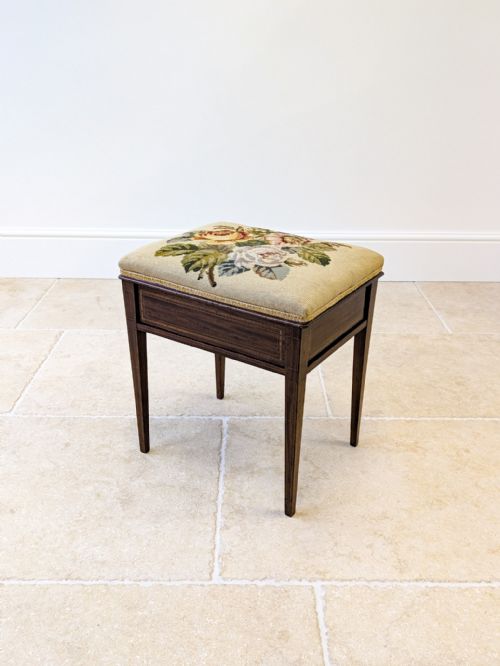
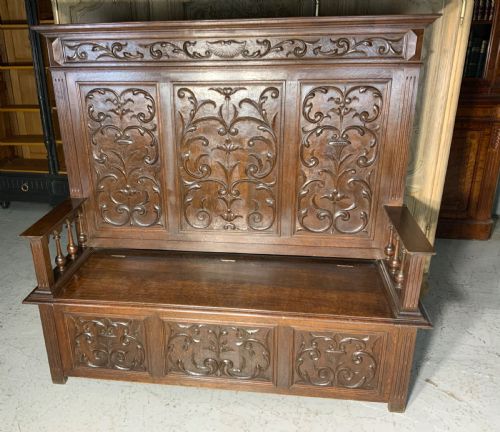
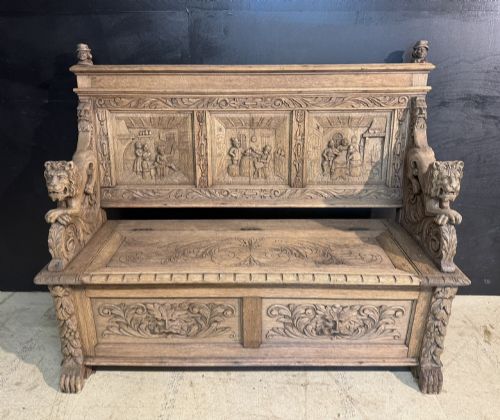
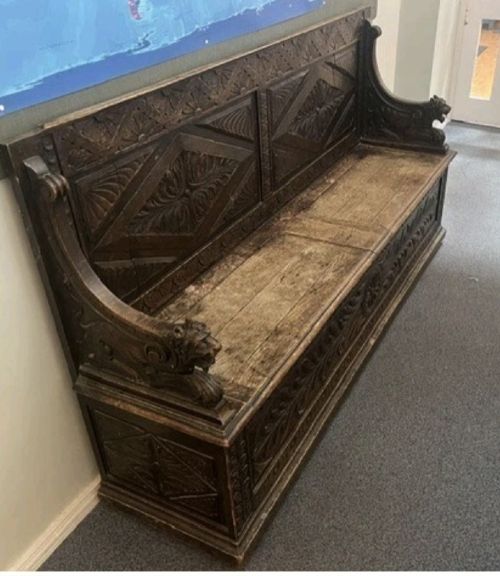
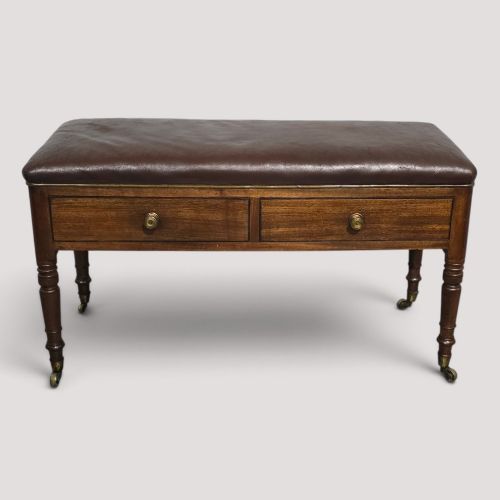
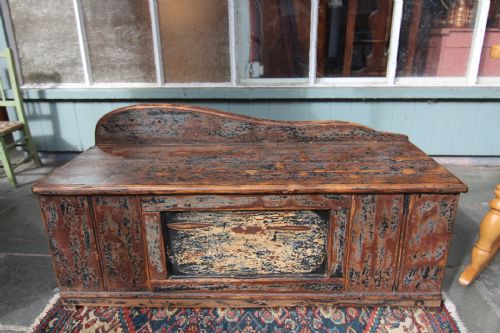
An antique seat with storage encompasses functional furniture designed to hold items inside or beneath the sitting surface, appearing across several centuries from the Georgian era to the Edwardian period. Buyers searching this phrase most frequently encounter substantial oak box settles, pine hall benches, and compact piano or dressing stools.
The selection ranges from tall, high-backed seventeenth-century fruitwood settles to versatile twentieth-century hall stands and drum-shaped dressing stools. Regional pieces, including Welsh and Hungarian box settles alongside English tavern settles, provide practical compartments within traditional domestic layouts.
Makers and designers from Arts and Crafts workshops, such as James Shoolbred and entities associated with Shapland and Petter or Liberty, contribute stylistic depth to the category. These diverse forms bridge the gap between heavy hallway furniture and refined domestic seating.
Materials and construction
Solid timber dominates the construction of these pieces, with oak, mahogany, elm, walnut, and pine forming the primary structures. Joinery methods involve traditional panel-and-frame assembly, tongue-and-groove boards, and hand-carved detailing.
Upholstered elements utilise fabric, leather, or needlework seats fitted over hinged compartments, while brass hardware provides functional hinges, locks, and decorative accents. Waxed and painted finishes protect the timber surfaces while preserving the natural grain of the wood.
Antique Seat with Storage Retail Price Guide 2026
Typical asking prices for seat with storage among the pieces listed under this phrase on Sellingantiques today, from the lower quarter to the upper quarter. They describe what is for sale here now, not the wider market.
Listings feature items spanning the eighteenth, nineteenth, and early twentieth centuries, constructed primarily from oak, mahogany, pine, and walnut.
Craftsmanship and integrity
Quality separates primitive domestic joinery from sophisticated workshop production through the precision of timber selection and the integrity of the storage mechanism. Superior examples display tight panel joints, uncompromised structural stability, and original hardware.
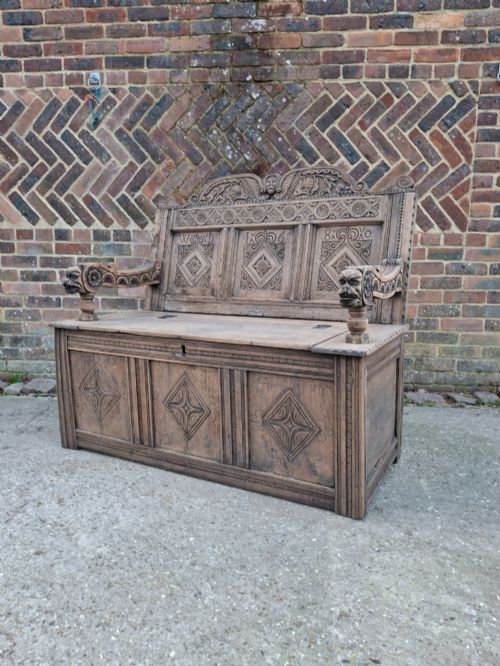
The finesse of hand-carved ornamentation, such as Green Man motifs or crisp geometric panels, distinguishes high-end Arts and Crafts or Gothic Revival pieces from simpler utilitarian items. Original surface treatments and untouched patina elevate the standing of older elm, fruitwood, and oak specimens.
James Shoolbred & Co·Shapland and Petter·Liberty
The Antique Seat with Storage Glossary
- Settle
- A wooden bench with a high back and solid arms, featuring a concealed storage box beneath the hinged seat. This form protected sitters from draughts in older interiors.
- Monks bench
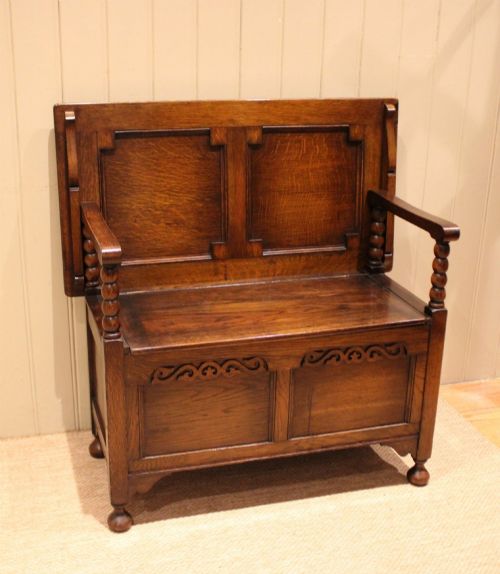
- A convertible piece of furniture with a folding back that transforms from a table into a hall seat with storage. The compartment sits within the box base beneath the hinged lid.
- Ottoman
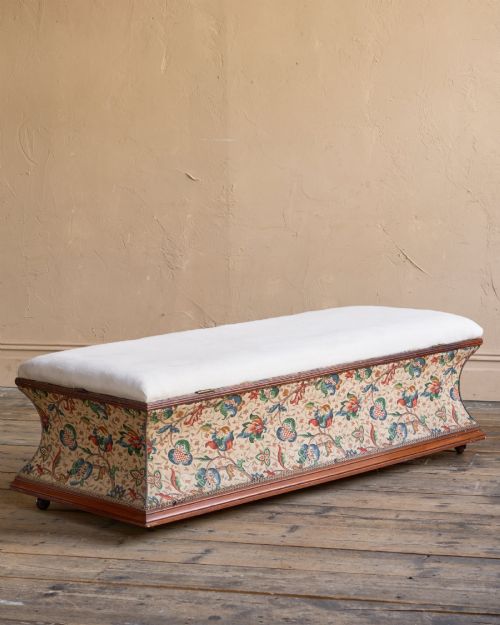
- An upholstered seat or bench with a hollow interior accessed by lifting the hinged top. These items frequently incorporate mahogany, rosewood, or decorative needlework.
- Hall stand
- A composite hallway item integrating a seat with storage, coat hooks, and occasionally a mirror or umbrella holder. They utilise substantial oak and walnut frameworks.
- Bacon settle
- A specialised eighteenth-century wooden bench featuring an enclosed compartment traditionally used for curing and storing meat within the farmhouse kitchen.
Antique Seat with Storage: Frequently Asked Questions
What is an antique seat with storage used for?
These pieces served practical containment roles in hallways, kitchens, and living spaces across past centuries. Interiors held shoes, blankets, linens, and provisions.
Today, owners utilise the concealed compartments to organise modern clutter in hallways and living rooms while maintaining period character.
How do I identify the period of a box settle?
Period identification relies on timber choice, tool marks, joinery techniques, and decorative styles. Seventeenth and eighteenth-century pieces often display hand-split oak or fruitwood panels and pegged joints.
Victorian and Edwardian iterations frequently incorporate machine-sawn timber, revival motifs like linenfold or Green Man carvings, and brass hinges.
Are piano stools and hall benches the same category?
Both fall under the broader description of seats equipped with internal storage, though their scales and contexts differ entirely. Piano and dressing stools provide compact compartments for sheet music or cosmetics.
Hall benches and settles offer substantial seating capacity and large storage boxes designed for heavy outerwear and footwear in entranceways.
How do I care for antique wood and upholstery?
Preserving these pieces involves maintaining stable indoor humidity levels to prevent timber from splitting or warping. Natural wax applications nourish aged oak, pine, and mahogany surfaces without building up heavy chemical residue.
Upholstered or needlework seats require gentle dusting and protection from direct sunlight to preserve textile integrity.