



Antique Sea Artwork
Antique sea artwork captures the power and movement of oceans, ships and coastal life through historic paintings and watercolours.
Antique Sea Artwork
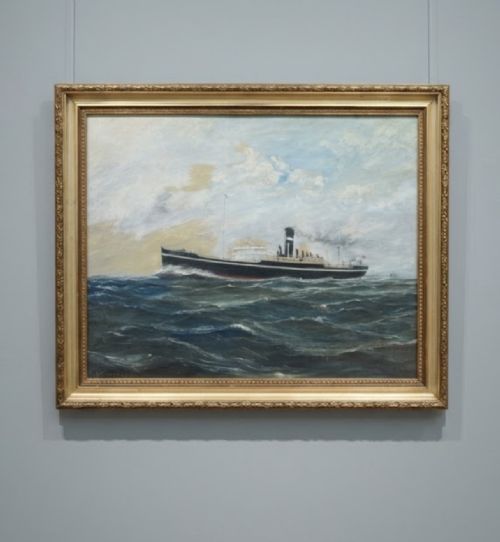
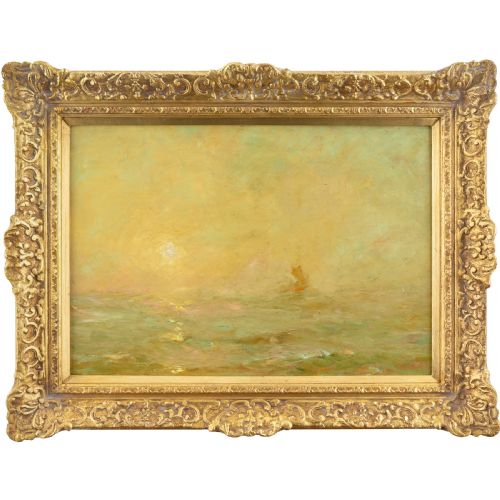
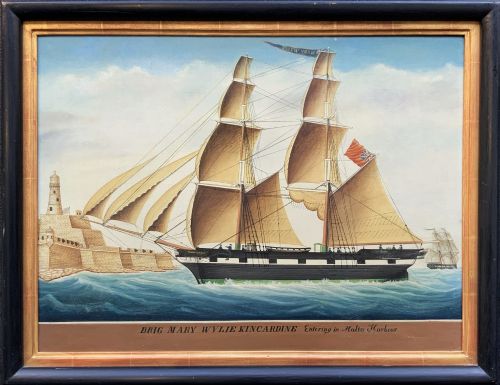
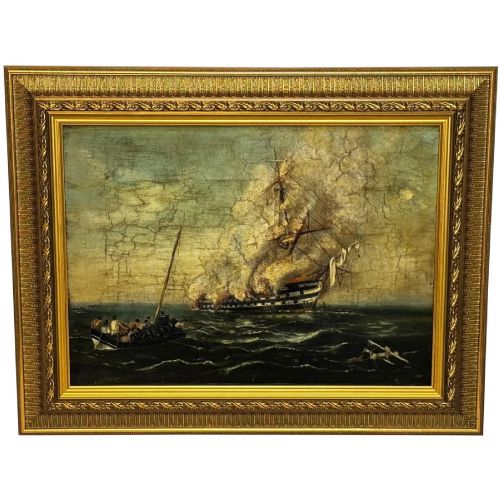
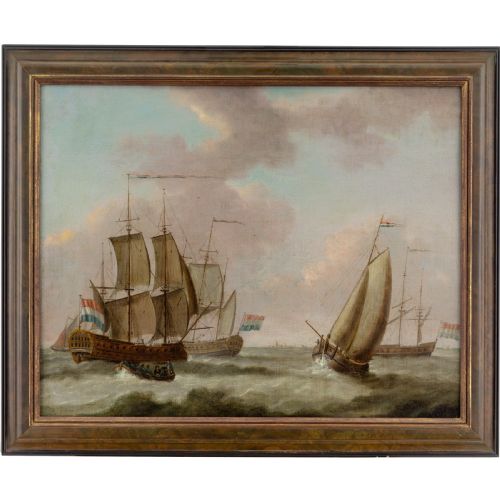
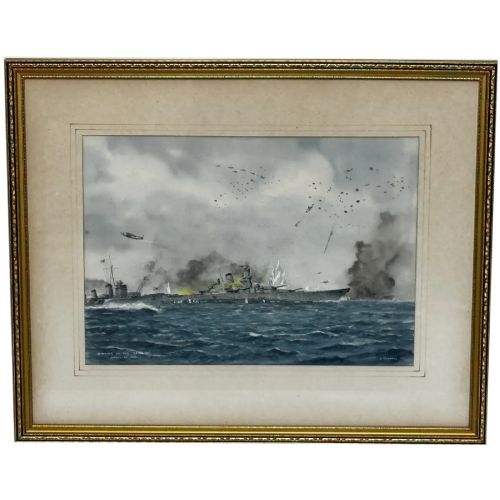
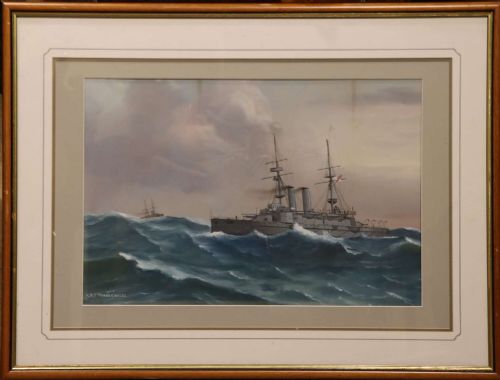
Antique sea artwork encompasses maritime and coastal paintings created during the nineteenth and early twentieth centuries, recording vessels, harbours and open water. These works document specific ships, naval engagements and fishing communities along British, European and international shores.
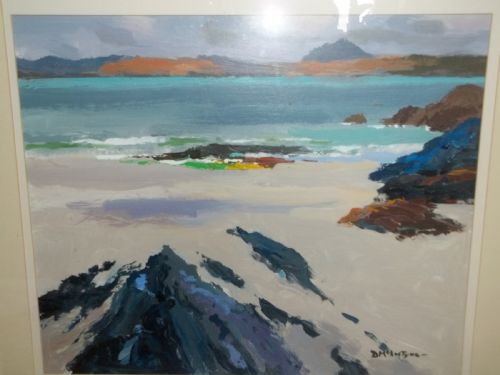
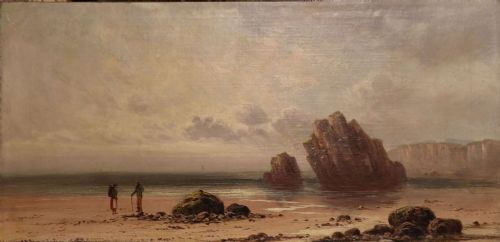
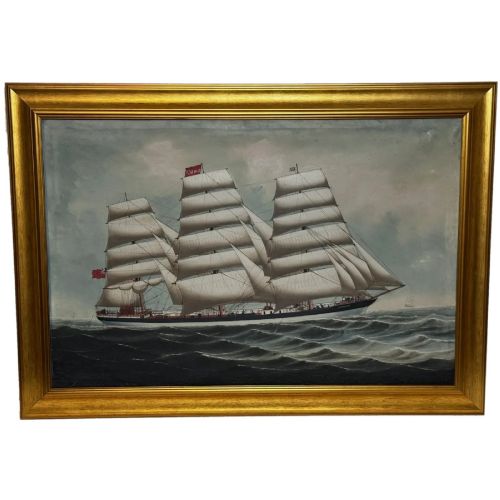
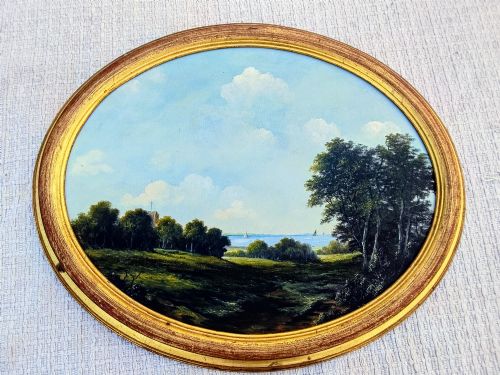
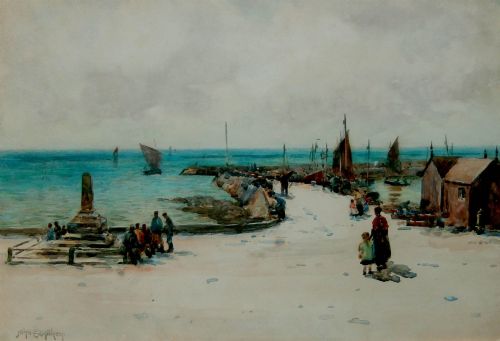
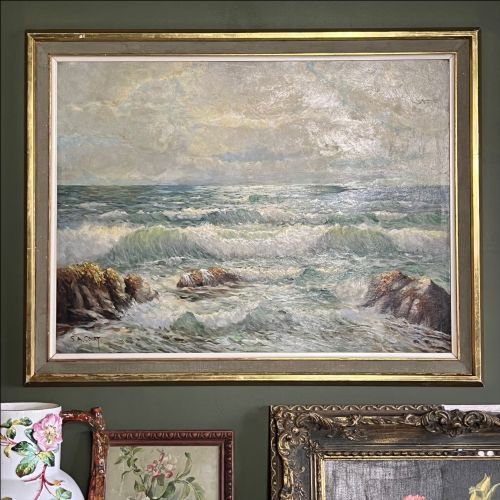
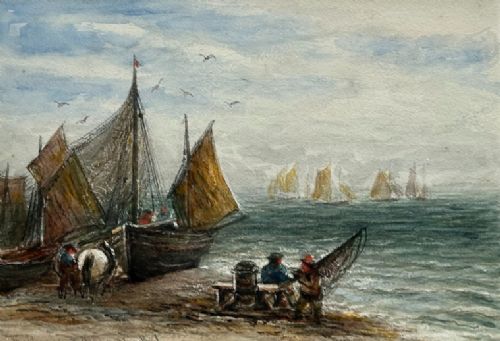
The most common examples on this page are oil paintings on canvas or board and watercolour paintings on paper, often framed in period wood or gilt mouldings. Subject matter ranges from dramatic storms involving merchant barques and warships to calm harbour scenes with local fishing boats.
The material spans the Victorian and Edwardian periods up to the mid-twentieth century, reflecting changing artistic approaches to light, weather and maritime trade. Works frequently depict recognisable locations such as Cornwall, Whitby, St Ives and various international ports.
How they were made
Artists utilised oil paint on stretched canvas or wooden boards to build textured, layered depictions of water, sky and vessel rigging. Watercolours on paper offered a lighter medium, capturing translucent effects of sea spray and coastal atmosphere.
Support materials include heavy paper, card, panel and woven canvas, enclosed within traditional wood frames, sometimes finished with gilt leaf. Pigments were applied with brushes and occasionally palette knives to render the choppy texture of heavy seas and dramatic cloud formations.
Antique Sea Artwork Retail Price Guide 2026
Typical asking prices for sea artwork among the pieces listed under this phrase on Sellingantiques today, from the lower quarter to the upper quarter. They describe what is for sale here now, not the wider market.
Listings feature oil paintings on canvas and board alongside watercolours on paper, spanning the Victorian period through the mid-twentieth century.
What varies in quality
Quality rests upon the artist's command of perspective, anatomy of water and technical accuracy in rendering ship architecture and rigging. Superior examples demonstrate acute observation of light shifting across waves and accurate depiction of maritime vessels.
The handling of the medium distinguishes standard works from exceptional pieces, particularly in how oil paint captures the weight of rolling swells or watercolour conveys transparent light. Original framing and good preservation of the paper or canvas surface also elevate a piece.
James Orrock·Reginald Arthur Borstel·John E. Aitken·William Banks Fortescue·John Rose Miles·William Broome·Bernard Gribble·Bernard Benedict Hemy·Lai Fong·Alfred G. Morgan·Carlo Ferranti·John Moore of Ipswich·Richard B. Spencer·William Henry Williamson·George Stanfield Walters·Henry Barlow Carter·George F Pennington·Raymond Moritz·Charles Napier Hemy·Jean-Baptiste Olive·William Lee Hankey·Daniel Sherrin·William Tuck·Hans Harlander
The Antique Sea Artwork Glossary
- Watercolour painting
- A work executed with water-soluble pigments on paper, valued for its luminous qualities and delicate handling of coastal light and atmosphere.
- Oil on canvas
- A painting technique using pigments suspended in drying oils applied to a woven fabric support, allowing rich texture and depth in marine scenes.
- Gilt wood
- Wood framing treated with a thin layer of gold leaf or metallic gilt, commonly used to finish nineteenth-century paintings.
- Maritime painting
- Art depicting ships, shipping, naval battles and seafaring life, encompassing both commercial vessels and coastal craft.
- Seascape
- A work focusing primarily on the open sea, coastal waters, beaches or cliffs rather than specific named vessels.
Antique Sea Artwork: Frequently Asked Questions
What is antique sea artwork?
Antique sea artwork consists of historic paintings, watercolours and gouaches depicting oceans, ships, harbours and coastal scenes produced before the mid-twentieth century. These items record the visual history of maritime trade, naval vessels and coastal communities.
Such pieces document specific sailing ships, storms and historic coastal locations through the eyes of contemporary artists. They serve as historical records and decorative items for collectors of maritime history.
How do I identify the period?
Dating relies upon artistic style, framing, subject matter and the signature or documentation associated with the artist. Victorian and Edwardian works often feature detailed rigging and specific vessel types popular during those eras.
Examining the reverse of the canvas, framing materials and paper ageing provides further clues to the decade of creation. Comparing the style to known dated works by recorded artists helps narrow the timeline.
How were these paintings displayed?
Historic maritime paintings were traditionally hung in domestic parlours, shipowners' offices and maritime institutions within heavy wood or gilt frames. These frames were designed to complement the dark tones of oil paintings or protect delicate watercolours under glass.
Today, collectors display them in living spaces, studies and hallways away from direct sunlight. Proper placement protects the paper and canvas from humidity and temperature fluctuations.
What subjects are most common?
Common subjects include sailing ships in heavy seas, local fishing boats near cliffs, commercial barques and dramatic coastal views. Many works record specific named vessels and identifiable ports across Britain and Europe.
Artists also captured moments of maritime rescue, naval history and quiet coastal harbours. This variety allows collectors to focus on specific types of watercraft or geographic regions.