


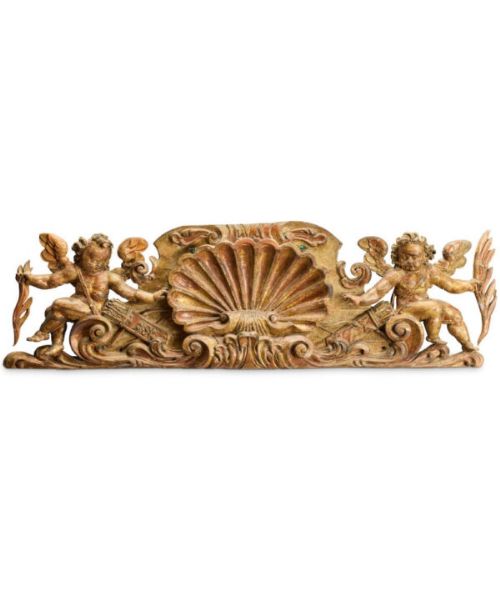


Antique Sculpture Fragment
An antique sculpture fragment brings the tactile history of past centuries into a room, offering the weathered beauty of carved stone, wood and marble.
Antique Sculpture Fragment
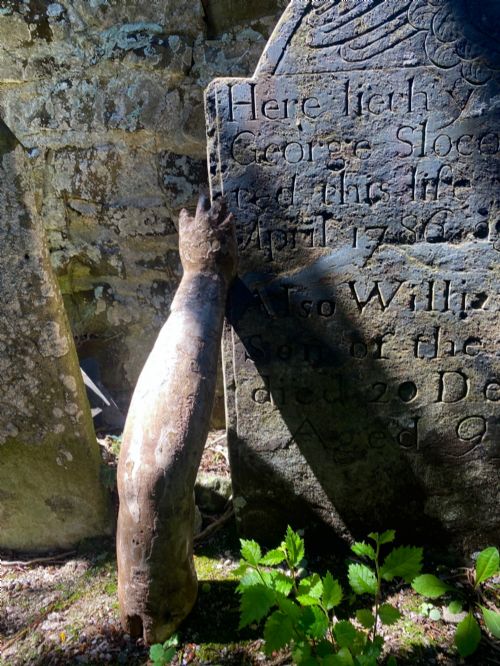
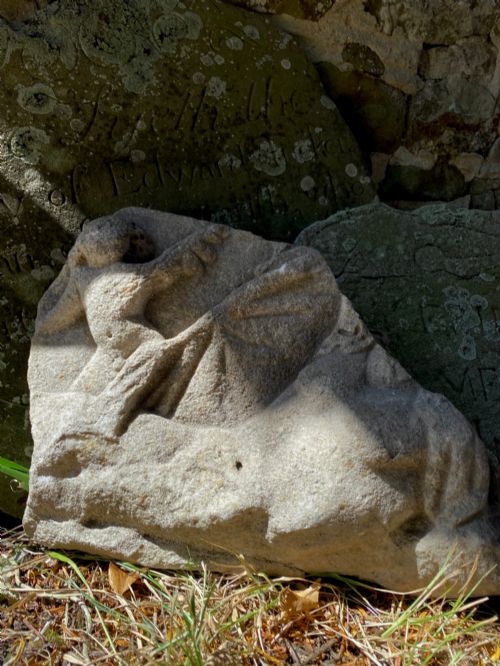
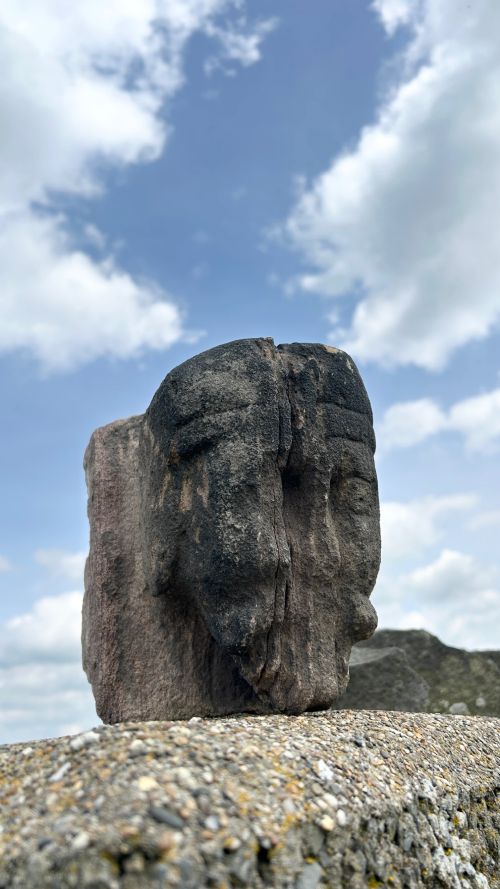
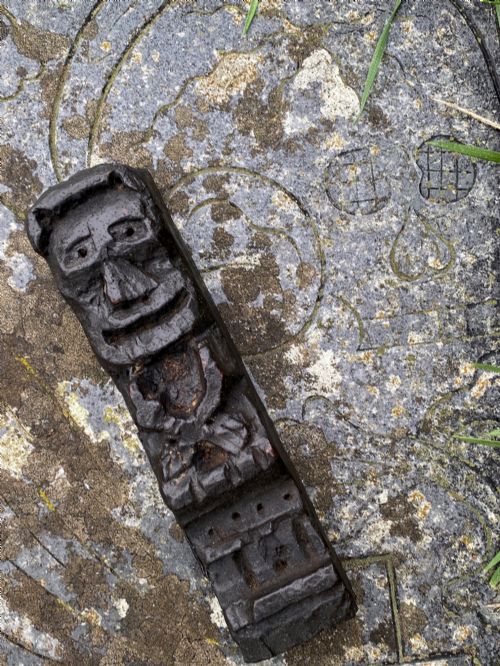
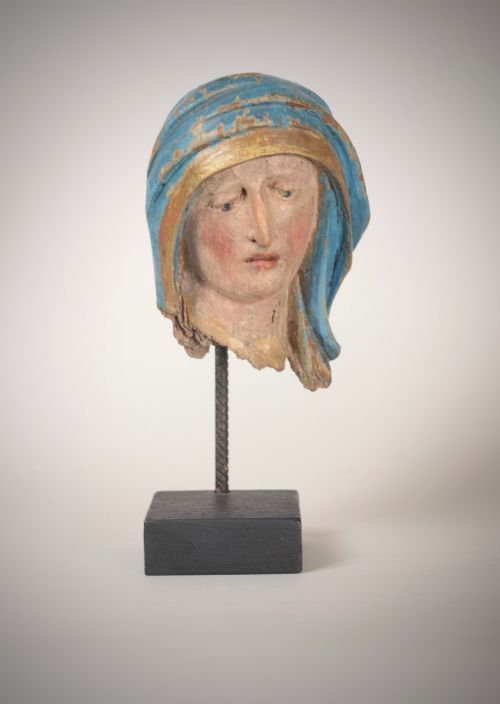
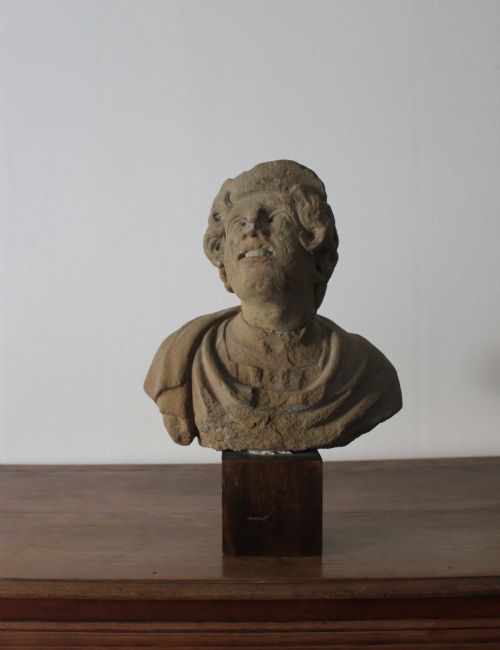
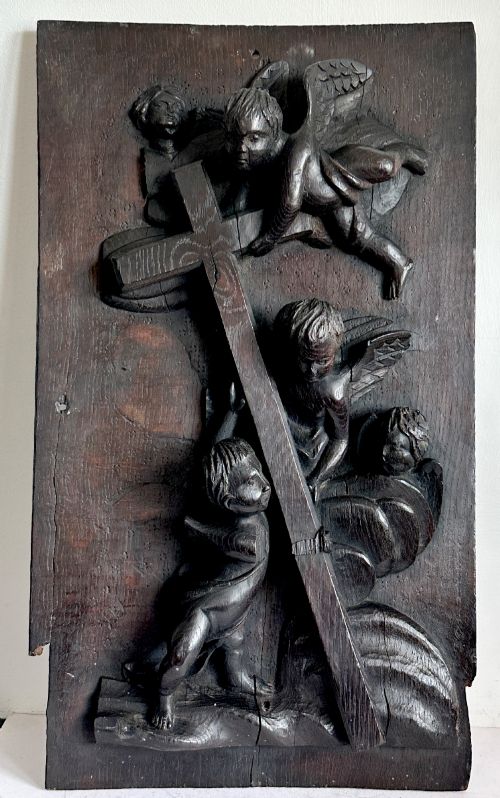
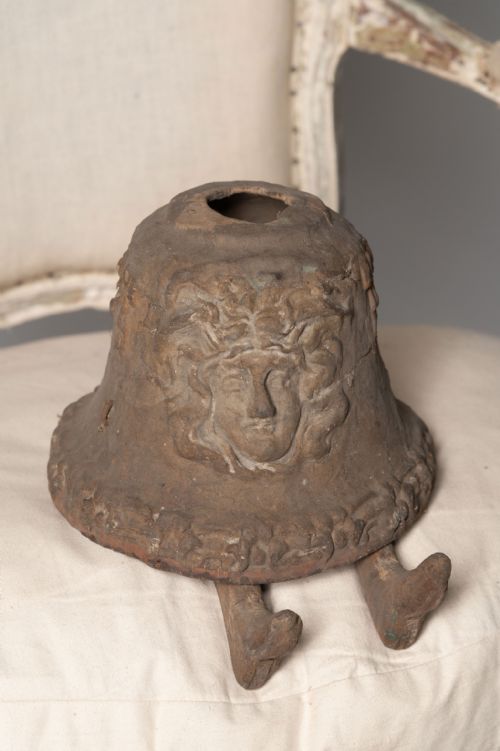
An antique sculpture fragment represents a surviving portion of a larger historical artwork, architectural scheme or theatrical setting, separated from its original context over centuries. When searching for an antique sculpture fragment, buyers encounter isolated elements such as stone busts, carved oak panels, architectural pediments and relief carvings.
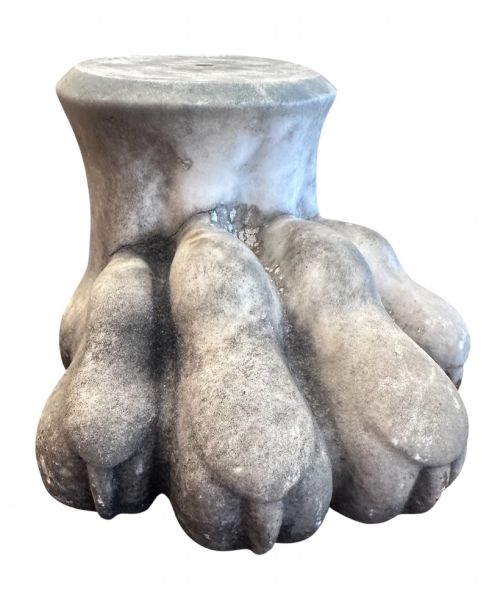
The pieces on this page span several centuries, reaching from pre-sixteenth century medieval and Gothic stone carvings to seventeenth century oak panels and nineteenth century Grand Tour bronze models. Forms range from ecclesiastical figures of saints and angels to decorative lion paws and theatrical props.
Originating across Europe and beyond, these items include Italian marble fragments, Flemish oak carvings and Indian temple reliefs. Each object carries the distinct aesthetic of its period, whether that is the ornate flourishes of the Baroque era or the restrained lines of Neoclassical revival.
How they were made
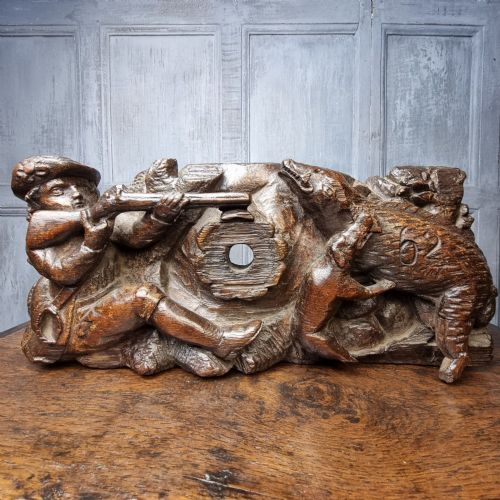
Maker's hands shaped these fragments using traditional materials like oak, walnut, stone, marble and plaster, often finished with gesso, gold leaf or polychrome paint. Wood carvers utilised chisels and gouges to render detailed cherub heads and architectural panels from dense timber.
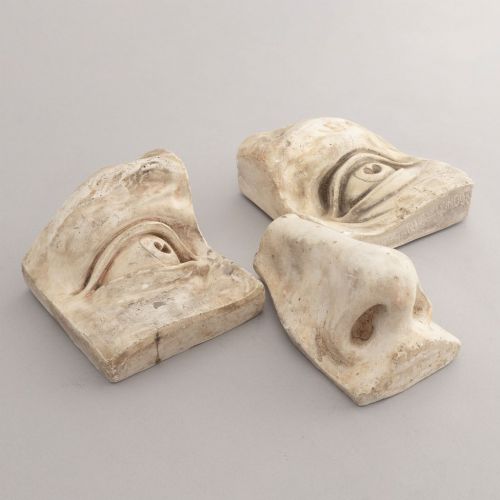
Sculptors working in stone and marble employed mallet and chisel to carve relief panels and structural fragments from sandstone and Carrara marble. Plaster casts captured the intricate details of earlier masterpieces, while other workshops produced composite objects from marble dust.
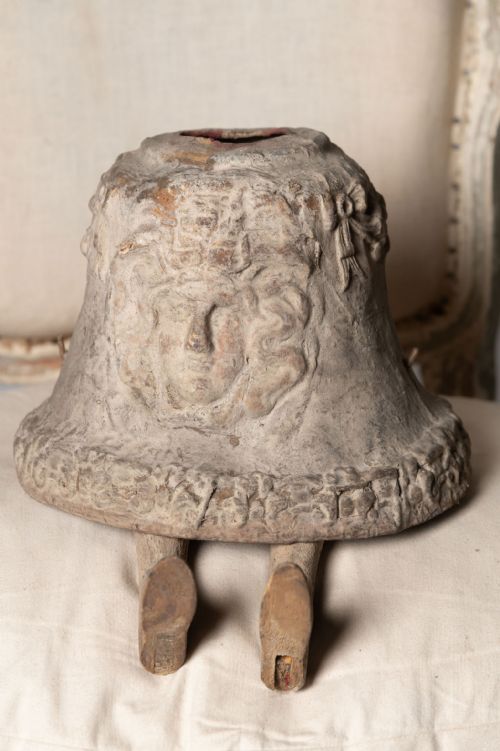
Surface treatments played a central role in finishing these pieces, with artisans applying gold leaf and colour pigments to wood and plaster. Architectural salvage and theatre props combined structural timber with applied decorative plaster and paint to create convincing visual depth.
Antique Sculpture Fragment Retail Price Guide 2026
Typical asking prices for sculpture fragment among the pieces listed under this phrase on Sellingantiques today, from the lower quarter to the upper quarter. They describe what is for sale here now, not the wider market.
Listings feature oak, walnut, sandstone and Carrara marble, spanning periods from the sixteenth century to the early twentieth century.
What varies in quality
The integrity of the material and the preservation of original surface finishes dictate the standing of an individual fragment. Traces of early polychrome paint, original gold leaf or untouched patina elevate a piece by retaining its historical honesty.
The architectural provenance and the clarity of the design origin influence the character of each item. Pieces retaining distinct stylistic traits of periods like the French Renaissance or Italian Baroque command greater attention from collectors.
The Antique Sculpture Fragment Glossary
- Architectural salvage
- Building elements removed from structures for reuse or display. These include carved pediments and stone brackets.
- Polychrome
- Decorated in several colours. This term describes wooden and stone sculptures retaining their early painted surfaces.
- Relief
- A sculptural technique where the figures project from a background plane. Examples range from shallow wall panels to deep figurative carvings.
- Grand Tour
- A cultural journey of Europe undertaken by wealthy young men in the eighteenth and nineteenth centuries. Travellers collected classical models and small fragments as mementos.
- Gesso
- A plaster mixture used as a smooth base for paint or gold leaf on wood carvings. It provides a bright foundation for gilding.
- Pediment
- A triangular gable crowning a building facade or piece of furniture. Antique examples often feature carved wooden or stone decoration.
Antique Sculpture Fragment: Frequently Asked Questions
What is an antique sculpture fragment?
An antique sculpture fragment is a surviving part of a larger carved artwork, architectural feature or decorative scheme. These pieces include isolated stone heads, wooden panels and relief carvings detached from their original settings over time.
Collectors value them for their tactile connection to past craftsmanship and the way they isolate specific details of historical sculpture. They offer a focused way to live with period artistry without needing a complete monument.
Where did these fragments come from?
These fragments originate from various European and international contexts, including ecclesiastical buildings, domestic interiors, theatres and temples. Many derive from architectural salvage, while others were produced as Grand Tour souvenirs or theatre props.
European workshops in Italy, France, Germany and Flanders produced many of the wooden and marble carvings seen here. Other pieces hail from Indian temples and Burmese shrines, reflecting diverse sculptural traditions.
How do I date a sculpture fragment?
Dating a fragment relies on identifying the stylistic markers of its period, such as the Gothic folds of a medieval stone carving or the dynamic movement of a Baroque panel. Wood species, tool marks and the composition of underlying gesso also offer clues to age.
Comparing the workmanship to dated examples helps narrow down the century of creation. Material analysis, such as identifying Carrara marble or regional oak, further anchors the piece in its historical context.
How should I display a fragment at home?
Displaying a sculpture fragment often involves mounting it on a simple custom iron stand or placing it securely on a stable surface where its textures can be appreciated. Good lighting from the side highlights the depth and tool marks of carved stone or wood.
Because these are historical items, keeping them away from direct heat sources and extreme humidity protects vulnerable materials like gesso, polychrome paint and aged timber.