





Antique Scrub Top Desk
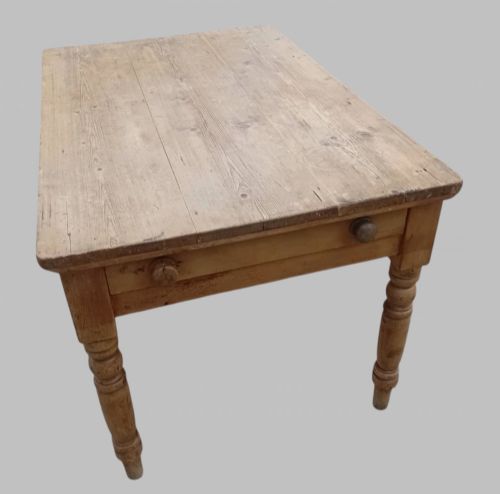
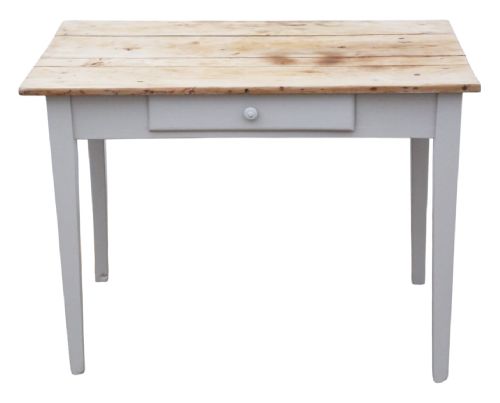
An antique scrub top desk combines robust utility with weathered charm, offering a practical workspace defined by bare scrubbed timber.
Antique Scrub Top Desk
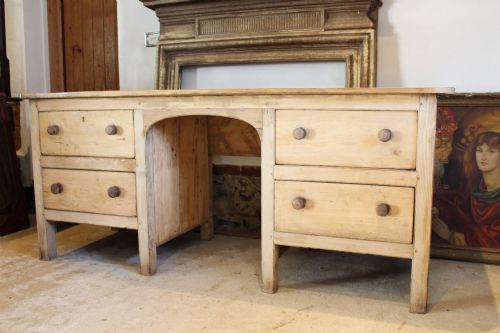
An antique scrub top desk brings together functional working surfaces and vernacular styling from the nineteenth century. Buyers searching this phrase encounter sturdy timber forms that often blur the line between traditional tables and writing places.
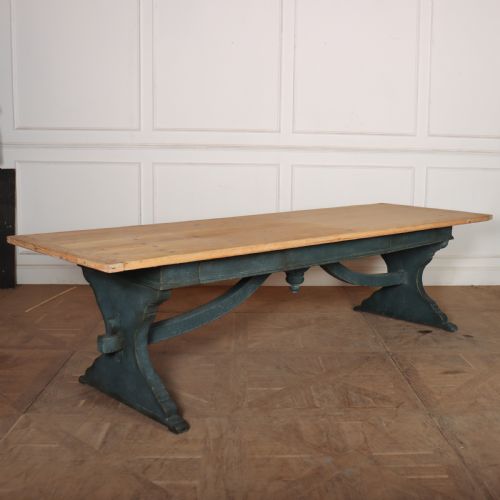
The pieces available display origins spanning English, French, Welsh, Italian, and Scandinavian traditions. Makers utilised pine, sycamore, elm, and oak to construct these practical items, frequently pairing scrubbed wooden tops with painted bases.
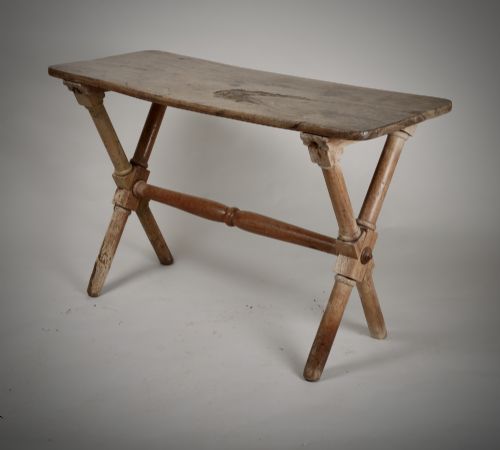
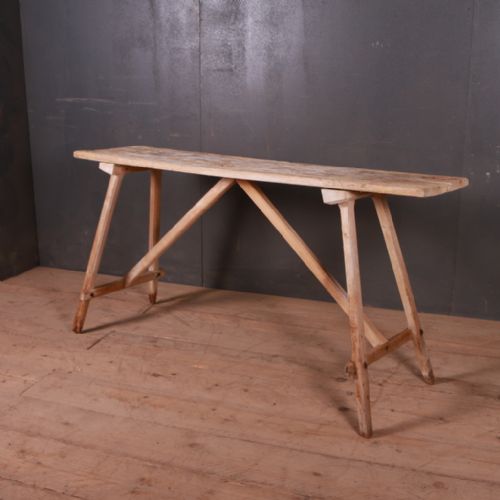
Many examples date from the Victorian era or around eighteen hundred, incorporating single drawers or trestle supports. The versatile nature of these objects means kitchen tables and tavern tables frequently double as desks in modern settings.
Materials and construction
Construction relies heavily on solid pine, sycamore, and elm timbers joined to form robust working surfaces. Scrubbed tops result from intensive cleaning methods that leave the bare grain exposed and pale.
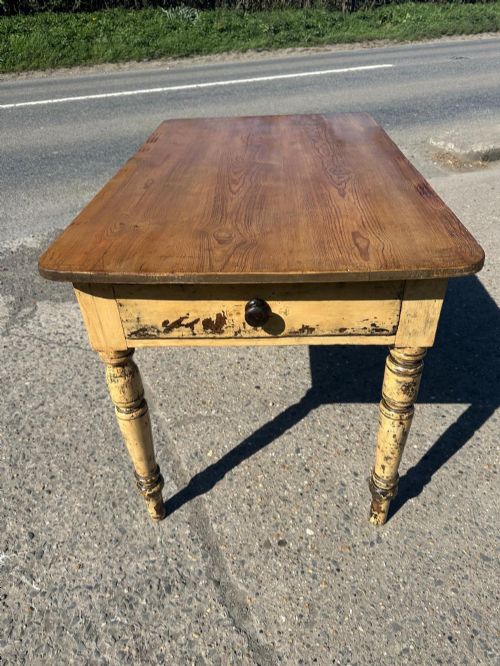
Bases often retain original painted finishes in red or various muted tones, contrasting with the scrubbed upper boards. Simple brass hardware occasionally appears on drawer fittings alongside traditional pegged joinery.
Antique Scrub Top Desk Retail Price Guide 2026
Typical asking prices for scrub top desk among the pieces listed under this phrase on Sellingantiques today, from the lower quarter to the upper quarter. They describe what is for sale here now, not the wider market.
Listings feature nineteenth-century pine, sycamore, and elm pieces influenced by Victorian, French, and Scandinavian vernacular country styles.
Assessing quality
Quality rests upon the proportion and integrity of the timber, particularly how evenly the scrubbed top has aged over the decades. Surfaces that display natural patination without excessive thinning command greater interest.
The retention of original paint on the legs and base significantly elevates the character of a piece. Structural soundness in the trestle or frame ensures the desk remains practical for daily use.
The Antique Scrub Top Desk Glossary
- Scrub top
- A wooden table or desk top cleaned repeatedly with water and scrubbing brushes until the grain stands proud and pale. This process removes old finishes and creates a smooth, matte surface.
- Trestle table
- A form consisting of two or more supports connected by a horizontal beam holding a board top. This design allows maximum legroom beneath the working surface.
- Vernacular country
- Domestic furniture made by local craftsmen using regional materials rather than following formal metropolitan styles. These pieces prioritise utility and direct construction.
- Pine
- A soft timber widely utilised in nineteenth-century utilitarian furniture for its accessibility and resilience. It takes paint well and develops a rich tone through handling.
Antique Scrub Top Desk: Frequently Asked Questions
What defines an antique scrub top?
A scrub top refers to a solid wooden surface that has been vigorously washed and scrubbed over generations to keep it hygienic. This traditional maintenance leaves the timber bare, smooth, and pale in colour.
In the context of desks and tables, this surface sits atop a sturdy base made of pine or hardwood, often featuring painted legs or a fitted drawer for storage.
How were these desks used originally?
Many pieces classified as scrub top desks originated as kitchen, tavern, or work tables rather than dedicated writing furniture. Their large, flat surfaces and sturdy construction made them ideal for domestic tasks, food preparation, and occasional paperwork.
Over time, their simple proportions and practical drawers made them natural substitutes for traditional writing desks in country homes.
Are painted bases original?
Several pieces preserve their original painted finishes on the legs and frame, often seen in red or neutral tones. This paint protected the soft timber underneath and added colour to utilitarian domestic spaces.
When paint survives intact beneath years of wear, it contributes significantly to the historic character of the piece.
How do I care for a scrub top?
Maintaining a scrub top involves keeping the bare wood clean with dry dusting or minimal damp wiping. Avoid harsh chemical cleaners that can strip the natural patina accumulated over the nineteenth century.
Applying occasional clear wax can help protect the dry timber from stains while preserving its matte appearance.