



Antique Screen Stand
An antique screen stand provides a functional barrier or decorative display, combining adjustable height mechanisms and intricate textile panels to warm the hearth.
Antique Screen Stand
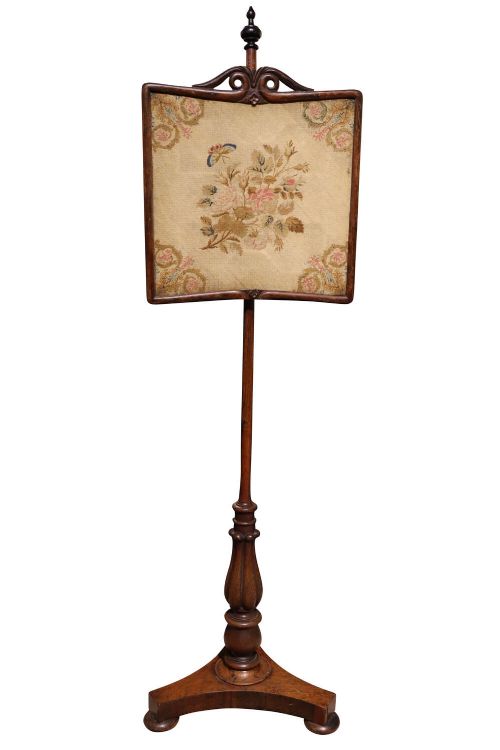
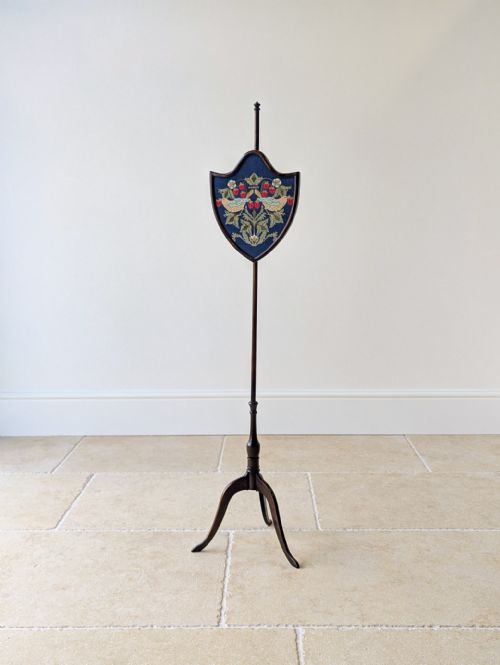
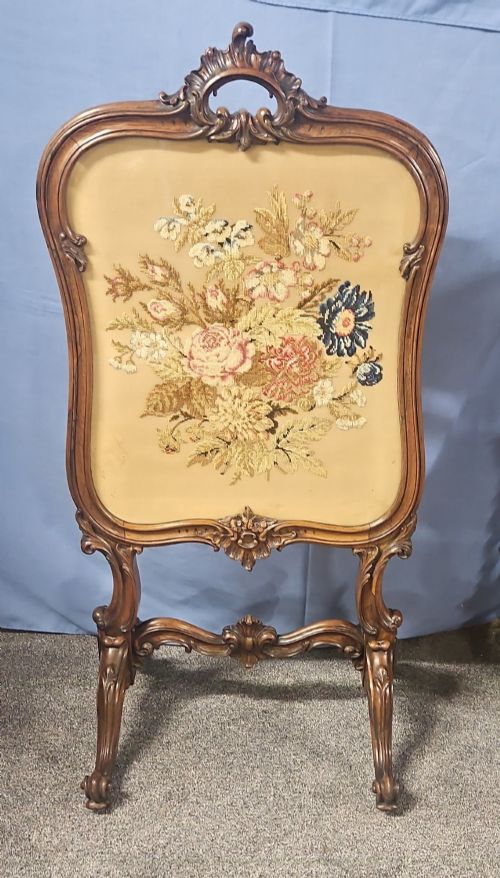
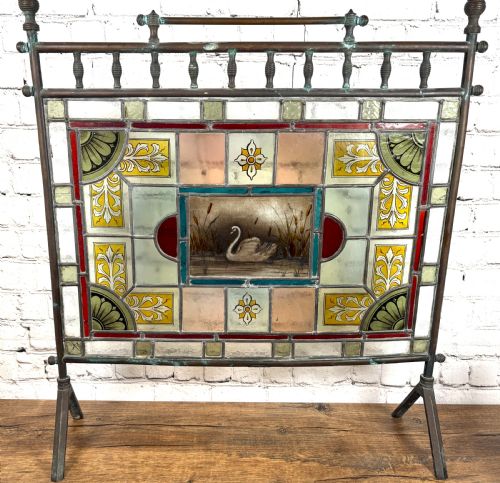
An antique screen stand primarily manifests as a pole screen designed to shield inhabitants from excessive fireplace heat, positioning an adjustable panel upon a vertical shaft and tripod or weighted base. The pieces seen on this page span Georgian, Regency, and Victorian periods, often taking the form of tripod pole screens with needlework faces.
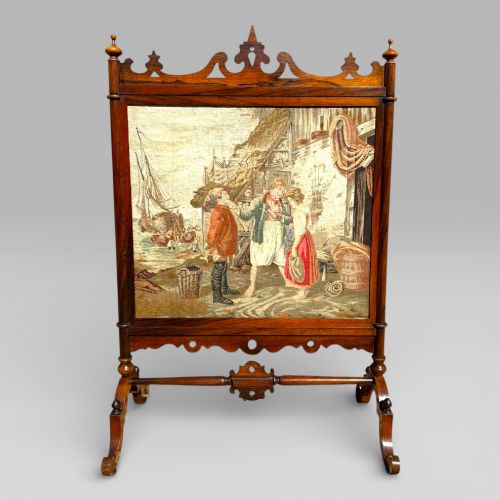
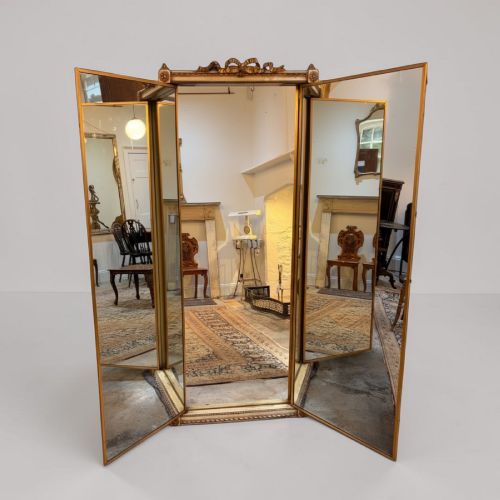
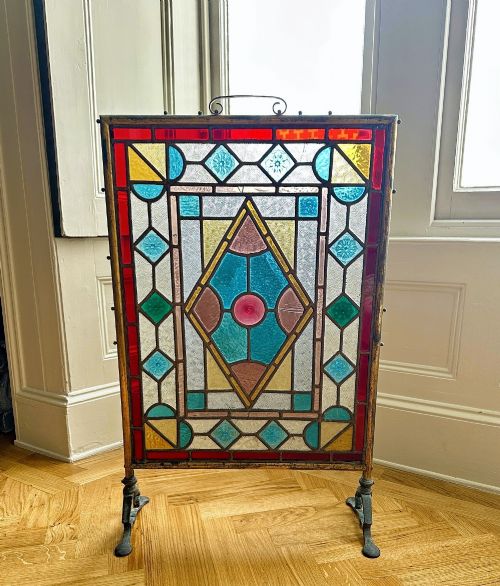
Beyond hearth furniture, the category encompasses folding screens, glass guards, and table stands utilising hardwood, brass, or iron frameworks. Buyers regularly encounter mahogany, rosewood, and walnut standards supporting silk embroidery, tapestry panels, or painted screens.
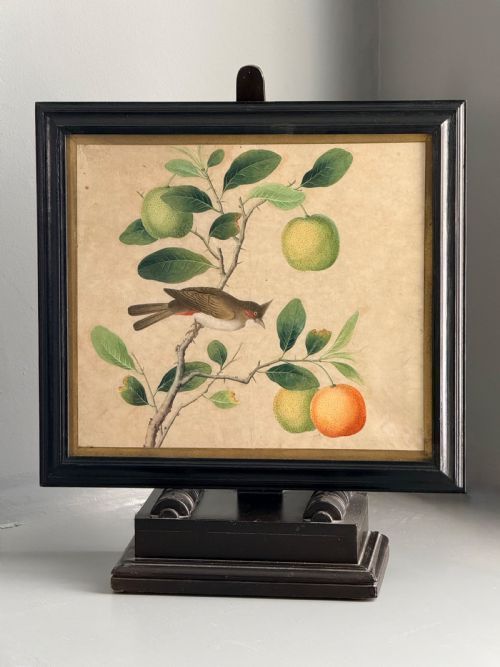
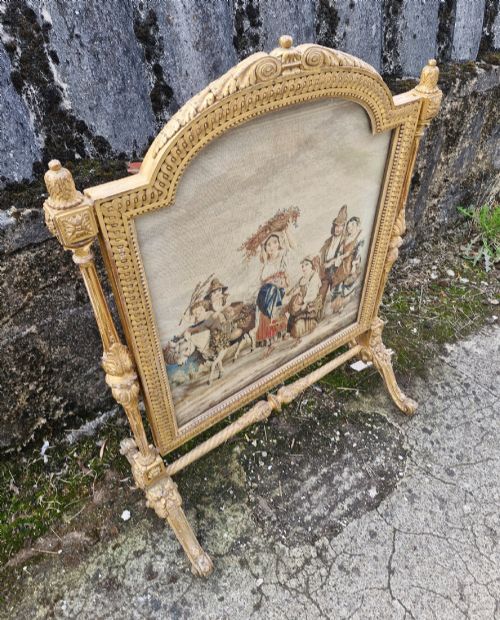
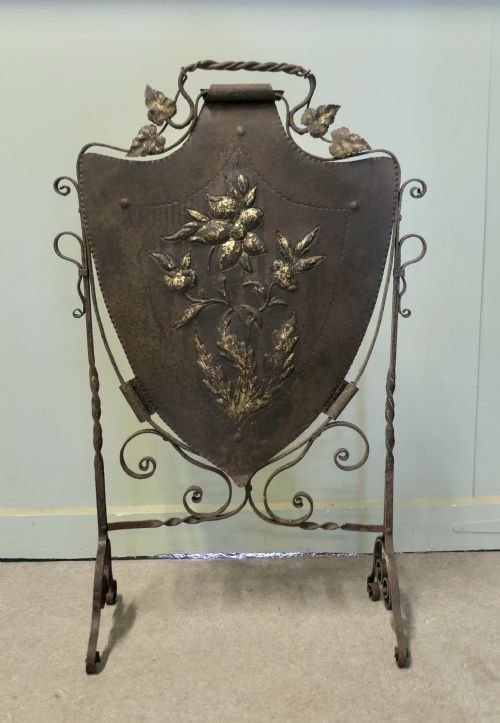
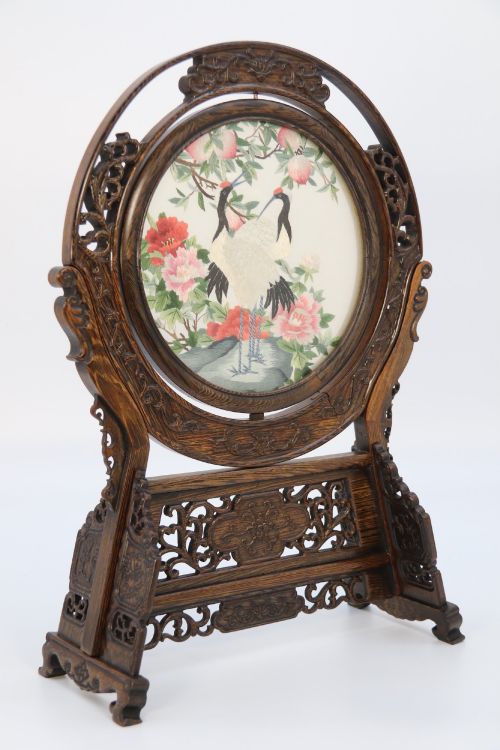
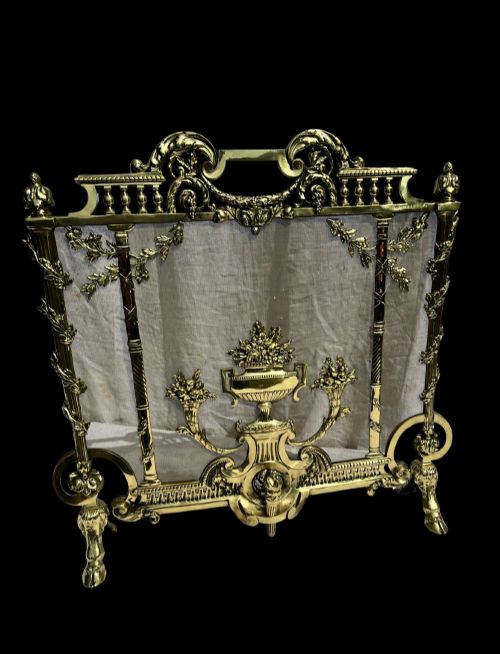
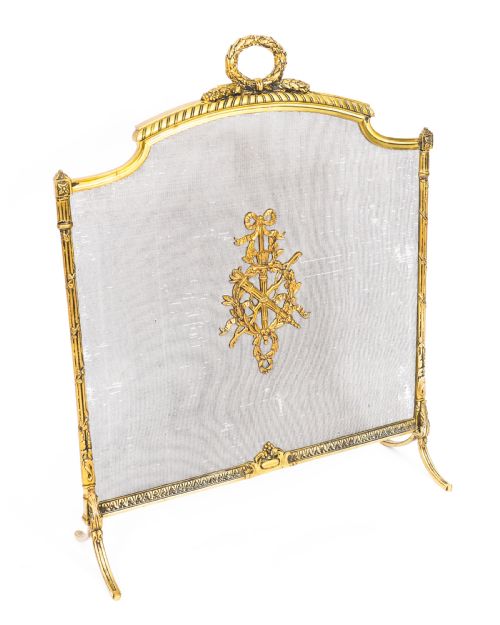
Regional variations introduce Chinese export silk displays and French rococo brass spark guards alongside traditional English tripod designs. Each form serves either to deflect heat or divide space while displaying decorative needlepoint and gouache artwork.
Materials and construction methods
Cabinetmakers utilised dense timbers such as mahogany, rosewood, and walnut for poles and carved tripod bases, turning shafts on lathes and shaping cabriole legs with pad or claw feet. Brass and iron appeared in structural frames, adjustable slide brackets, and freestanding spark guards.
Panels combined wooden frames or gilt mounts with textiles, holding needlework, wool tapestry, silk embroidery, or painted pith paper. Artisans secured these decorative inserts using rebates and pins, allowing individual panels to slide vertically or rotate on pivots.
Antique Screen Stand Retail Price Guide 2026
Typical asking prices for screen stand among the pieces listed under this phrase on Sellingantiques today, from the lower quarter to the upper quarter. They describe what is for sale here now, not the wider market.
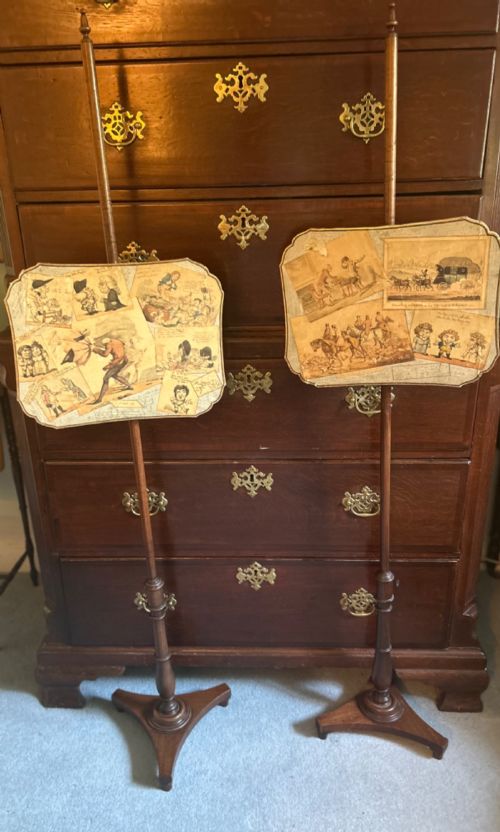
Certain George III pole screens doubled as satirical commentary, pairing adjustable stands with witty printed sheets designed to amuse fireside guests.
Distinctions in manufacture and preservation
Superior examples display crisp hand-carved detailing on wooden bases and intricate, densely stitched needlework or silk embroidery on the screen panel. Lesser pieces rely on simpler turned poles and machine-woven textiles or replacement panels from later decades.
The precision of the adjustable height mechanism affects utility, where original brass thumbscrews and smooth sliding collars demonstrate superior workshop practice. Surviving original glass, uncompromised textiles, and stable tripod joints separate pristine survivals from heavily restored or altered items.
The Antique Screen Stand Glossary
- Pole screen
- A vertical stand featuring an adjustable panel mounted on a central pillar with a tripod or heavy base. It served to protect a person's face from the direct heat of an open fire.
- Needlework
- Hand-stitched textile art using wool or silk threads on canvas, commonly mounted into the frames of hearth screens. These panels frequently depict floral, pastoral, or heraldic scenes.
- Tripod base
- A three-legged support structure commonly utilised on pole screens to provide stability on uneven floors. The legs often terminate in pad, claw and ball, or scroll feet.
- Spark guard
- A metal screen, frequently constructed from brass wire mesh or hinged brass panels, placed before a fireplace to contain embers. These items became particularly common during the Victorian period.
- Chinoiserie
- A European artistic style reflecting Chinese motifs and decorative techniques, applied to lacquer stands and painted folding screens. This style gained prominence during the Georgian and Regency periods.
Antique Screen Stand: Frequently Asked Questions
What is a pole screen used for?
A pole screen protected the face and complexion of sitters from the intense heat of an open coal or wood fire. The adjustable panel could be moved up or down the central shaft to block radiant heat.
Over time, these pieces transitioned from functional hearth equipment to decorative furnishings used to display fine needlework and embroidery within formal drawing rooms.
How do I adjust the height?
Most antique pole screens utilise a sliding collar or brass thumbscrew mechanism fitted to the back of the panel frame. Loosening this mechanism allows the screen to slide vertically along the central turned pole.
Care should be taken when adjusting older mechanisms to avoid straining delicate wooden collars or damaging the internal brass tension springs found on certain Regency and Victorian models.
How do I distinguish Georgian from Victorian screens?
Georgian screens, including George III and Regency examples, generally feature slender mahogany or rosewood tripod bases with refined carving and subtle proportions. The needlework panels on these pieces often display classical motifs or fine petit point stitching.
Victorian screens tend to be heavier and more ornate, incorporating walnut, rosewood, or cast iron with Gothic Revival, Rococo, or Aesthetic styling. The carving is deeper and more exuberant, reflecting changing nineteenth-century domestic tastes.
Can these screens be used safely near modern fires?
Freestanding brass spark guards and wire mesh screens function effectively as physical barriers against flying embers in active fireplaces. Their metal construction handles proximity to heat better than wooden or textile variants.
Pole screens with fabric or paper panels, however, should be placed at a safe distance from open flames to prevent scorching the antique textiles and dried wood.