

Antique Scottish Seating
Antique scottish seating brings together robust vernacular forms and polished cabinet-making from northern workshops.
Antique Scottish Seating
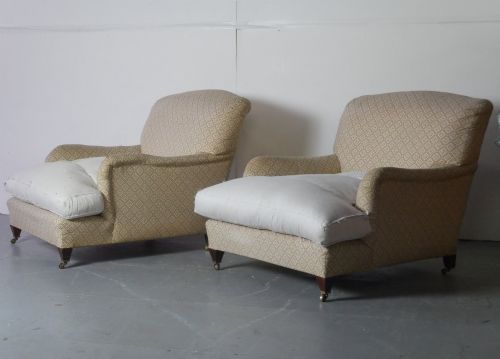
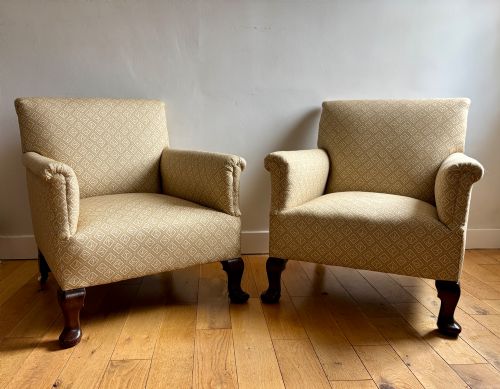
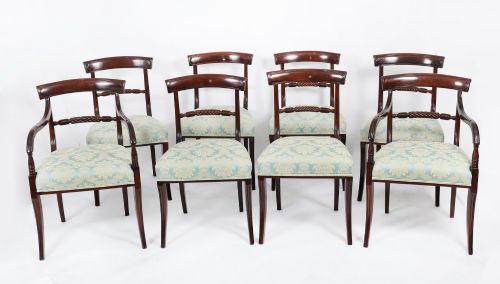
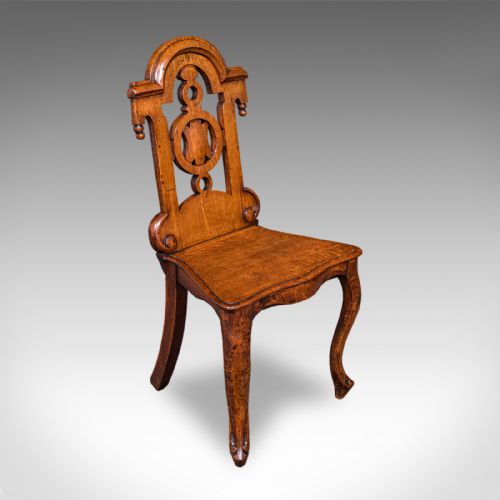
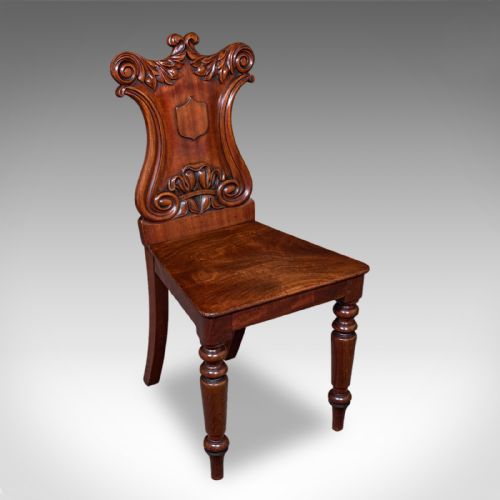
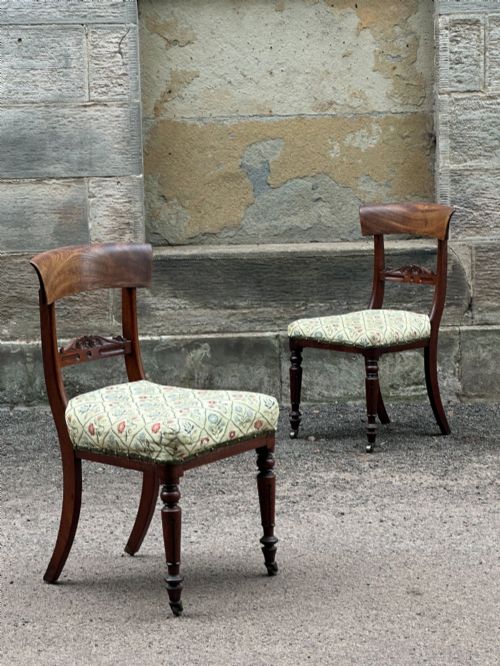
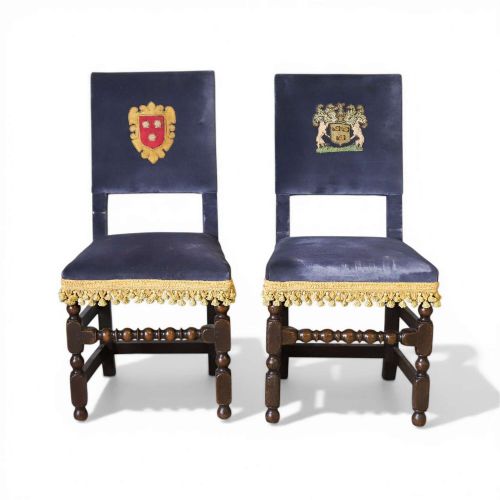
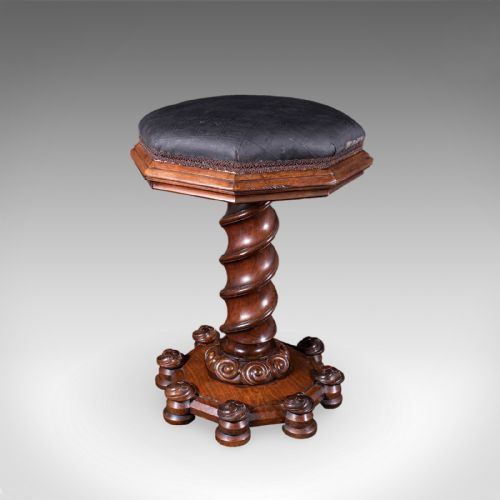
Antique scottish seating encompasses everything from heavy oak settles and vernacular crofter chairs to refined mahogany dining chairs and walnut armchairs.
Buyers meet sturdy vernacular pieces like Orkney and gossip chairs alongside formal Regency, Victorian, and Edwardian reception seats.
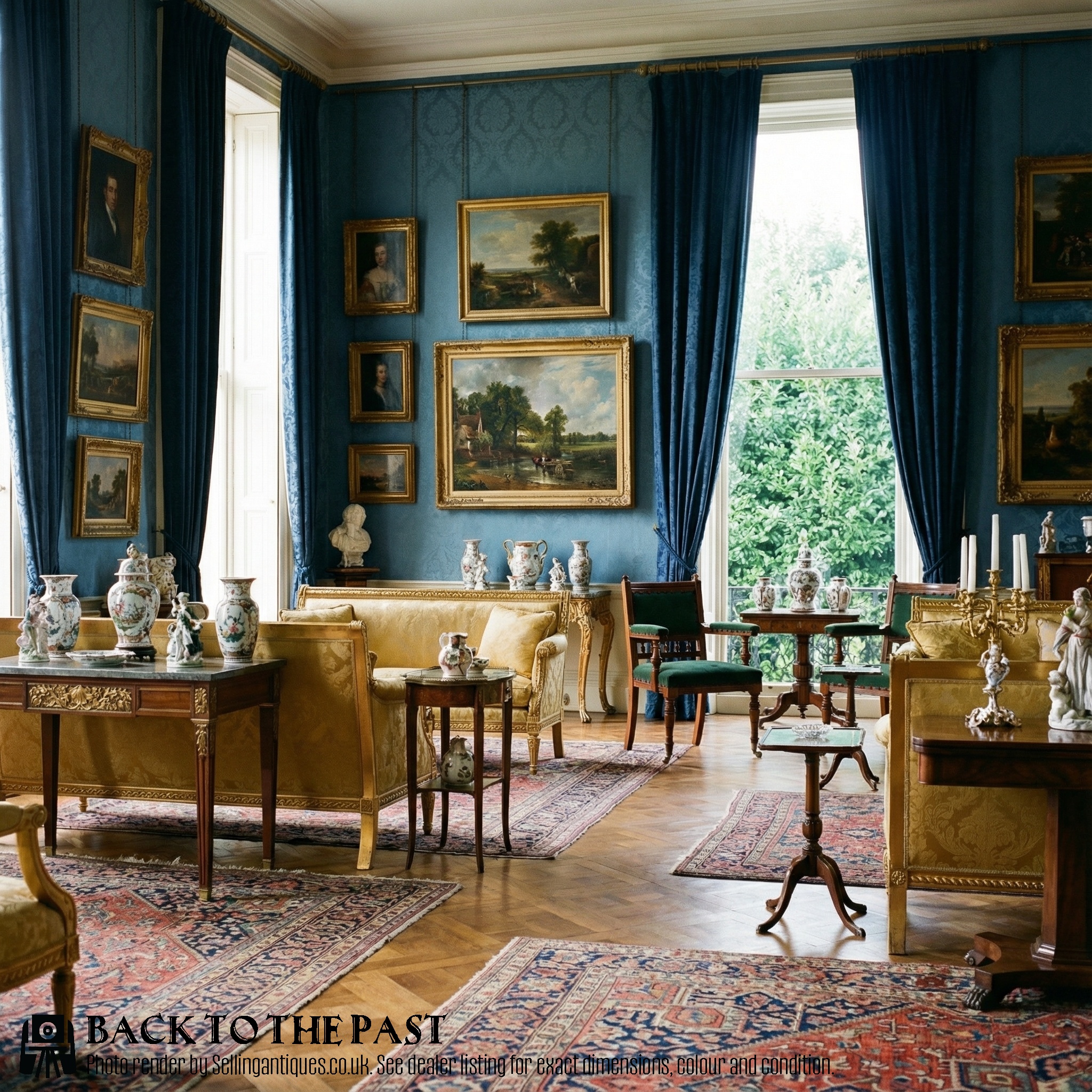
The selection ranges across centuries, recording domestic life from rural crofts to grand baronial halls.
Materials and Construction
Local timbers dominate the vernacular forms, with native oak and stained beech providing the structural skeleton for rustic seating.
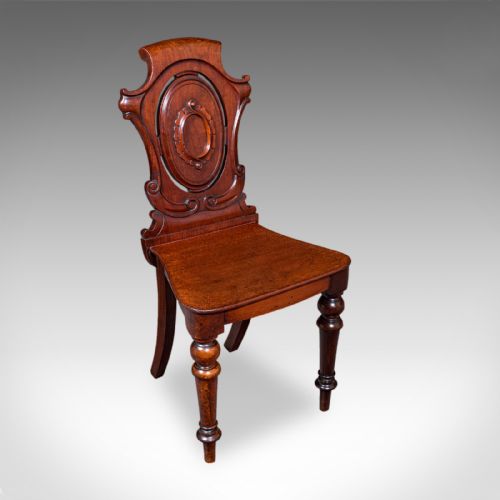
Fine urban workshops utilise imported mahogany and walnut, shaping shield backs, carved crests, and classical legs with precision.
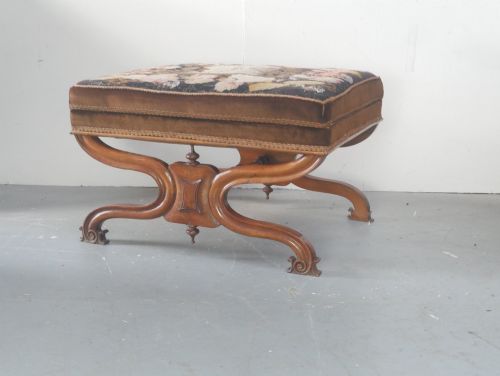
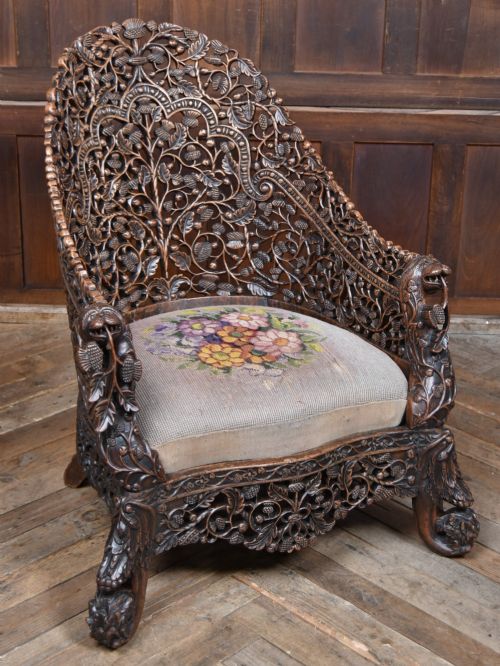
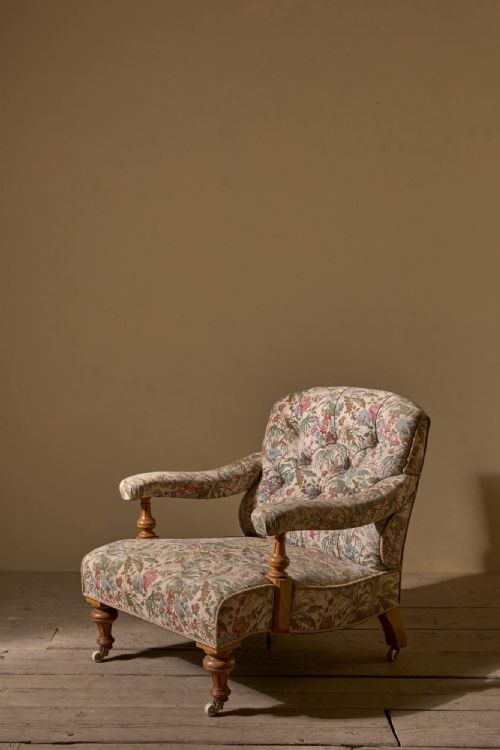
Upholstery relies on traditional fabrics including velvet, leather, and needlepoint, secured over supportive stuffing.
The listings feature native Scottish oak alongside imported mahogany and walnut across dining chairs, armchairs, settles, and stools.
Standard and Execution
Quality rests upon the crispness of the timber carving and the integrity of the underlying joinery, whether rustic pegging or polished dovetails.
The distinction between standard utility items and master workshop production shows in the selection of figured grain and the balance of the proportions.
Whytock And Reid·Wheelers Of Arncroach·Wylie Lockhead Manufacturers·John Taylor And Son·J And T Scott
The Antique Scottish Seating Glossary
- Cockpen chair
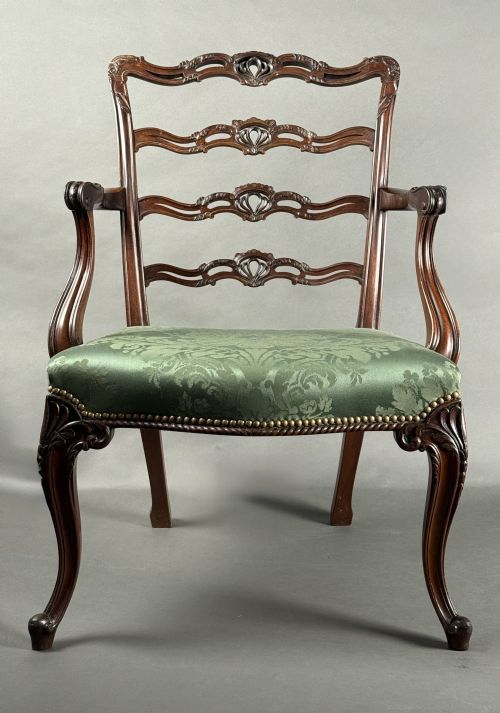
- A Chinese Chippendale style chair featuring an open lattice back and straight legs. These desirable seats often appear in mahogany.
- Orkney chair
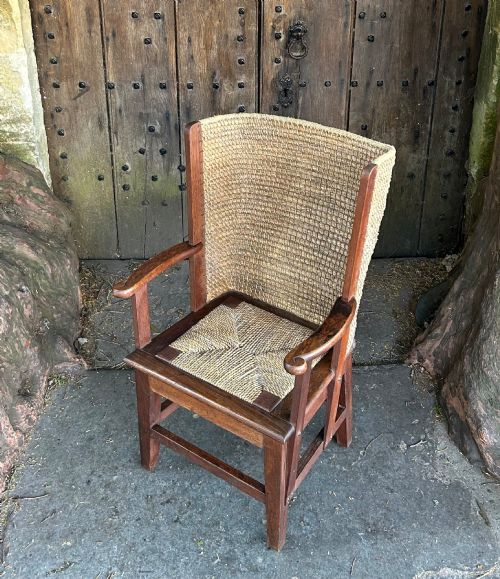
- A traditional low seat featuring a woven straw back and a wooden frame. They originate from the northern islands and utilise oat straw.
- Settle
- A wooden bench with high backs and arms, often incorporating storage beneath the seat. They stood near firesides to block draughts.
- Shield back
- A chair back shaped like a heraldic shield, popular during the late eighteenth century. Cabinet-makers carved delicate motifs into the central splat.
- Wainscot chair
- An early wooden armchair constructed from heavy panelled oak. They date to the seventeenth century and represent status.
Antique Scottish Seating: Frequently Asked Questions
What is an Orkney chair?
An Orkney chair is a traditional Scottish seat characterised by a high, oat-straw woven back attached to a wooden frame. They were designed to protect the sitter from drafts in exposed northern homes.
Craftsmen built the frames using native driftwood or local timber, binding the straw with cord. They remain distinctive icons of vernacular design.
How do I identify a Cockpen chair?
A Cockpen chair is recognised by its distinctive open lattice woodwork forming the backrest and arm supports. This style draws inspiration from Chinese Chippendale designs.
They usually feature straight wooden legs connected by stretchers. The airy geometric pattern provides a lighter alternative to solid panelled backs.
Where were settle benches used?
Settle benches typically stood in hallways, kitchens, and large public rooms to accommodate multiple sitters. The high solid back acted as a barrier against cold drafts.
Many examples feature hinged seats opening to reveal storage space underneath. Their robust construction allowed them to endure heavy daily use in busy environments.
What defines Scottish dining chairs?
Scottish dining chairs span formal mahogany Regency sets to golden oak Arts and Crafts designs. Regional workshops adapted prevailing British trends while employing native hardwoods.
Sets often survive in large numbers, retaining original leather or upholstered pad seats. Their proportions reflect the architecture of the dining rooms they furnished.