

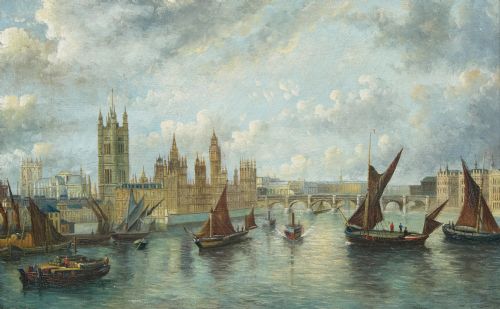
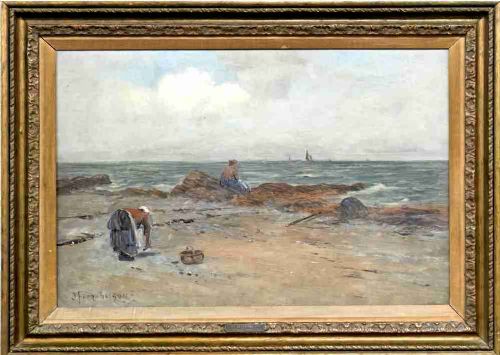
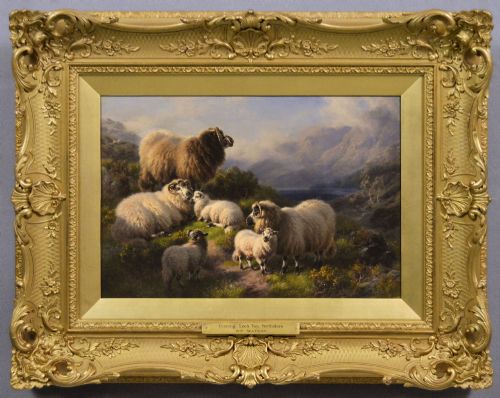
Antique Scottish Landscape Oil
An antique scottish landscape oil brings the dramatic light, misty lochs, and heather-clad moors of the north directly into an interior.
Antique Scottish Landscape Oil
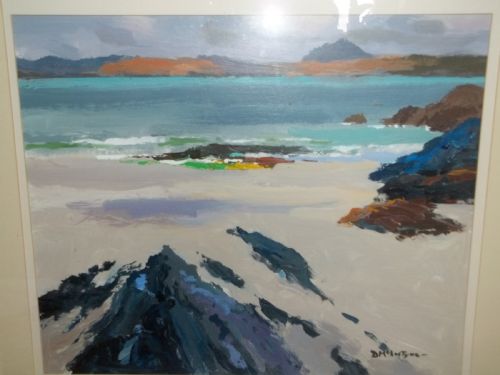
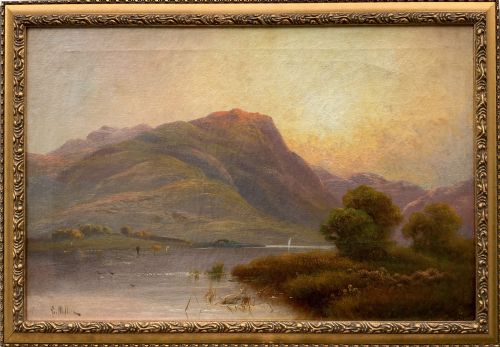
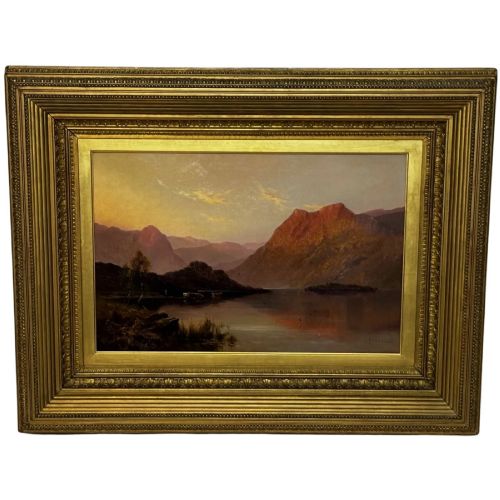
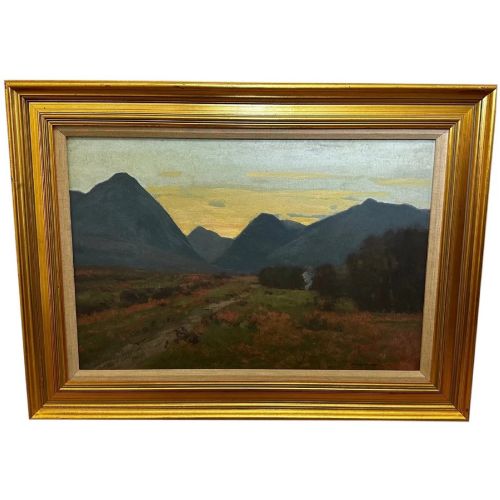
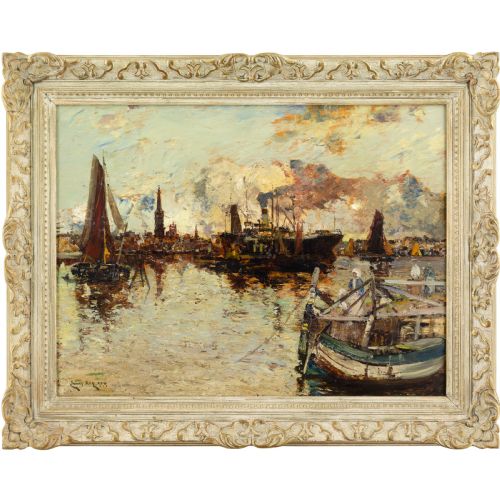
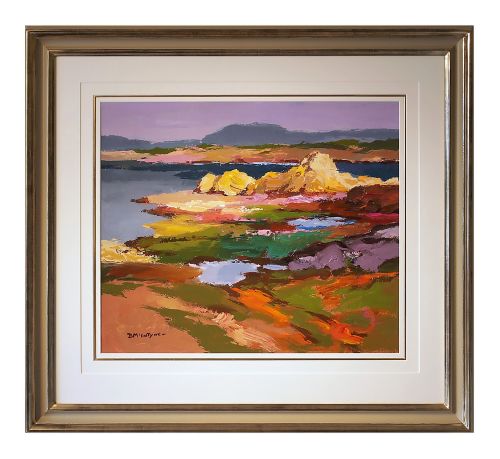
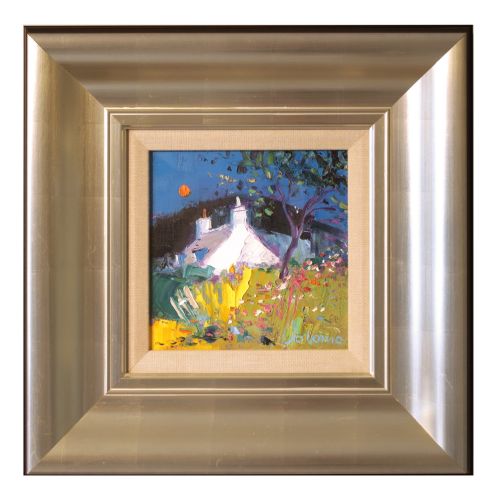
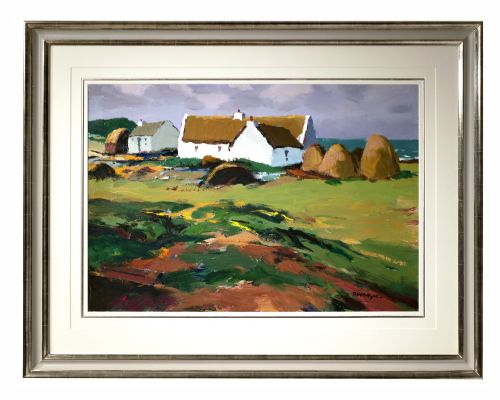
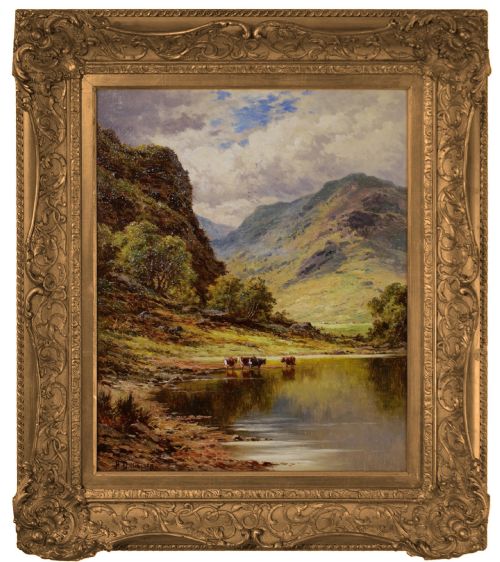
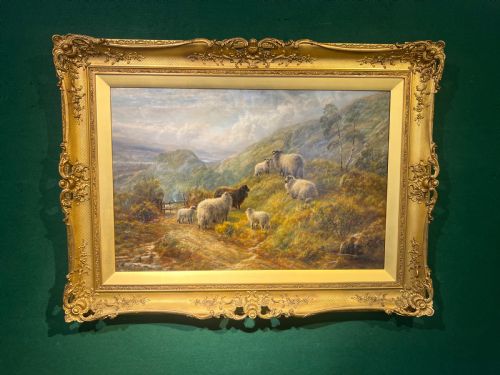
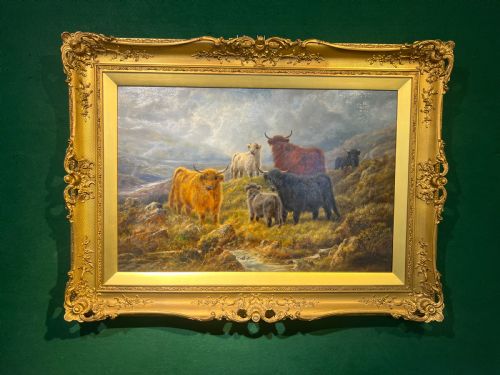
Collectors seeking an antique scottish landscape oil examine works spanning the Georgian era, the Victorian period, and the early twentieth century. These paintings typically depict rural scenes featuring highland cattle, grazing sheep, secluded lochs, and distant mountain ranges.
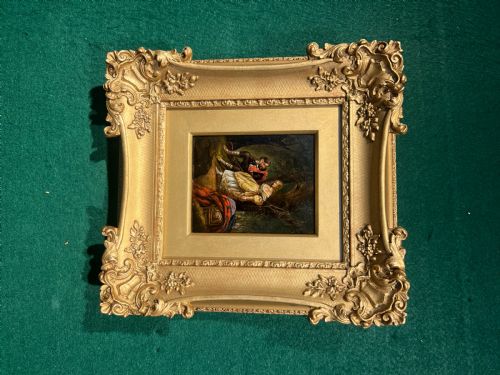
The selection ranges from intimate panels executed on wood or board to large canvases produced by academic artists and regional schools. Many pieces capture specific Scottish locales such as Loch Tay, Arran, and Glen Tilt, reflecting a deep nineteenth-century fascination with untamed northern scenery.
How They Were Made
Artists built these compositions primarily using oil paint applied to stretched canvas, wood panels, or millboard. Canvases and panels frequently retain their original grounds and retain the rich textures characteristic of nineteenth-century brushwork.
Surviving works are commonly housed in period frames constructed from wood, gesso, and gold leaf, occasionally utilising giltwood mouldings that complement the deep tones of the oil pigments.
Numerous highland scenes secretly tuck a tiny, startled flock of sheep into the lower corner, apparently startled by the painter's easel.
What Varies in Quality
Quality in these works rests upon the artist's command of atmospheric perspective, light, and anatomical precision in rendering cattle, sheep, and human figures. Master hands capture the shifting weather and damp air of the Highlands with confident, varied brushwork rather than rigid formulas.
The integrity of the original surface and the harmony of the framing also influence the standing of a piece. Canvases retaining their unlined fabric and stable paint layers alongside period gilt frames command greater respect among collectors.
William Beattie-Brown·Tom Campbell·George Houston·James Kay·Henry H. Parker·Robert Watson·John Macvicar Anderson·Joseph Farquharson·William Watson Jnr·Robert Cleminson·Charles Leslie·Alexander Wellwood Rattray·Everett Watson Mellor·Archibald Kay·Henry Robinson Hall·Sir David Murray·Thomas Bromley Blacklock·Henry Hillier Parker·John A. Houston·Andrew Kurtis·John Morison·John Hamilton Glass·Robert Finlay McIntyre·George Sherwood Hunter·Francis E. Jamieson
The Antique Scottish Landscape Oil Glossary
- Canvas
- A heavy woven fabric stretched across a wooden frame to serve as the primary support for oil paint. It provides a flexible yet durable surface favoured by academic and landscape painters alike.
- Gesso
- A traditional chalk or plaster mixture applied to wood panels or frames to prepare a smooth surface for gilding and painting. It creates a crisp, stable base that catches fine detail.
- Giltwood
- Timber coated with a thin layer of gold leaf or metallic powder, widely used for nineteenth-century picture frames. The warm metallic sheen enhances the depth of oil paintings.
- Oil Paint
- Pigment mixed with a drying oil such as linseed, allowing for rich colour blending and subtle tonal gradations. It remains the defining medium for fine art landscape painting across the Victorian era.
- Wood Panel
- A rigid wooden support used by artists instead of canvas, often yielding fine detail in smaller landscape studies. Panels frequently show the natural grain beneath thin layers of pigment.
Antique Scottish Landscape Oil: Frequently Asked Questions
How do I identify a Scottish school painting?
Look for specific regional topographical markers, such as named lochs, glens, and characteristic livestock like Highland cattle or blackface sheep. The handling of misty atmospheric light and heather-covered terrain also points directly to nineteenth-century Scottish artistic conventions.
Signatures or studio inscriptions on the reverse often connect the canvas to Glasgow or Edinburgh exhibiting societies from the Victorian and Edwardian eras.
Were these paintings created outdoors?
Many artists sketched outdoors in oil or pencil to capture immediate weather conditions, returning to their studios to complete larger exhibition canvases. Field studies on small wood panels often retain a fresher, more spontaneous application of paint than grand gallery pieces.
Both plein-air sketches and studio-finished works hold a prominent place in nineteenth-century landscape traditions.
How should I care for an antique oil painting?
Keep the artwork away from direct sunlight, heating vents, and damp environments to protect both the oil pigments and the wooden stretcher or panel. Gentle dusting with a soft, dry brush is sufficient for routine maintenance.
Avoid applying water or cleaning solutions directly to the paint surface, and consult a professional conservator if the canvas requires cleaning.