

Antique Scottish Artwork Frame
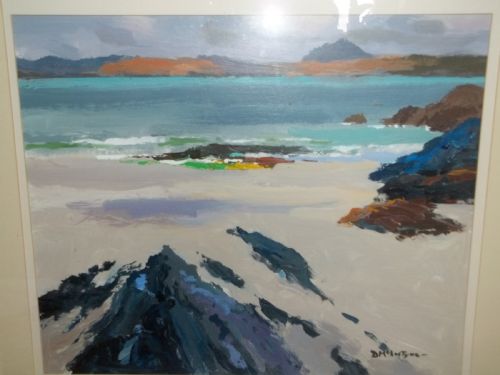
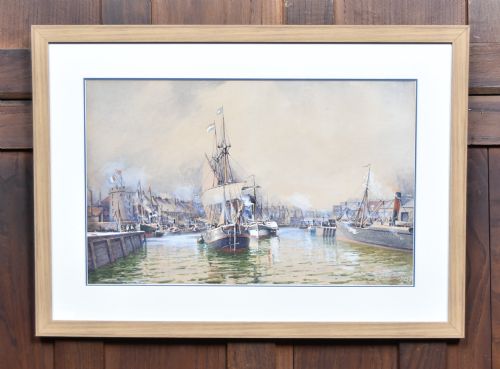
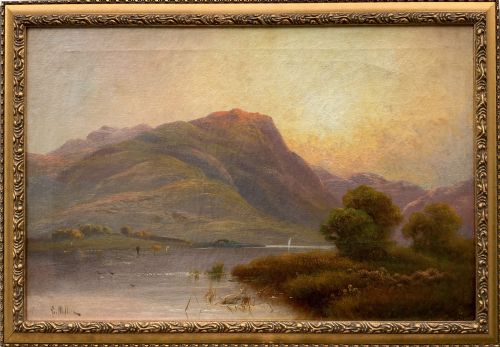
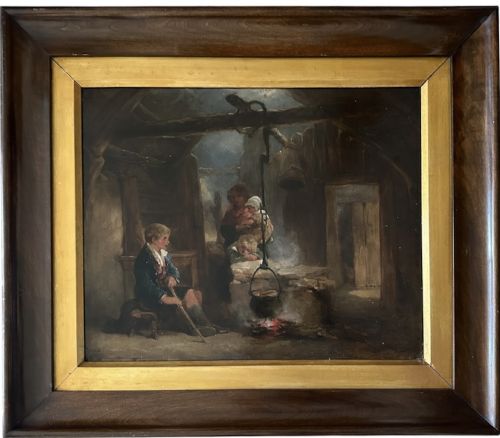
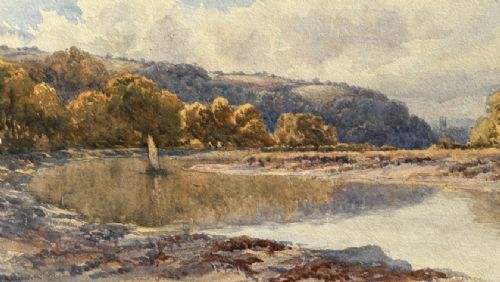
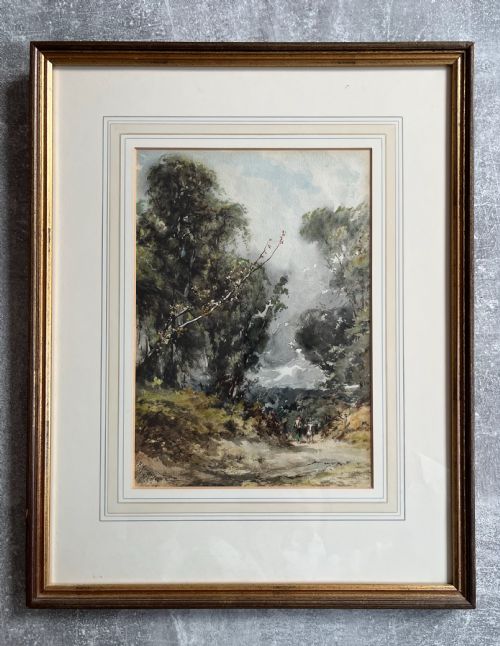
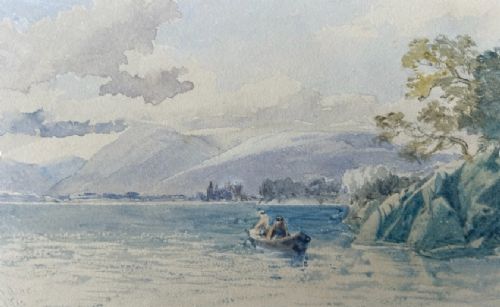
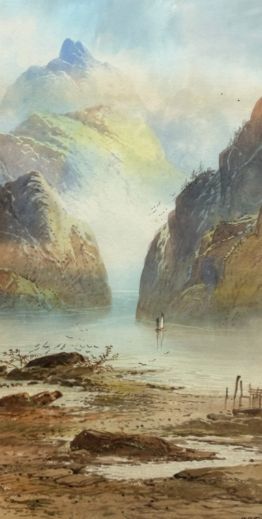
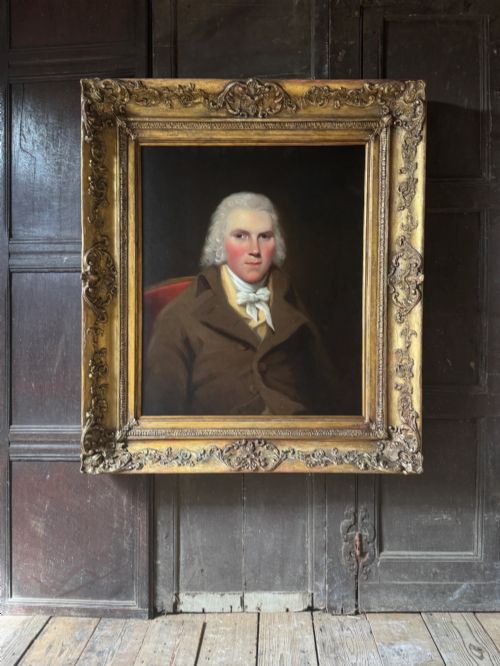
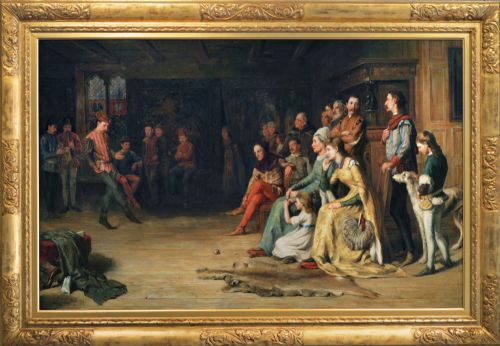
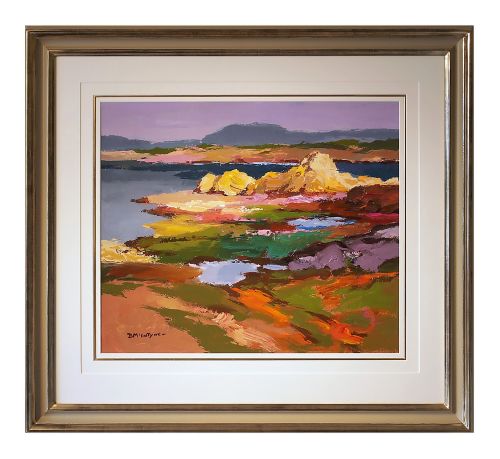
When you search for an antique scottish artwork frame, you are looking at oil paintings, watercolours, and fine art mounted in wood, gesso, and giltwood.
Antique Scottish Artwork Frame
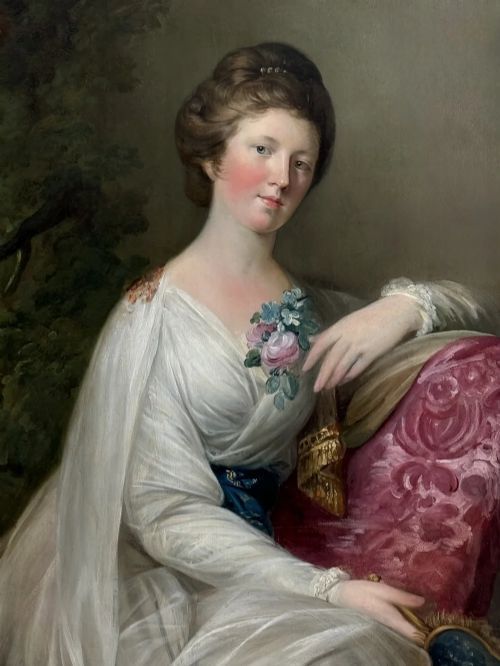
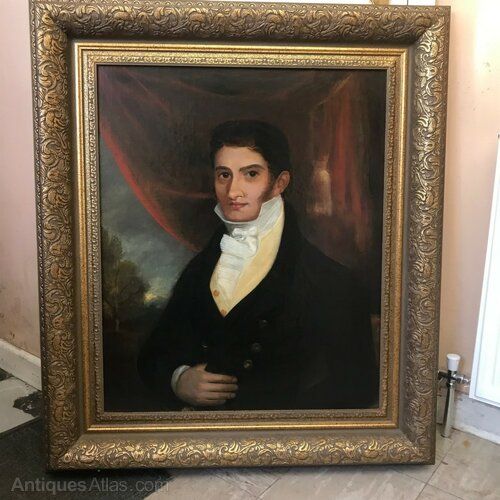
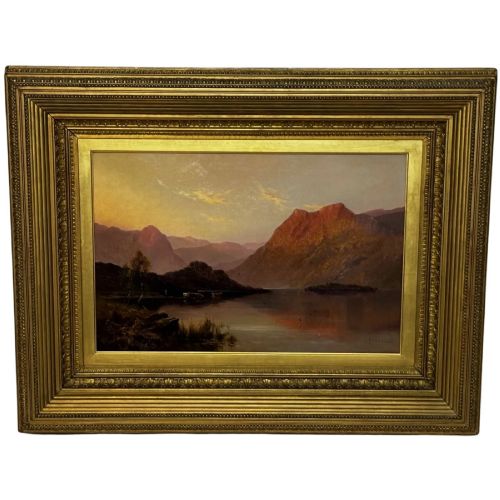
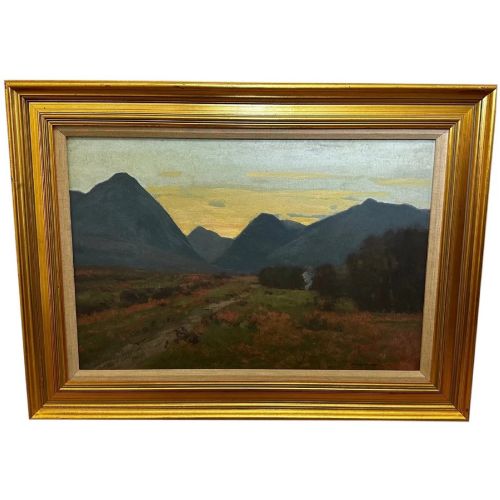
An antique scottish artwork frame typically houses framed artwork, oil paintings, and watercolour paintings originating from the eighteenth, nineteenth, and early twentieth centuries. These pieces encompass landscapes, coastal views, and portraits rooted in periods such as the Victorian era, Georgian period, and Edwardian years.
The most common items found in this category are framed oil paintings and watercolours depicting Scottish landscapes, Highland cattle, lochs, and historic figures. Works span styles like Scottish Impressionism, romanticism, and traditional portraiture created by notable regional artists.
How They Were Made
Makers constructed these frames and supports using wood, canvas, and paper, applying oil paint, gesso, and glass to complete the presentation. Oil on canvas and oil on board dominate the structural material choices for the paintings themselves.
Moulded gesso and carved wood provide the decorative detail on the surrounds, often finished with gilt or paint to complement the visual style of the painting within.
Several Highland sheep and cattle gaze out from these canvases as if they momentarily paused their grazing just for the artist.
What Varies in Quality
The skill of the artist and the depth of the painting's composition separate standard studio output from masterworks. Hand-carved detailing on wooden and gesso surrounds also distinguishes superior framing from simpler, plain-edged alternatives.
The integrity of the canvas, board, or paper surface dictates preservation quality, alongside the original relationship between the artwork and its period mount.
William Beattie-Brown·George Fotherly Hargitt·Thomas Miles Richardson Jnr·William Henry Earp·George Willison·Alfred Fontville de Breanski·George Houston·James Kay·James Hamilton·Robert Watson·George Watson·William Watson Jnr·Charles James McCall·Robert Cleminson·Douglas Cameron·Charles Leslie·John Moxon·William George Tennick·Archibald Kay·Henry Robinson Hall·Thomas Bromley Blacklock·James Kyd
The Antique Scottish Artwork Frame Glossary
- Giltwood
- Wood that has been coated with a thin layer of gold leaf or gold paint. It provides a reflective, ornate border frequently utilised on Victorian and Georgian framing.
- Gesso
- A plaster-like mixture applied to wood before gilding or painting. It allows craftsmen to model intricate relief ornamentation along the edges of a picture.
- Watercolour
- A paint consisting of pigment suspended in a water-soluble vehicle. It is typically applied to paper and protected under glass within these historic mounts.
- Impressionism
- A style of painting characterised by relatively small, thin, yet visible brush strokes. In this collection, it manifests in Scottish interpretations of light and landscape.
Antique Scottish Artwork Frame: Frequently Asked Questions
What subjects appear most often?
Highland landscapes, loch views, cattle, and portraits dominate the regional output. Artists frequently recorded the topography and notable figures of Scotland.
Scenes of coastal towns and domestic genre paintings also feature across the nineteenth and early twentieth centuries.
How do I identify a Victorian piece?
Victorian works often display heavy gesso mouldings, giltwood finishes, and subjects focused on romanticized rural life. Signatures and dates from the mid to late nineteenth century confirm the era.
The use of heavy card mounts and specific framing techniques also points to this period.
Where should I hang these?
These works suit traditional reception rooms, studies, or hallways where period lighting enhances the giltwood and oil surfaces. Keep them away from direct sunlight to protect the pigments.
Pairing them with period furniture helps contextualise the visual weight of the heavy wooden frames.
Are watercolours framed differently than oils?
Watercolours on paper require glass protection and matting to prevent moisture damage and surface wear. Oil paintings on canvas or board are left open to the air within their protective surrounds.
The frame depth also differs, with oil surrounds built heavier to support rigid stretchers.