





Antique Scientific Decor
Antique scientific decor brings functional instruments, models, and natural history prints into the home as striking interior display pieces.
Antique Scientific Decor
Antique scientific decor encompasses functional instruments, educational models, and framed prints gathered under the broad heading of antique scientific decor. These objects range from precision barometers and microscopes to anatomical engravings and demonstration apparatus.
Buyers on this page most frequently encounter nineteenth-century weather instruments alongside early educational models and natural history prints. Walnut and mahogany wheel barometers appear alongside brass barographs and boxed microscopes.
Origins stretch from Georgian and Regency workshops through Victorian London makers to mid-twentieth-century educational equipment. Each piece originates from a practical or pedagogical context before entering domestic interior design.
How they were made
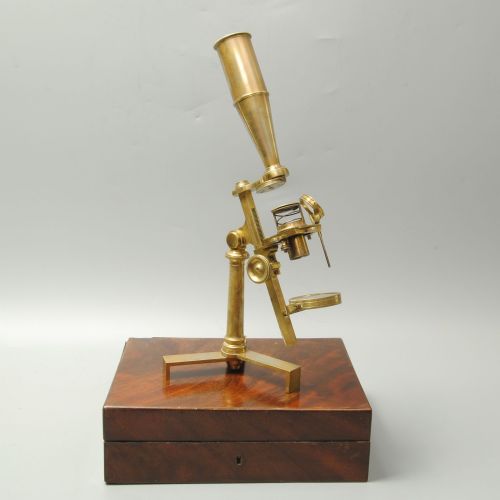
Brass and glass dominate the construction of optical and measuring instruments, providing durable housings for delicate internal components. Wood casings utilise mahogany, oak, walnut, and boxwood, finished with traditional polish to protect the timber.
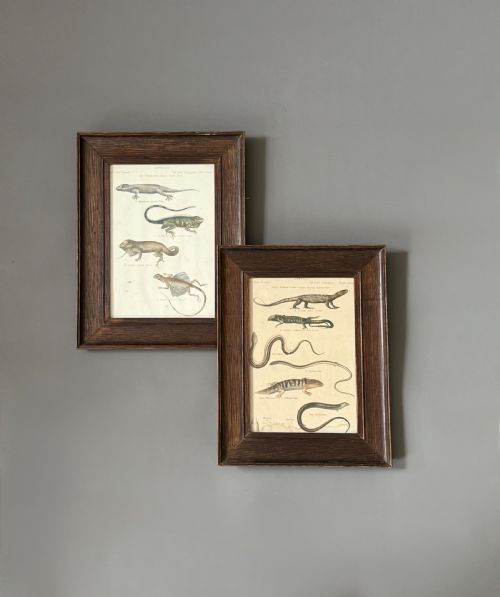
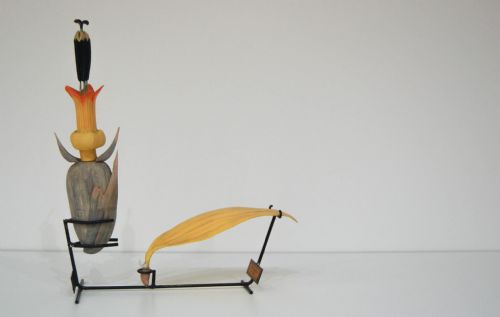
Paper prints rely on copperplate or steel engraving techniques, often with hand-colouring applied to botanical and anatomical subjects. Plaster and wood form the basis of educational demonstration models, shaped and painted to illustrate botanical and mechanical structures.
Antique Scientific Decor Retail Price Guide 2026
Typical asking prices for scientific decor among the pieces listed under this phrase on Sellingantiques today, from the lower quarter to the upper quarter. They describe what is for sale here now, not the wider market.
What varies in quality
The refinement of the mechanical movement or optical assembly sets the highest examples apart from simpler decorative items. Signed pieces by established instrument makers demonstrate superior precision in calibration and engraving compared to anonymous workshop output.
The choice of housing materials and the integrity of original mounted paper dials or scales dictate overall visual success. Secondary woods or replacement components alter the unified aesthetic established by the original maker.
William Bird MD FLS·G & L Guanziroli London·Short & Mason England·Watkins & Hill·Dollond London·Merkelbach & Co Amsterdam
The Antique Scientific Decor Glossary
- Barometer
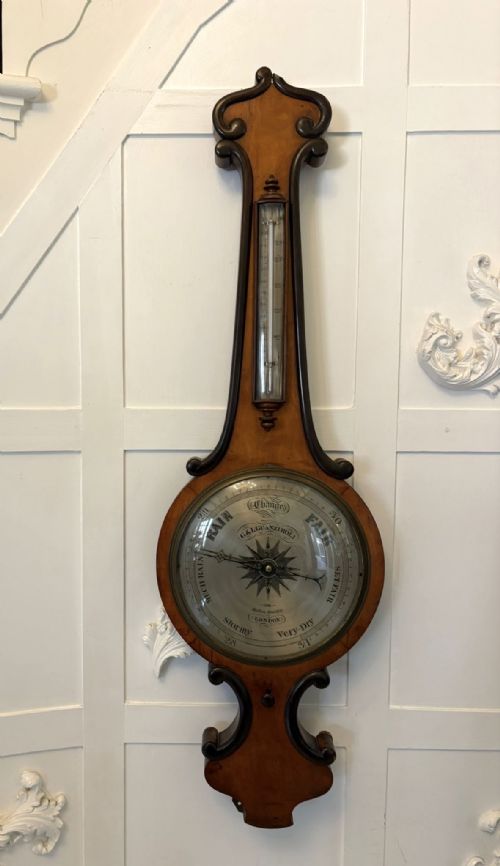
- An instrument measuring atmospheric pressure to forecast weather changes. Wheel versions display these readings on circular dials housed within carved timber frames.
- Barograph
- A mechanical barometer that records atmospheric pressure continuously onto a revolving paper chart. These devices combine brass mechanisms with oak or mahogany cabinetry.
- Thermoscope
- An early device showing relative temperature changes without numerical calibration scales. Boxwood examples represent compact versions of these sensitive instruments.
- Engraving
- A printmaking method where lines are cut into a metal plate to hold ink. 18th and 19th-century examples record anatomical or reptilian subjects with fine detail.
- Demonstration model
- A three-dimensional teaching aid used to explain scientific principles or machinery operation. Materials typically include wood, metal, or painted plaster.
Antique Scientific Decor: Frequently Asked Questions
How do I choose the right barometer?
Select a barometer based on the timber case that matches your interior space, considering whether you prefer a wheel dial or a barograph drum.
Examine the condition of the paper dial face and the presence of any commemorative carvings to find an example with strong character.
Where should I place scientific models?
Scientific models suit tabletops, bookshelves, or dedicated display cabinets where their three-dimensional form and tactile materials can be appreciated up close.
Keep them away from direct sunlight and excessive moisture to protect painted plaster surfaces and wooden components.
Are framed prints suitable for damp rooms?
Framed paper engravings and botanical plates require dry environments to prevent foxing and damage to the underlying paper fibres.
Hang them on interior walls away from bathrooms and kitchens where humidity levels fluctuate significantly.
How do I identify a Victorian instrument?
Victorian scientific pieces frequently feature maker signatures engraved on brass plates, alongside rich timber veneers like walnut or mahogany.
Stylistic cues such as Gothic revival details or commemorative plaques often point directly to mid-nineteenth-century manufacture.