



Antique Scandinavian Silver Spoon
An antique scandinavian silver spoon brings the restrained elegance of northern craftsmanship to the table.
Antique Scandinavian Silver Spoon
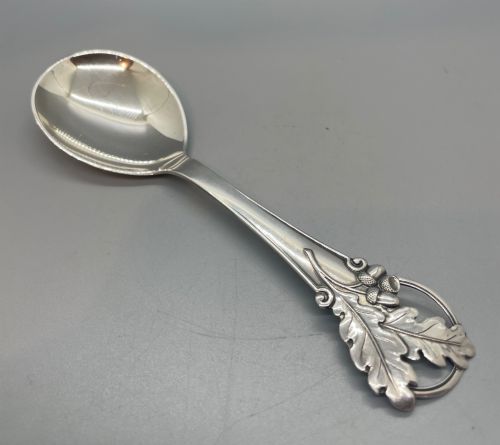
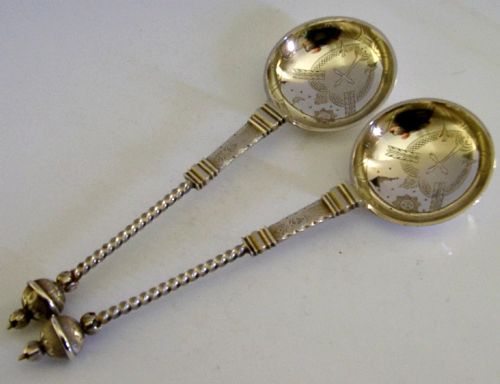
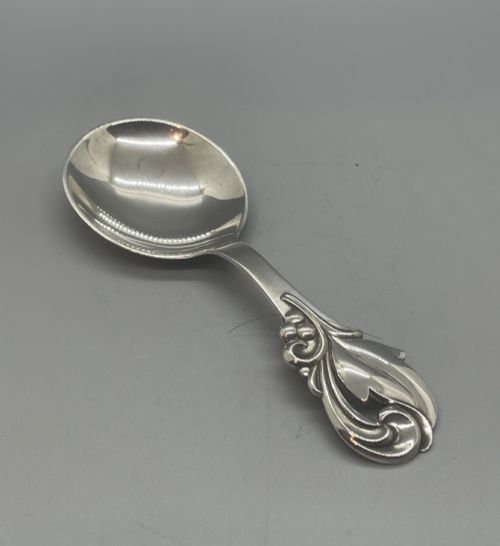
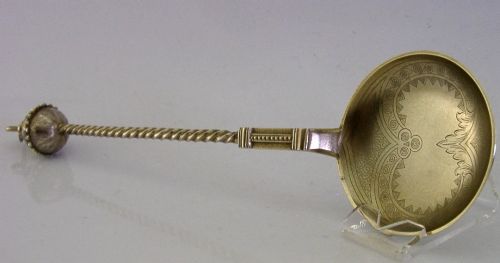
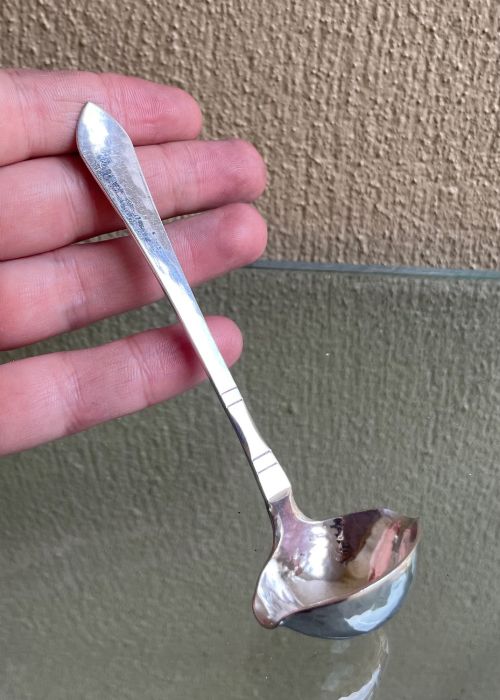
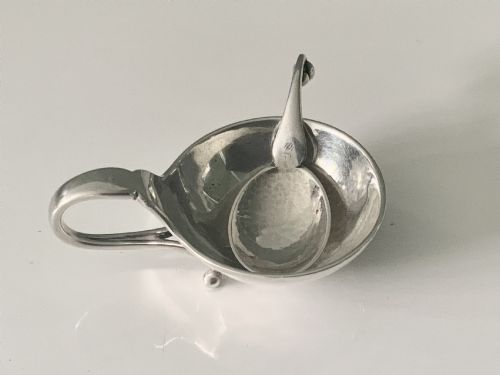
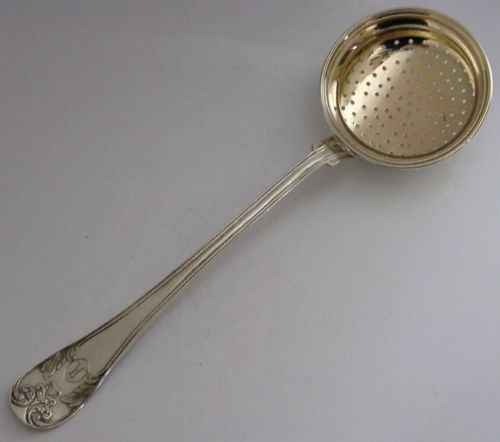
When you search for an antique scandinavian silver spoon, you encounter a range of forms spanning from the early twentieth century through the mid-century period. These objects encompass serving spoons, caddy spoons, ladles, salt cellars, sugar sifters, and teaspoons designed across various regional traditions.
The most common examples on this page are Danish caddy spoons and serving spoons, frequently dating from the nineteen-hundreds to the nineteen-forties. Pieces from Norway and Sweden also appear, reflecting distinct national styles from Art Nouveau and Skønvirke to Mid-Century Modern and Danish Modern.
Buyers seek these items for their functional utility and their adherence to Scandinavian design principles, which balance clean lines with decorative restraint. Whether selecting a heavy serving piece or a small teaspoon, the focus rests on proportion and material integrity.
How they were made
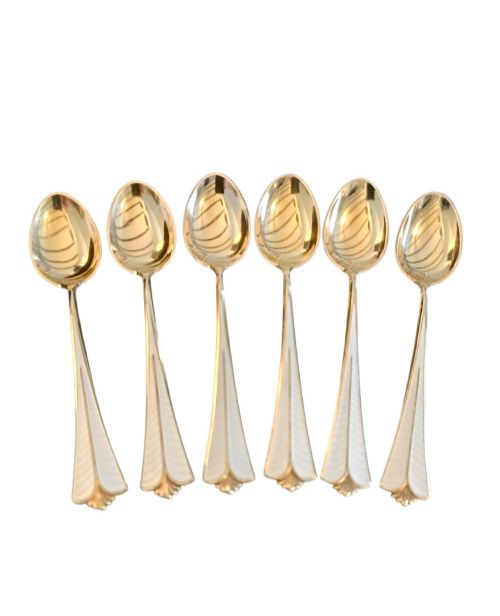
The construction of an antique scandinavian silver spoon relies primarily on sterling silver and solid silver, often augmented with silver gilt or enamel. Makers shape the metal through traditional smithing techniques, producing substantial weights in serving pieces and delicate detailing in smaller spoons.
Enamel application appears in specific mid-century designs, adding colour and pattern to the bowl or handle surfaces. Gilding provides a rich interior finish to salt cellars and serving bowls, contrasting with the cool tone of the surrounding silver.
Antique Scandinavian Silver Spoon Retail Price Guide 2026
Typical asking prices for scandinavian silver spoon among the pieces listed under this phrase on Sellingantiques today, from the lower quarter to the upper quarter. They describe what is for sale here now, not the wider market.
Several pieces are designed expressly for serving caviar and ice, proving that northern dining tables took their chilled delicacies very seriously indeed.
What varies in quality
Quality in these items is determined by the weight of the metal and the precision of the form. Heavier serving spoons and solid silver pieces demonstrate a substantial hand-feel, whereas lighter examples rely on careful balance to achieve elegance.
The distinction between standard production and top-tier work often lies in the maker's execution of decorative elements, such as enamel work or hand-hammered surfaces in Skønvirke and Art Nouveau pieces. Clean joints, crisp hallmarks, and harmonious proportions separate exceptional examples from ordinary ones.
Carl Cohr·Marius Hammer·Georg Jensen·David Andersen·Evald Nielsen
The Antique Scandinavian Silver Spoon Glossary
- Silver gilt
- Silver that has been coated with a thin layer of gold on its surface. This technique provides a warm decorative contrast to the underlying silver.
- Caddy spoon
- A short spoon specifically designed for measuring loose tea leaves from a caddy. These pieces often feature decorative bowls and handles suited to display.
- Skønvirke
- The Danish variant of Art Nouveau that emphasises organic motifs and skilled craftsmanship. It flourished in the early twentieth century.
- Sugar sifter
- A large, perforated spoon used for dusting powdered sugar over desserts. The piercings in the bowl form decorative patterns.
- Hallmark
- An official stamp or marks pressed into metal to indicate purity, maker, and origin. These symbols help verify the provenance of Scandinavian silver.
Antique Scandinavian Silver Spoon: Frequently Asked Questions
How do I clean my silver spoon?
Use a soft cloth and warm soapy water to remove everyday tarnish without scratching the metal. Avoid harsh abrasive dips that can strip away original patination or damage enamel.
Store your spoons in a dry, tarnish-resistant environment when not in use. Regular, gentle handling maintains the natural lustre of the silver.
What is a caddy spoon used for?
A caddy spoon measures loose tea leaves from a storage container into the teapot. Their compact size and decorative handles made them popular collector items.
Today, they serve well for portioning dry goods or simply as display pieces. Their varied bowl shapes reflect the playful designs of twentieth-century silversmiths.
How do I identify a Danish silver spoon?
Look for specific national control marks and maker stamps stamped into the reverse of the handle or bowl. Danish pieces frequently display assay office marks alongside standard silver purity numbers.
Stylistic cues also help, such as the naturalistic motifs of early twentieth-century pieces or the minimalist geometry of mid-century modern design. Comparing hallmarks against reference guides confirms the exact origin.
Can I use these spoons daily?
Solid silver serving spoons and teaspoons are durable enough for regular dining use. Washing them by hand preserves their finish and prevents damage from modern dishwashers.
Enamelled or gilded pieces require more careful handling to protect the surface decoration. Using them gently ensures they remain in fine condition for everyday enjoyment.