


Antique Scandinavian Jewellery
Antique Scandinavian jewellery offers striking silver work and vibrant enamel designs, bringing distinctive northern craftsmanship and wearable history straight to your collection.
Antique Scandinavian Jewellery
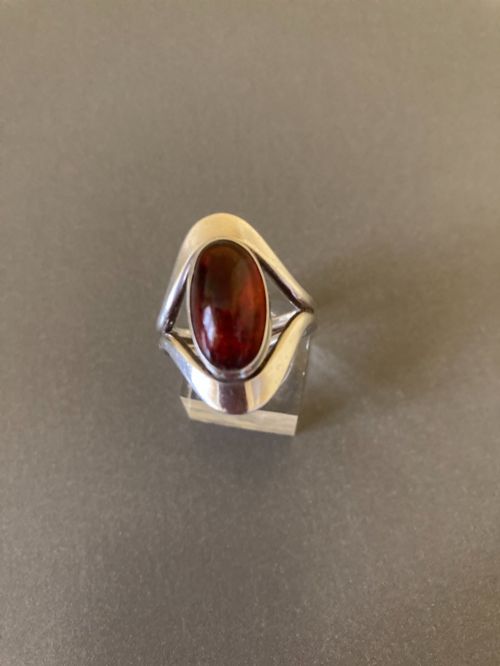
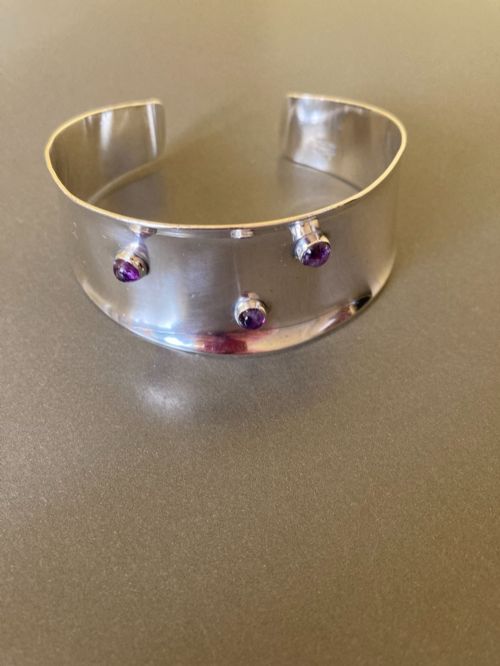
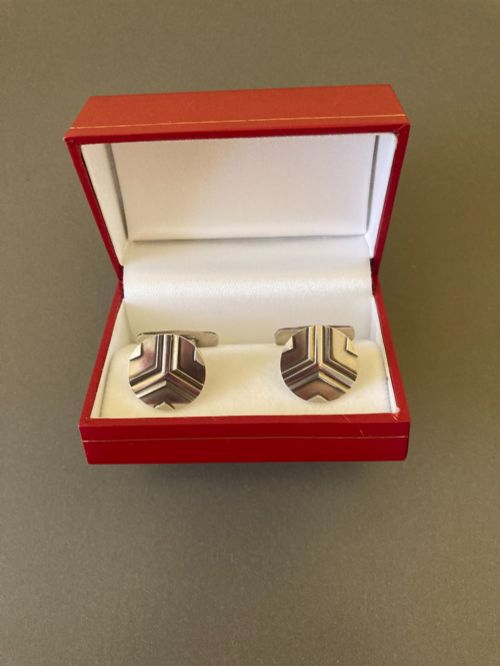
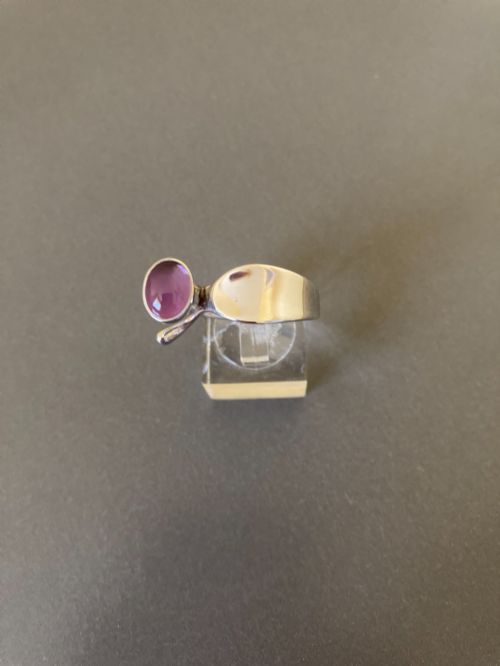
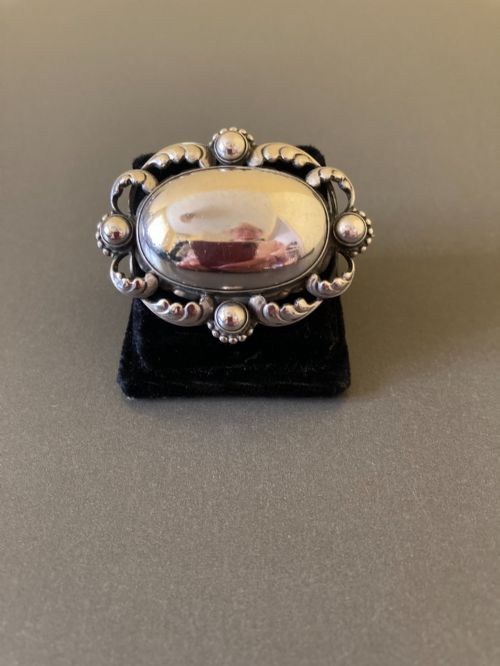
Antique Scandinavian jewellery encompasses a rich variety of decorative pieces originating from northern Europe, spanning periods from the nineteenth century through the mid-twentieth century. When exploring antique Scandinavian jewellery, buyers frequently encounter intricate silver brooches, pendants, bracelets, and charming dressing table boxes.
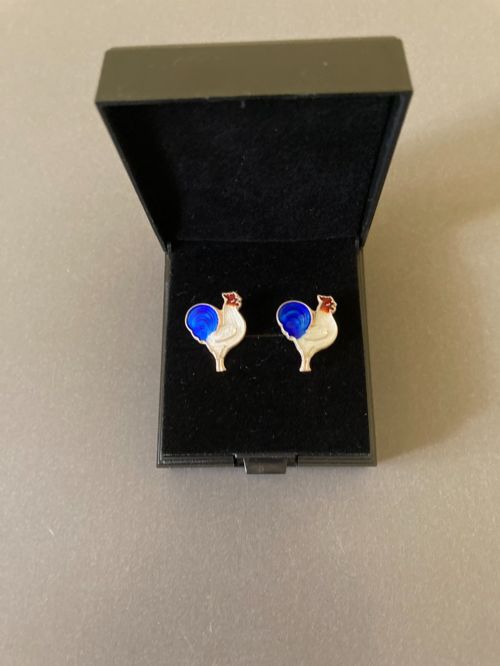
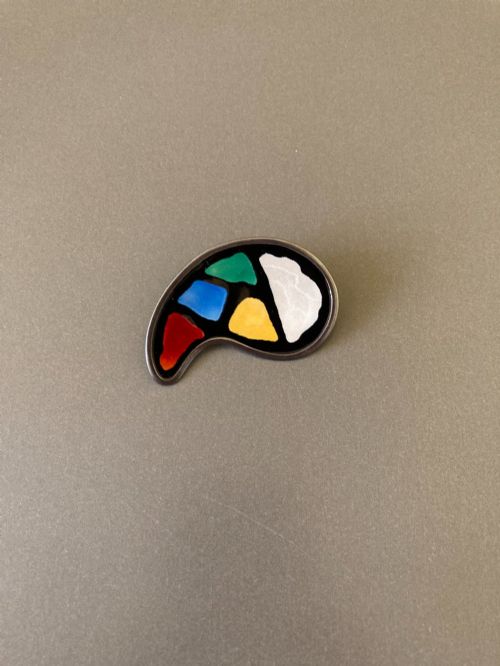
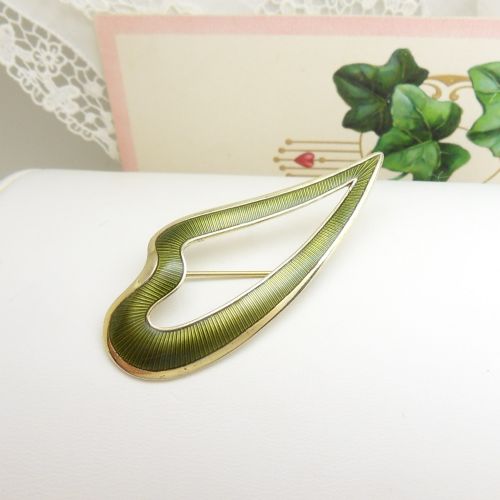
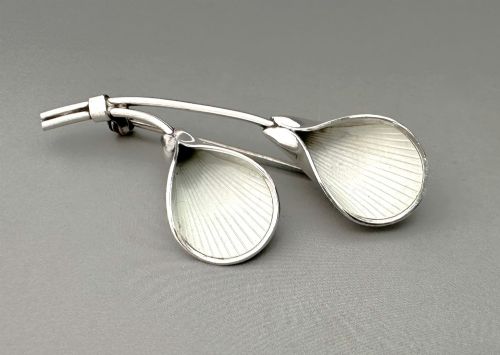
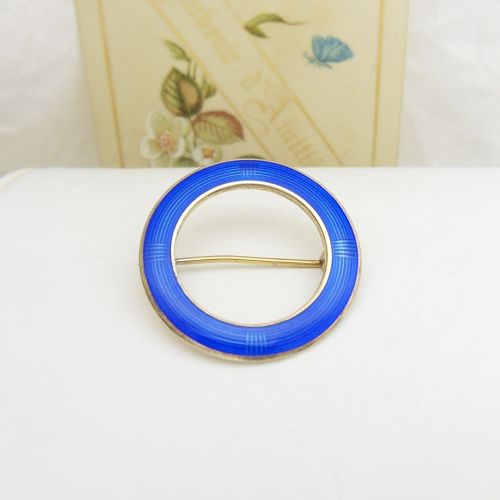
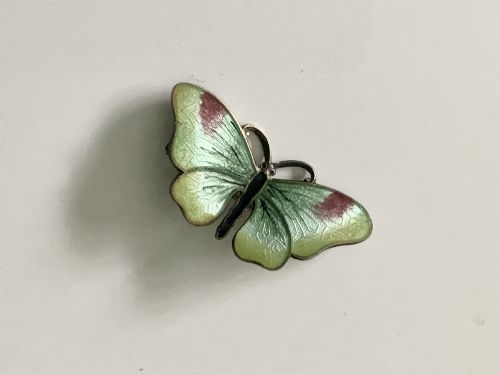
The most common items meeting the eye on this page are sterling silver and silver gilt brooches adorned with guilloche enamel. These wearable pieces showcase the enduring appeal of northern design traditions across successive decades.
How antique Scandinavian jewellery was made
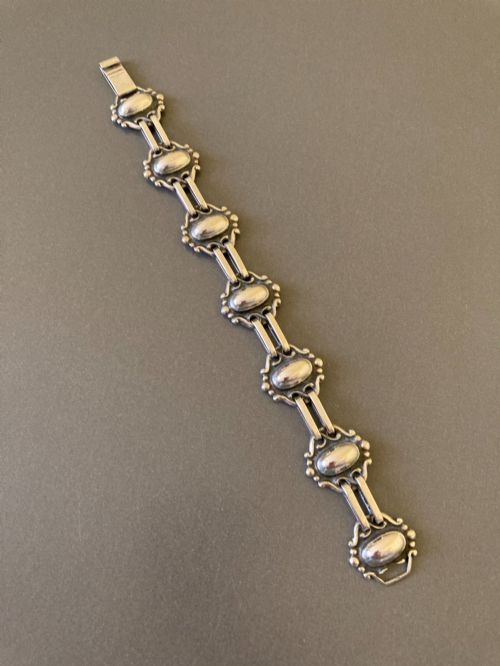
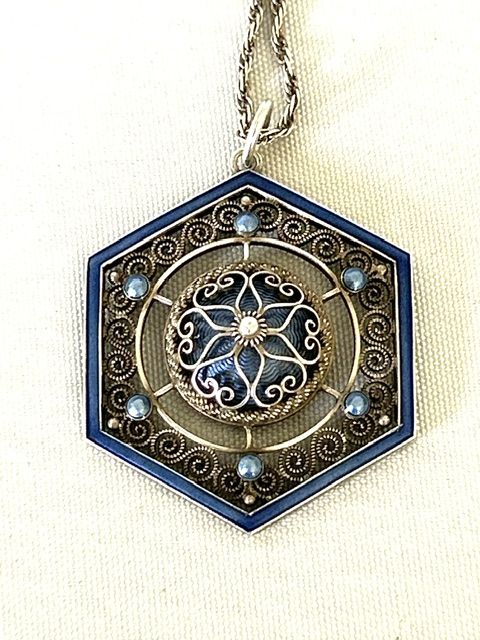
Maker workshops utilised sterling silver and silver gilt as the primary foundation for much of this region's output. Metalsmiths shaped these materials into detailed frames for pendants, bracelets, and sculptural brooches.
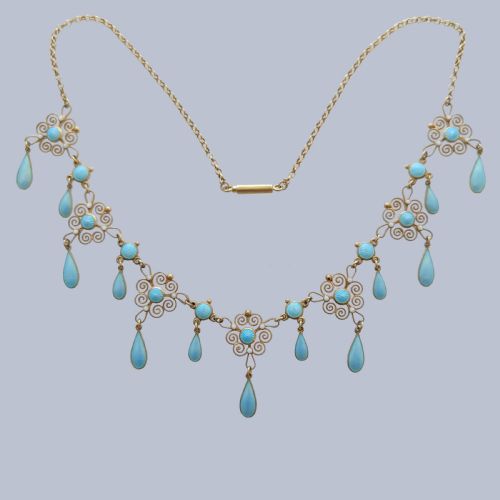
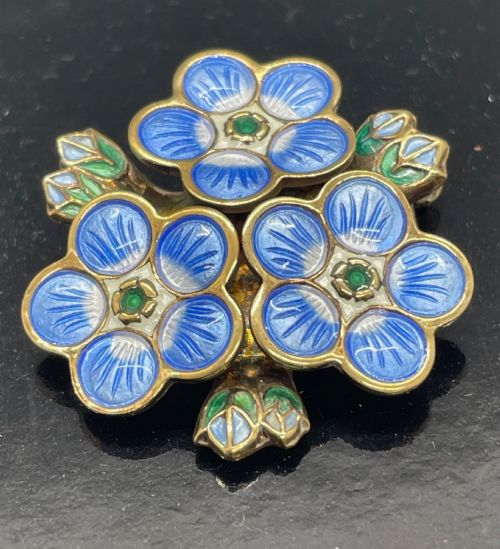
Vitreous and guilloche enamel techniques added rich colour and patterned texture directly onto the metal surfaces. Artisans applied glass pastes within engraved metal cells or across engine-turned grounds before firing to a glossy finish.
Woodworking also played a part in utilitarian ornamental pieces, utilising materials like burr birch and pine for handcrafted boxes. Skilled hands shaped and polished these natural elements to create functional domestic objects.
Antique Scandinavian Jewellery Retail Price Guide 2026
Typical asking prices for scandinavian jewellery among the pieces listed under this phrase on Sellingantiques today, from the lower quarter to the upper quarter. They describe what is for sale here now, not the wider market.
Listings feature items spanning the Victorian era through the 1960s, executed primarily in sterling silver, gold gilt, and various enamels.
What varies in quality
The distinction between standard items and superior examples lies in the precision of the metalwork and the depth of the enamelling. Master workshops achieved finer lines, more complex engine-turning patterns, and perfectly smooth glass applications without surface pitting.
Design attribution significantly influences the standing of a piece, with creations originating from notable designers or established houses demonstrating superior artistic ambition. The complexity of the assembly and the weight of the silver used also separate ordinary production from exceptional craftsmanship.
David Andersen Norway·Marius Hammer·Sigvard Bernadotte for Georg Jensen·Gustav Gaudernack·Georg Jensen
The Antique Scandinavian Jewellery Glossary
- Guilloche enamel
- A decorative technique where metal is engraved with an intricate repetitive pattern and then covered with translucent enamel. This method allows light to reflect through the coloured glass, creating a shimmering effect.
- Silver gilt
- Sterling silver that has been coated with a thin layer of gold on its surface. This process provides the warm tone of gold while maintaining a silver structure underneath.
- Sknvirke
- The Scandinavian variant of the Art Nouveau movement, translating to work of art or craft. It emphasises organic forms, local nature, and traditional Nordic motifs.
- Sterling silver
- An alloy consisting of silver and other metals, usually copper, designed to increase durability. Standard sterling silver contains high purity, making it ideal for detailed jewellery and decorative boxes.
- Vitreous enamel
- Glass fused to the surface of metal through high-temperature firing. This durable coating provides permanent colour that resists fading over time.
Antique Scandinavian Jewellery: Frequently Asked Questions
What is guilloche enamel?
Guilloche enamel involves mechanical engraving on metal beneath translucent coloured glass layers. This method produces geometric patterns that catch the light beneath the smooth surface.
Craftsmen perfected this technique to add depth and visual movement to brooches and pendants during the early twentieth century.
How do I style a silver brooch?
Silver brooches suit lapels, heavy knit jumpers, and fabric scarves alike. Pinning them securely through sturdy fabric ensures the weight of the silver rests properly.
These pieces easily transition from day wear to evening attire by adding a touch of metallic shine to classic tailoring.
How do I date these pieces?
Dating relies heavily on maker marks, stylistic shifts, and metal purity stamps found on the reverse of the items. Art Nouveau and Sknvirke pieces point towards the turn of the century, while clean geometric lines suggest later decades.
Comparing known workshop marks helps narrow down the active production window of individual items.
How were dressing boxes used?
Dressing table boxes stored small precious items, trinkets, and daily accessories in domestic bedchambers. Their substantial wooden or silver construction kept contents protected from dust and light.
Today, these boxes serve both as functional storage and as decorative focal points on dressing tables or sideboards.