






Antique Scale Weights
These antique scale weights represent the practical engineering of commerce, postal sorting and household life across the Victorian and Edwardian eras.
Antique Scale Weights
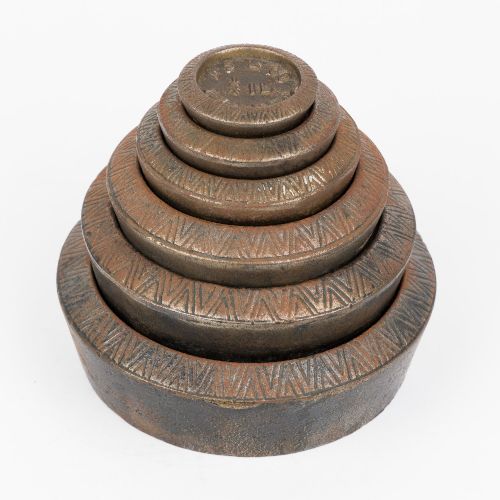
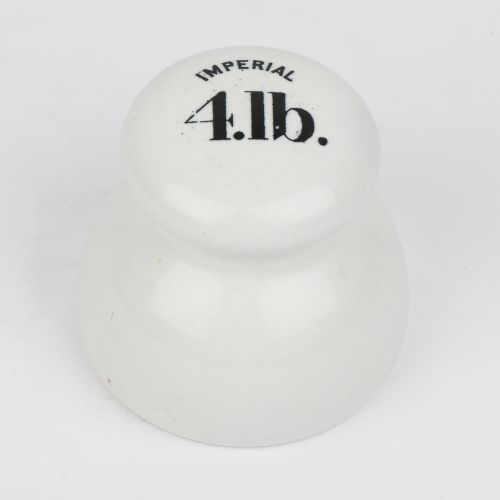
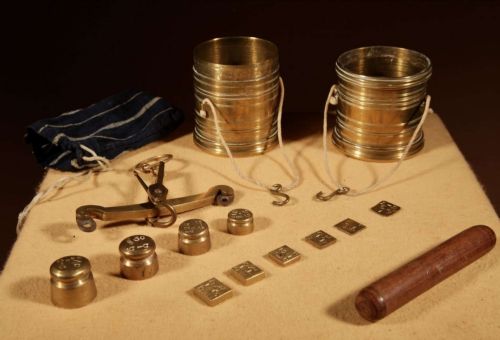
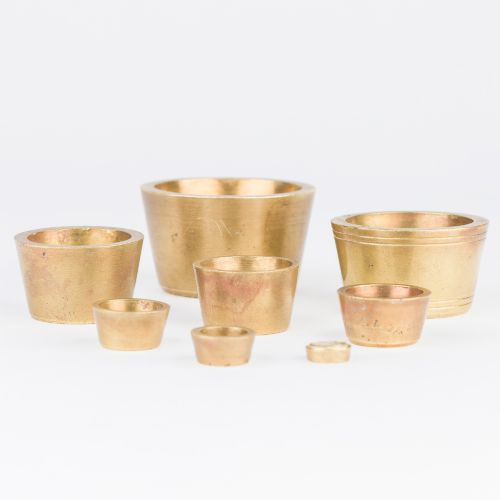
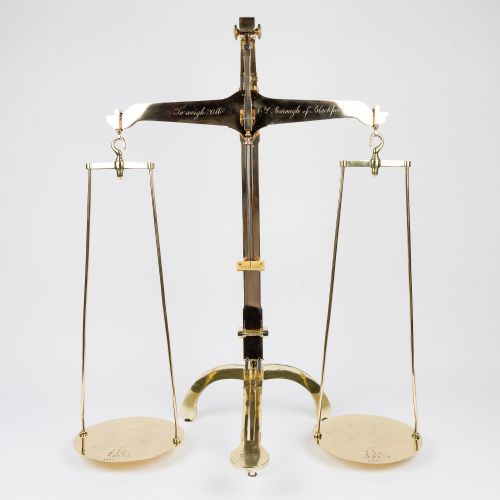
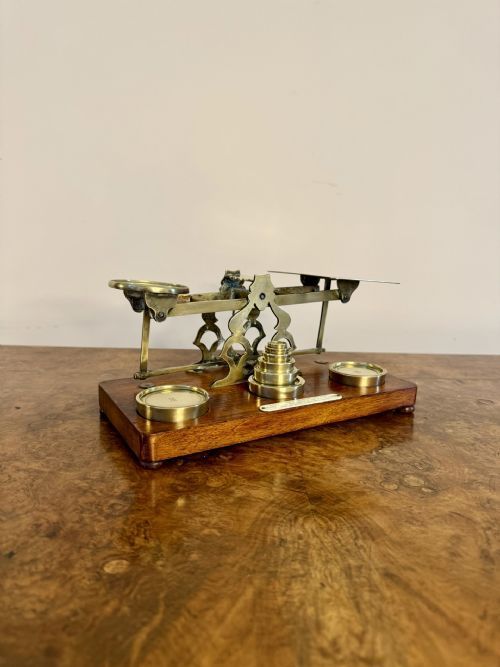
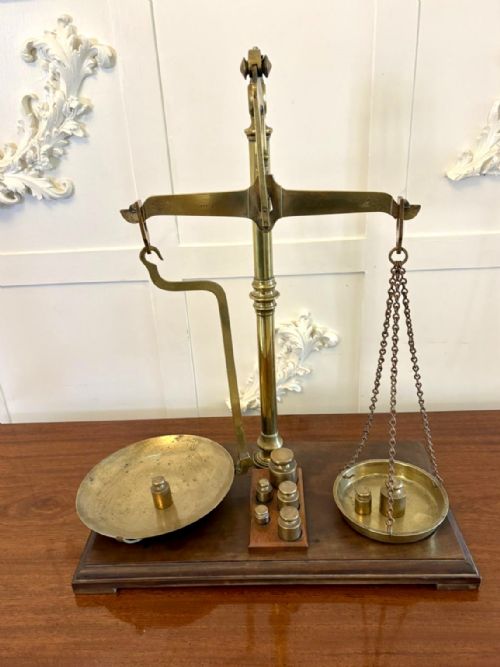
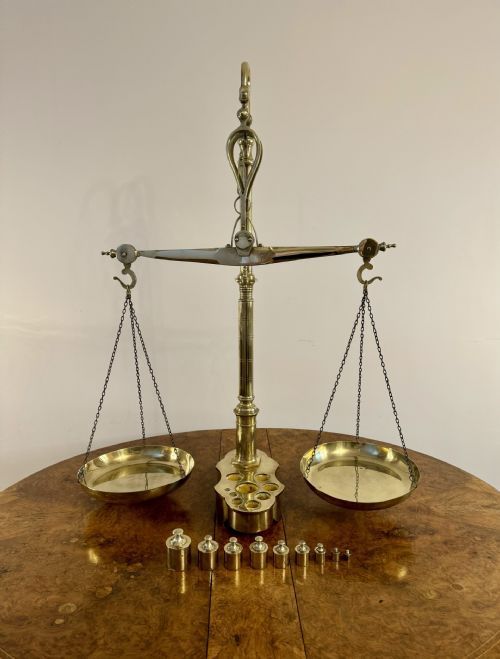
When you search for antique scale weights, you encounter the brass, iron, bronze and ceramic standards that once governed trade, postage and domestic measurement. These items range from small apothecary sets and postal weights mounted on mahogany or oak bases to heavy borough standards and stacked imperial units.
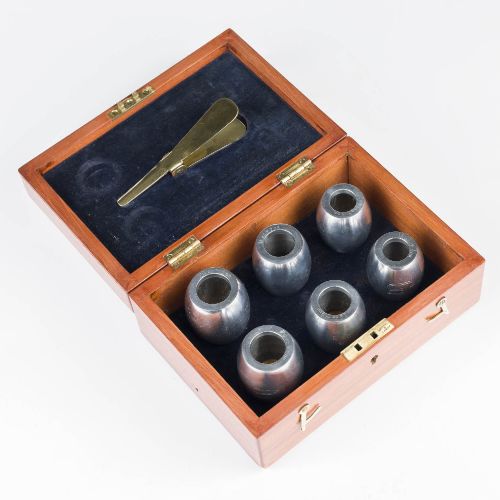
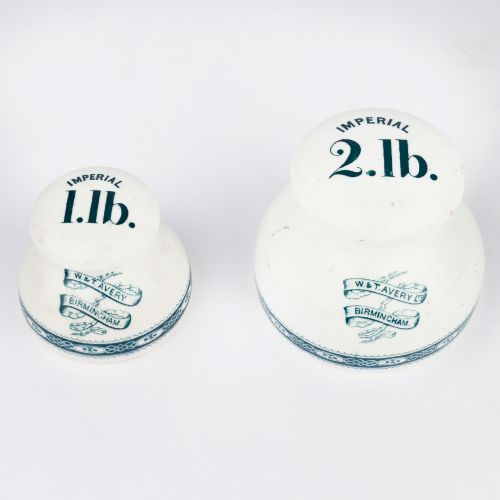
The selections on this page span the nineteenth and early twentieth centuries, drawing heavily on Victorian and Edwardian workshops, alongside regional postal and council equipment. Buyers will find individual ceramic blocks, nested brass troy and avoirdupois pieces, and complete trade sets housed in original wooden or velvet-lined blocks.
How they were made
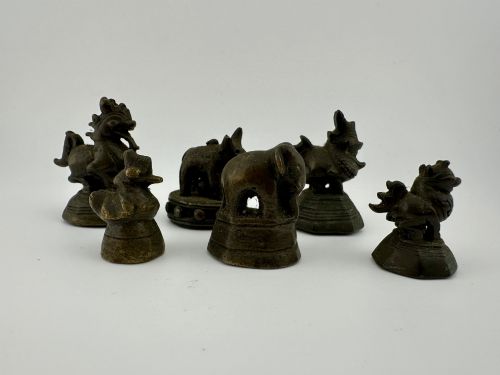
Foundry casting formed the basis of most pieces, utilising molten brass, cast iron and bronze poured into moulds to achieve standard masses. Iron and brass components were frequently turned on lathes to ensure precision, while bronze animal and trade forms relied on traditional regional casting methods.
Wooden elements such as mahogany, oak, walnut and hardwood bases were hand-planed and polished, often incorporating recessed channels or velvet linings to secure the individual pieces. Maker stamps, regulatory ciphers and imperial verification marks were then hand-punched directly into the metal surfaces.
Antique Scale Weights Retail Price Guide 2026
Typical asking prices for scale weights among the pieces listed under this phrase on Sellingantiques today, from the lower quarter to the upper quarter. They describe what is for sale here now, not the wider market.
Listings feature brass, mahogany, cast iron and ceramic materials across the Victorian and Edwardian periods.
What varies in quality
Quality rests in the legibility of maker stamps, verification marks and the completeness of the set. Standard commercial pieces remain common, whereas fully intact sets bearing city borough inscriptions or signed maker details command greater interest.
The finish of the metalwork and the craftsmanship of the wooden base also distinguish finer examples. Heavy turned brass with original polished surfaces and fitted hardwood blocks represent the upper tiers of production.
De Grave Short And Co·W And T Avery·Robert Brettell Bate·S Mordan And Co·Young And Son·Day And Millward
The Antique Scale Weights Glossary
- Avoirdupois
- A system of weights based on a pound of sixteen ounces, commonly used for everyday goods and postal items in the nineteenth century.
- Troy ounce
- A unit of mass traditionally used for precious metals and apothecary preparations, distinct from standard commercial measurements.
- Chondrometer
- A specialised scientific instrument utilised to measure the specific weight or quality of grain.
- Bushel balance
- A large measuring device designed to determine the volume and weight of agricultural produce in bulk trade.
- Postal scales
- A desk balance engineered specifically for weighing letters and parcels to calculate postage rates accurately.
Antique Scale Weights: Frequently Asked Questions
How were these weights used?
Weights were placed on balance pans to measure out exact quantities of goods, letters or medical ingredients. They ensured accurate pricing and compliance with official standards in shops and post offices.
Heavier cast iron and brass versions handled bulk trade and household provisions, while tiny troy or apothecary pieces measured precious substances.
What are imperial stacking weights?
Imperial stacking weights are cylindrical brass pieces designed to fit neatly on top of one another inside a protective case or base. This arrangement saved desk space and kept the complete set together for daily commercial use.
Such sets typically followed standard measurement systems like avoirdupois for general trade.
How do I identify postal scales?
Postal scales feature a flat platform or spring-loaded mechanism paired with a graduated brass indicator plate showing postage rates. They are frequently mounted on shaped mahogany or oak bases alongside matched sets of letter weights.
Many bear maker signatures from prominent nineteenth-century firms on the metal beam or timber base.
Can I still use these for weighing?
These items serve primarily as decorative objects and historical artefacts for display. Over time, metal wear, loss of material or adjustments to official standards can affect their precision.
Collectors appreciate them for their craftsmanship, period patina and connection to historical commerce.