



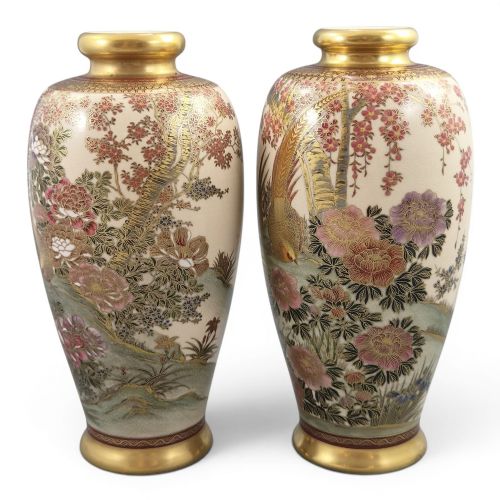


Antique Satsuma Pottery Pair
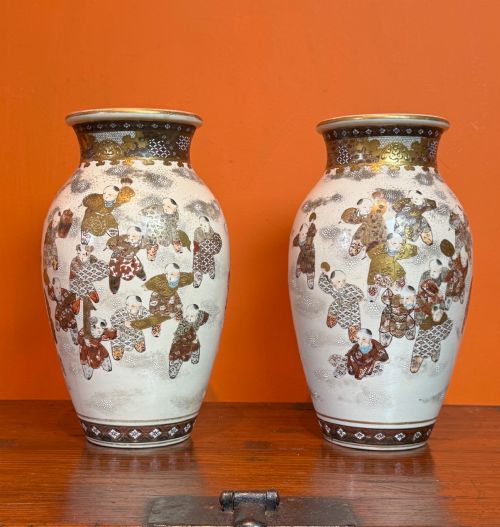
These antique satsuma pottery pair selections offer matching ceramic vessels decorated during the Meiji, Taisho, and Showa periods for collectors seeking symmetrical displays.
Antique Satsuma Pottery Pair
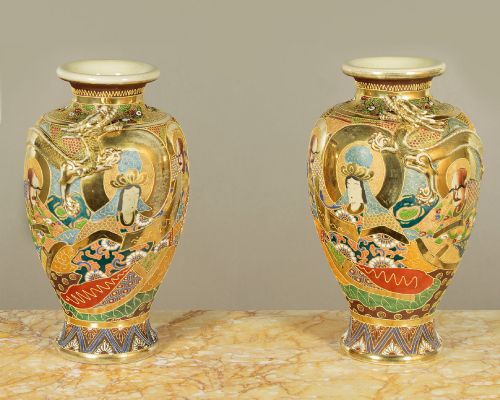
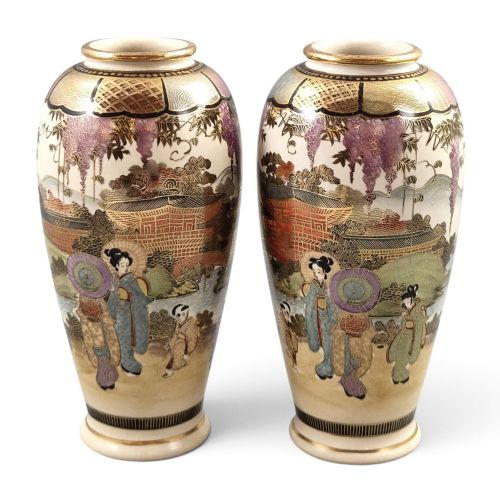
An antique satsuma pottery pair consists of matching ceramic vessels created in Japan primarily across the nineteenth and early twentieth centuries. These matching pieces take forms such as baluster vases, hexagonal bodies, lidded jars, and large floor vessels designed for symmetrical display.
The objects span periods from late Victorian and Edwardian eras into the Taisho and Showa reigns, reflecting changing export tastes. Buyers encounter varied sizes ranging from small decorative items to grand thirty-eight-inch floor pieces.
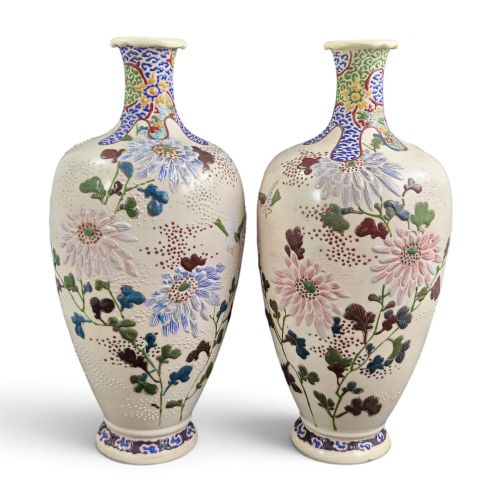
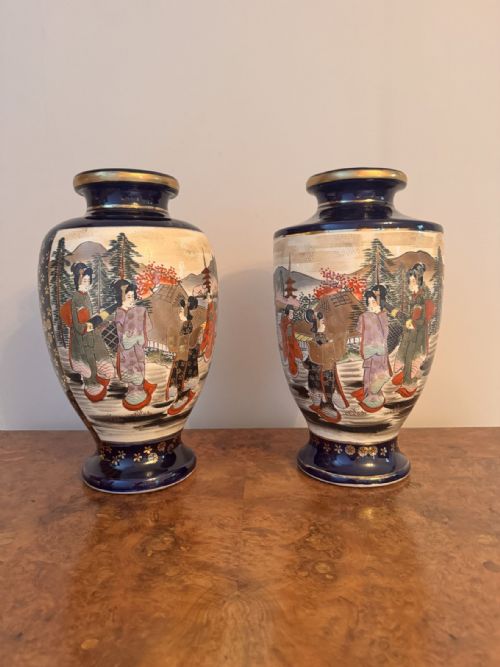
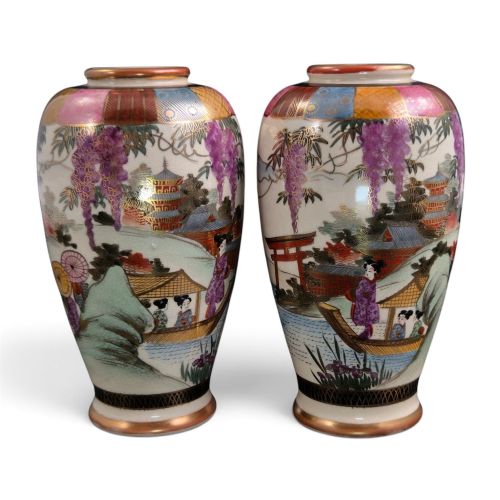
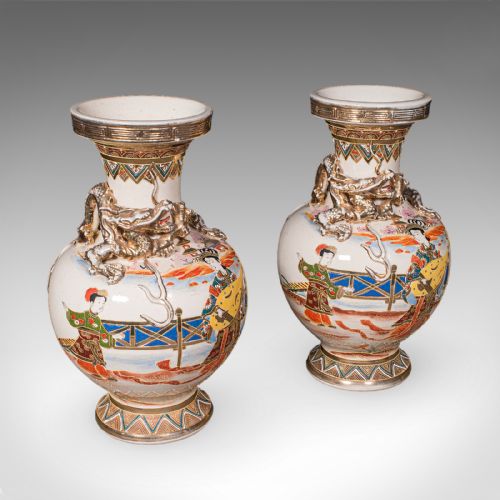
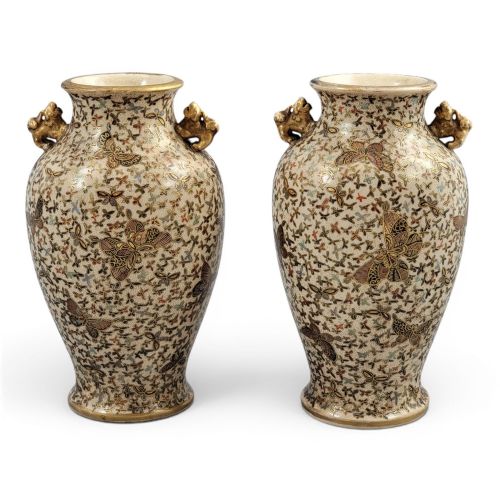
Motive work across the pairs includes floral scenes with wisteria, landscapes, butterflies, and figurative panels depicting figures like arhats, Rakan, women, and children. Many of these matching sets originate from known cultural centres like Kyoto and Kobe.
Materials and construction methods
Makers formed these ceramic and earthenware bodies into symmetrical shapes before applying crackle-glaze finishes that characterise the ware. Artisans then painted detailed surface designs by hand.
Decoration relied heavily on enamel pigments combined with gold leaf and gilt detailing to build up rich polychrome panels. Certain examples incorporate raised moriage work to add physical texture to the painted scenes.
Antique Satsuma Pottery Pair Retail Price Guide 2026
Typical asking prices for satsuma pottery pair among the pieces listed under this phrase on Sellingantiques today, from the lower quarter to the upper quarter. They describe what is for sale here now, not the wider market.
Listings feature works spanning the nineteenth century alongside Edwardian, Taisho, and Showa periods.
Elements that distinguish quality
The finesse of the hand-painted brushwork dictates much of the distinction between standard export items and exceptional workshop pieces. Densely populated figure groups, intricate thousand-butterfly motifs, and controlled spatial composition separate superior examples.
The application of gilding and enamel work also varies, with heavier, more precise gold leaf application and rich cobalt blue integration marking out high-end productions from Kyoto kilns.
Maruni Kobe·Shozan·Manpei·Kinkōzan·Kinzan·Hododa·Makuzu Kozan II·Hakusan·Tagawa·Tashiro
The Antique Satsuma Pottery Pair Glossary
- Satsuma
- A type of Japanese earthenware featuring an ivory-coloured, crackle-glazed surface decorated with enamels and gilt. It originated in Satsuma Province before production expanded to major urban centres like Kyoto and Kobe.
- Moriage
- A decorative ceramic technique using piped slip or enamel to create raised, three-dimensional patterns on the surface. This method adds tactile relief to floral and figurative elements.
- Mon
- A Japanese heraldic badge or crest used to identify families or clans. The Shimazu mon frequently appears on Satsuma wares associated with the ruling clan of that domain.
- Meiji Period
- The era of Japanese history lasting from 1868 to 1912, corresponding to the reign of Emperor Meiji. A vast proportion of export Satsuma pottery dates from this period.
- Baluster
- A vase shape with a rounded body that tapers toward the base and swells out before narrowing at the neck. This silhouette is common among matching pairs.
Antique Satsuma Pottery Pair: Frequently Asked Questions
How do I identify genuine Satsuma pottery?
Genuine pieces typically display a distinctive fine crackle glaze beneath intricate hand-painted enamel and gilt decoration. They often bear workshop signatures or artist seals on the base.
Examining the weight of the ceramic body and the precision of the polychrome painting helps confirm authenticity against later reproductions.
What periods do these pieces date from?
The listings span the late nineteenth century through to the early twentieth century, encompassing the Meiji, Taisho, and Showa periods. Victorian and Edwardian date brackets often overlap with these Japanese imperial eras due to trade.
Most decorative export wares found today were produced during the height of the Meiji period.
Where were these ceramic pairs manufactured?
While originating in Satsuma Province on Kyushu island, primary production centres for sophisticated export wares shifted to Kyoto and Kobe. Master workshops in these cities employed specialist painters for foreign markets.
Stamps or signatures on the base frequently credit specific Kyoto and Kobe kilns.
How should I display a pair safely?
Display matching vessels on stable, level surfaces away from high-traffic areas to prevent accidental knocks. Ensure they avoid direct sunlight to protect the stability of the enamel and gilt surface details.
Dust them gently with a soft, dry cloth without applying water or cleaning solutions.