




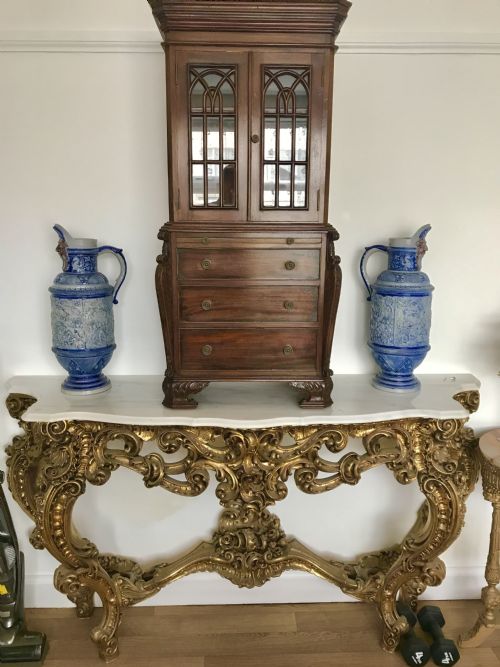
Antique Sample Furniture
These small-scale pieces known as antique sample furniture offer scaled-down versions of full-size household items made for demonstration or display.
Antique Sample Furniture
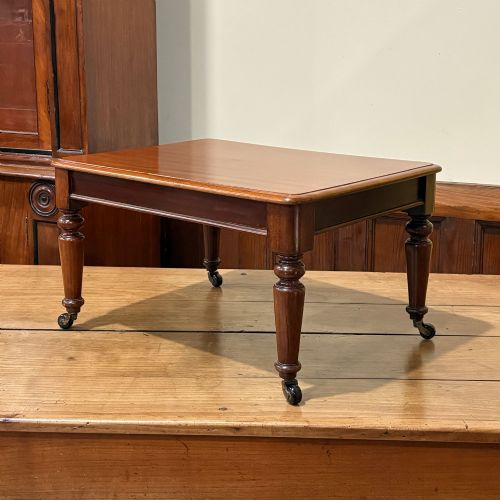
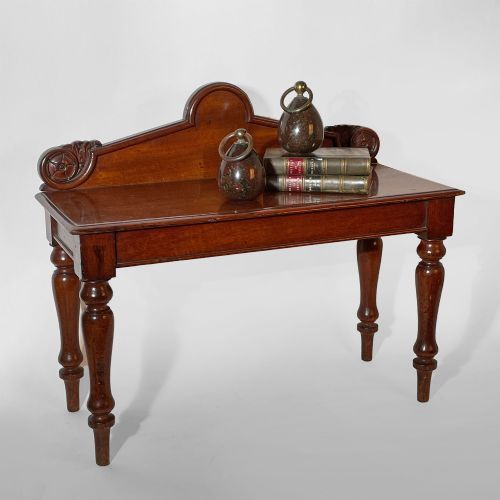
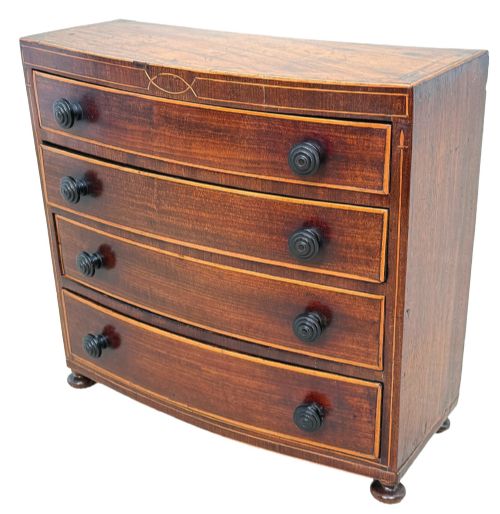
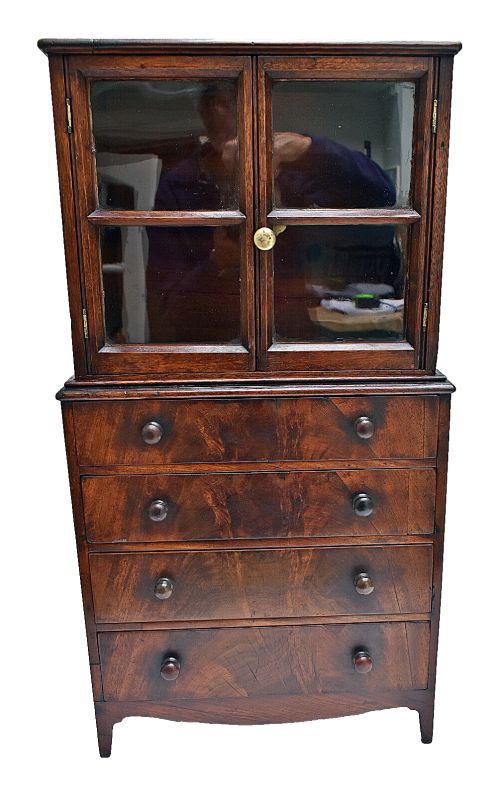
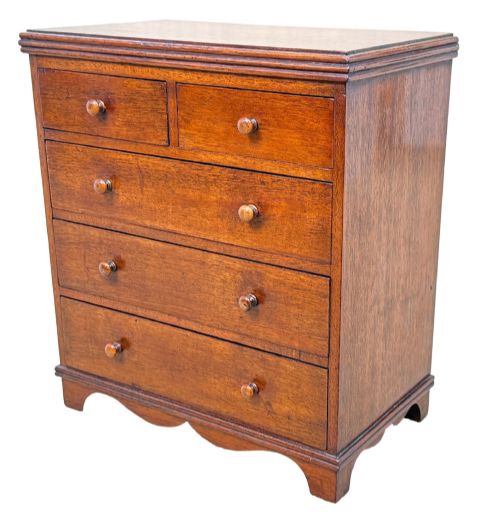
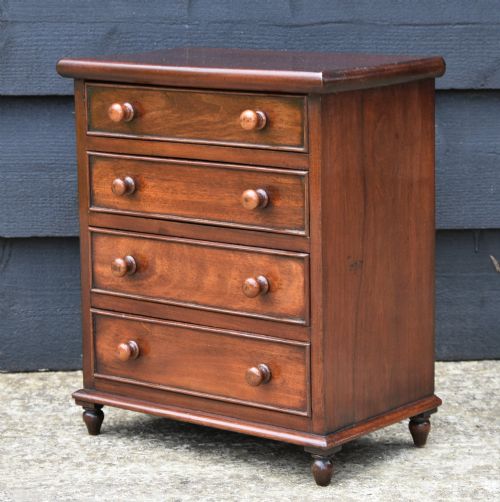
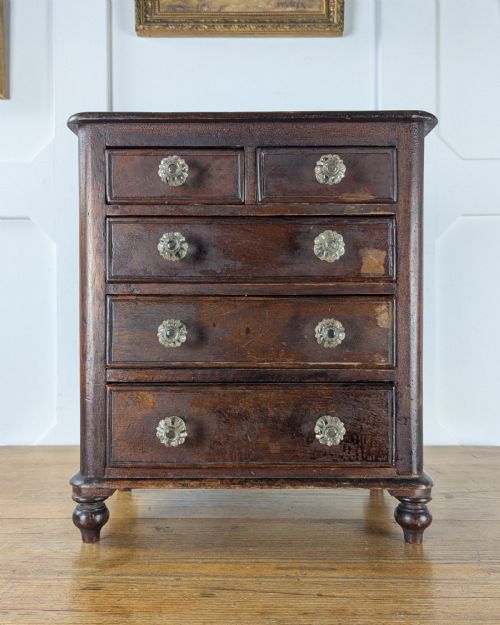
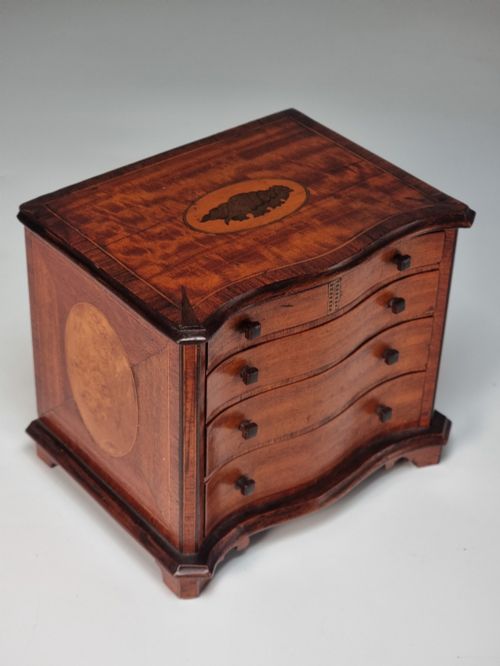
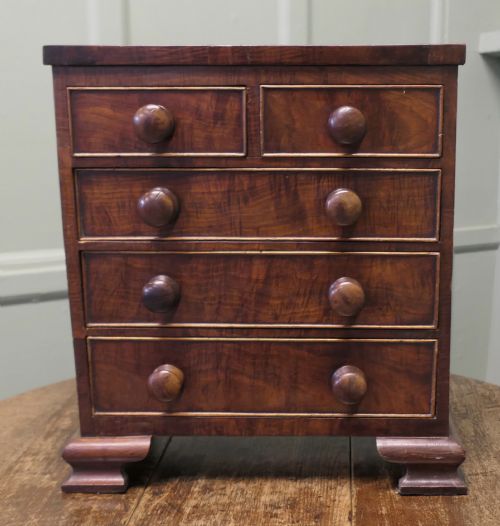
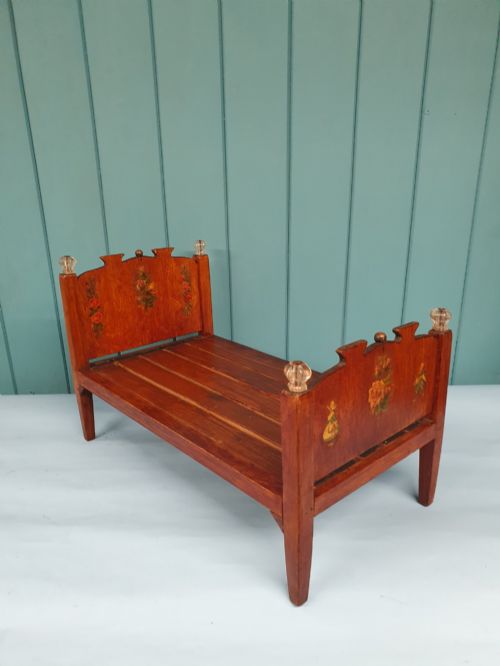
Buyers seeking antique sample furniture examine miniature chests of drawers, tables, cabinets, and beds created in diminutive proportions. These items represent scaled-down versions of larger household furnishings, often associated with cabinetmakers showing their skill or producing salesman samples.
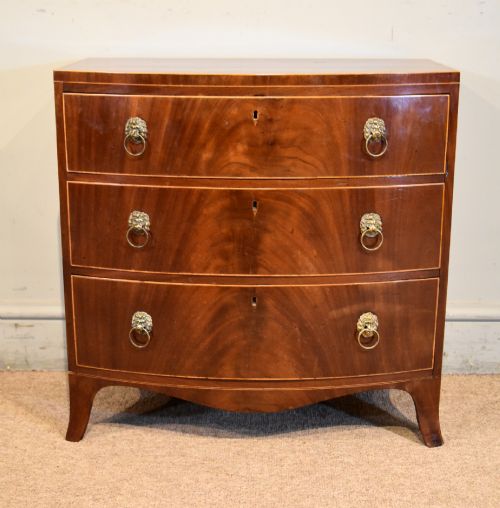
The most common form on this page is the miniature chest of drawers, appearing frequently in mahogany across Victorian and nineteenth-century periods. Pieces range from simple utilitarian drawers to sophisticated serpentine or bowfront designs.
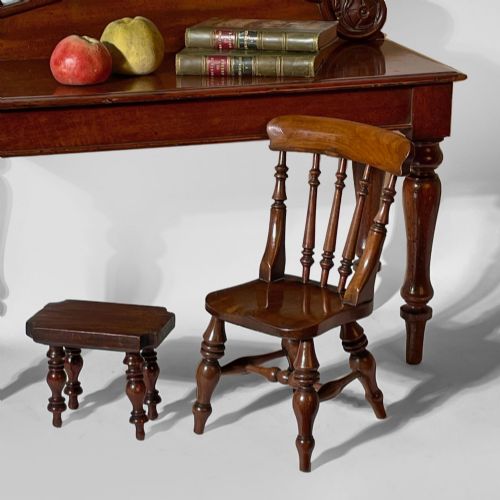
Beyond chests, the selection includes miniature centre tables, writing desks, wardrobes, and occasional seating in styles spanning Georgian, Regency, Edwardian, and Folk Art traditions.
Materials and construction
Makers utilised timber varieties such as mahogany, oak, walnut, satinwood, yew, and pine, often matching the primary woods of full-scale cabinetmaking. Secondary materials include brass for handles, escutcheons, and engraved ornamentation, alongside glass and bone details.
Joinery techniques mirror standard furniture production, incorporating dovetailed drawer construction, turned feet, ebonised moulding, and French polishing. Cabinetmakers applied identical care to miniature joints and secret drawers as they did to domestic-scale commissions.
Antique Sample Furniture Retail Price Guide 2026
Typical asking prices for sample furniture among the pieces listed under this phrase on Sellingantiques today, from the lower quarter to the upper quarter. They describe what is for sale here now, not the wider market.
Listings feature timbers including mahogany, walnut, oak, satinwood, and yew across periods spanning the seventeenth century to the Edwardian era.
Distinctions in quality
Quality rests upon the proportion and fidelity of the miniature scale relative to full-size prototypes. Superior examples display precise joinery, well-figured timber grain, and meticulous attention to small-scale mouldings and hardware.
Plain utilitarian boxes contrast with refined items incorporating secondary timbers, secret compartments, serpentine fronts, or intricate carving. The skill of the maker dictates whether a piece reads as a convincing domestic miniature or a simplified toy.
A. F. Lloyd, Bideford
The Antique Sample Furniture Glossary
- Apprentice piece
- An item created by a trainee cabinetmaker to demonstrate proficiency in advanced woodworking techniques before gaining master status. These objects typically replicate standard domestic furniture forms on a smaller scale.
- Serpentine
- A furniture front shape characterised by a central convex curve flanked by two concave curves. This contour requires high woodworking skill to execute properly, particularly on miniature drawers.
- Bowfront
- A convex curved front profile common on nineteenth-century chests of drawers. It softens the linear appearance of case pieces.
- French polishing
- A wood finishing technique that applies numerous thin coats of shellac using a rubber pad to achieve a high-gloss surface. This method enhances the natural grain of timbers like mahogany and walnut.
Antique Sample Furniture: Frequently Asked Questions
What is antique sample furniture?
These objects are small-scale representations of domestic furnishings produced by cabinetmakers. They served as trade samples, demonstration pieces for apprentices, or decorative items.
Craftsmen applied traditional woodworking methods and fine timber selections to create exact miniature versions of full-size furniture.
How do I date an apprentice piece?
Dating relies on stylistic markers, timber types, and construction methods corresponding to specific periods such as the Georgian, Regency, or Victorian eras. Secondary woods and hardware styles provide further chronological clues.
Cabinetmaking trends in miniature generally mirrored the prevailing domestic furniture designs of the time.
Where should I place miniature furniture in a home?
These compact items suit tabletops, mantelpieces, or dedicated display cabinets where their small scale can be appreciated up close. They integrate easily into existing interior schemes alongside full-size antiques.
Placement away from direct sunlight and extreme heat protects sensitive timber surfaces and polished finishes.