

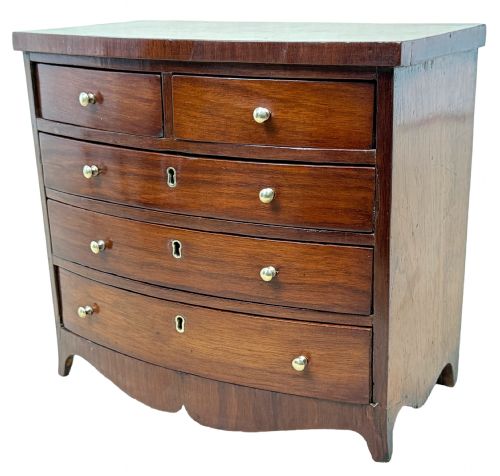


Antique Salesman Piece
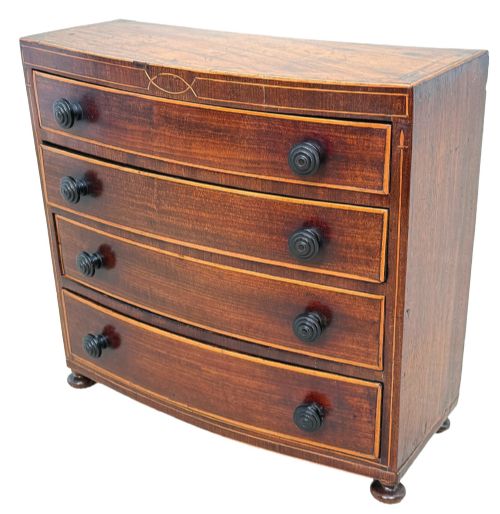
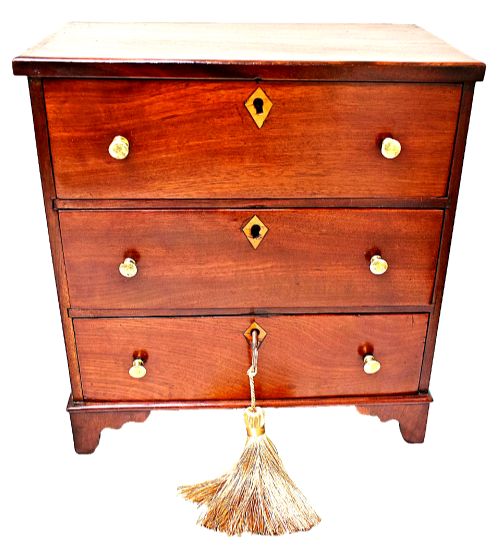
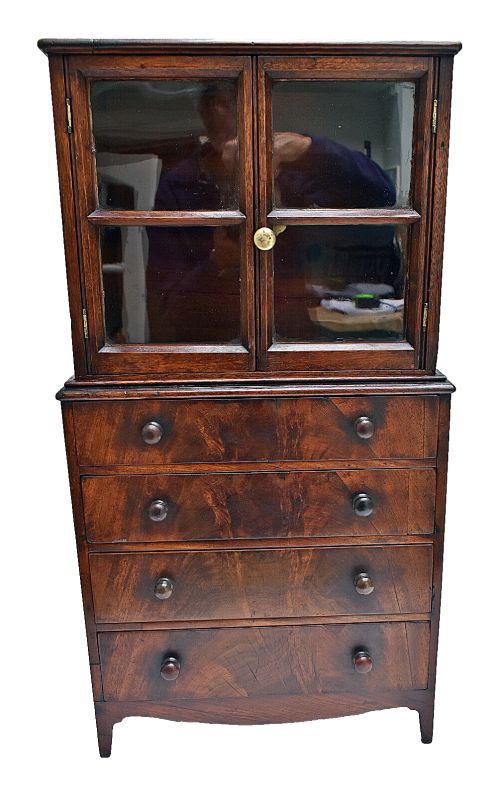
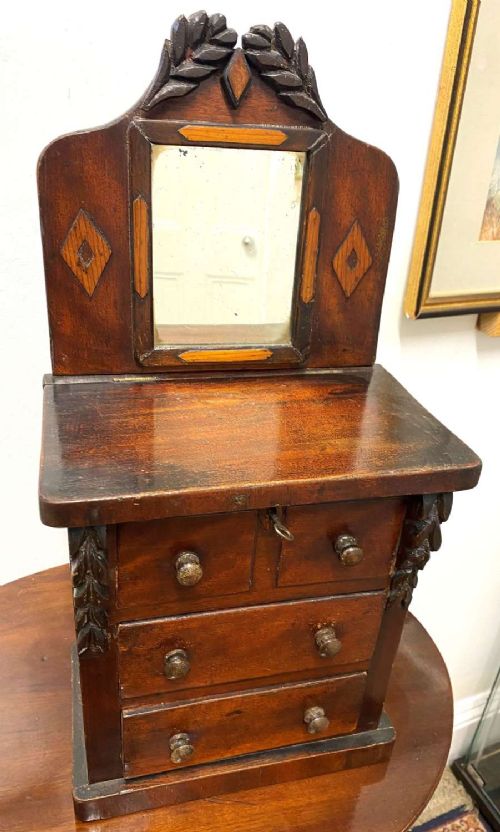
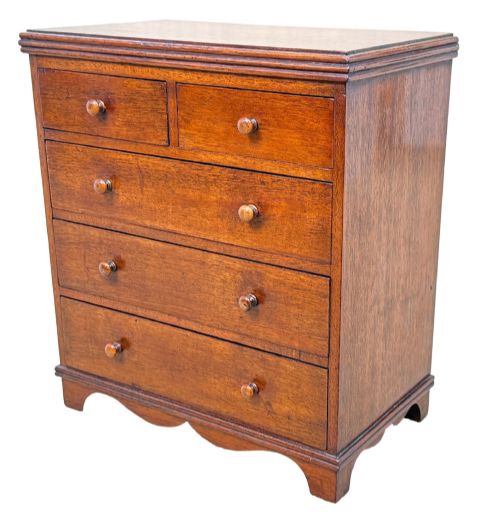
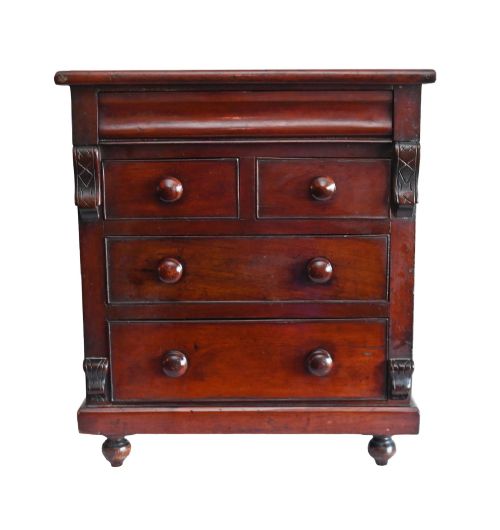
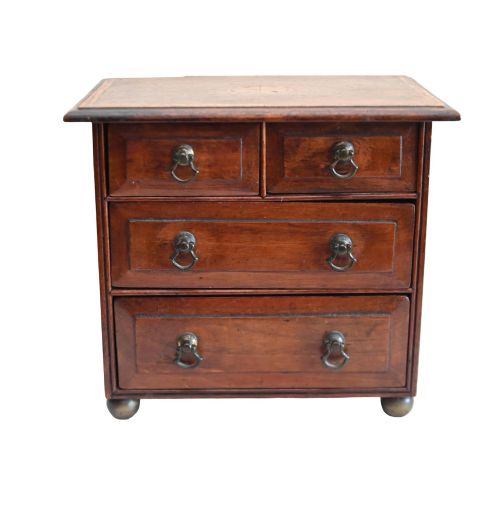
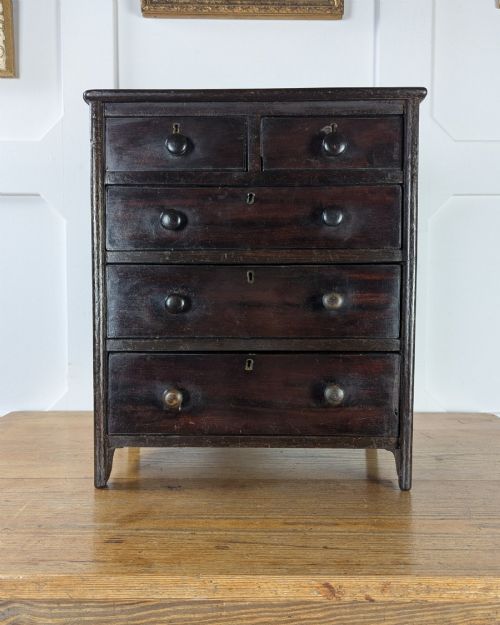
An antique salesman piece is a miniature furniture sample or apprentice work, scaled down for travel or demonstration, and collectors prize them for their meticulous proportions.
Antique Salesman Piece
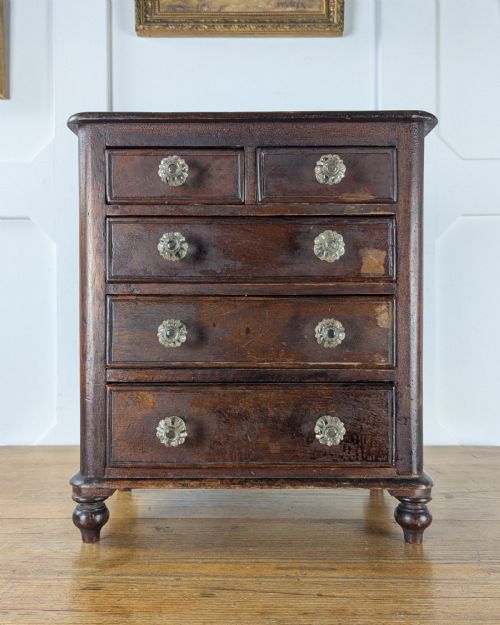
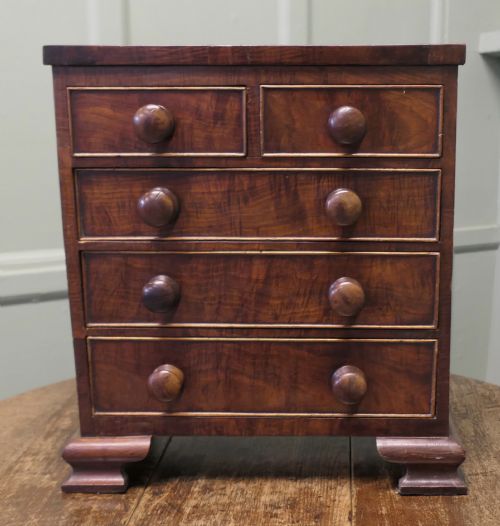
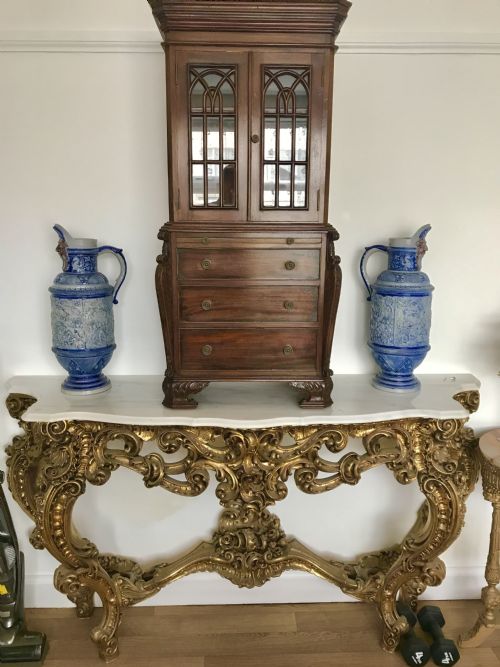
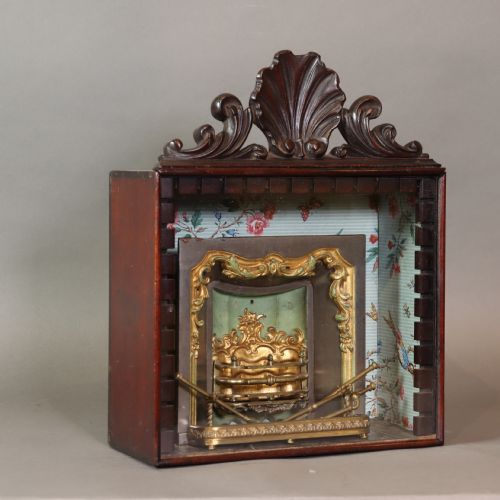
When you search for an antique salesman piece, you encounter miniature chests of drawers, tables, and cabinets originating mostly from the nineteenth century and the Victorian period. These scaled-down items include apprentice pieces and salesman samples created to showcase fine woodworking skill or to travel easily as design catalogues.
Materials and construction
Cabinetmakers built these miniature items using timbers like mahogany, oak, pine, and exotic veneers including burr yew and burr walnut, often applying a French polished finish to highlight the grain. Details such as brass handles, iron accents, and ebonised mouldings replicate full-scale furniture accurately.
Joinery techniques mirrored standard furniture production, utilising dovetailed drawers, turned feet, and occasionally secret compartments. Slate and leather also appear in specific decorative objects and specialised models.
Antique Salesman Piece Retail Price Guide 2026
Typical asking prices for salesman piece among the pieces listed under this phrase on Sellingantiques today, from the lower quarter to the upper quarter. They describe what is for sale here now, not the wider market.
Listings span the eighteenth, nineteenth, and early twentieth centuries, featuring woods such as mahogany, oak, pine, and burr yew.
Distinguishing quality
Quality rests upon the fidelity of the proportions and the precision of the miniature joinery compared to full-sized furniture. Pieces exhibiting secondary timbers appropriate to their stated period and region display higher craftsmanship.
The choice of face veneers, such as burr walnut or figured mahogany, alongside refined handling of brass hardware and mouldings, separates standard cabinet work from exceptional examples.
The Antique Salesman Piece Glossary
- Apprentice piece
- A small-scale item of furniture made by a trainee craftsman to demonstrate mastery of joinery techniques before admission to a guild.
- Salesman sample
- A miniature version of a larger piece of furniture or hardware, carried by commercial travellers to show clients before taking orders.
- French polish
- A shellac finish applied in multiple thin layers using a rubbing pad to achieve a high gloss with deep grain visibility.
- Secret drawer
- A concealed compartment built into a case piece, often hidden behind removable mouldings or false partitions.
- Bowfront
- A convex, curved front profile popular on chests of drawers during the Georgian and Regency periods.
Antique Salesman Piece: Frequently Asked Questions
How were miniature chests used?
Miniature chests served primarily as travelling samples for furniture makers or as domestic decorative objects on top of full-sized furniture.
Their small dimensions allowed craftsmen to display varying drawer configurations, wood types, and decorative mouldings directly to clients in homes or offices.
How do I date an apprentice piece?
Dating relies on identifying the primary and secondary timbers, the construction methods used for the drawer linings, and the prevailing furniture style.
Nineteenth-century examples frequently employ mahogany or pine with hand-cut dovetails, aligning with the stylistic traits of the Georgian, Regency, or Victorian eras.
Where should I display miniature furniture?
Miniature furniture fits well on tabletops, inside glass cabinets, or upon bookshelves where the fine details and wood grains can be viewed closely.
Keep these pieces away from direct sunlight and excessive humidity to protect delicate veneers and traditional French polished surfaces.