




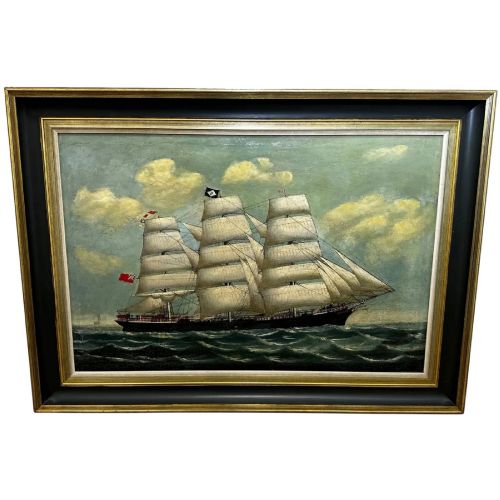
Antique Sailing Vessel Art
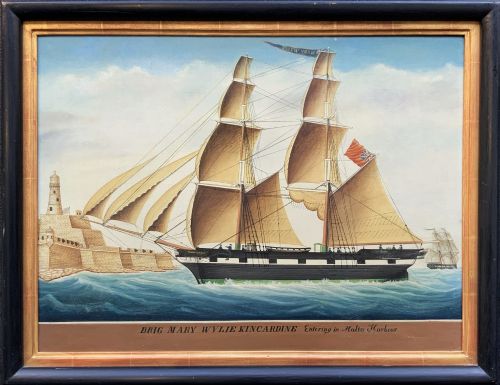
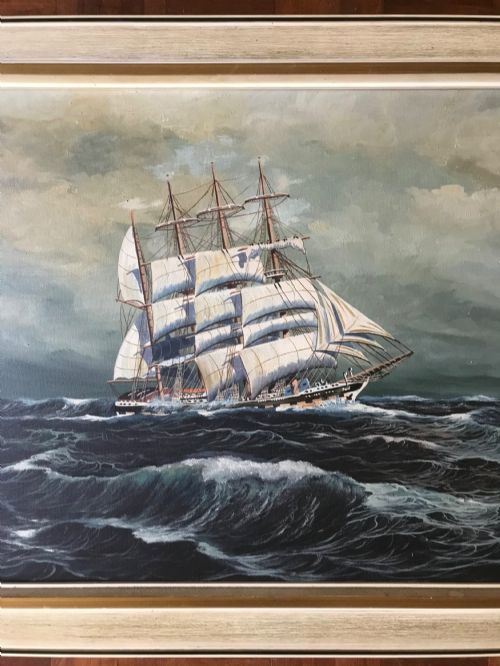
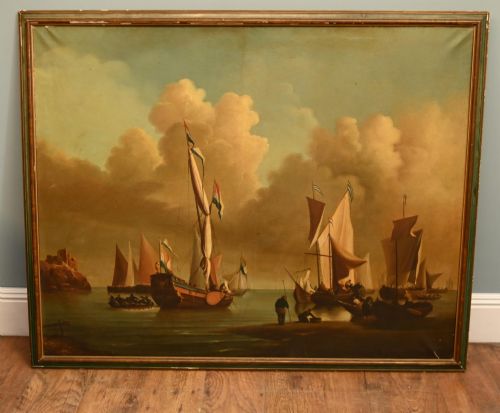
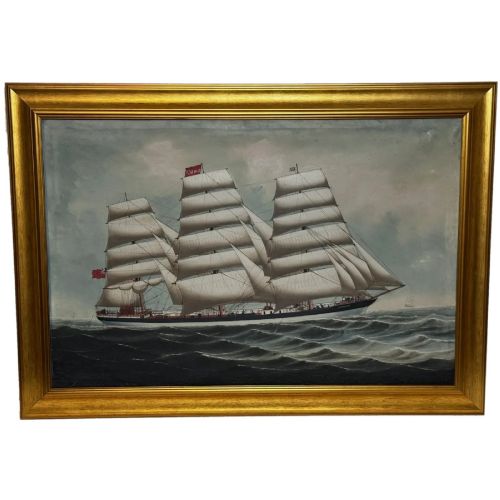
Antique sailing vessel art captures the maritime heritage through detailed depictions of ships on water across centuries.
Antique Sailing Vessel Art
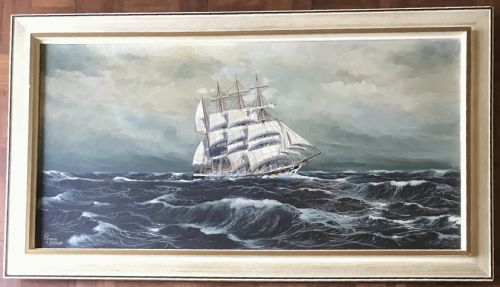
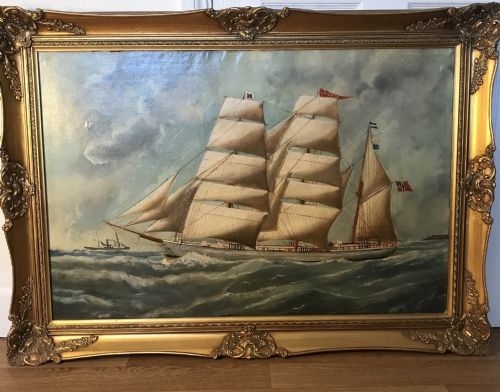
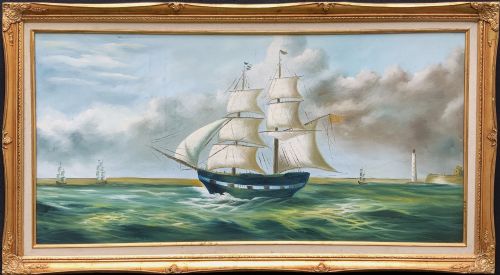
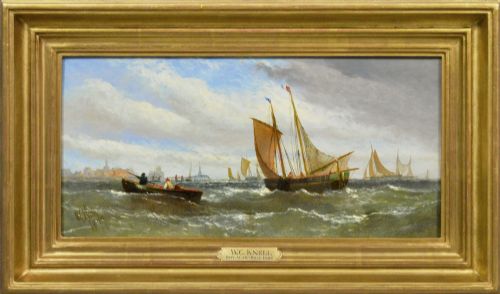
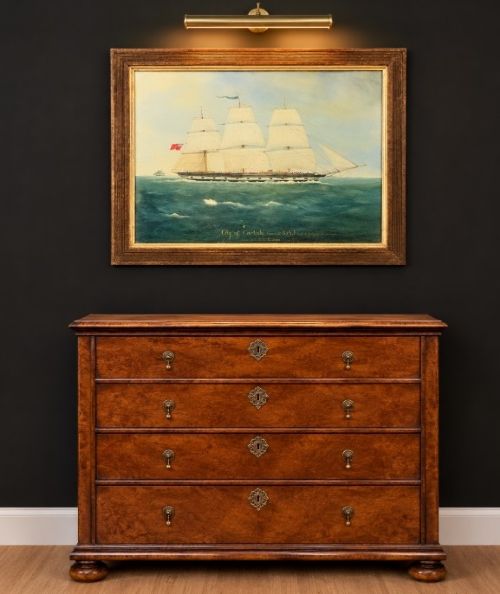
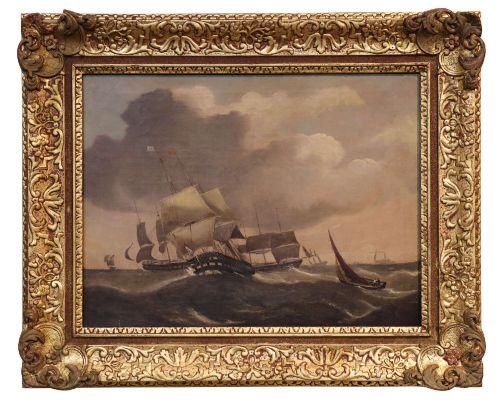
When you search for antique sailing vessel art, you encounter oil paintings, watercolours, and dimensional dioramas depicting marine subjects. These works document specific vessels, naval engagements, and coastal scenes from the eighteenth century through the mid-twentieth century.
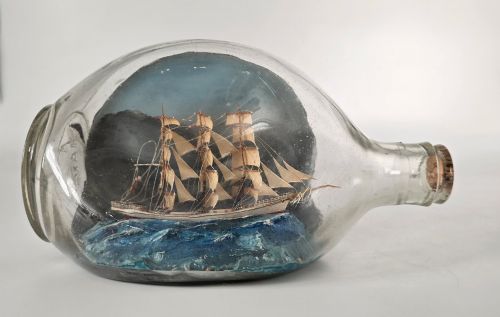
The pieces on this page are most commonly Victorian works, alongside Edwardian and early twentieth-century examples. You will find framed wall art in oil and watercolour, alongside cased maritime shadow boxes and folk art models.
Subjects range from merchant barques and clipper ships to dramatic stormy seascapes and calm harbour ports. Each piece offers a visual record of shipping history and maritime craftsmanship.
How they were made
Artists painted oil on canvas, wood panel, or board, while watercolours were executed on paper and housed behind glass. Many frames use giltwood to complement the maritime scenes.
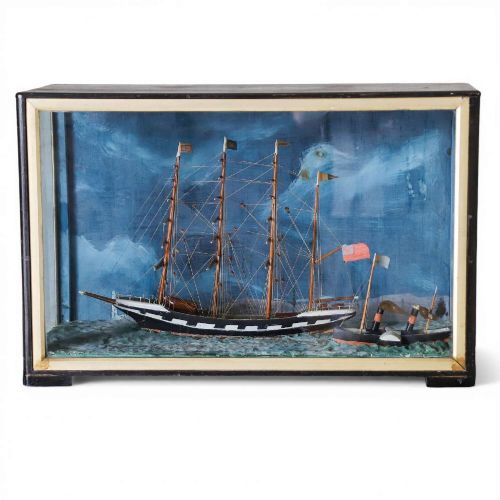
Dioramas and shadow boxes combine carved wooden ship models with painted canvas backdrops, sometimes incorporating materials like straw work for decorative texture.
Antique Sailing Vessel Art Retail Price Guide 2026
Typical asking prices for sailing vessel art among the pieces listed under this phrase on Sellingantiques today, from the lower quarter to the upper quarter. They describe what is for sale here now, not the wider market.
Some nineteenth-century sailors whiled away long voyages by gluing tiny scraps of straw into intricate coastal scenes.
What varies in quality
The precision of rigging, hull proportions, and maritime architecture distinguishes skilled marine artists from naive or amateur makers. Depth of perspective in the treatment of waves and skies separates standard decorative works from accomplished fine art paintings.
The preservation of the original medium, whether oil paint on canvas or delicate watercolour on paper, influences the integrity of the piece. Fine period framing also contributes to the overall standard of the object.
Reginald Arthur Borstel·Bernard Gribble·Bonaventura Peeters·Lai Fong·Charles William Adderton·William Frederick Settle·Daniel Sherrin·George Shaw·Marie Edouard Adam·Ebeneezer Colls·Gustave de Breanski·Frank Wood·Joseph Heard·Paul Jean Clays·Fred Mayor
The Antique Sailing Vessel Art Glossary
- Barque
- A sailing vessel with three or more masts having the fore- and mainmasts square-rigged and the mizzenmast fore-and-aft rigged. This rig was common for nineteenth-century merchant shipping.
- Diorama
- A three-dimensional scene featuring miniature models set against a painted background inside a glazed case. Maritime examples often display ships racing or weathering rough seas.
- Giltwood
- Wood that has been coated with gold leaf or gold paint. It frequently appears on the antique frames enclosing these marine paintings.
- Seascape
- A painting, photograph, or other work of art that depicts the sea. These works form a core category within maritime art.
- Provenance
- The chronological history of the ownership of a piece. Documented origins help authenticate specific vessels and artists.
Antique Sailing Vessel Art: Frequently Asked Questions
What is maritime folk art?
Maritime folk art encompasses objects made by sailors, craftsmen, or self-taught artists outside formal academic traditions. These items include scratch-built ship models, straw work dioramas, and naive coastal paintings.
Such pieces reflect personal maritime experiences and traditional regional techniques rather than academic conventions.
How do I date a ship painting?
Dating relies on the ship type, rigging style, and artist attribution where recorded. Naval architecture evolved rapidly from wooden sailing ships to steel-hulled barks and steam-assisted vessels.
Clothing styles of figures on the shore and framing materials also provide helpful chronological indicators.
Where should I hang maritime art?
These works suit studies, living rooms, and hallways where adequate wall space allows for proper viewing. Oil paintings and watercolours require placement away from direct sunlight to prevent fading of pigments.
Cased dioramas need sturdy shelving or wall brackets capable of supporting their enclosed wooden and glass structures.
What is a ship diorama?
A ship diorama is a cased three-dimensional model of a vessel positioned upon sculpted waves against a painted backdrop. Makers constructed these using wood, canvas, and paper to create realistic sea perspectives.
They served as commemorative pieces for sailors and maritime enthusiasts.