





Antique Sailboat Seascape Painting
An antique sailboat seascape painting captures the movement of water and wind on canvas or paper.
Antique Sailboat Seascape Painting
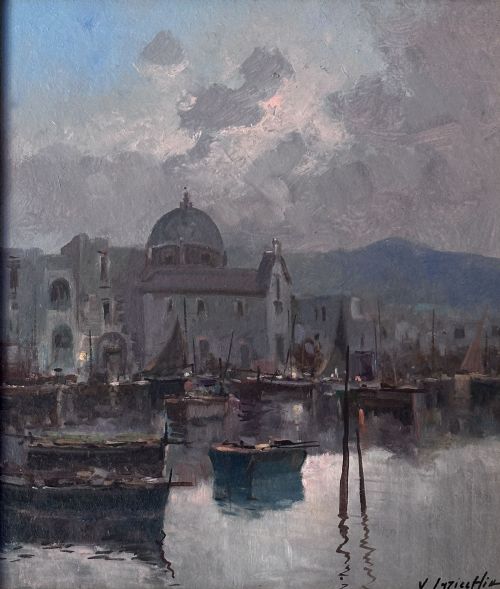
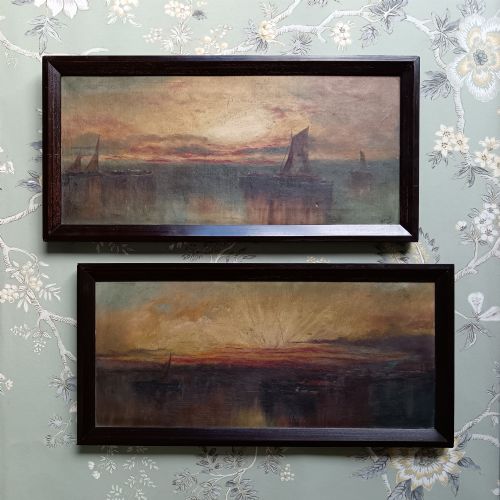
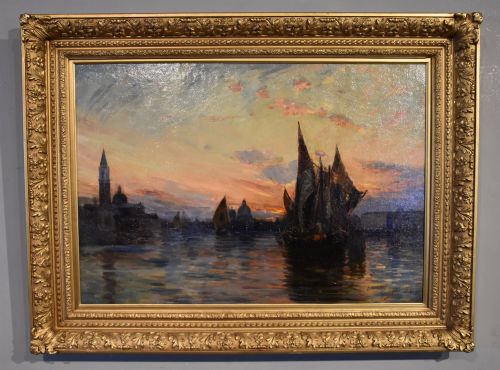
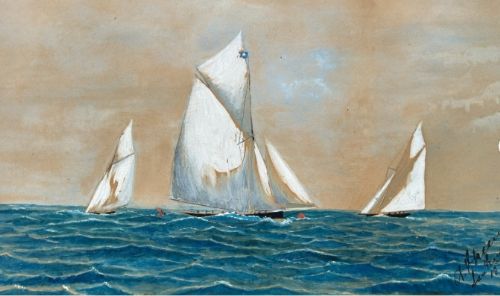
An antique sailboat seascape painting depicts vessels upon the water, rendered by artists across the nineteenth and twentieth centuries. These works include coastal scenes, harbour views, and open ocean passages.
The pieces on this page span Victorian and Edwardian periods, stretching into mid-century impressionism and post-impressionism. Buyers encounter works from British, French, Dutch, and American schools.
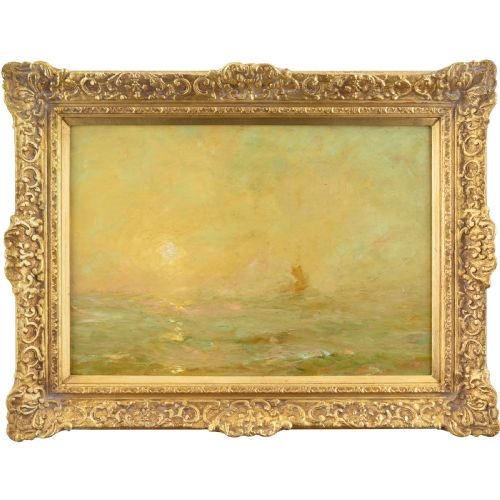
Forms vary from intimate watercolours on paper to large oil paintings on canvas and board, often set within gilt wood frames.
How they were made
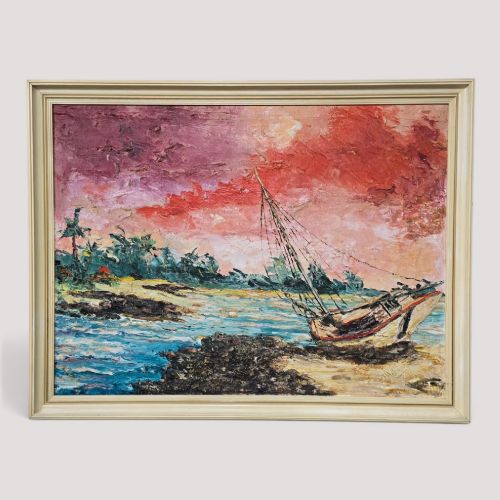
Artists utilised oil paint on stretched canvas or wooden board to build texture and depth, particularly when capturing churning waves and atmospheric skies. Watercolours on paper offered a more fluid, luminous medium for lighter coastal studies.
Supporting structures typically involve wood and glass, with gilt wood frames providing the traditional finish for framed artworks of the period.
Antique Sailboat Seascape Painting Retail Price Guide 2026
Typical asking prices for sailboat seascape painting among the pieces listed under this phrase on Sellingantiques today, from the lower quarter to the upper quarter. They describe what is for sale here now, not the wider market.
Listings feature works spanning the nineteenth century through the 1960s, executed in oil and watercolour.
What varies in quality
The handling of light, water movement, and vessel rigging distinguishes accomplished marine art from standard decorative work. Skilled painters convey atmosphere and maritime accuracy with assured brushwork.
The preservation of the medium, the depth of the composition, and the harmony of the original framing influence the standing of an individual piece.
William Ayerst Ingram·Hans Harlander·B. Nash·Thomas Hodgson Liddell·Paul Delvaux·Richard Harry Carter·Louis Suire·Norman Lloyd·Adrian Van Porten·Edward Seago·Hendrik Willebrord Jansen·Samuel Owen·Ernest F. Hill·Jane Vivian·George Henry Knight·John Callow·E. Tucker·Gustave De Breanski·Frank Wasley·Paul Jean Clays·Charles Euphrasie Kuwasseg·Johan Jens Neumann
The Antique Sailboat Seascape Painting Glossary
- Oil on Canvas
- A traditional painting medium where pigment mixed with oil is applied to a woven fabric support. This combination allows for rich colour blending and textured surface details.
- Watercolour
- A paint consisting of pigment suspended in a water-based solution, typically applied to paper. It yields translucent washes well suited to coastal light.
- Impressionism
- A nineteenth-century painting style characterised by relatively small, thin, yet visible brush strokes and an emphasis on accurate depiction of light. Artists working in this manner sought to capture momentary visual effects.
- Gilt Wood
- Timber coated with a thin layer of gold leaf or gold paint. Frames finished in this manner were commonly utilised for fine art paintings of the Victorian and Edwardian eras.
Antique Sailboat Seascape Painting: Frequently Asked Questions
How do I date a maritime painting?
Dating relies on stylistic clues, artist signatures, framing methods, and stretcher construction. Nineteenth-century works often feature tighter academic detail, while later pieces adopt looser impressionist brushwork.
Examining the canvas backing and any inscriptions or labels can provide further chronological context.
Where were these marine paintings produced?
These works originate from artistic hubs across Europe and America, reflecting distinct regional schools. British, French, Dutch, and Belgian artists frequently recorded their local coastlines and bustling harbours.
Travellers also captured Mediterranean scenes and Scandinavian ports during the Edwardian period and beyond.
How should I display an oil painting?
Hang the artwork away from direct sunlight and steady moisture sources to protect both the canvas and the pigments. Maintaining a stable indoor environment prevents warping in the wooden stretcher bars.
Ensure the wall fixings adequately support the weight of the frame.
What is the difference between oil and watercolour?
Oil paint provides a heavier, buildable medium that captures rich textures in skies and turbulent seas. Watercolour offers a transparent, delicate finish on paper, best preserved under glass.
Both techniques served different purposes for marine artists documenting coastal life.