



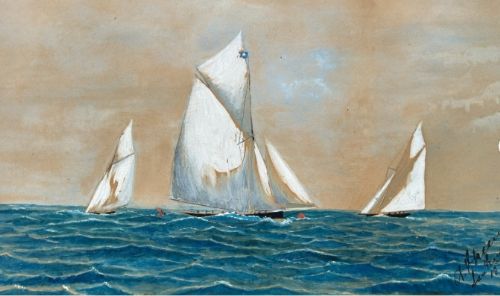


Antique Sailboat Landscape Painting
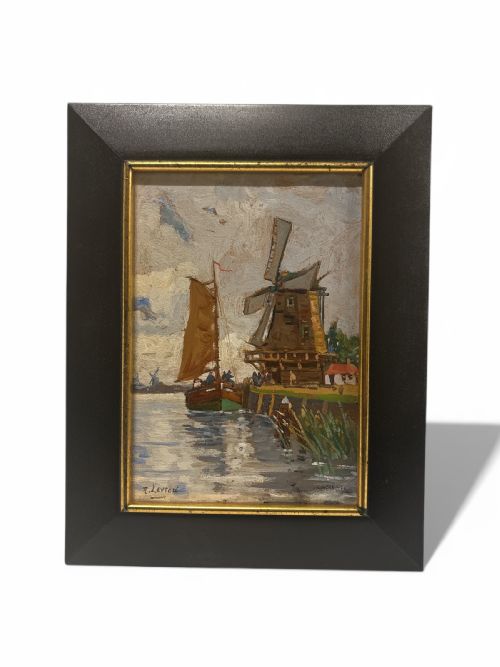
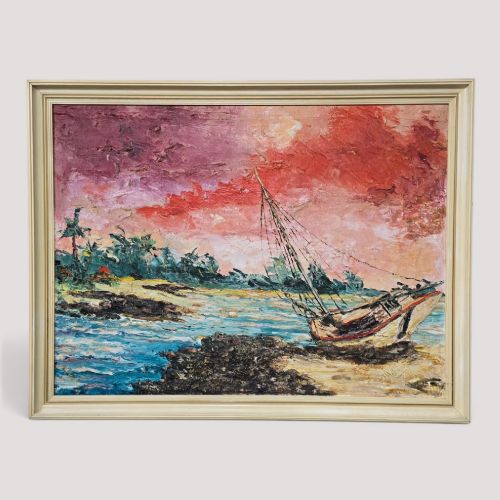
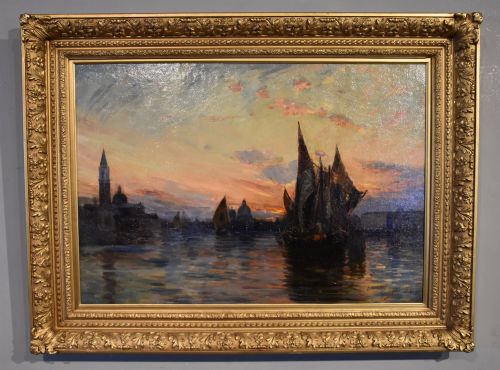
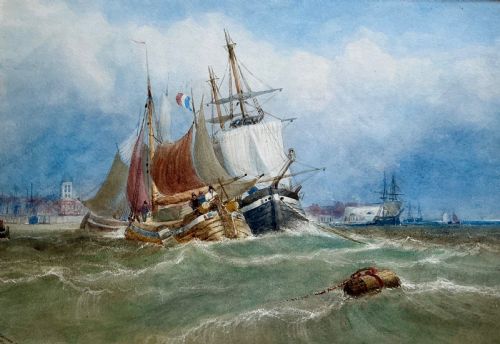
An antique sailboat landscape painting captures maritime movement across canvas and paper from the nineteenth and early twentieth centuries.
Antique Sailboat Landscape Painting
An antique sailboat landscape painting portrays marine, river and coastal scenes dominated by sailing vessels, ranging from serene Venetian lagoons to bustling British and European harbours. These works emerge primarily from the Victorian and Edwardian eras, extending into the mid-twentieth century through Impressionist and Post-Impressionist interpretations.
The most common formats on this page include framed oil paintings on canvas or board alongside detailed watercolour paintings on paper. Subjects vary from specific named locations such as Scarborough and the Isle of Man to evocative evening seascapes and moonlight coastal views.
How they were made
Artists painted primarily with oil paint on stretched canvas or wooden board, or applied watercolour pigments onto heavy paper sheets. These compositions were often mounted within decorative gilt wood frames that accentuated the maritime subject matter.
Makers employed layered brushwork to render water, sky and sails, capturing atmospheric effects of sunrise, sunset and moonlight through distinct Impressionist or traditional techniques.
Listings span the nineteenth century through the mid-twentieth century, featuring oil on canvas, watercolour, and gilt wood framing.
What varies in quality
Quality rests in the artist's handling of light, atmosphere and water movement, where confident brushwork creates genuine depth in the sea and sky. Finer examples display precise control over maritime architecture and rigging, whereas lesser works rely on repetitive formulas.
The integration of the sailboat within its broader landscape setting distinguishes superior pieces, along with the preservation of the original canvas, pigments and period framing.
R Leyton·B. Nash·Thomas Hodgson Liddell·Henry Barlow Carter·Louis Suire·Norman Lloyd·Adrian Van Porten·William Tuck·F J Aldridge·Edward Seago·Hendrik Willebrord Jansen·Charles Harmony Harrison·Jane Vivian·E Tucker·Gustave de Breanski·John McDougal·Frank Wasley·Paul Jean Clays·Harry Wanless·Charles Euphrasie Kuwasseg·Bertram Priestman·Thomas Bush Hardy·John William Gilroy
The Antique Sailboat Landscape Painting Glossary
- Oil on canvas
- Pigments bound in drying oil applied to a woven fabric support stretched over a wooden frame. This medium allowed artists to build rich textures and deep tones for marine scenes.
- Watercolour
- Water-soluble pigment paint applied to paper to create translucent washes of light and colour. It was widely utilised for rapid plein-air coastal studies and finished harbour views.
- Gilt wood
- Wood carved and coated with a thin layer of gold leaf or metallic gilt finish. It forms the traditional protective border around nineteenth-century paintings.
- Marine art
- Artistic representation of ships, maritime scenes and coastal landscapes. This genre encompasses everything from calm river boatyards to turbulent open-sea gales.
- Impressionism
- A nineteenth-century painting style characterised by relatively small, thin yet visible brush strokes and an emphasis on accurate depiction of light. It shaped many of the harbour scenes found in later periods.
Antique Sailboat Landscape Painting: Frequently Asked Questions
How do I date an old marine painting?
Dating relies on stylistic clues, framing materials, and artist biography records documented in the listing details.
Changes in canvas preparation, clothing styles of figures on the shore, and pigment chemistry further narrow the period of creation.
Were these watercolours meant to be framed?
Works on paper were traditionally placed behind glass within wooden frames to protect them from moisture and dust.
Original Victorian framing often includes gilt mounts that complement the tonal palette of the watercolour.
What is the difference between marine and maritime art?
Marine art strictly focuses on the sea, ships, and coastal views as natural subjects.
Maritime art can also encompass navigational instruments, port infrastructure, and naval history beyond the seascape itself.
How should I care for a canvas painting?
Keep oil paintings away from direct sunlight and dramatic fluctuations in room temperature to prevent canvas slackening.
Dust the surface gently with a soft, dry brush and avoid applying liquid cleaners to the aged paint layer.