


Antique Sacred Wall Art
Antique sacred wall art brings centuries of devotion into domestic spaces through devotional paintings, carved panels, and traditional icons.
Antique Sacred Wall Art
When searching for antique sacred wall art, buyers encounter devotional objects spanning the sixteenth to the nineteenth centuries, originating from European, Russian, and Himalayan traditions. These pieces include oil paintings on canvas and panel, tempera icons on wood, carved wooden reliefs, and bronze plaques.
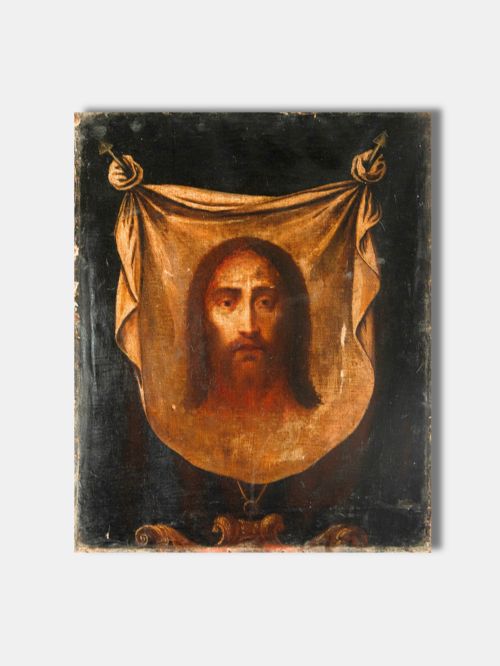
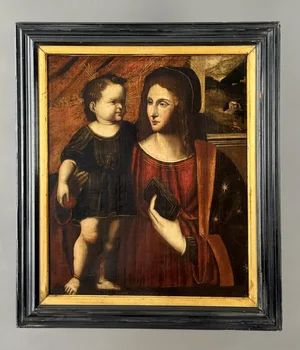
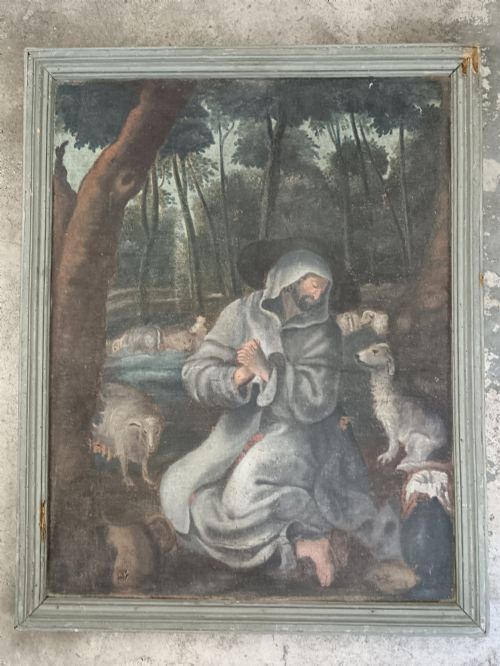
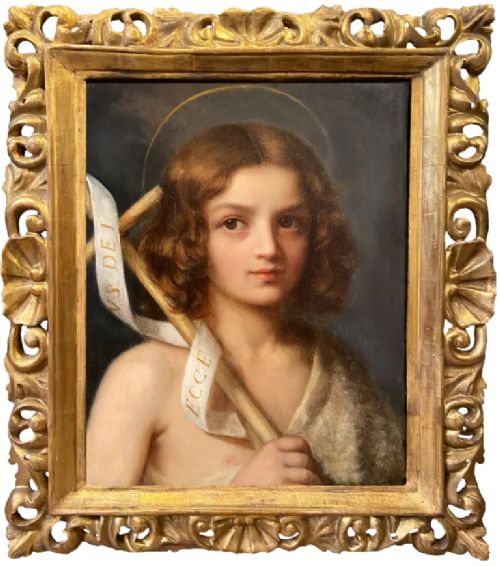
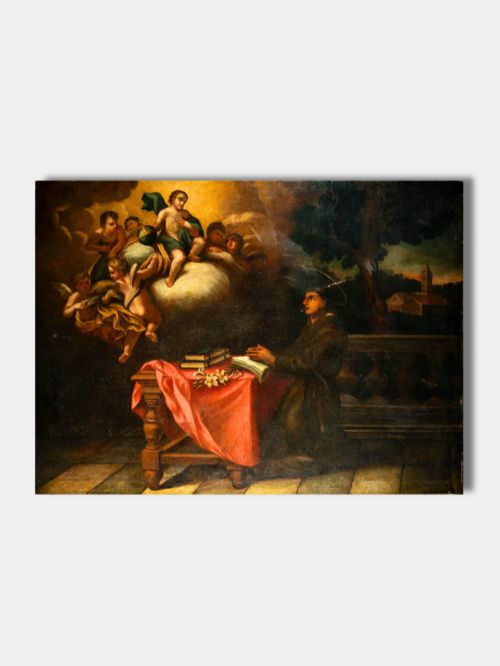
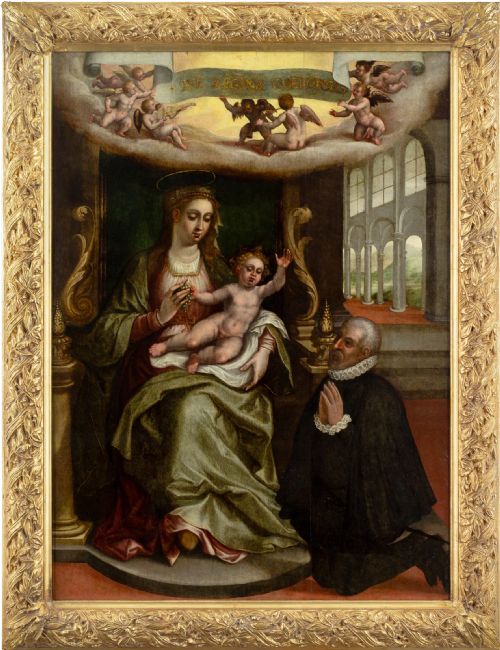
The versions most commonly met on this page are oil paintings depicting figures such as the Virgin and Child, Saint John the Baptist, and various saints, alongside traditional Russian Orthodox icons and framed Himalayan thangkas. Works range from monumental canvases to intimate panels and manuscript leaves, reflecting diverse regional expressions of faith.
Materials and construction
Makers utilised traditional supports such as canvas, heavy wood panels, mulberry paper, and bronze, preparing surfaces with grounds before applying oil paint, tempera, watercolour, or gold leaf. Giltwood frames and intricate silver or gilt metal rizas often complement these panels.
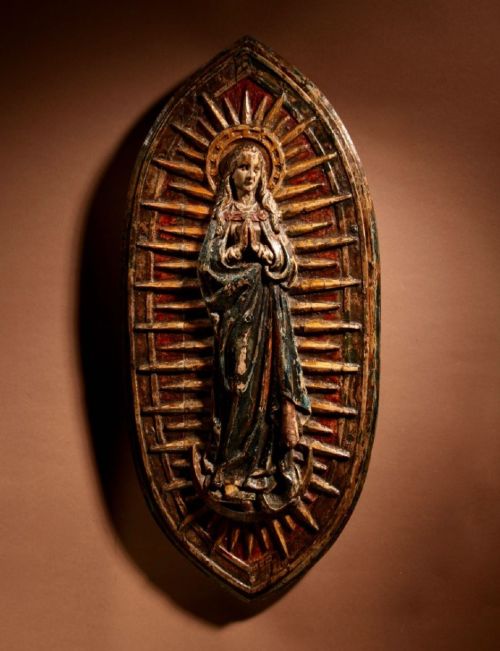
Carvings and reliefs were shaped from dense woods like oak and walnut, employing manual chiselling and joinery techniques typical of medieval and baroque workshops across Italy, Spain, Germany, and central Europe.
Some sacred paintings hide fascinating pentimenti, revealing where saints' halos were shifted sideways mid-prayer.
Factors determining quality
Quality rests upon the execution of the painting or carving, distinguishing competent regional output from masterworks produced by established schools or followers of major artists. The fineness of brushwork, anatomical proportion, and expressive depth set superior pieces apart.
The preservation of original materials, including untouched surfaces on oil paintings, authentic gilding on icons, and the structural integrity of early carved wood panels, influences the standing of each piece.
Miguel Barroso·Francesco Solimena·Volga Masters·Orsola Maddalena Caccia·Gian Federigo Bonzagna
The Antique Sacred Wall Art Glossary
- Tempera
- A permanent, fast-drying painting medium consisting of coloured pigments mixed with a water-soluble binder, commonly egg yolk, used extensively on wood panels for icons.
- Giltwood
- Wood that has been treated with a thin layer of gold leaf or gold dust, frequently seen on altarpiece panels and frames.
- Pentimento
- A visible trace of earlier painting beneath a layer of paint, showing where the artist changed their composition during creation.
- Thangka
- A Tibetan Buddhist painting on cotton or silk appliqué, usually depicting a deity or scene, mounted on textile backing.
- Ex Voto
- A votive offering presented to a saint or divinity in fulfilment of a vow, often taking the form of a small metal plaque.
Antique Sacred Wall Art: Frequently Asked Questions
How do I identify Russian icons?
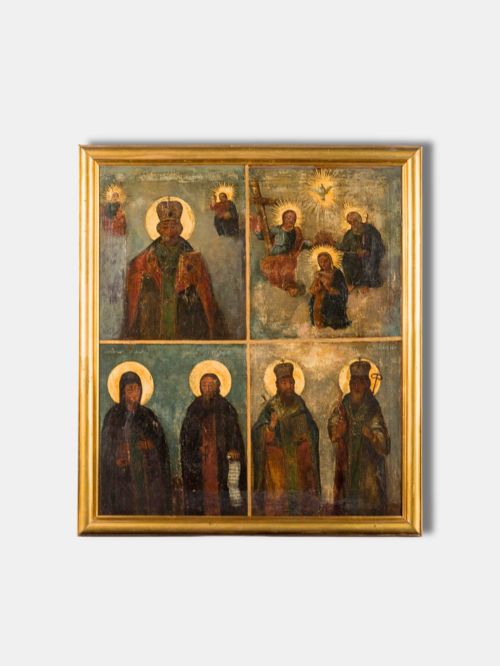
Russian icons are typically painted in tempera on wood panels, often featuring gold leaf backgrounds and metallic covers known as rizas or oklads. They frequently depict traditional subjects such as the Crucifixion or holy figures according to strict canonical rules.
Inscriptions in Cyrillic lettering usually appear across the margins or beside the figures, helping to identify the specific saint or theological scene represented.
What is an ex voto plaque?
An ex voto plaque is a devotional offering placed in a sacred space to give thanks for a miraculous healing or intervention. These pieces take various forms, including stamped metal plaques representing specific parts of the body or narrative scenes.
They carry direct personal and cultural history from individuals who sought spiritual aid in times of crisis.
How should I hang heavy wood panels?
Heavy wood panels and carved altarpiece fragments require robust wall fixings secured directly into structural studs or masonry rather than standard plasterboard hooks. Professional mirror plates or custom concealed mounting brackets distribute the substantial weight safely.
Maintaining stable room humidity prevents the old timber from warping or splitting over time.
What distinguishes school works from master paintings?
Works attributed to a school or followers of a master, such as the Italian Renaissance or Spanish Baroque traditions, were produced by contemporary artists working within a prominent painter's sphere of influence. They display stylistic parallels in composition and technique without being prime examples by the named master.
These pieces offer insight into the broader dissemination of artistic styles across historical workshops.